


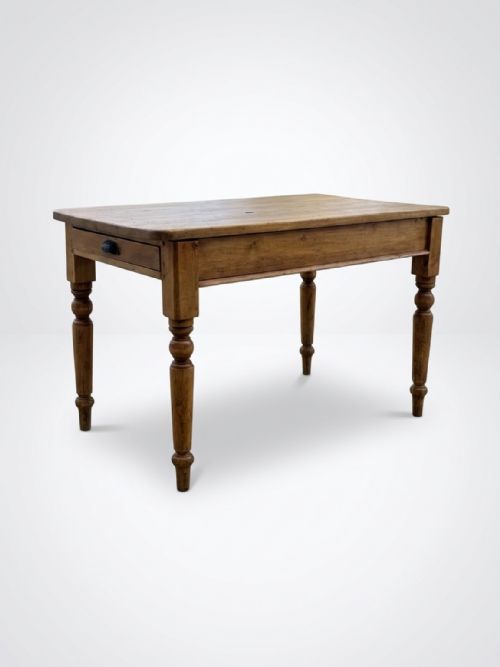
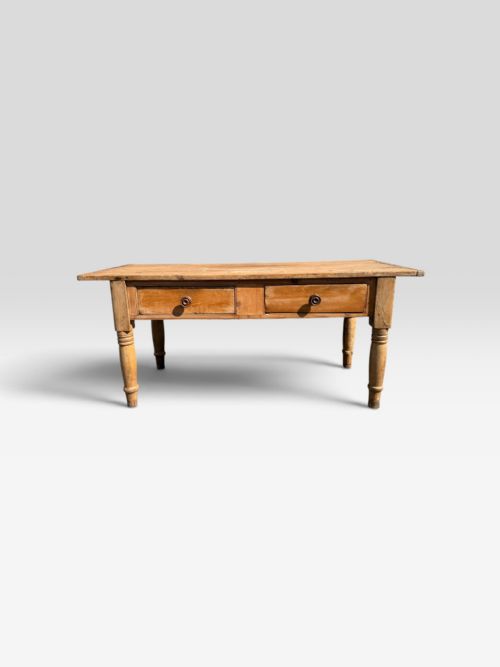
Wooden Side Table Drawer
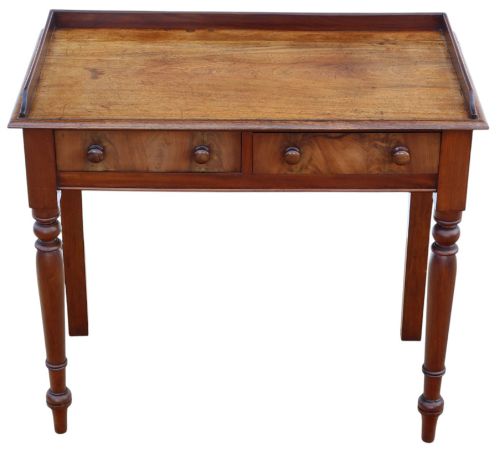
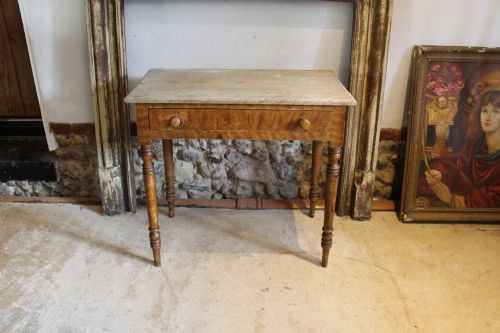
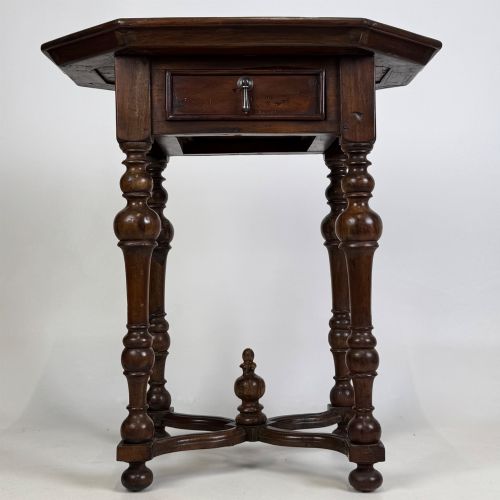
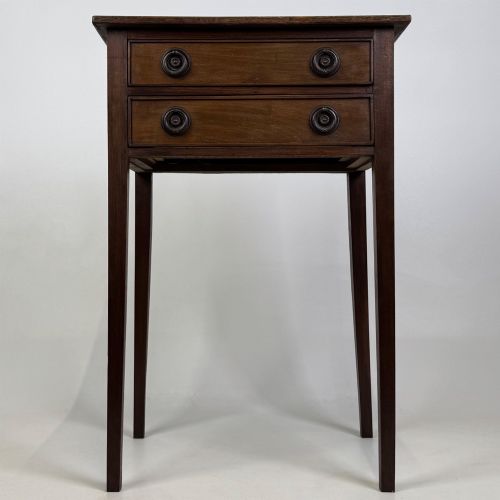
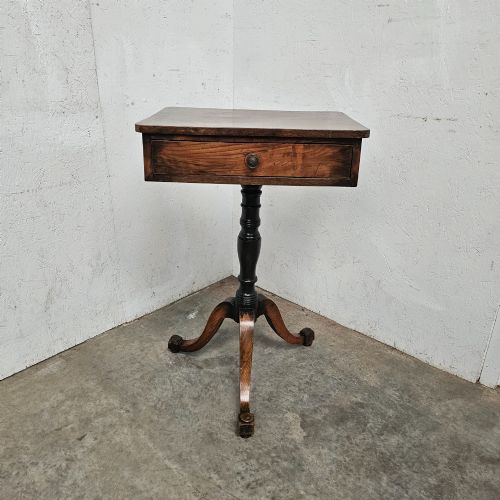
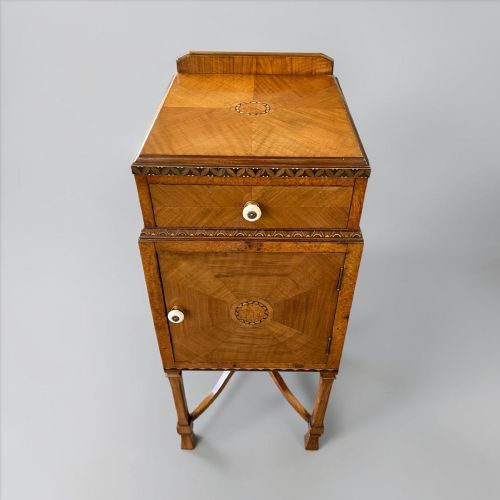
A wooden side table drawer brings period timber and practical storage into a room, spanning Georgian designs to Edwardian and Victorian pieces.
Wooden Side Table Drawer
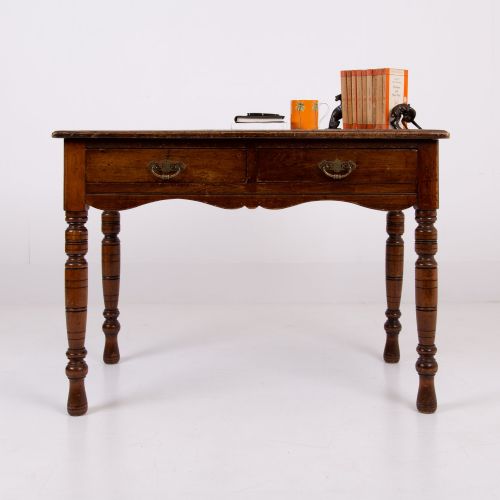
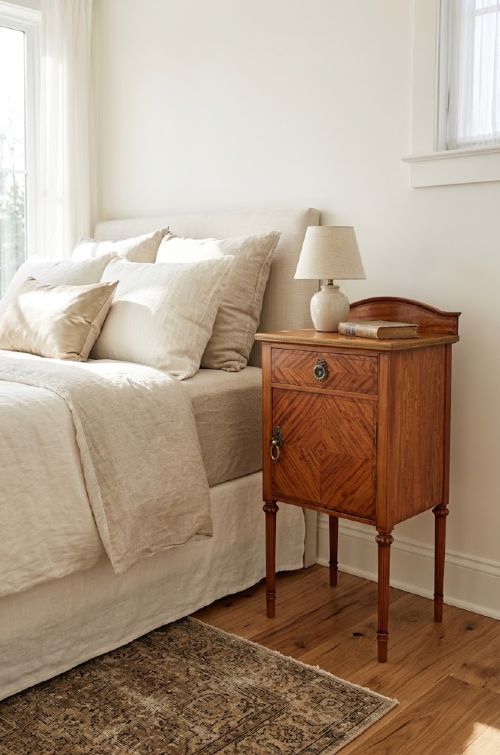
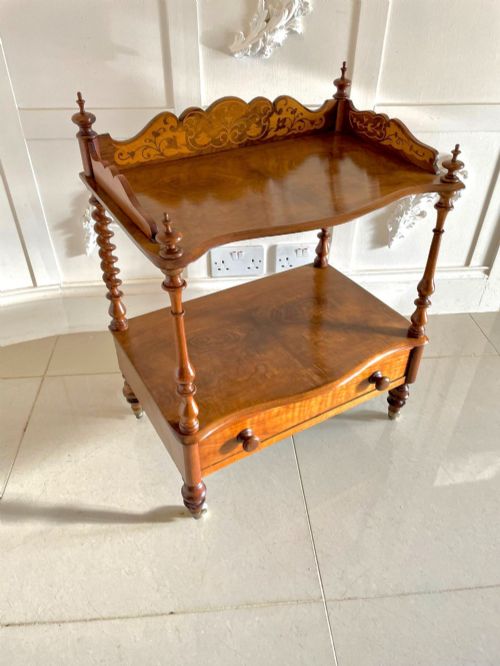
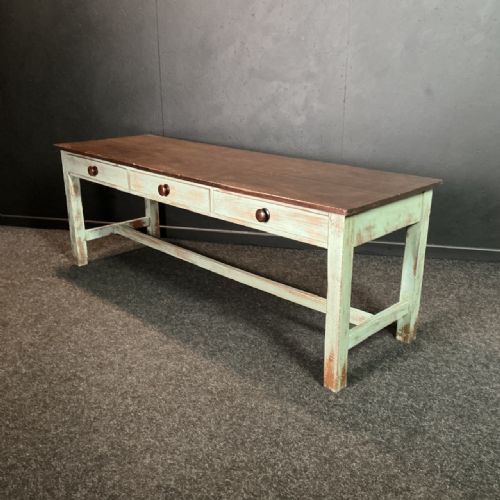
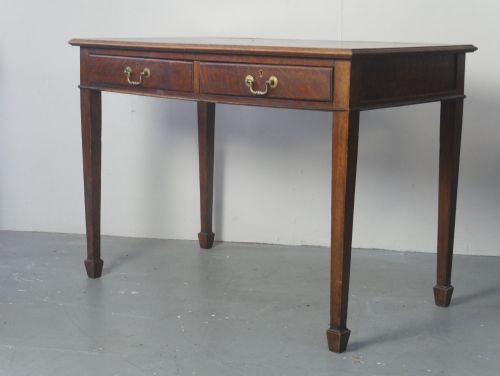
When you search for a wooden side table drawer, you encounter a variety of forms including side tables, bedside tables, writing tables, and servers designed for domestic use. The selection spans the Georgian period through the Victorian and Edwardian eras, reflecting changing domestic requirements across the nineteenth and early twentieth centuries.
You are most likely to meet mahogany, oak, and walnut examples on this page, alongside pitch pine, satinwood, and elm. These pieces appear in distinct regional and period styles, ranging from English country and Victorian country to Regency and French provincial forms.
The integration of a drawer marks these tables as functional items intended for daily utility, whether placed beside a bed, in a hallway, or utilised for writing and serving. Their forms vary from small occasional tables to larger dining and writing desks.
How they were made
Cabinet makers utilised solid timbers and selected veneers such as burr walnut, flame mahogany, and satinwood over secondary woods, applying brass hardware for handles and key escutcheons. Construction methods rely on traditional joinery to accommodate drawers and drop-leaves within tables, desks, and cabinets.
Surfaces receive different finishes, from scumble paint and French polish to plain waxed treatments on oak, elm, and pine. Ormolu mounts appear on specific continental pieces, while marquetry and inlay work decorate select walnut and mahogany surfaces.
Listings feature 19th Century, Victorian, Edwardian, Georgian, 1860, 1910, 1920, and 1930 pieces constructed from mahogany, oak, walnut, pine, and brass.
What varies in quality
The standard of a wooden side table drawer depends on the selection of timber, such as figured mahogany or burr walnut, and the precision of the drawer construction. Better examples display carefully matched grain patterns across the drawer fronts and top surfaces.
Execution of detail, from turned or tapered legs to brass fittings and secondary wood selection, separates standard utility items from finer workshop productions.
The Wooden Side Table Drawer Glossary
- Pembroke table
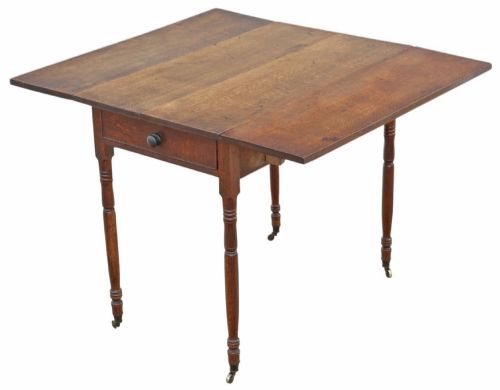
- A table with hinged flaps on either side that can be raised to increase surface area. These often include a single drawer.
- Drop-leaf
- A table top configuration featuring hinged leaves that lower when not in use. This design allows the furniture to occupy less space.
- Satinwood
- A durable, hard timber with a natural golden sheen utilised for fine cabinet making and decorative veneers. It appears frequently in Edwardian pieces.
- Burr walnut
- Timber taken from a walnut tree growth displaying intricate swirling grain patterns. Cabinet makers prized this material for decorative drawer fronts and table tops.
- Ormolu
- Gilt bronze mounts applied to furniture for decorative effect. This technique characterises French provincial and continental pieces.
Wooden Side Table Drawer: Frequently Asked Questions
What is a wooden side table drawer used for?
These tables provide a surface for lamps, books, or writing materials alongside enclosed storage within the drawer itself. They function in bedrooms, hallways, and living spaces as versatile pieces of furniture.
Their compact footprints allow them to fit into smaller domestic areas while offering practical utility for everyday organisation.
How do I identify a Georgian side table?
Georgian tables typically feature classical proportions, straight or cabriole legs, and timbers such as mahogany, oak, and walnut. Their construction emphasises structural balance and restrained ornamentation.
Drawer construction often reveals hand-cut dovetails and solid secondary woods characteristic of eighteenth and early nineteenth-century workshop practices.
What distinguishes Victorian pine from mahogany?
Victorian pine pieces, including pitch pine, display a pronounced grain and often served utilitarian roles in farmhouses, washstands, or sculleries. They carry a robust, functional character.
Mahogany tables generally belong to formal reception rooms or bedrooms, exhibiting deeper colouration, finer grain, and more sophisticated decorative treatments.
How do I care for antique wood surfaces?
Maintain timber surfaces by dusting with a dry cloth and occasionally applying traditional beeswax to nourish the polish. Avoid placing furniture in direct sunlight or near heat sources to prevent timber splitting.
Keeping consistent room humidity preserves both solid woods and delicate veneers across older tables and cabinets.