
Georgian Side Table Drawer
A georgian side table drawer is a versatile domestic piece, and mahogany or oak examples offer practical storage with restrained period elegance.
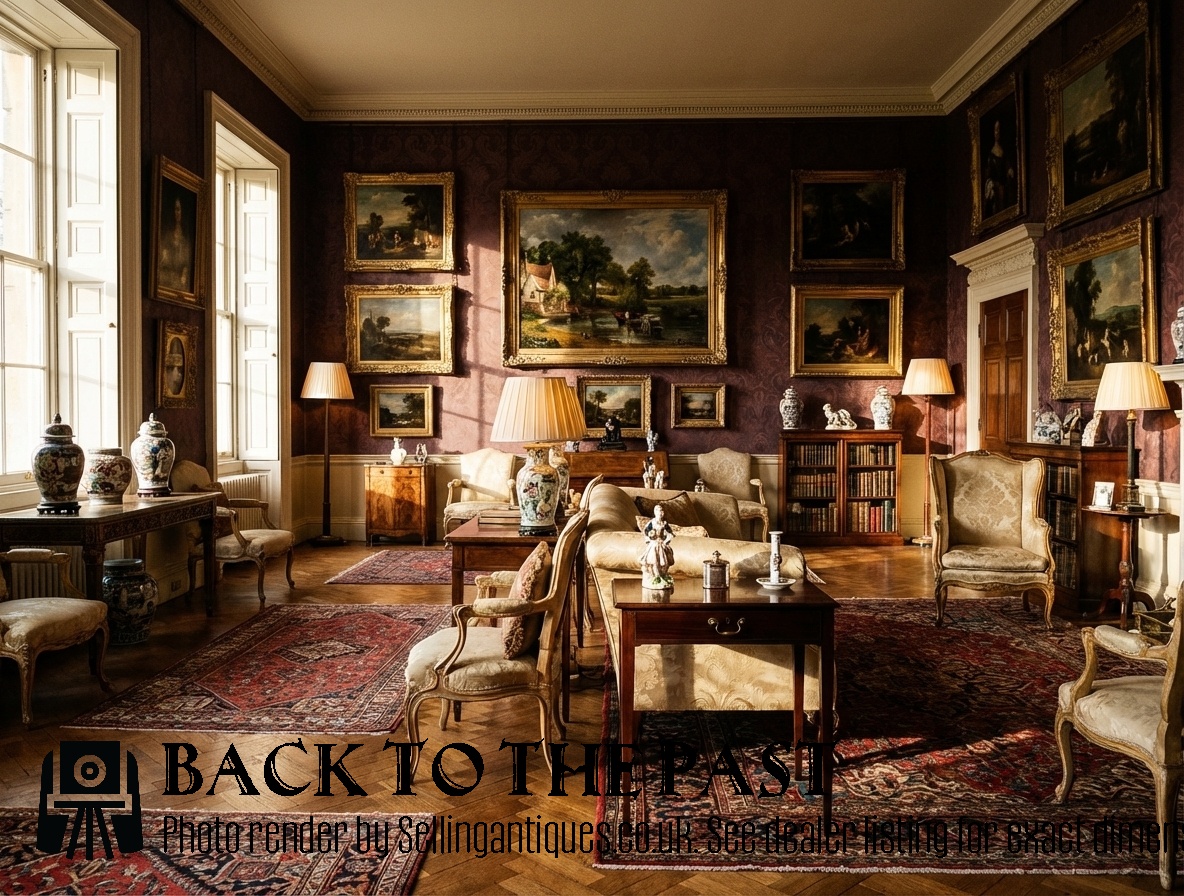
Forms and Origins
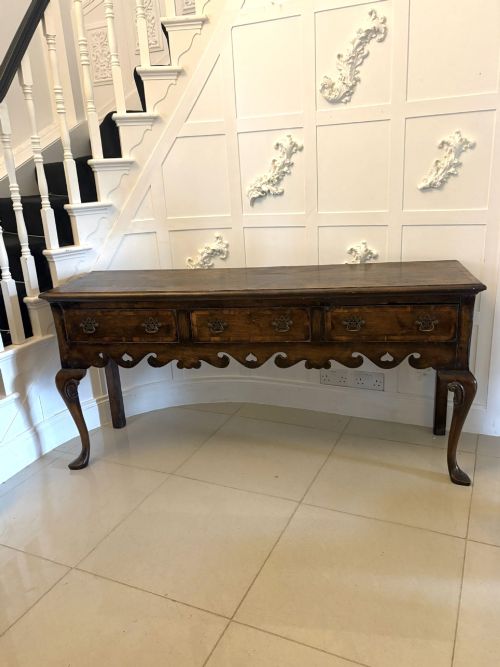
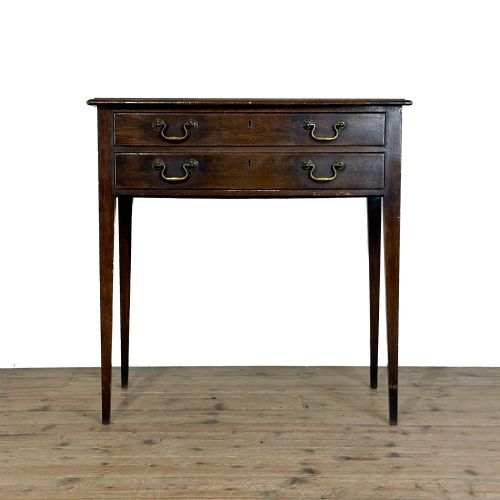
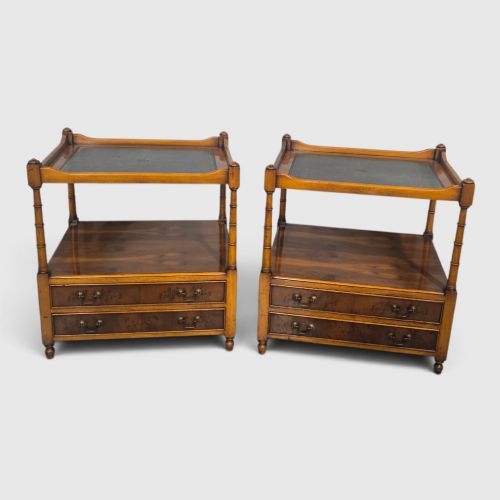
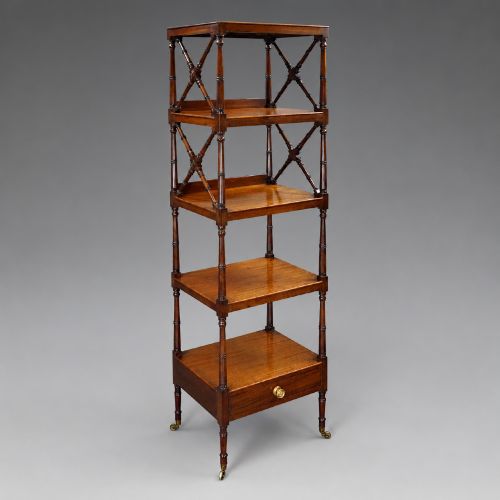
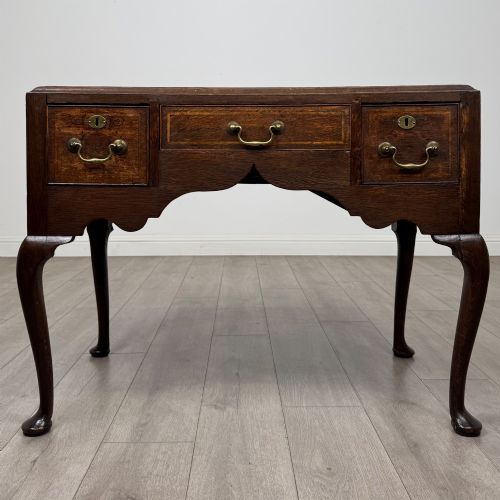
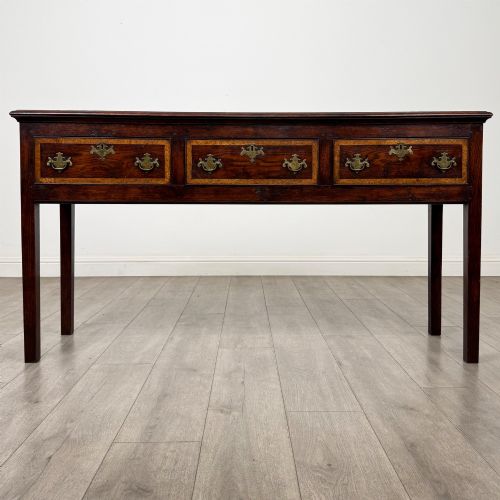
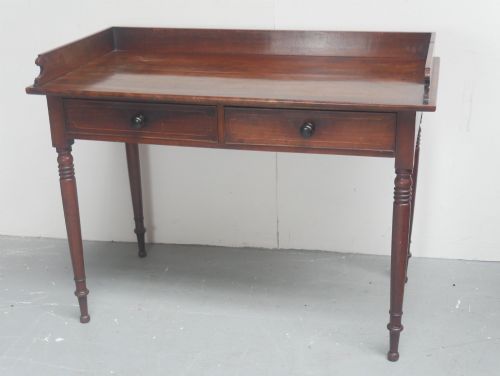
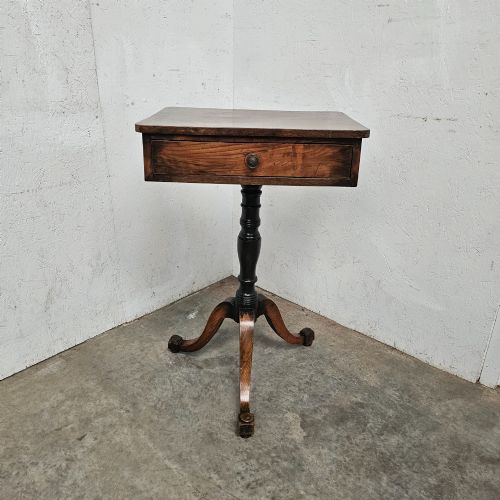
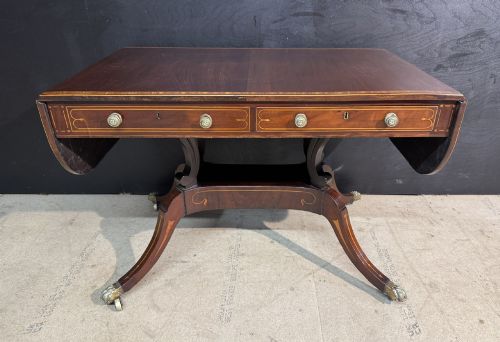
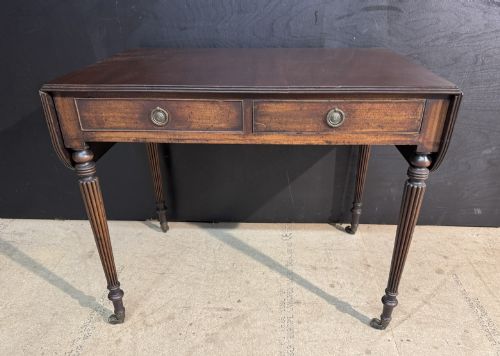
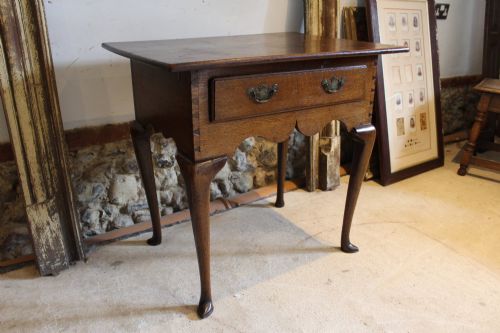
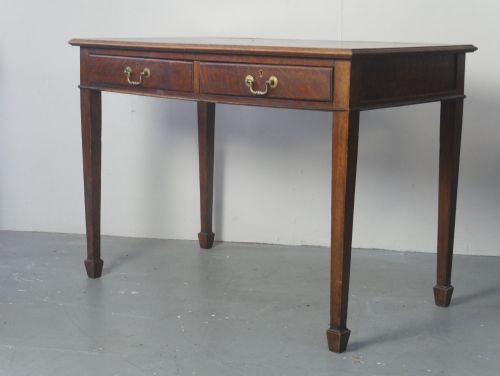
A georgian side table drawer brings compact utility to hallways, bedrooms and sitting rooms, appearing in various formats from single-drawer designs to larger multi-drawer lowboys. Mahogany, oak and walnut versions span the eighteenth and nineteenth centuries, reflecting both refined urban cabinet-making and provincial country craftsmanship.
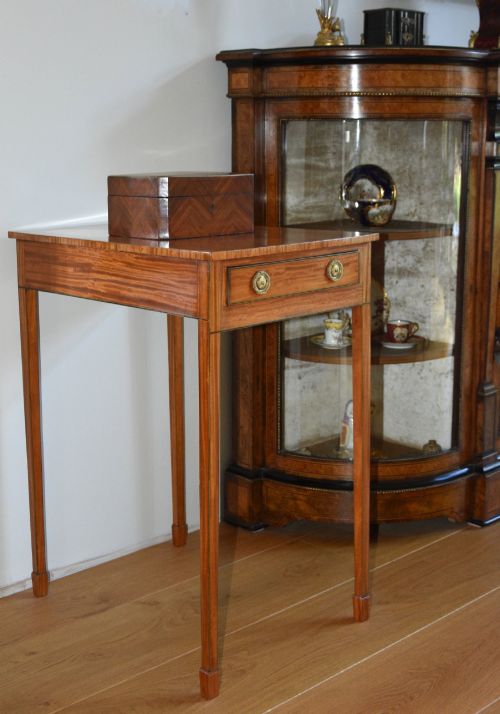
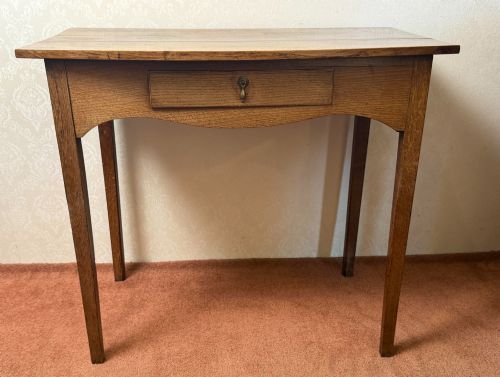
The single-drawer mahogany side table or bedside table represents the most common configuration on this page. These pieces frequently feature straightforward rectangular tops or occasional serpentine fronts designed to sit flush against a wall.
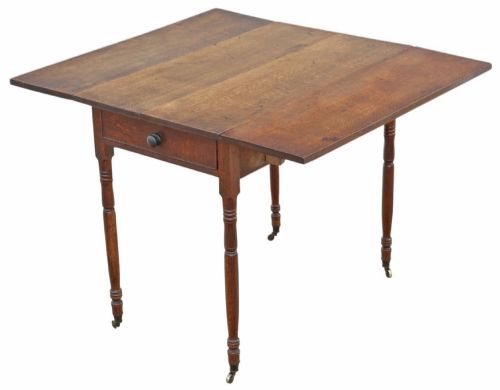
Early eighteenth-century examples lean towards sturdy oak and fruitwood construction, sometimes incorporating stretchers and wood-turned legs. Later nineteenth-century interpretations continue the tradition with simplified lamp tables and inlaid Regency styling.
Materials and Construction
Cabinet-makers relied on dense native and imported timbers, primarily mahogany, oak, walnut and fruitwood, selected for structural stability and rich grain patterns. Secondary woods such as ash appear in provincial framing.
Drawer construction typically employs traditional hand-cut dovetails, fitted into friezes beneath plain or moulded tops. Turnery, including bobbin legs and stretchers, supports many of the earlier country tables.
Retail Price Guide 2026
Typical UK retail prices for georgian side table drawer, calculated from the Sellingantiques database of over a million retail prices indexed since 2003. This retail price guide relies exclusively on Sellingantiques data; no external sources or auction records are used, so the figures do not describe the wider market.
Listings feature woods including mahogany, oak, walnut and fruitwood across the eighteenth and nineteenth centuries.
Assessing the Pieces
The refinement of the timber selection and the crispness of the drawer joinery distinguish standard utilitarian tables from more ambitious examples. Figured mahogany or figured walnut veneers elevate the surface appearance significantly.
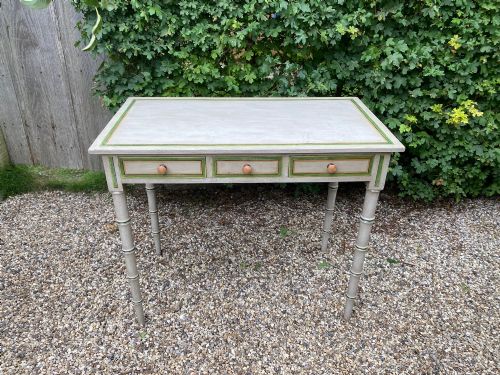
Proportion and the retention of original brass drawer pulls or handles play a major role in the visual integrity of a table. Alterations, such as later painted decorative patterns or surface changes, alter the original character.
The Georgian Side Table Drawer Glossary
- Lowboy
- A small table with one or more drawers, commonly used as a dressing or writing table during the eighteenth century.
- Frieze drawer
- A drawer fitted directly beneath the top framework or apron of a table.
- Stretcher
- A horizontal wooden brace connecting the legs of a table for added rigidity.
- Serpentine
- A gently undulating curved line forming the front edge of a table top or drawer.
Frequently Asked Questions
What was a georgian side table drawer used for?
These tables served multiple domestic functions, operating as writing surfaces, bedside storage or hall consoles for letters and small items.
The single or multiple drawers kept everyday paraphernalia out of sight while the top held lamps, candles or decorative objects.
How do I tell oak from mahogany pieces?
Oak exhibits a pronounced, open grain with visible medullary rays, typical of earlier provincial and country pieces from the early eighteenth century.
Mahogany presents a smoother, reddish-brown surface with finer grain variations, favoured for more formal urban furniture as the century progressed.
Where should I place a side table in my home?
Their shallow depth makes them well-suited for narrow hallways, landings or compact spaces beside a bed or sofa.
They provide a convenient surface for a lamp or small display without cluttering the floor plan.
How do I recognise a lowboy?
A lowboy is a distinct form of small table featuring one, two or three drawers set beneath a low-stretching work surface.
They often stand on elegant cabriole or straightforward turned legs.