

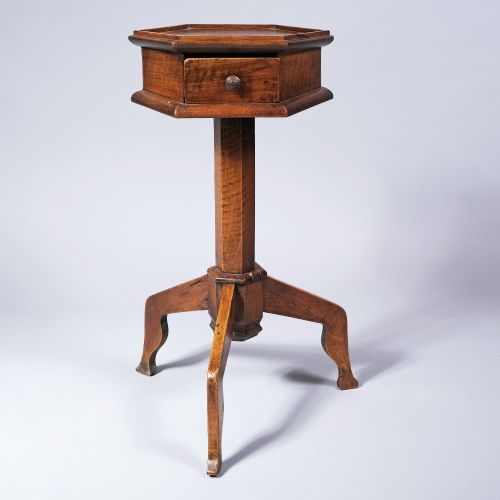
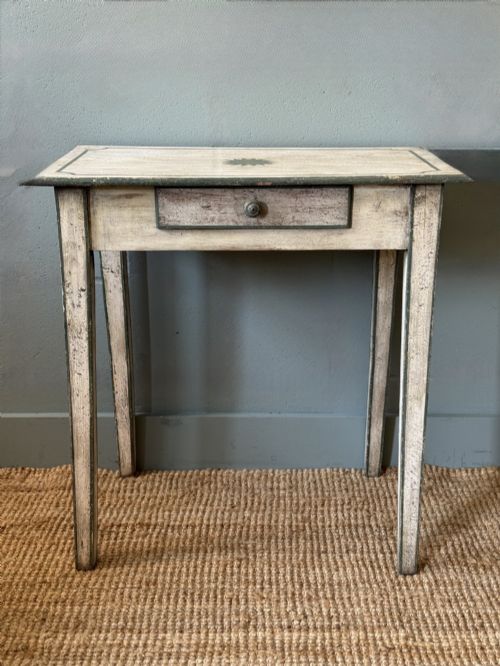
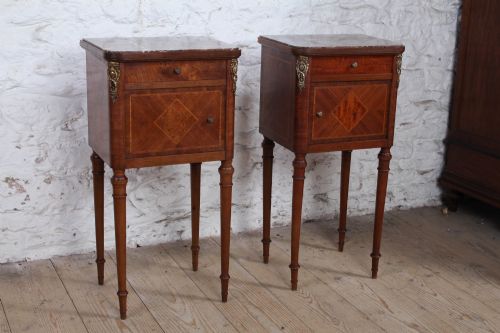
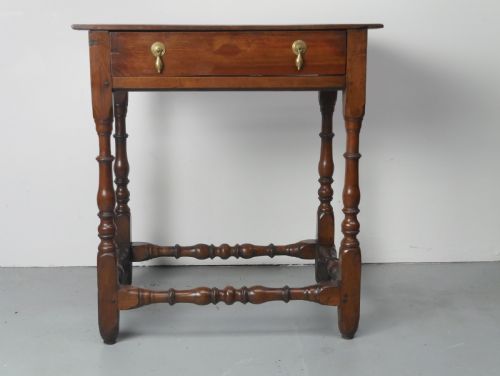
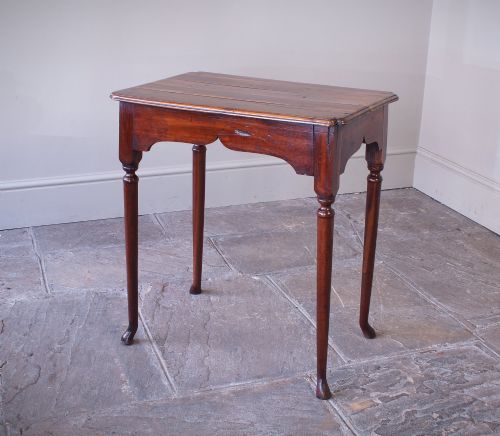


Fruitwood Side Table
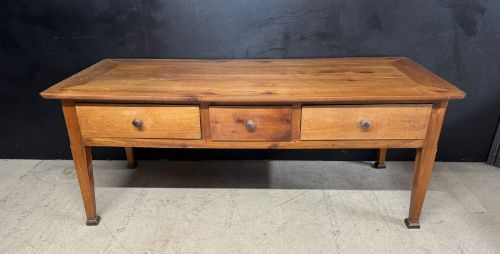
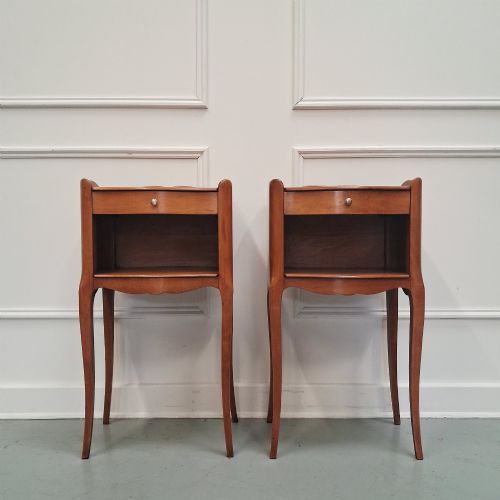
A fruitwood side table offers a warm, domestic timber character shaped by centuries of English and continental country cabinet-making.
Fruitwood Side Table
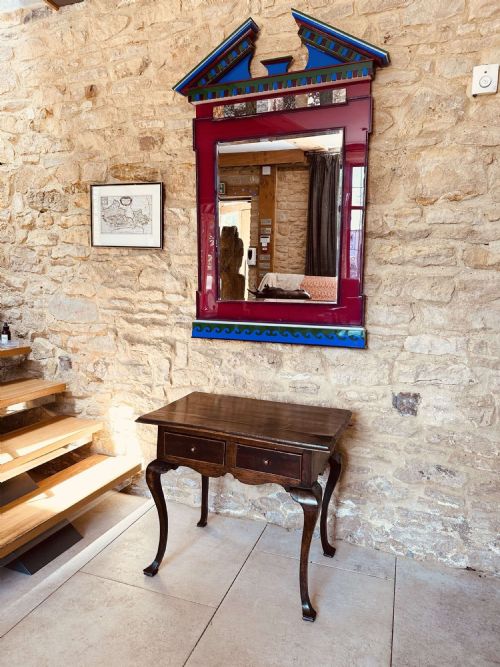
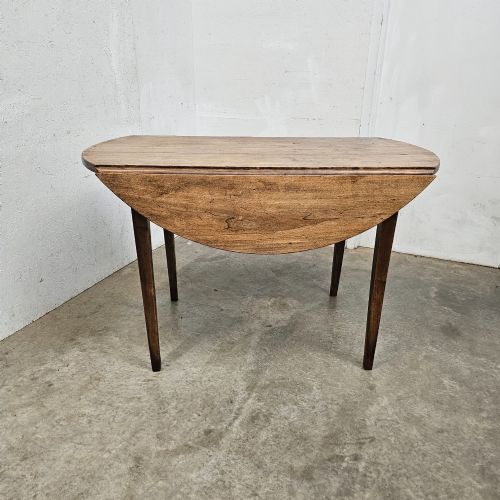
A fruitwood side table spans utilitarian country pieces and formal Georgian lowboys, drawing on centuries of domestic and provincial workshop traditions.
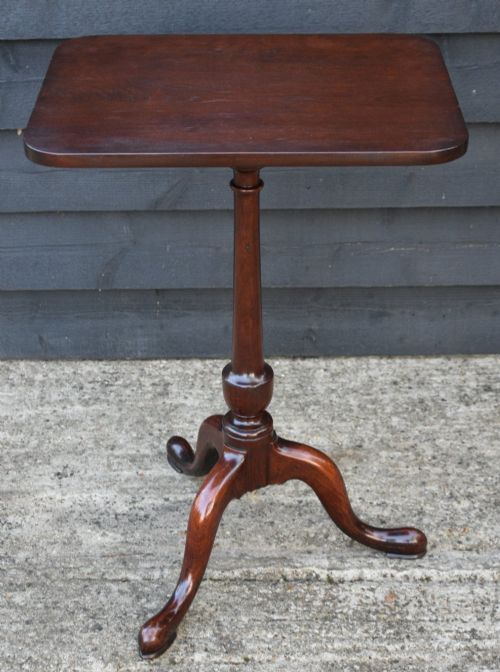
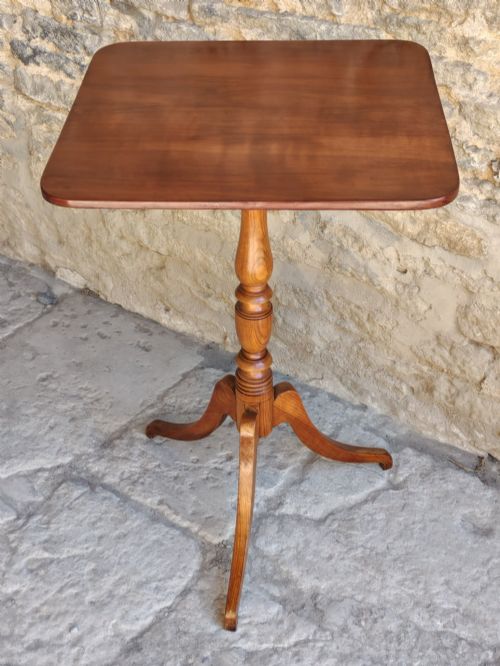
You will frequently meet examples from the eighteenth and nineteenth centuries, including tilt-top wine tables, drop-leaf tables, and occasional stands.
Origin points range across English vernacular designs, French provincial farmhouses, and Spanish or Italian workshops.
Materials and Construction
Cabinet-makers relied on native timbers like cherry, apple, pear, and elm, often pairing fruitwood tops with oak or walnut structural elements.
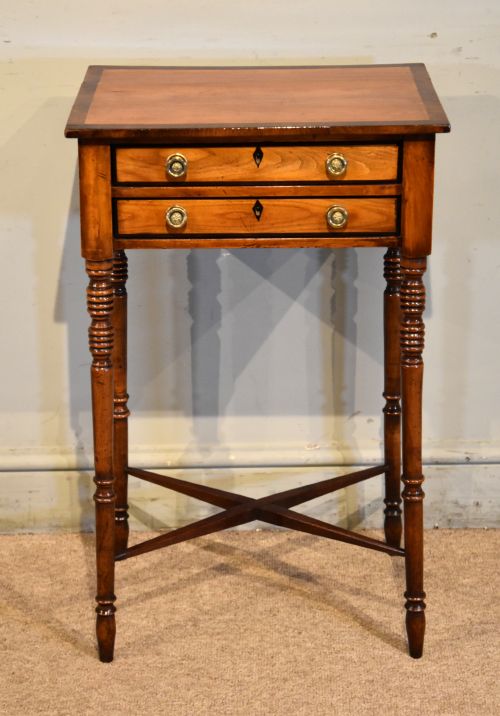
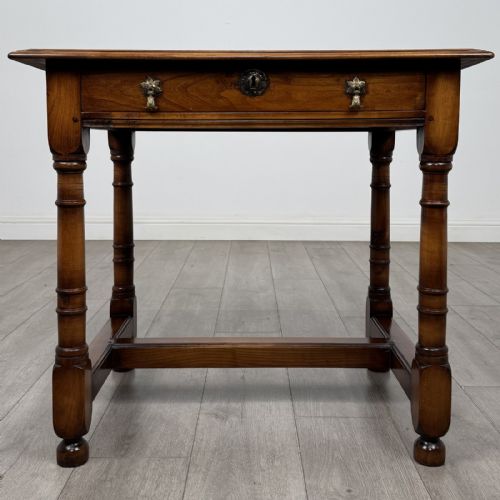
Turned legs, stretchers, and pegged joints provide the underlying stability for these domestic tables, occasionally complemented by brass hardware or marquetry inlay.
Fruitwood Side Table Retail Price Guide 2026
Typical asking prices for fruitwood side table among the pieces listed under this phrase on Sellingantiques today, from the lower quarter to the upper quarter. They describe what is for sale here now, not the wider market.
Several tables retain traces of early paint or tilt-top mechanisms designed to tuck neatly against parlour walls.
Assessing Craftsmanship
Quality rests in the selection of the timber grain, the crispness of the wood-turned legs, and the structural integrity of the joints.
Early country pieces display honest hand-tool marks and patination that separate thoughtful vernacular construction from later utility work.
The Fruitwood Side Table Glossary
- Fruitwood
- An umbrella term for timber yielded by fruit-bearing trees such as cherry, pear, apple, and plum. It yields a dense grain and warm tone that deepens with age.
- Lowboy
- A small table with one or more drawers, standing on relatively tall legs, typically dating from the eighteenth century. It served various domestic functions including writing and serving.
- Tilt-top
- A table mechanism featuring a catch that allows the top to pivot to a vertical position when not in use. This saved space in smaller rooms.
- Vernacular
- Furniture made by local craftsmen for everyday regional use rather than high urban commission. These pieces emphasise practical utility and local materials.
- Cabriole leg
- A furniture leg that curves out and then in, resembling an animal's leg. It often terminates in a pad or hoof foot on country pieces.
Fruitwood Side Table: Frequently Asked Questions
What rooms suit a fruitwood side table?
These tables adapt easily to living rooms, hallways, and bedrooms as lamp stands or writing surfaces. Their warm timber tones complement both traditional and modern interiors.
Because of their modest proportions, they fit well into awkward corners or small spaces where larger furniture overwhelms the room.
How do I care for fruitwood?
Protect the surface from direct heat and moisture by using coasters and mats. Regular dusting with a soft cloth maintains the natural lustre.
A light application of traditional wax periodically feeds the timber and preserves the patina built up over centuries.
How can I tell an 18th-century table from a later one?
Examine the construction methods, tool marks on the underside, and the wear patterns around the legs and edges. Hand-cut joints and timber shrinkage offer strong clues to age.
Early pieces usually exhibit a deeper, softer patination that modern replicas cannot easily duplicate.
Were fruitwood tables used for dining?
Smaller formats served specialised tasks like holding wine bottles, lamps, or serving small dishes rather than main meals. Lowboys and occasional tables functioned as versatile helpers around the home.
Their sturdy construction supported everyday tasks in farmhouse kitchens and drawing rooms alike.