
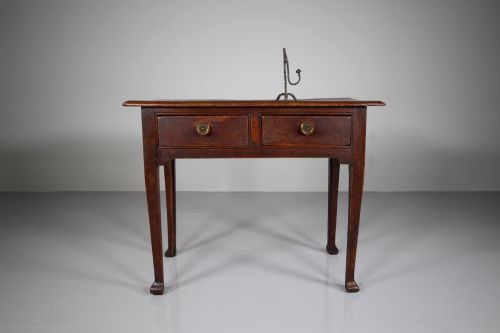
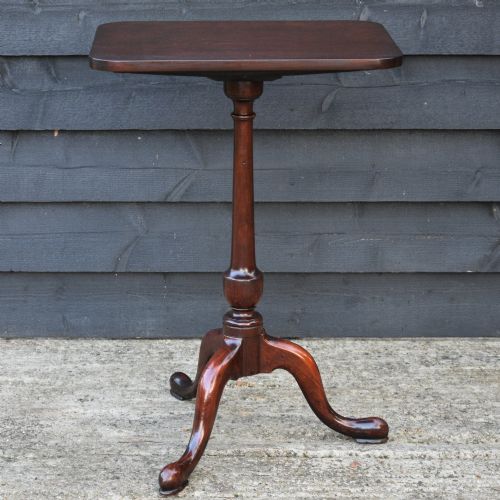
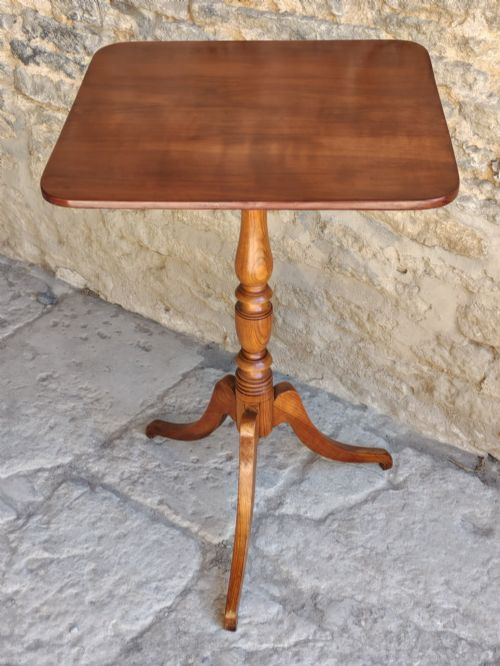

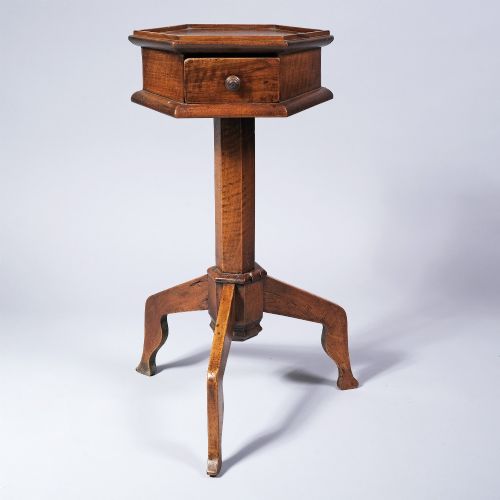




Georgian Fruitwood Side Table
A georgian fruitwood side table brings warmth and rich grain to a room, offering practical surface space with vernacular charm.
Georgian Fruitwood Side Table
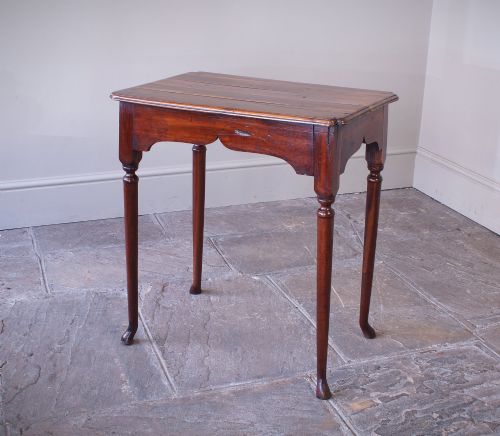
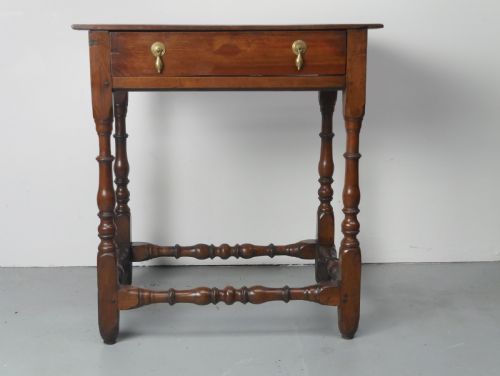
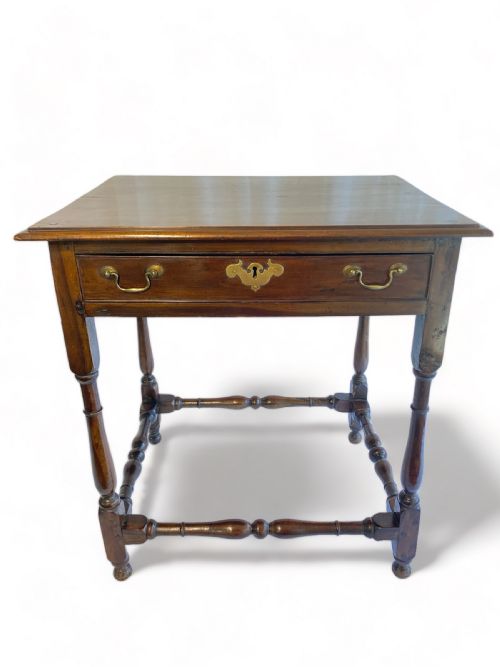
The aesthetic is distinctly British and provincial, anchored by the Georgian and Regency periods. Pieces often showcase wood-turned legs, stretchers, or carved cabriole legs that reflect regional cabinet-making traditions.
What varies in quality
Quality rests in the choice of timber and the crispness of the turning on the legs and stretchers. Superior examples display thoughtful grain matching and robust structural joinery that has survived centuries of daily use.
Proportion and regional character dictate desirability, with well-balanced tripod bases or lowboys holding distinct visual appeal. Secondary woods like oak and walnut add structural integrity to the finer builds.
Georgian Fruitwood Side Table Retail Price Guide 2026
Typical asking prices for georgian fruitwood side table among the pieces listed under this phrase on Sellingantiques today, from the lower quarter to the upper quarter. They describe what is for sale here now, not the wider market.
Many fruitwood tables carry subtle knife marks on their tops, recording centuries of anonymous domestic chopping and slicing.
The Georgian Fruitwood Side Table Glossary
- Fruitwood
- Timber sourced from fruit-bearing trees such as apple, pear, or cherry, known for a warm tone and fine grain. It was widely used by provincial cabinet-makers for country furniture.
- Lowboy
- A small table with one or more drawers, typically standing on four legs. These pieces functioned as dressing tables or side tables in Georgian homes.
- Tripod Table
- A small occasional table supported by a pillar on three legs. Many examples feature a tilting mechanism to save space when not in use.
- Vernacular
- Furniture designed for everyday domestic use rather than grand architectural display. These pieces reflect local traditions and available regional materials.
- Drop Leaf Table
- A table with hinged flaps on the sides that can be folded down. This design allowed surfaces to expand or contract according to space requirements.
Georgian Fruitwood Side Table: Frequently Asked Questions
What is a fruitwood side table?
A fruitwood side table is a small domestic table made from timbers such as cherry, pear, or apple. These pieces date predominantly from the Georgian and nineteenth-century periods.
They served various practical functions in domestic rooms, acting as surfaces for lamps, wine service, or general household storage.
How do I identify a Georgian fruitwood table?
Identification relies on examining the timber, construction methods, and overall proportions of the piece. Look for period joinery techniques, such as hand-cut tenons and traditional turning on the legs.
Provincial characteristics often include secondary woods like oak or elm used for internal framing and drawer linings.
Where were these tables used originally?
These tables were placed in parlours, hallways, and dining rooms of modest and substantial homes alike. Their compact scale allowed them to fit easily into corners or against walls.
Tilt-top versions allowed tables to be stored flat against a wall when extra floor space was required.