



Warm Brown Centre Table
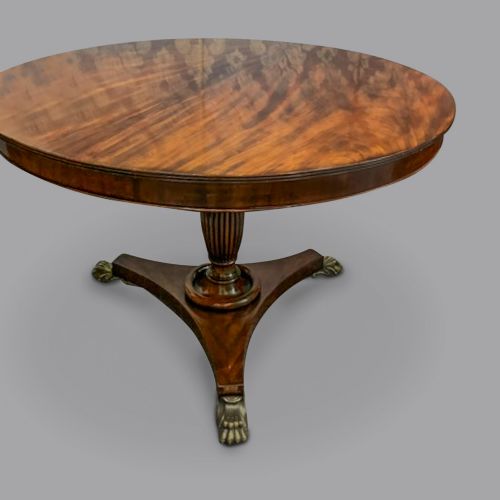
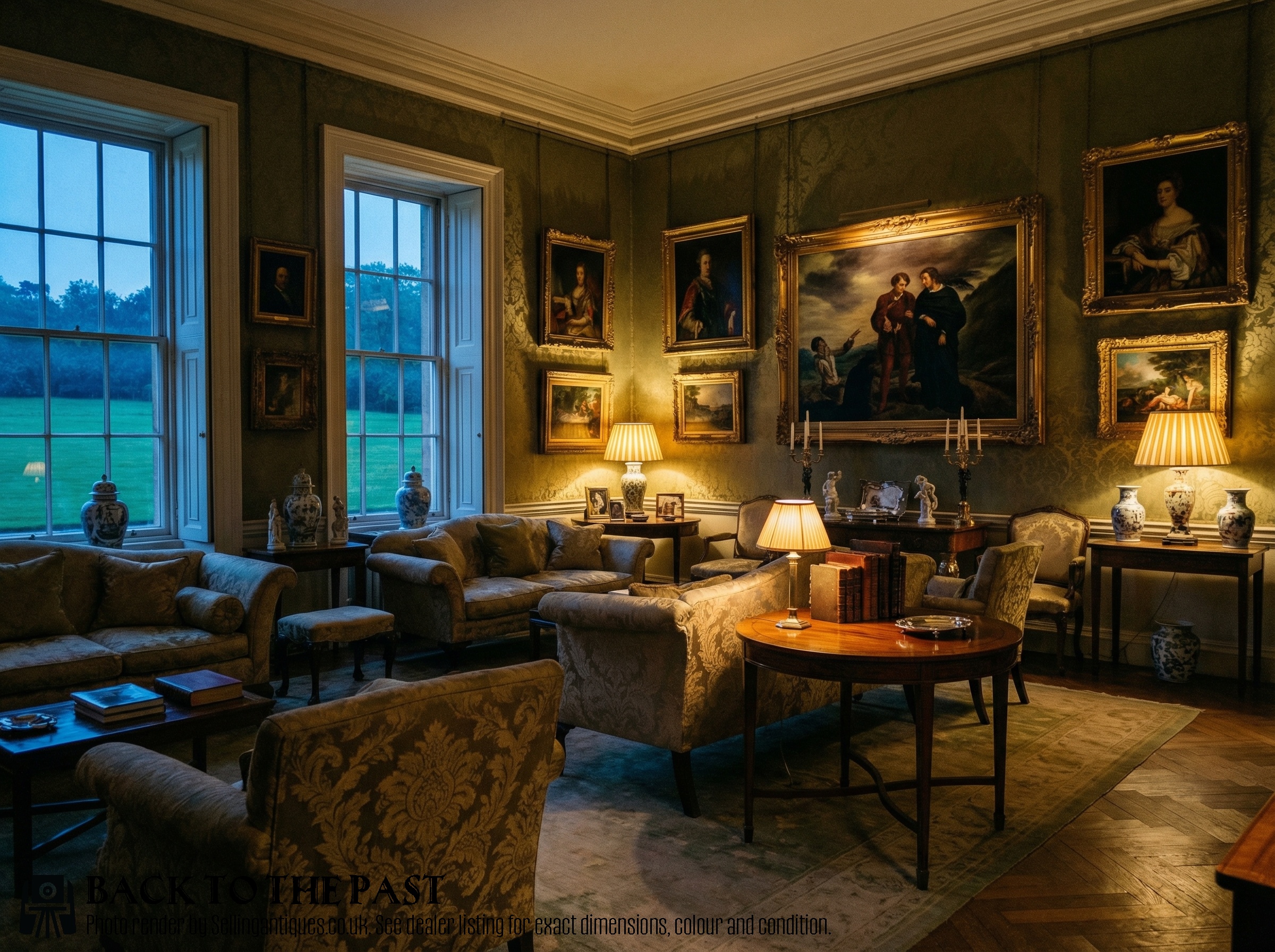
A warm brown centre table anchors a room with timber tones that span Georgian mahogany to Victorian walnut.
Warm Brown Centre Table
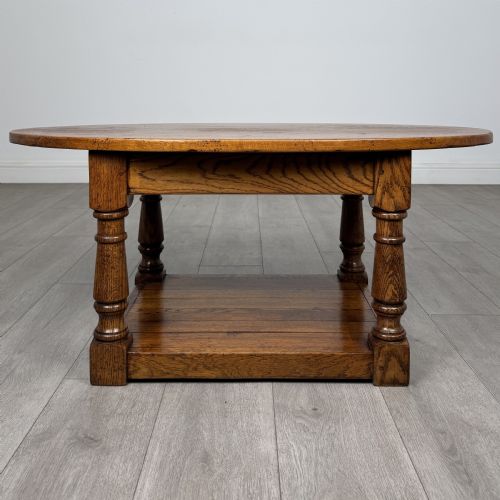
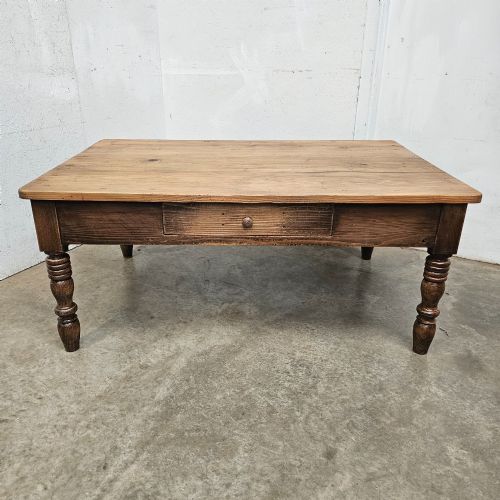
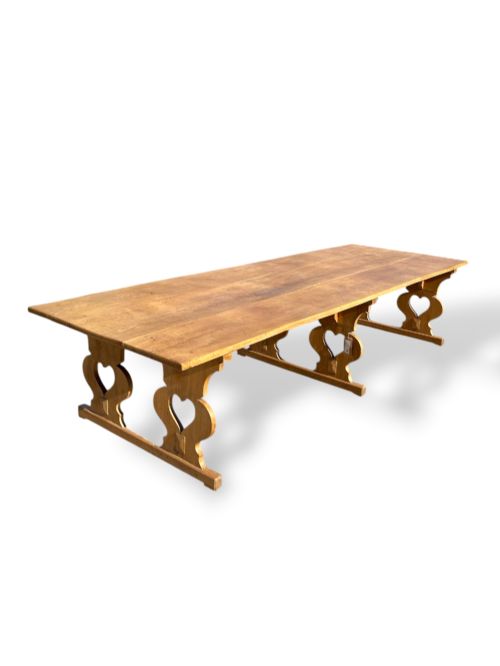
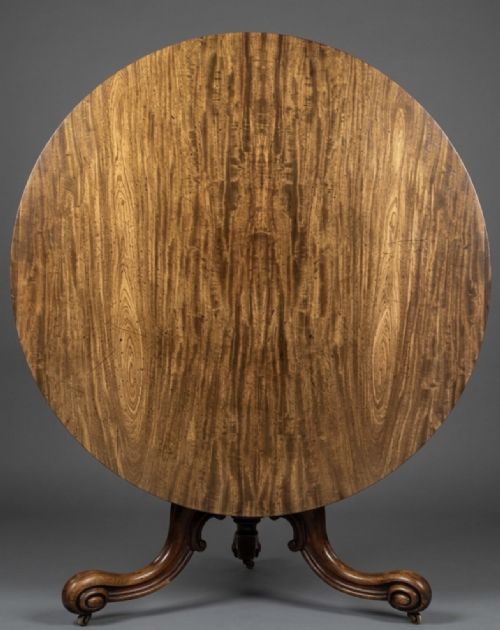
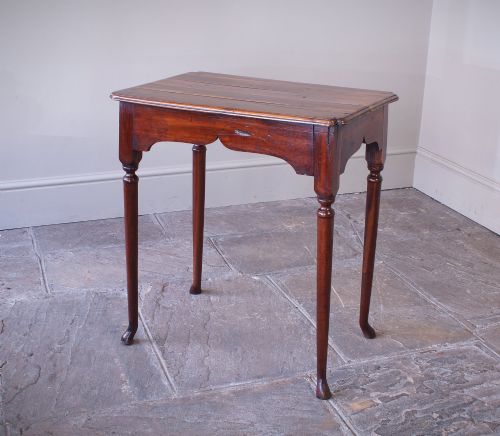
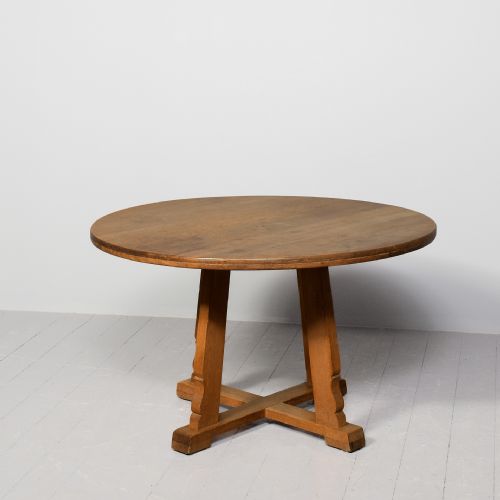
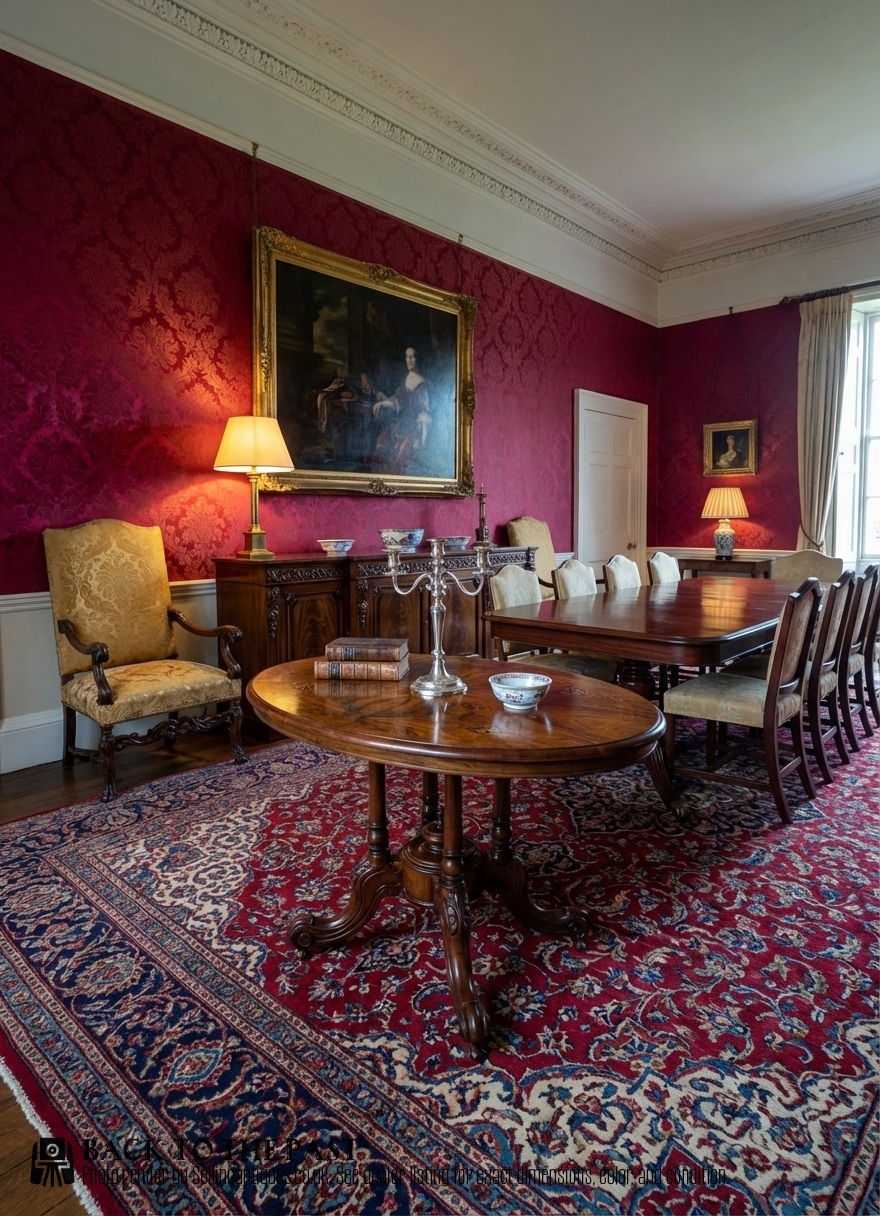
A warm brown centre table provides a functional surface designed to stand free in the middle of a room rather than against a wall. The pieces appearing under this search phrase encompass a diverse range of forms, including pedestal bases, drop-leaf designs, tilt-tops, and simple four-legged tables. You will encounter formats intended for dining, occasional use, or coffee, spanning centuries of British, French, Dutch, and Swedish cabinet-making.
The selection leans heavily toward nineteenth-century examples, alongside Georgian, Edwardian, and eighteenth-century pieces. Common timber choices dictate the palette, moving from dark mahogany and burr walnut to lighter oak, fruitwood, and pine. Whether circular, oval, octagonal, or rectangular, these tables serve as the focal point of a room through their timber surfaces and structural variety.
Materials and construction
Makers utilised solid timbers alongside veneered surfaces, pairing structural woods like oak and pine with decorative face veneers such as burr walnut, pollard oak, satinwood, and yew. Wood inlay, marquetry, and parquetry appear across various periods to create geometric or floral patterns on the tabletop. Brass fittings, turned legs, pedestal columns, and tripod bases provide the mechanical and structural support for these diverse forms.
Cabinet-makers employed traditional joinery techniques suited to the form, from tilt-top mechanisms and snap-top actions to pegged frames and pedestal fixings. Turned legs and pedestals often feature hand-carved details, while drop-leaf tables rely on hinged flaps supported by pivoting swing legs. The finish depends on the timber, allowing the natural grain of mahogany, walnut, fruitwood, and oak to show through.
Warm Brown Centre Table Retail Price Guide 2026
Typical asking prices for warm brown centre table among the pieces listed under this phrase on Sellingantiques today, from the lower quarter to the upper quarter. They describe what is for sale here now, not the wider market.
Assessing quality and craftsmanship
Quality rests in the selection of the timber and the precision of the cabinet-making, particularly in how veneers are matched and applied to the core structure. Finer pieces demonstrate careful attention to secondary timbers, stable pedestal joints, and crispness in turned or carved elements. The depth of colour and condition of the polished surface also separate standard workshop production from more ambitious commissions.
Proportion and structural integrity distinguish better examples from simpler utilitarian furniture. A well-balanced base, seamless operation of tilt-top or drop-leaf mechanisms, and intact inlay work indicate higher craftsmanship. The presence of secondary woods appropriate to the stated period further supports the integrity of the piece.
The Warm Brown Centre Table Glossary
- Centre table
- A freestanding table finished on all sides, designed to sit in the middle of a room. These pieces function as display surfaces or gathering points.
- Burr walnut
- A prized timber harvested from the warted growths of walnut trees. It yields complex, swirling grain patterns highly valued by cabinet-makers.
- Tilt-top
- A tabletop hinged to its pedestal base so it can be tilted vertically when not in use. This mechanism allowed tables to be stored against walls in smaller rooms.
- Marquetry
- The art of applying pieces of veneer to a structural panel to form decorative patterns. Craftsmen utilised various coloured woods to create pictorial designs.
- Parquetry
- A geometric mosaic of wood pieces used for surface decoration on tabletops. It differs from marquetry by relying on repeating angular shapes rather than pictorial motifs.
- Pedestal table
- A table supported by a central column standing on feet or a platform base. This design removes corner legs to maximise seating or standing space around the perimeter.
Warm Brown Centre Table: Frequently Asked Questions
What is a centre table used for?
A centre table stands in the middle of a room to hold lamps, books, or decorative objects. Historic examples also served for dining, sewing, or tea service.
Because these tables are finished on all sides, they allow movement around the perimeter. They break up large floor plans by creating a functional focal point.
How do I identify a Georgian centre table?
Georgian centre tables typically feature dense mahogany, oak, or fruitwood with restrained carving and classical proportions. Cabinet-makers of this era focused on timber quality and stable joinery.
Details such as tripod bases, pedestal columns, or straight turned legs point toward eighteenth and early nineteenth-century construction methods.
Are these tables suitable for daily use?
Most antique tables tolerate normal daily use if protected from excessive moisture and heat. Using coasters and placemats preserves the polished wood surface.
Maintenance involves regular dusting and occasional wax polishing to nourish the historic timber. Avoid placing them in direct sunlight to prevent fading.