


Victorian Marquetry Centre Table
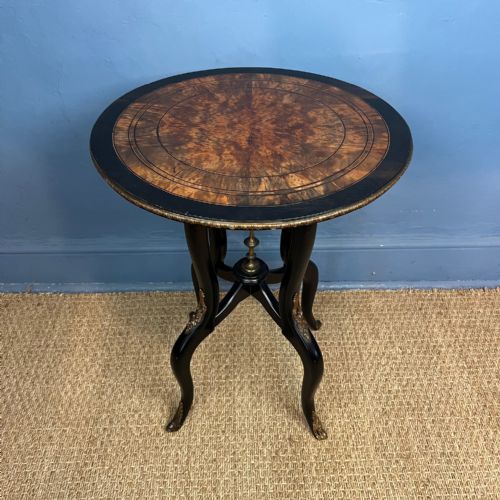
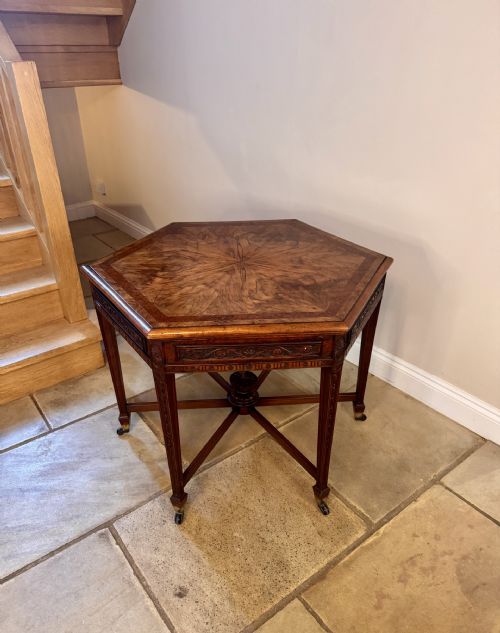
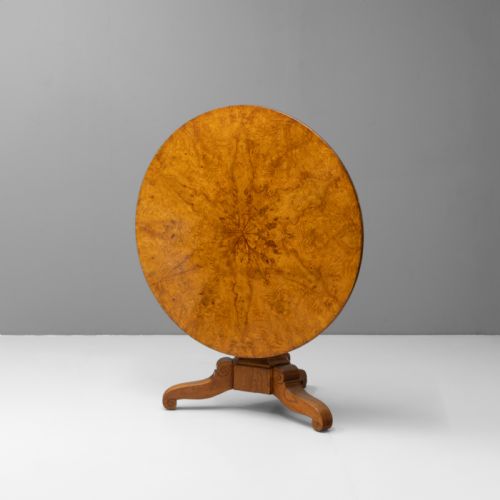
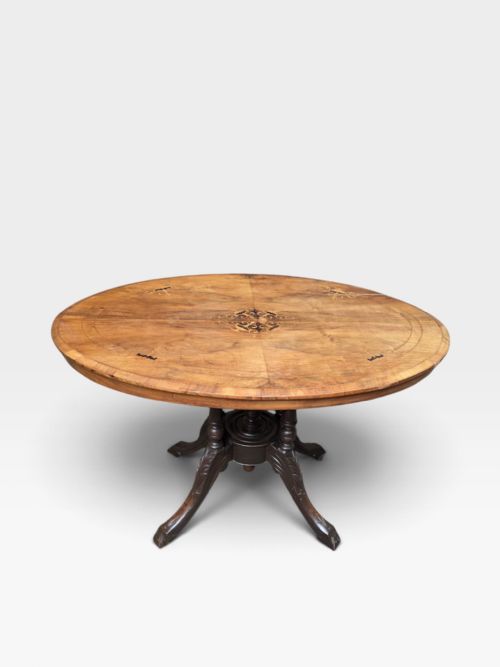
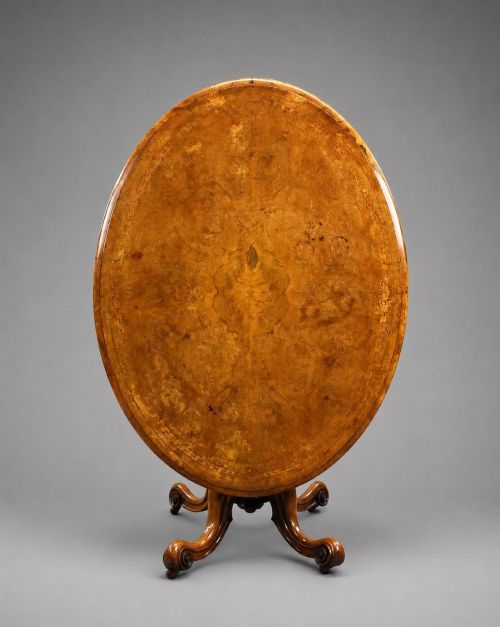
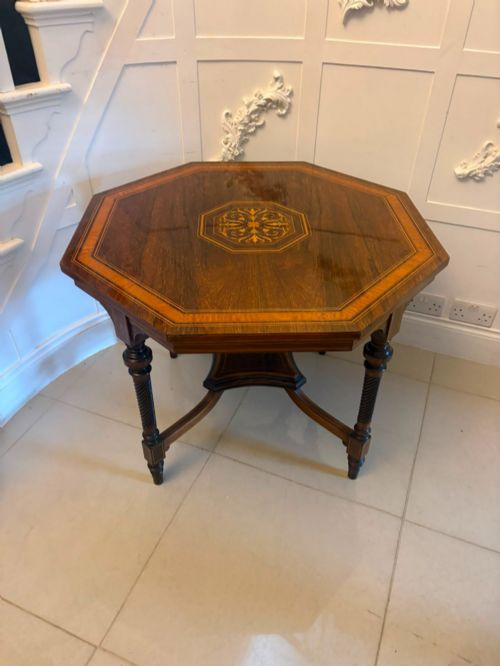
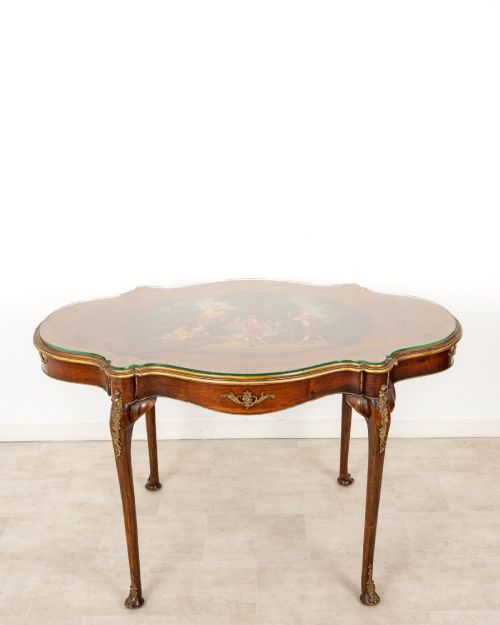
A victorian marquetry centre table anchors a grand room with intricate wood inlay and rich walnut timbers.
Victorian Marquetry Centre Table
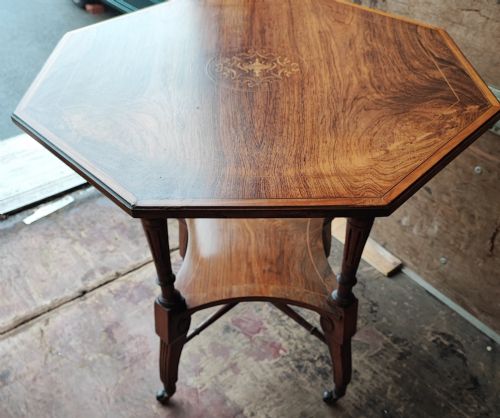
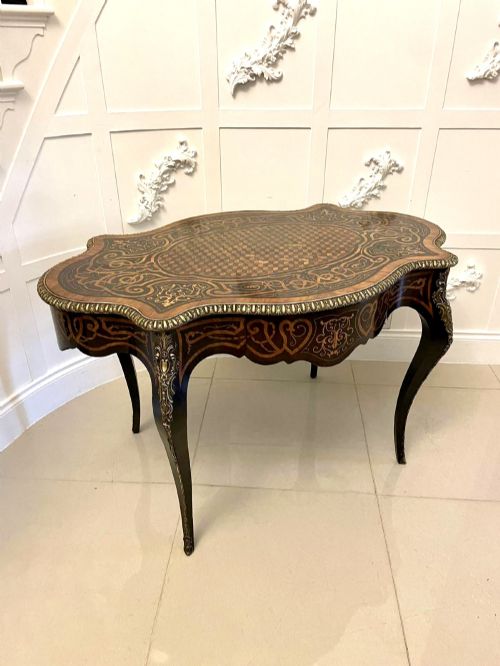
A victorian marquetry centre table stands as a freestanding piece designed to occupy the middle of a room rather than sit against a wall. These tables emerge from the nineteenth century, with examples carrying dates from eighteen fifty to eighteen eighty.
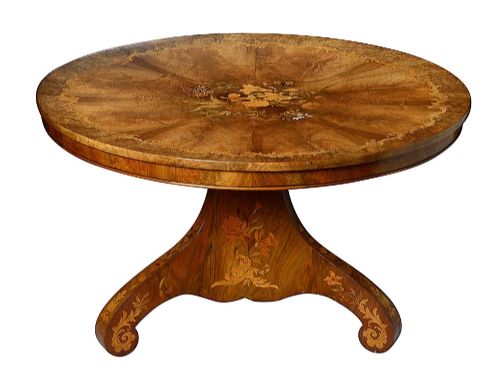
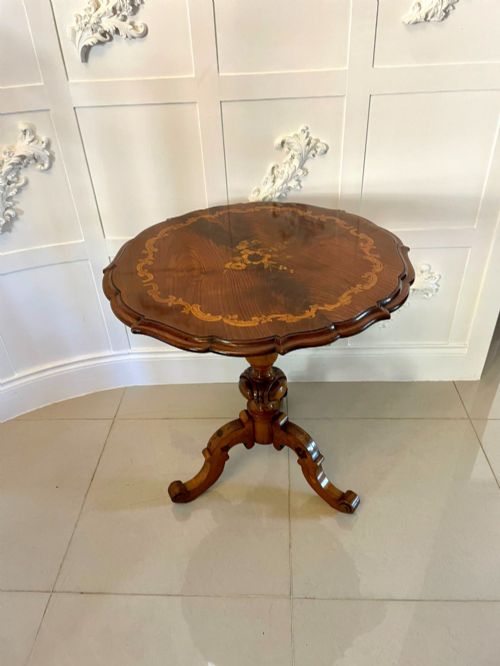
The most common form on this page uses burr walnut as the primary timber, shaped in circular, oval, or serpentine outlines. Many incorporate tilt tops or function as occasional, library, and breakfast tables.
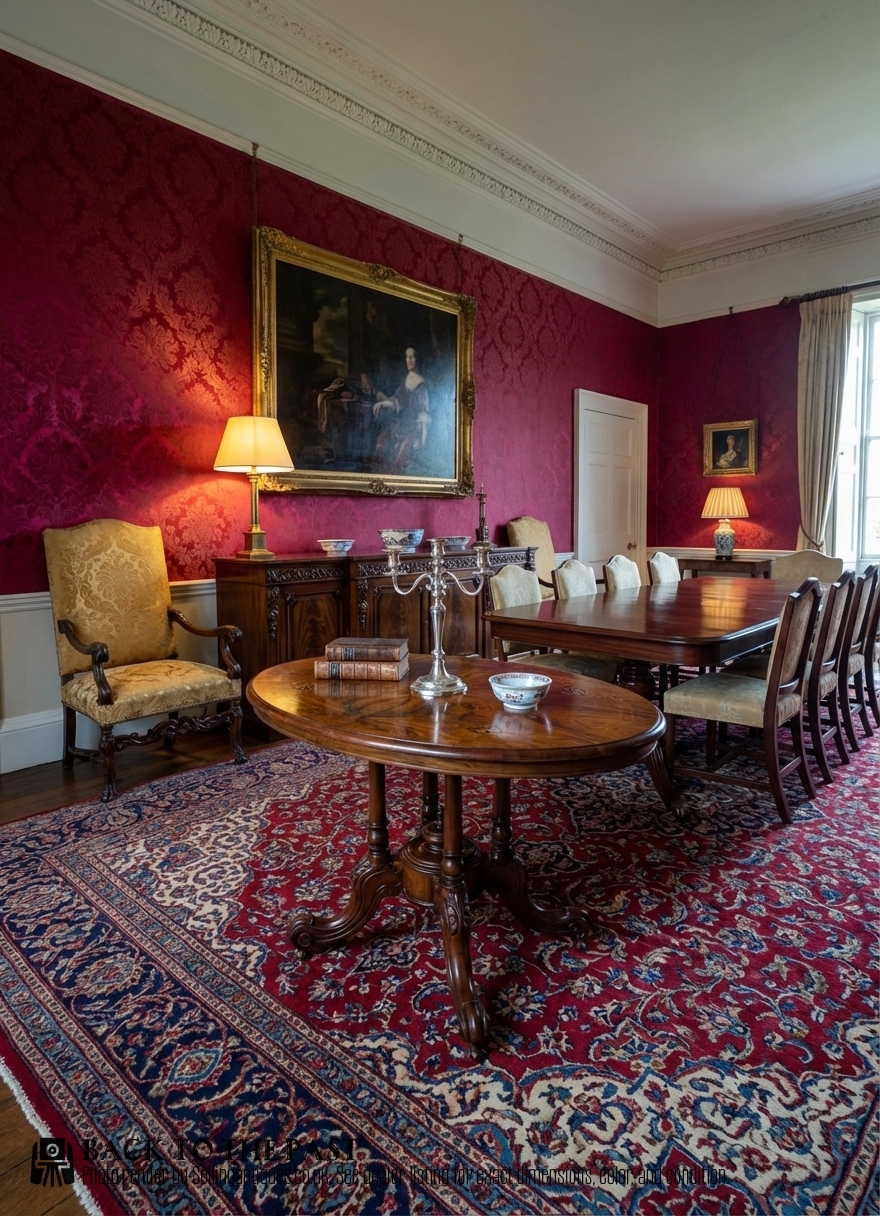
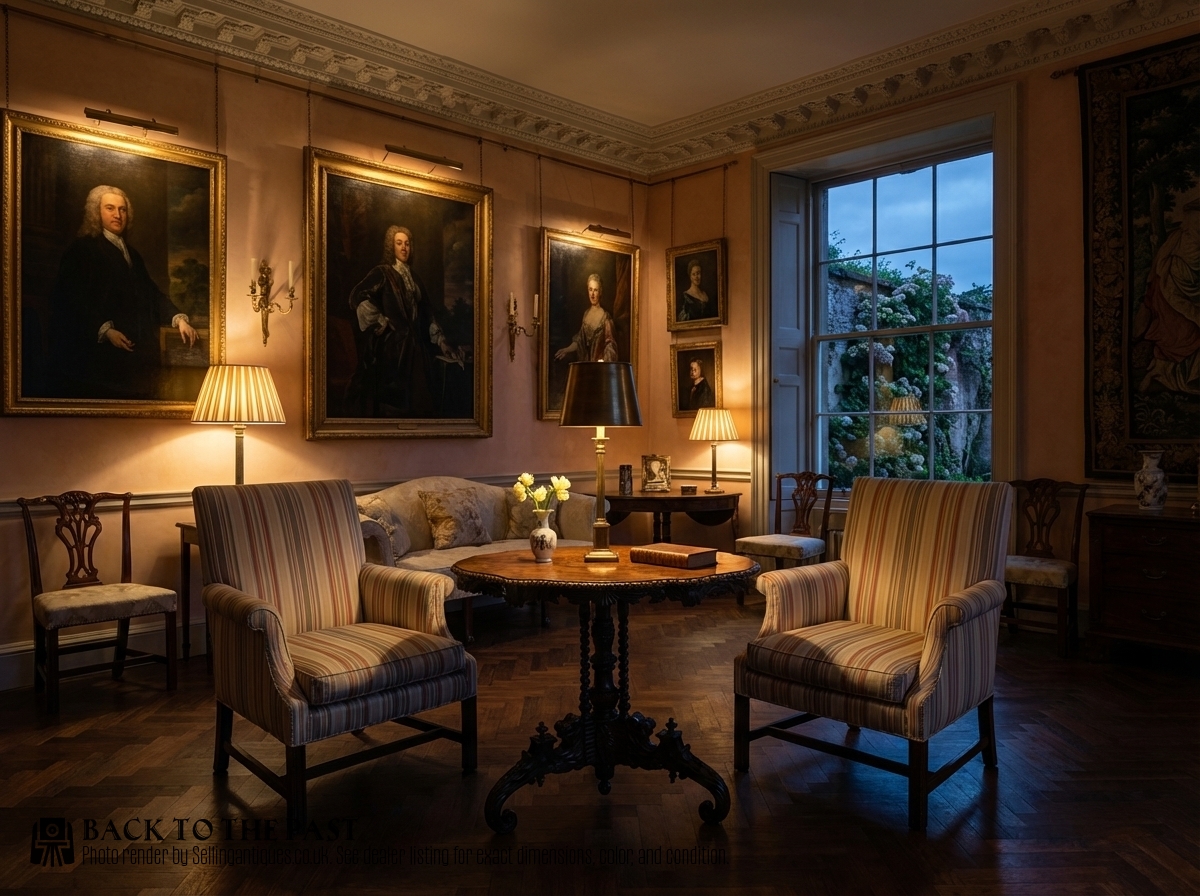
Makers construct these pieces to be viewed from every angle, making them central ornaments in traditional sitting rooms and halls. The combination of figured wood veneers and detailed floral patterns defines the domestic luxury of the period.
Defining Quality
The sophistication of the wood inlay separates standard production from exhibition pieces. Superior examples display intricate floral or parquetry patterns with immense detail and tight veneer joints.
Selection of the timber grain dictates visual depth, with highly figured burr walnut commanding greater presence than plain walnut surfaces. The natural figuring creates complex patterns across circular and oval table tops.
The integration of metalwork, such as finely chased ormolu mounts and robust structural turning on pedestals, elevates the piece. Balance and proportion in freestanding frames ensure the table holds its space correctly in a room.
Victorian Marquetry Centre Table Retail Price Guide 2026
Typical asking prices for victorian marquetry centre table among the pieces listed under this phrase on Sellingantiques today, from the lower quarter to the upper quarter. They describe what is for sale here now, not the wider market.
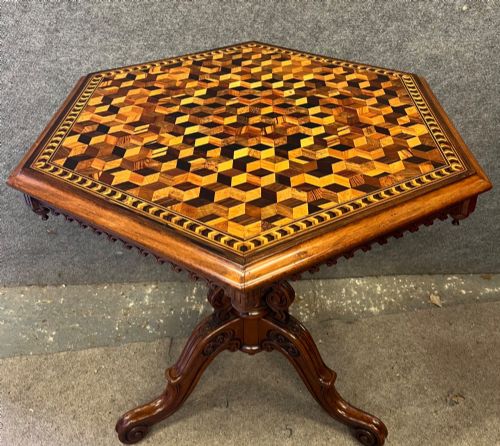
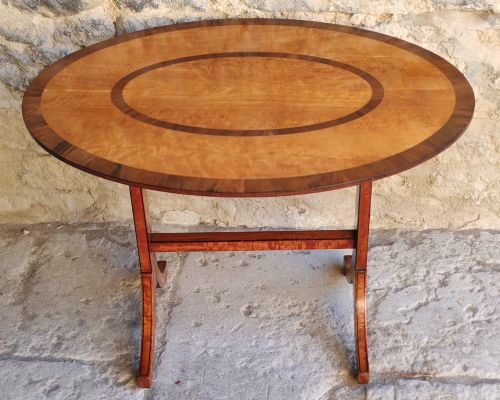
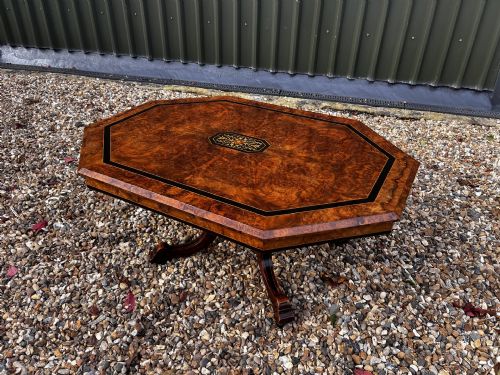
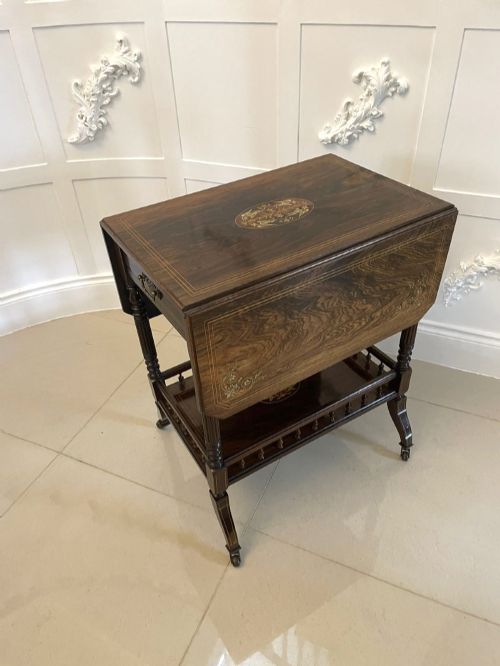
Table forms span circular, oval, octagonal, and serpentine shapes, including tilt top and pedestal designs.
The Victorian Marquetry Centre Table Glossary
- Marquetry
- The art of applying pieces of veneer to a structure to form decorative patterns and pictures. Craftsmen cut contrasting woods together to achieve seamless floral or geometric designs.
- Burr Walnut
- A timber harvested from walnut tree growths that produces highly figured, swirling grain patterns. It serves as the primary decorative veneer on nineteenth century tables.
- Ormolu
- Gilded bronze ornamentation applied to furniture mounts and borders. French influenced Victorian pieces frequently employ this metallic enrichment.
- Parquetry
- A geometric mosaic of wood veneers used for floors and tabletops. It differs from marquetry through its strict angular and repeating patterns.
- Tilt Top
- A hinged tabletop mechanism allowing the surface to swivel and lock vertically. This clever design enables the table to stand compactly against a wall when not in use.
Victorian Marquetry Centre Table: Frequently Asked Questions
What is a centre table?
A centre table is a freestanding piece finished on all sides to sit in the middle of a room. Nineteenth century households used them for display, reading, and central lighting.
Unlike dining tables meant for walls, these pieces command attention from every angle. Their decorated surfaces and polished pedestals invite circulation around the entire piece.
What is the difference between marquetry and inlay?
Marquetry covers the entire surface with assembled wood veneers forming a picture or pattern. Inlay involves cutting recesses into solid wood to insert contrasting material.
Victorian workshops utilised marquetry across large table tops to display botanical and geometric scenes. Both techniques required immense patience from skilled artisans.
Can I use a tilt top table daily?
A tilt top table functions well for everyday use provided the locking mechanism remains secure. The pivoting design originally helped save floor space.
Modern owners often keep the top fixed flat to display decorative objects or lamps. Care should be taken with the release catch when adjusting the position.