

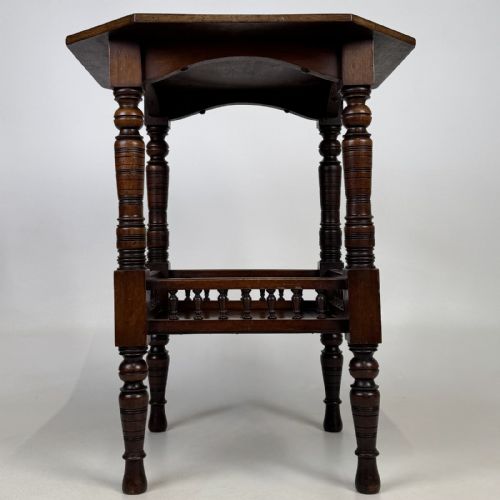
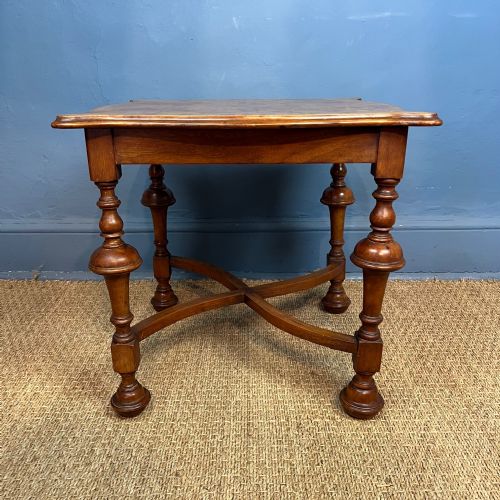
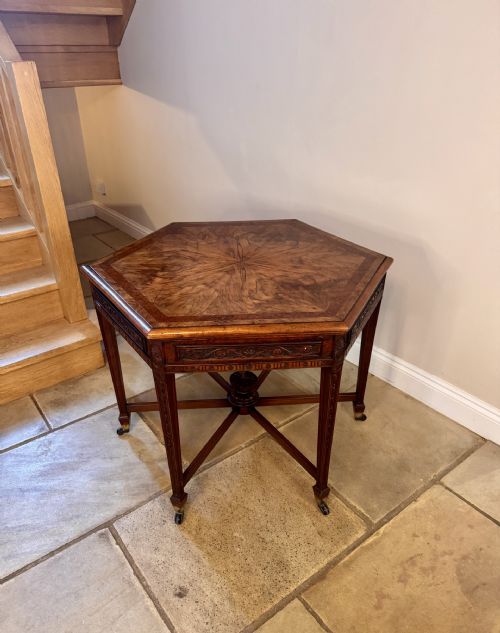
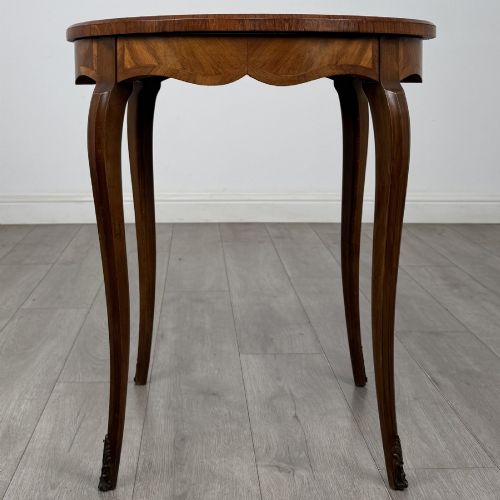
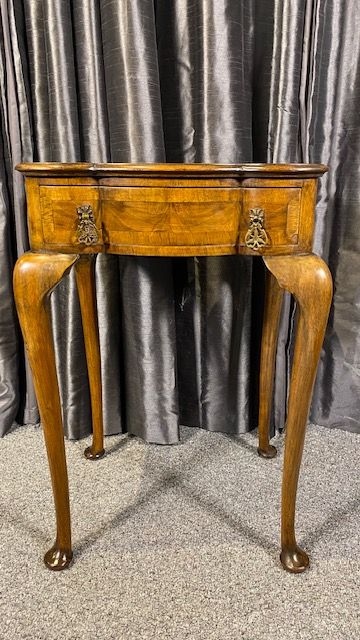
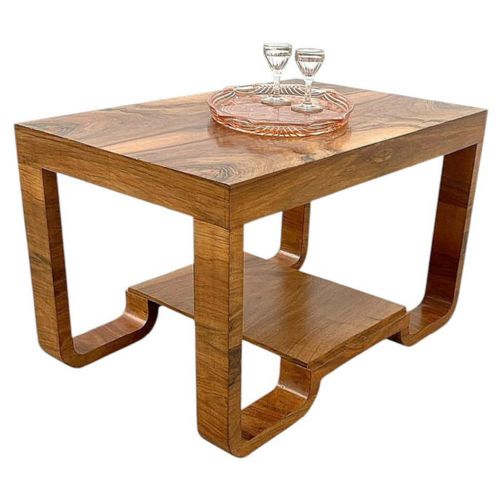
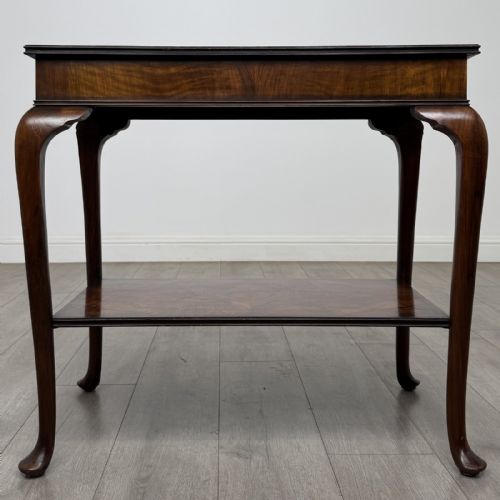
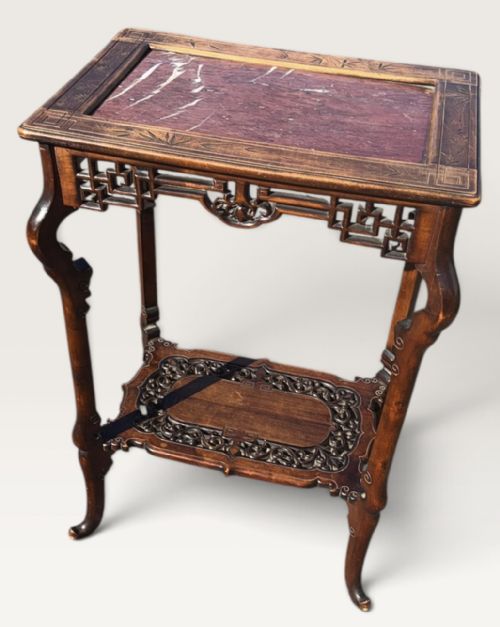
Brown Walnut Accent Table
These brown walnut accent table examples bring rich timber grain and classic domestic utility straight into a room.
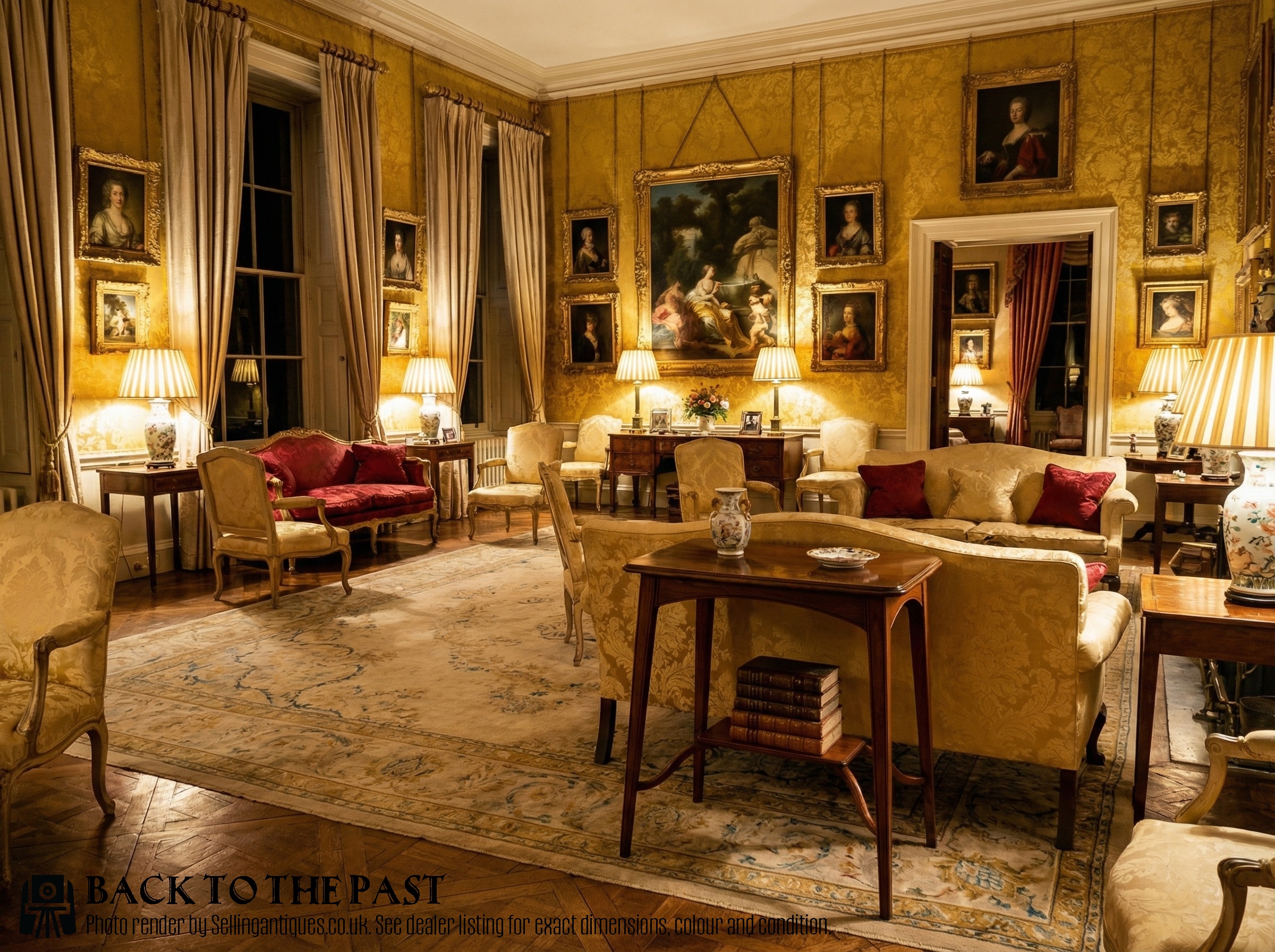
Brown Walnut Accent Table
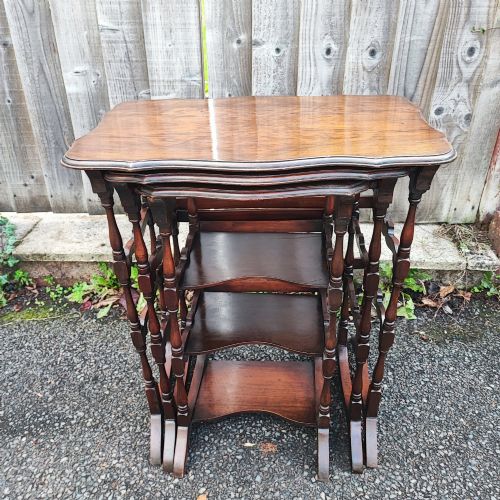
A brown walnut accent table encompasses a variety of occasional furniture forms designed for domestic interiors during the nineteenth and early twentieth centuries. These pieces function primarily as centre tables, side tables, and folding tables within period settings.
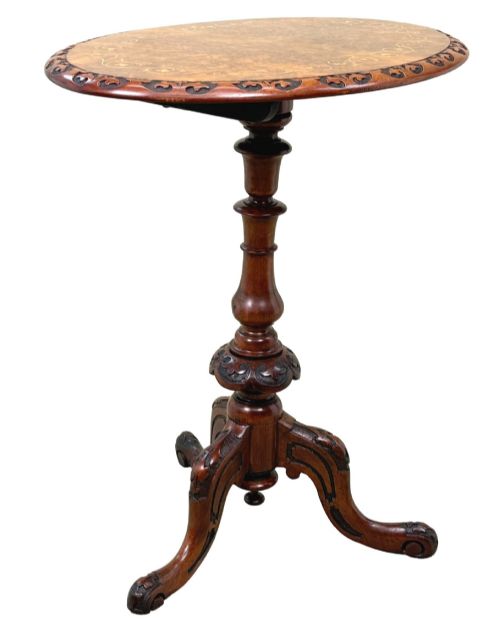
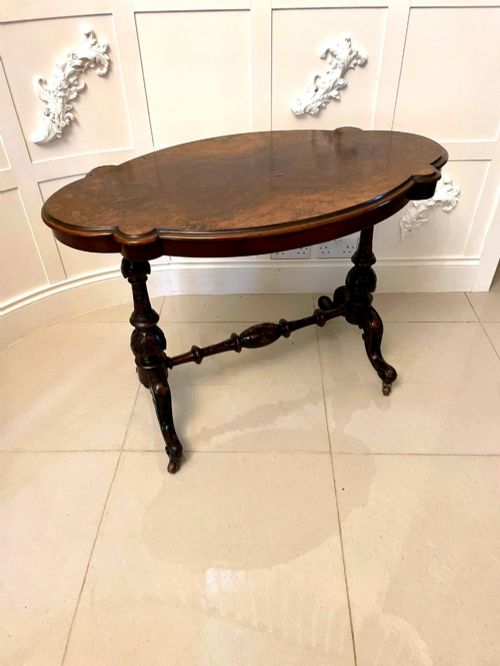
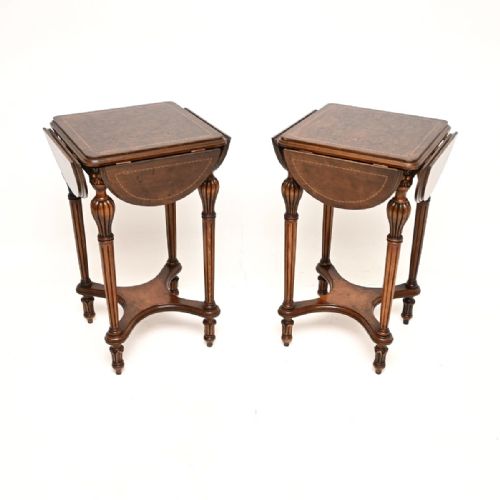
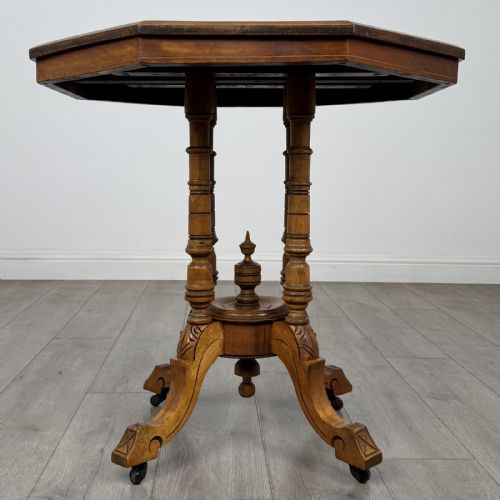
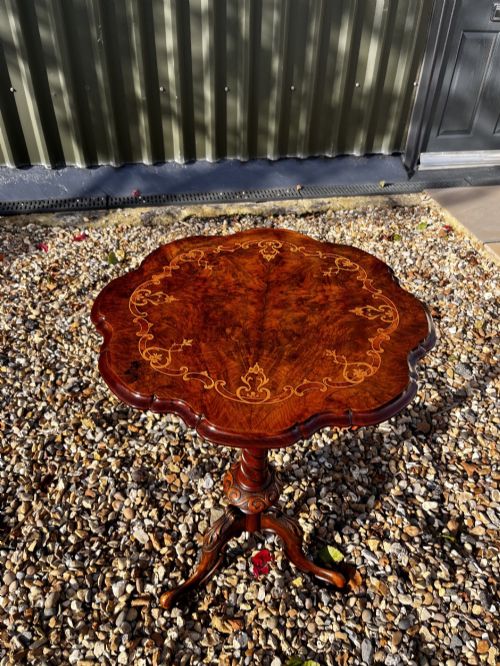
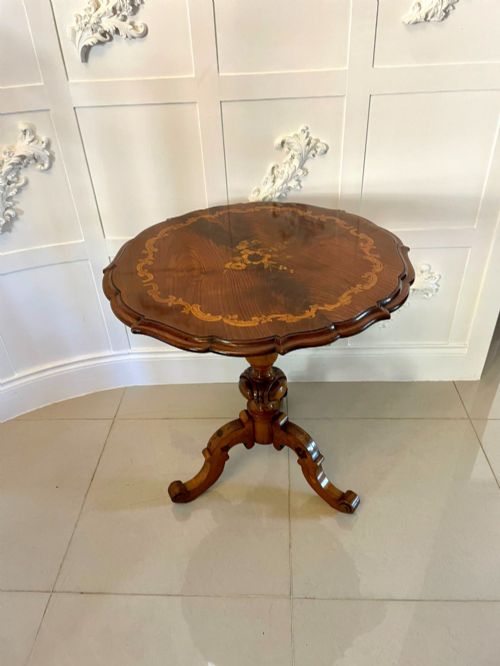
The selection on this page leans heavily toward Victorian examples, alongside an Edwardian folding variant. Forms range from circular pedestal specimens and oval inlaid centre tables to silver tables and jardiniere side tables.
Origins span across the Victorian and Edwardian eras, specifically highlighting dates such as eighteen-fifty, eighteen-eighty, and nineteen-ten. Each piece offers a specific functional surface while displaying the rich tones characteristic of walnut timber.
How they were made
Construction relies heavily upon walnut, burr walnut, and figured walnut timbers selected for their distinctive grain patterns. Workshops applied specimen wood veneers and boxwood inlay to enhance the visual depth of the surfaces.
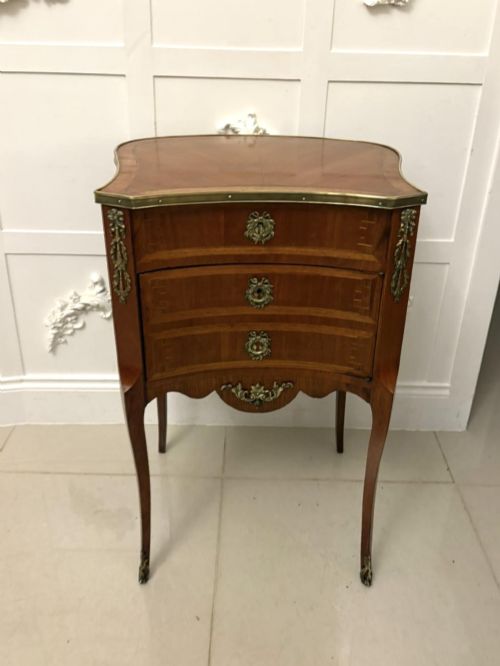
Metal components such as brass and ormolu appear as structural mounts, decorative details, or functional hardware. These combined materials required precise cabinet-making techniques to achieve stable pedestals, folding mechanisms, and smooth table tops.
Brown Walnut Accent Table Retail Price Guide 2026
Typical asking prices for brown walnut accent table among the pieces listed under this phrase on Sellingantiques today, from the lower quarter to the upper quarter. They describe what is for sale here now, not the wider market.
Current listings feature walnut, burr walnut, and figured walnut across Victorian, Edwardian, and nineteenth-century periods.
What varies in quality
The standard of a brown walnut accent table rests upon the selection of timber and the precision of its decorative execution. Finely figured burr walnut and delicate boxwood inlay distinguish the finer specimens from simpler constructions.
The complexity of the form further differentiates the range, moving from straightforward folding tables to elaborately inlaid centre pieces and circular pedestals. The integration of brass or ormolu mounts adds another layer of refinement to the finished object.
The Brown Walnut Accent Table Glossary
- Specimen wood veneers
- Thin slices of various decorative woods applied to a primary timber base in geometric or pictorial arrangements. These veneers create intricate tabletops that showcase multiple tones and grain structures.
- Boxwood inlay
- Contrasting pale wood inserted into recesses within the darker walnut surface to form delicate lines or motifs. This technique defines the edges and centres of several Victorian tables.
- Jardiniere
- A decorative stand or container designed to hold plants or flowers, integrated directly into the furniture form. In this collection, it appears combined with a side table.
- Pedestal
- A central supporting column rising from a stable base to hold the tabletop. This structure allows for a circular format without corner legs getting in the way of seating.
Brown Walnut Accent Table: Frequently Asked Questions
What is a brown walnut accent table used for?
These tables provide practical surfaces for display, serving, or holding decorative items within a sitting room or drawing room. Historically, specific variants also accommodated plants or silver collections.
Their compact or occasional nature means they move easily to different positions within a domestic interior to suit daily requirements.
How do I identify a Victorian brown walnut accent table?
Victorian examples typically rely on deep walnut timbers, often incorporating burr veneers, boxwood inlay, or marquetry. Look for characteristic forms such as circular pedestals, oval centre tables, and combined jardiniere stands.
Dates associated with these pieces generally span the nineteenth century, reflecting the prevailing domestic tastes and cabinet-making methods of that period.
What is the difference between a centre table and a side table?
Centre tables are traditionally finished on all sides to stand freely in the middle of a room as a focal point. Side tables are generally designed to sit flush against a wall or beside other furniture.
Both forms utilise walnut and feature decorative elements like inlay or figured veneers depending on their specific workshop origin.
How do I care for a walnut veneer surface?
Protect the timber from direct sunlight and excessive moisture to prevent the fine veneers from fading or lifting. Regular dusting with a soft, dry cloth preserves the natural sheen of the polished wood.
Avoid placing damp items directly onto the antique surface without appropriate coasters or protective mats.