
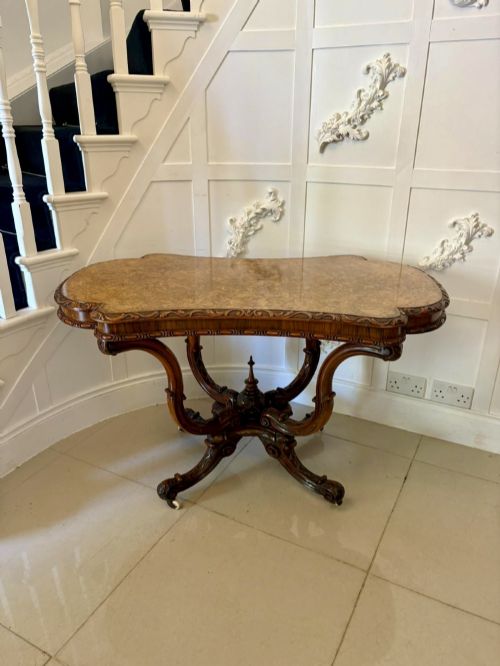
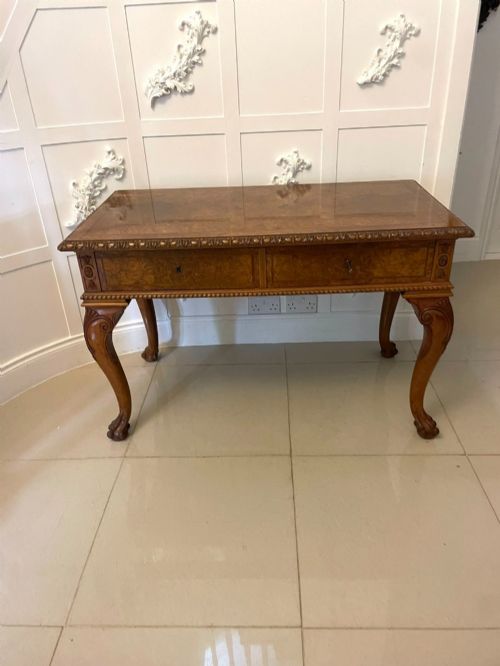
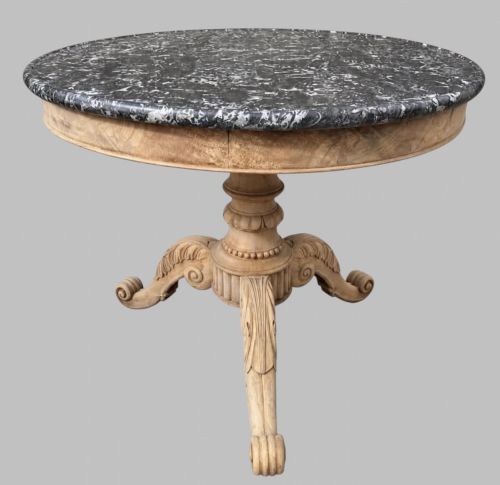
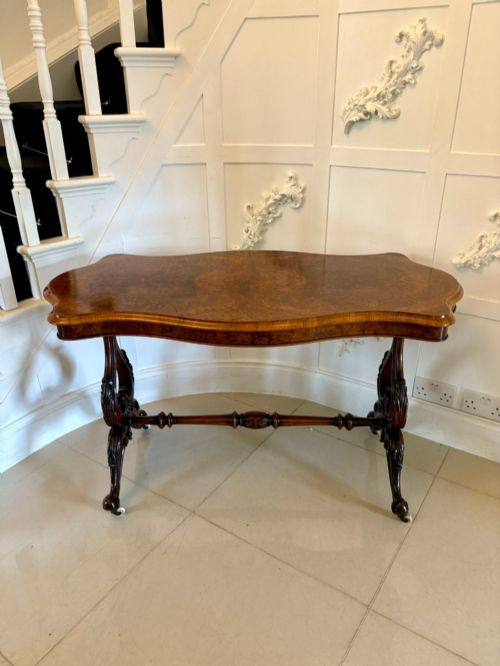
Carved Walnut Hall Table
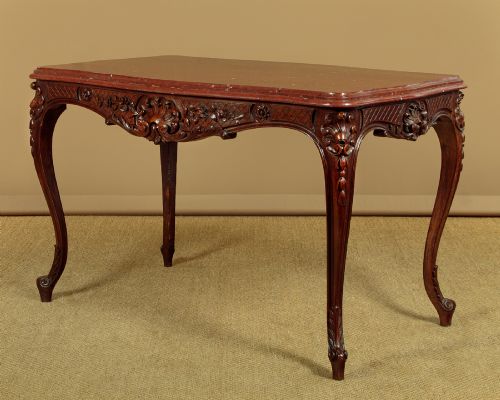
A carved walnut hall table brings rich timber figure and deep relief into an entranceway, serving as a striking focal point.
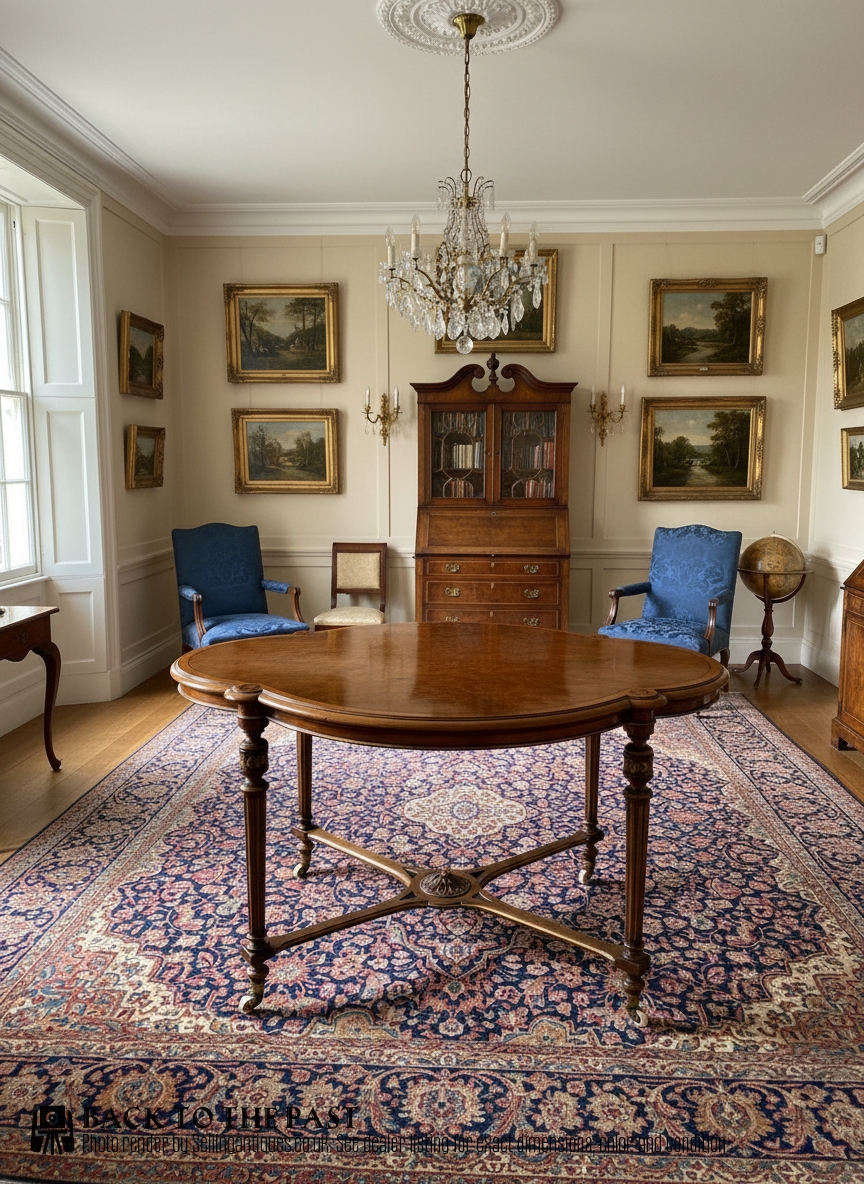
Understanding the carved walnut hall table
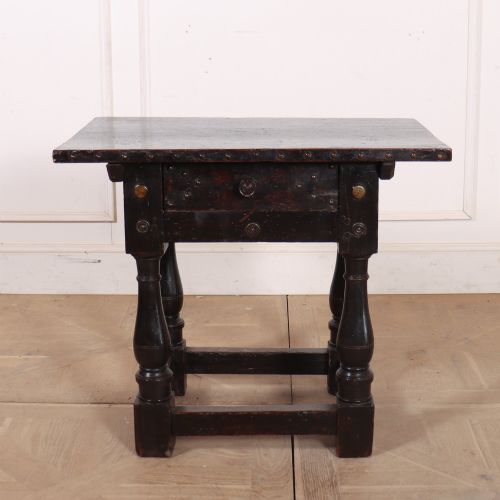
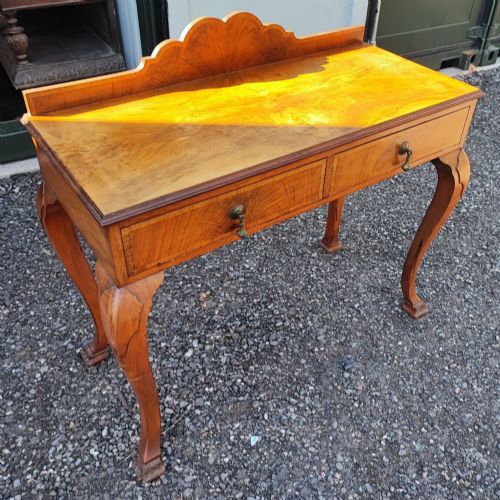
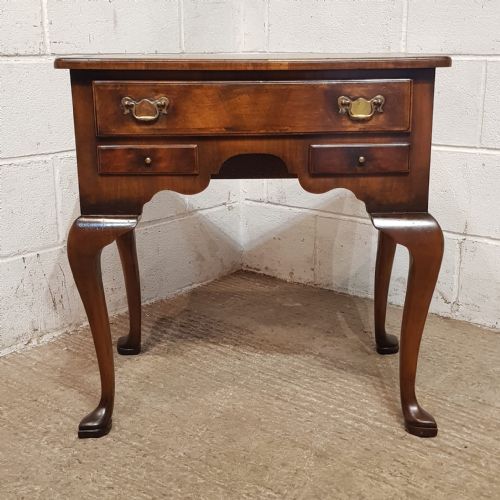
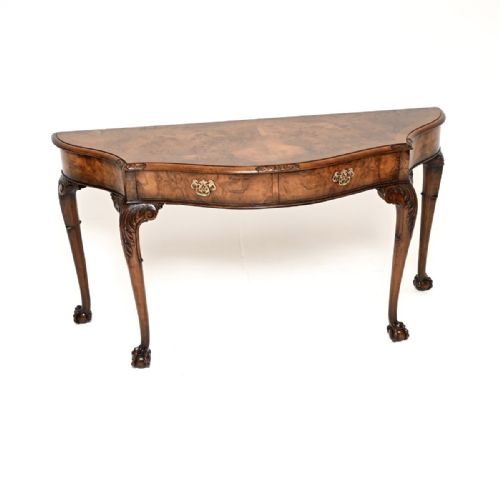
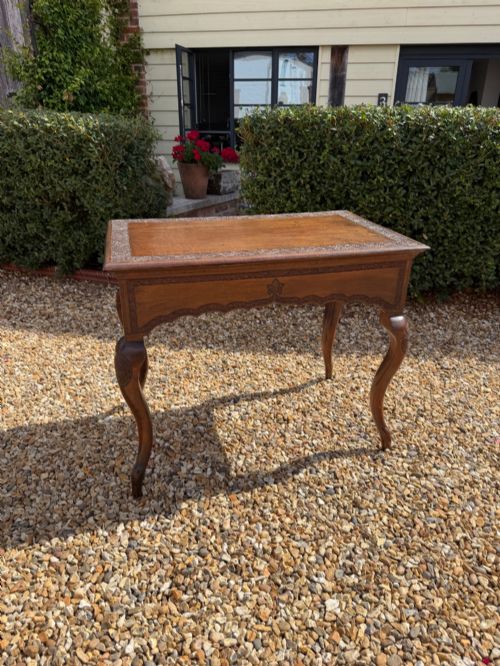
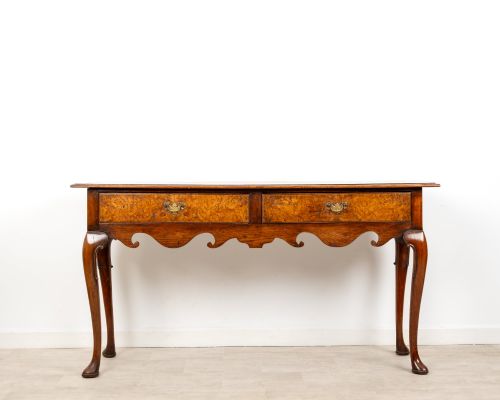
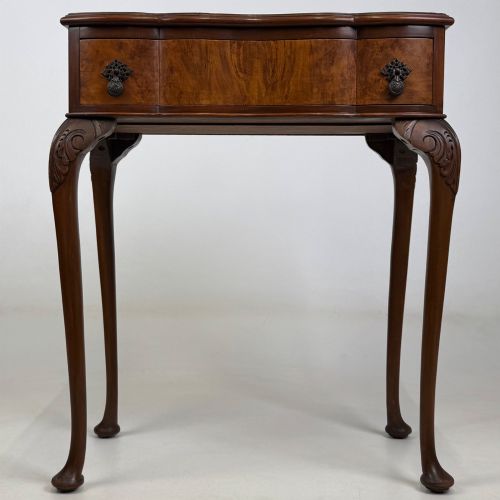
A carved walnut hall table unites sturdy timber framing with decorative presence, appearing in forms such as console tables, centre tables, and side tables. These pieces emerge from the eighteenth, nineteenth, and early twentieth centuries, reflecting diverse regional tastes and domestic roles.
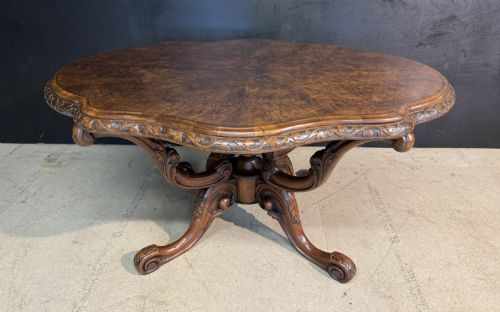
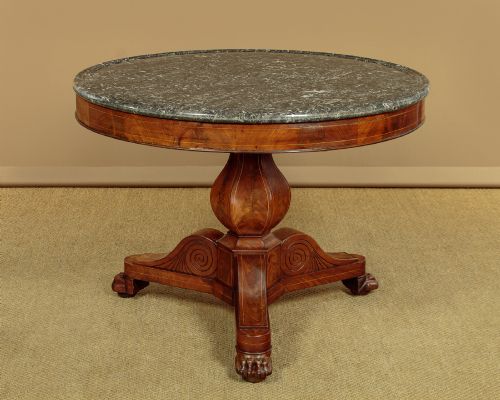
The nineteenth century yields the highest volume of examples, spanning Victorian, Louis Philippe, Aesthetic Movement, and Italian Provincial styles. Buyers encounter everything from serpentine console formats to octagonal centre tables designed to anchor a grand hallway.
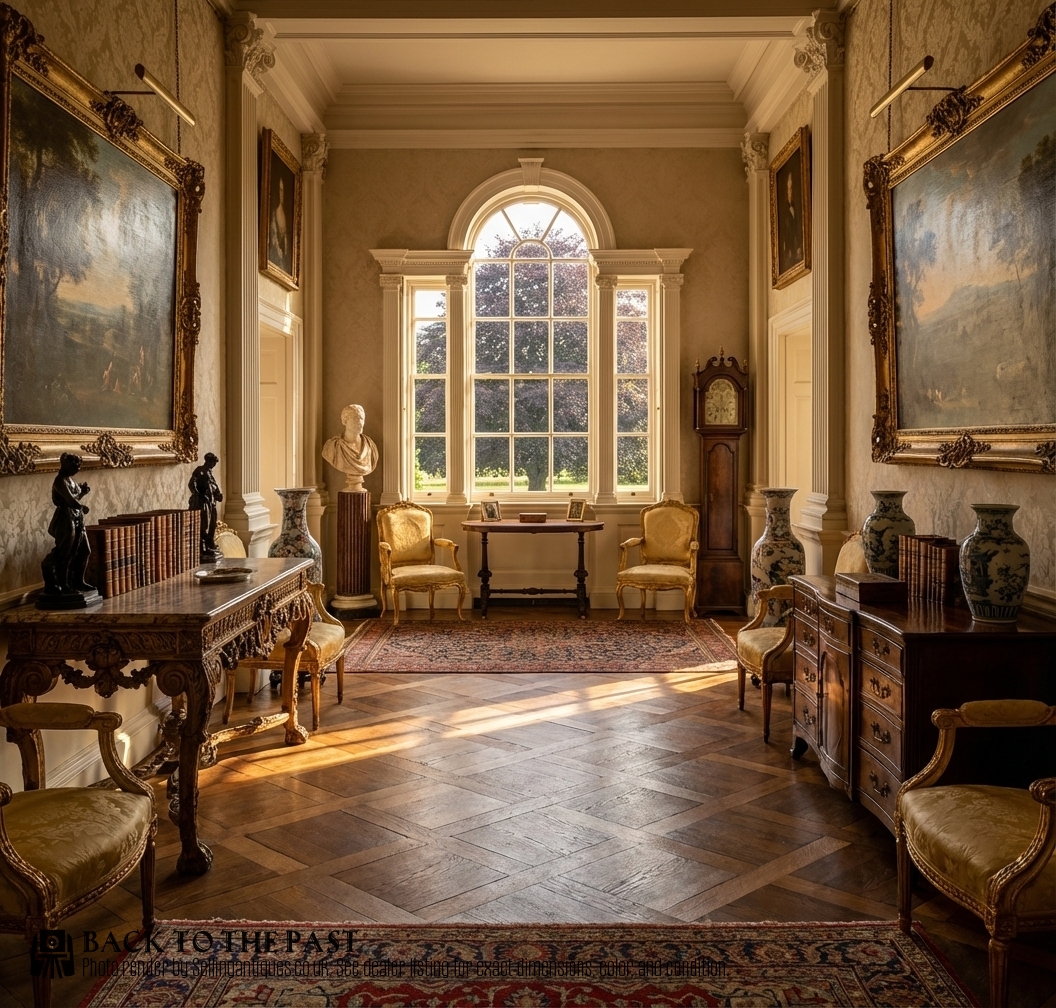
Materials and construction methods
Makers utilised solid walnut and burr walnut veneer, selecting timber for rich grain patterns and durability in heavy-use spaces. Construction often integrated secondary woods alongside decorative elements in brass, marble, ceramic, bone, and mother-of-pearl.
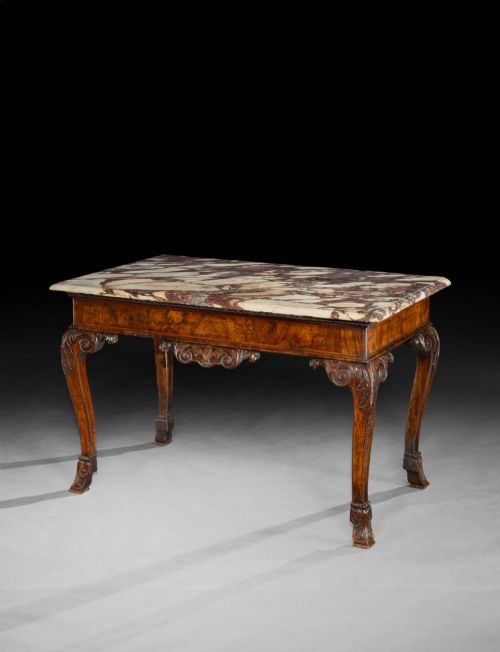
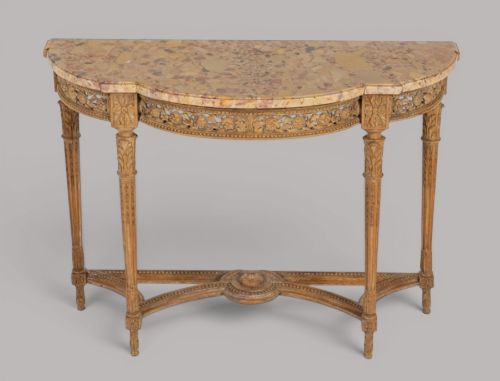
Carving was executed by hand to achieve deep relief along aprons, legs, and borders, sometimes complemented by marquetry or Moorish inlay techniques. Gilded highlights and fitted marble tops appeared on continental and high-status English pieces to elevate the visual weight.
Retail Price Guide 2026
Typical UK retail prices for carved walnut hall table, calculated from the Sellingantiques database of over a million retail prices indexed since 2003. This retail price guide relies exclusively on Sellingantiques data; no external sources or auction records are used, so the figures do not describe the wider market.
One historical offering ingeniously combined a carved walnut hall table with a working dinner gong.
Distinctions in quality and execution
The finest examples display crisp, deep hand-carving that retains sharp definition across intricate foliage and geometric motifs, whereas lesser pieces rely on shallow, mechanised moulding. Burr walnut veneer quality marks another division, with top-tier items showing balanced, highly figured swirling patterns across the entire top surface.
Structural integrity and material harmony separate ordinary furniture from exceptional work. Superior tables integrate secondary elements like marble inserts, brass mounts, or bone inlay with precision, ensuring the timber frame and decorative additions age as a cohesive whole.
Maple and Co.
The Carved Walnut Hall Table Glossary
- Burr walnut
- A prized timber veneer sliced from growth excrescences on the tree, yielding intricate, swirling grain patterns. It commands attention on tabletop surfaces and decorative panels.
- Console table
- A wall-mounted or freestanding table designed to sit flat against a hallway or parlour wall. These often feature elaborate front legs and flat rear supports.
- Centre table
- A freestanding round, oval, or octagonal table designed to stand in the middle of a room or grand entrance hall. They allow access from all sides.
- Marquetry
- The art of applying small pieces of veneer to a structure to form decorative patterns or pictorial scenes. It frequently incorporates contrasting timbers and shell.
- Aesthetic Movement
- A late nineteenth-century design style that emphasised visual beauty and craftsmanship over moral or narrative function. It drew inspiration from diverse global traditions including Moorish and Japanese art.
Frequently Asked Questions
Where should I place a hall table?
These tables suit entryways, corridors, and landings where surface space is needed without blocking thoroughfares. Console versions sit flush against walls, while centre tables anchor larger reception spaces.
Ensure clearance allows easy movement past the piece, particularly with octagonal or round formats that project further into the room.
How do I care for walnut timber?
Keep walnut furniture away from direct sunlight and strong heat sources to prevent the timber and veneer from drying out. Dust regularly with a soft, dry cloth rather than using silicone-based polishes.
Wax can be applied sparingly to nourish the wood and maintain a soft sheen without building up a heavy film over the carved details.
What is the difference between console and centre tables?
Console tables are built to stand against a wall, often featuring finished fronts and simplified backs that may require wall fixing. Centre tables are finished on all sides for placement in the middle of a room.
Both forms utilise carved walnut frames, but their structural engineering reflects their intended placement within a historical interior.
How do I date a Victorian walnut table?
Examine the timber preparation, joinery methods, and secondary woods used beneath the surface. Mid-nineteenth-century pieces often display robust hand-carved walnut frames with traditional mortise and tenon joints.
Stylistic cues such as Aesthetic Movement inlay or heavy Victorian proportions also help narrow the decade of manufacture alongside any maker stamps.