

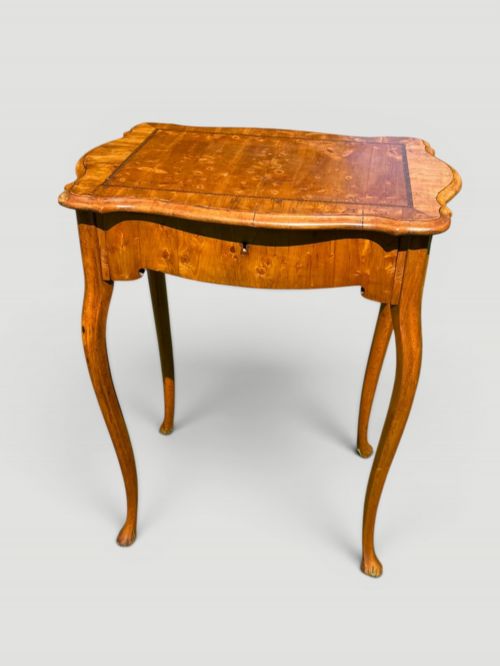


Small Walnut Tea Table
A small walnut tea table offers rich figured timber and compact charm, bringing useful surface space and period character to any corner.
What a small walnut tea table is
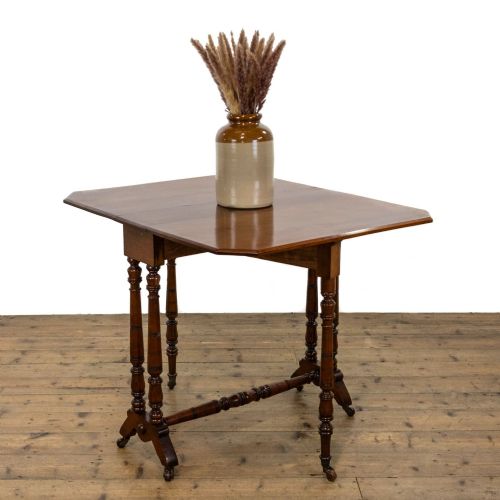
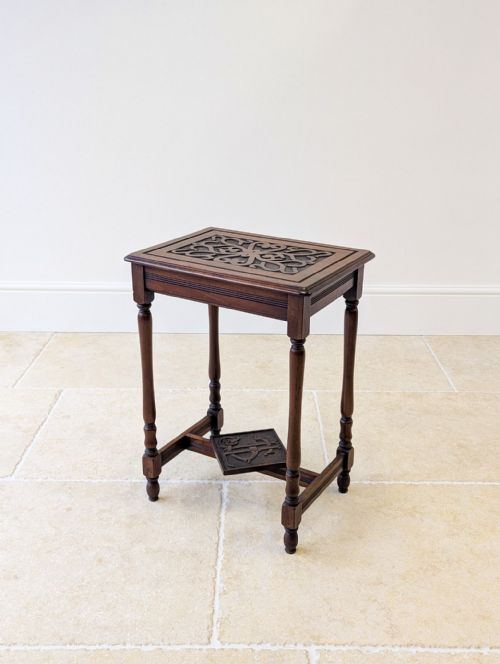
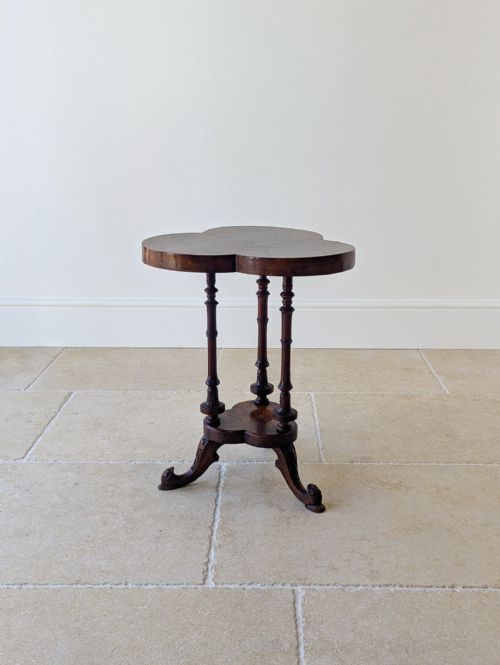
When you search for a small walnut tea table, you encounter diverse forms including occasional tables, side tables, and Sutherland tables made across the Victorian, Edwardian, and nineteenth-century periods. These pieces serve flexible domestic roles, often functioning as lamp tables, wine tables, or fold-over tea surfaces.
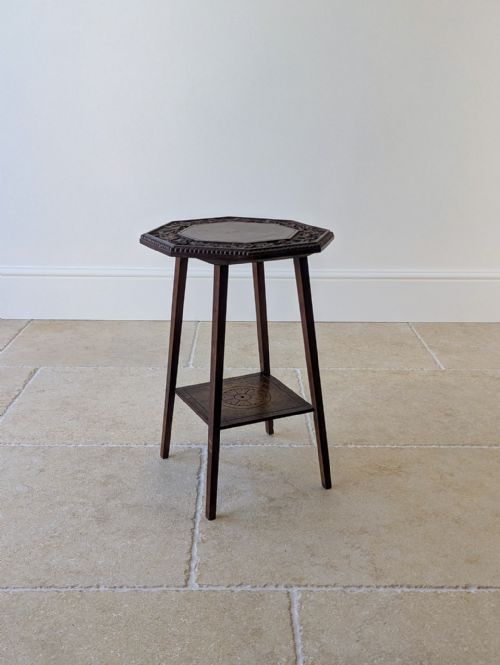
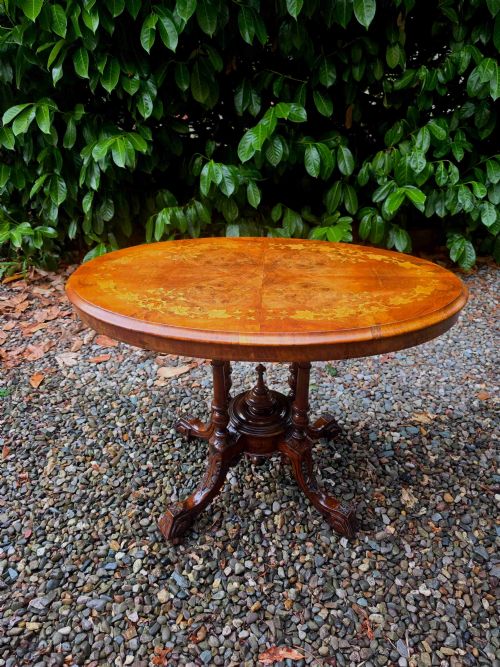
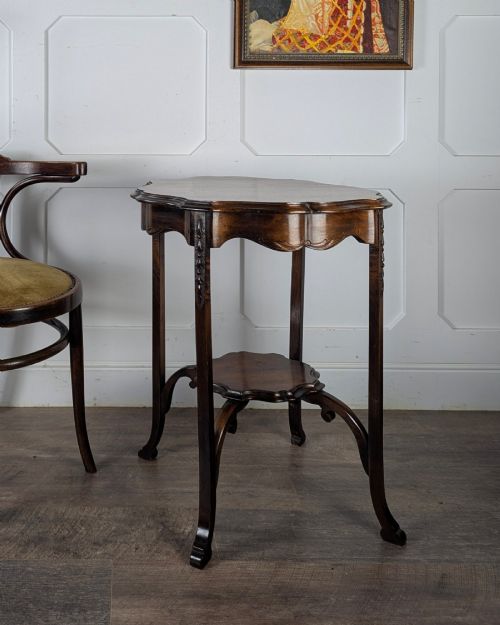
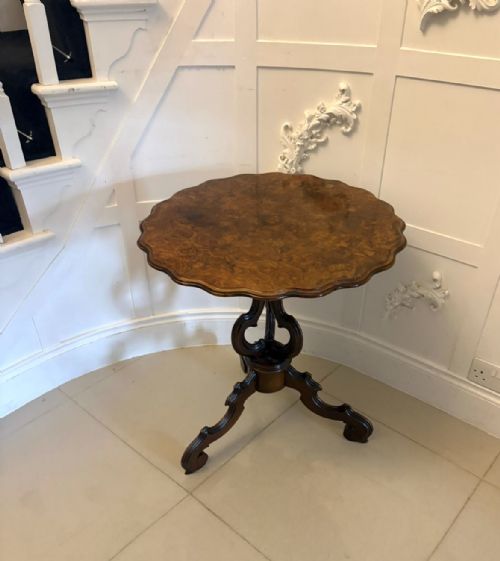
The evidence shows English and Italian origins, spanning styles from Italian Renaissance Revival to classic Victorian and Edwardian designs. The pieces on offer appear as scalloped lamp tables, oval pie-crust wine tables, and compact baby Sutherland tables.
Archival records reveal earlier iterations including George the Second tea tables and dual-purpose card or tea tables. Buyers most frequently meet Victorian and Edwardian examples featuring clever folding mechanisms and warm timber tones.
How they were made
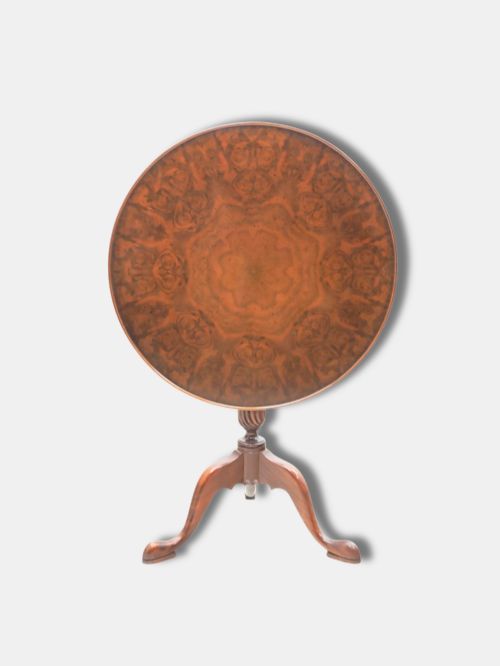
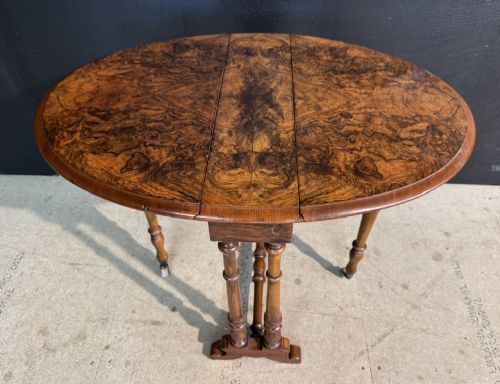
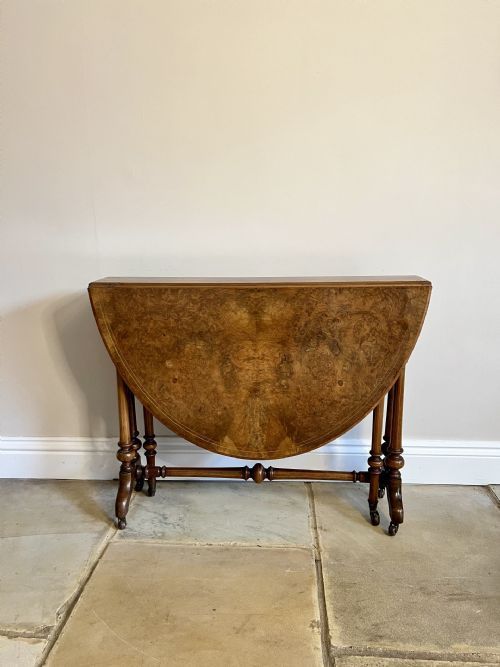
Craftsmen utilised solid walnut and highly decorative burr walnut veneers over supportive timber foundations to create striking surface patterns. Selected examples incorporate contrasting boxwood inlay to delineate geometric borders and enrich the visual depth of the top.
Structural hardware relies on brass components, while certain pieces integrate ceramic elements. Joinery and turning techniques support diverse formats from fixed occasional stands to hinged drop-leaf Sutherland frames.
Retail Price Guide 2026
Typical UK retail prices for small walnut tea table, calculated from the Sellingantiques database of over a million retail prices indexed since 2003. This retail price guide relies exclusively on Sellingantiques data; no external sources or auction records are used, so the figures do not describe the wider market.
Some tables arrive with miniature proportions affectionately dubbed baby sizes, perfect for when tea service needed to be remarkably petite.
What varies in quality
The visual impact of a small walnut tea table depends heavily on the grain selection within the walnut and burr walnut veneers. Masterful book-matching and symmetrical grain placement elevate a piece far above simpler timber surfaces.
Execution of decorative details such as boxwood inlay, carved pie-crust edges, or scalloped borders defines the upper tiers of craftsmanship. Finer examples maintain crisp proportions and integrated mechanics that operate smoothly across folding or dropping leaves.
The Small Walnut Tea Table Glossary
- Burr walnut
- A specialised wood veneer taken from the growth excrescences of a walnut tree, prized for its swirling and highly figured grain patterns. It provides exceptional decorative movement across table tops.
- Sutherland table
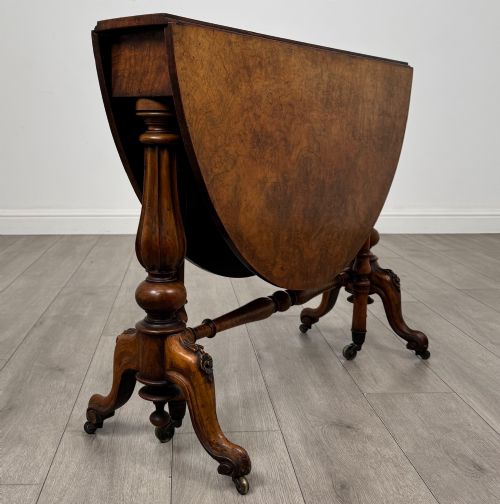
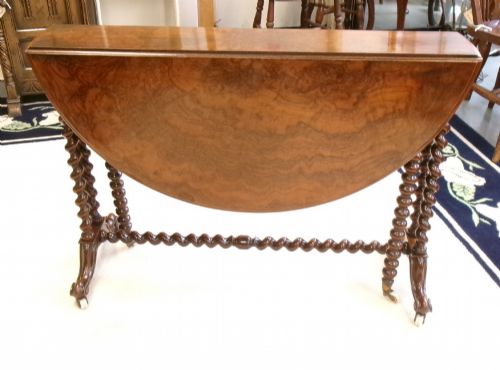
- A narrow drop-leaf table featuring exceptionally slender folding leaves supported by swing-out gate legs. The baby variation offers a particularly compact footprint for smaller rooms.
- Pie crust edge
- A raised, carved, and scalloped timber border shaped to resemble traditional pastry crusts. This decorative treatment appears on the edges of occasional and wine tables.
- Boxwood inlay
- Contrasting pale wood inserted into recesses within a darker timber surface to create linear patterns or decorative motifs. It frames panels and highlights structural outlines.
- Occasional table
- A light, movable small table designed for intermittent use around a principal room. They take many forms, including lamp and wine table variants.
Frequently Asked Questions
What is a baby Sutherland table?
A baby Sutherland table is a smaller version of the traditional drop-leaf table, designed with hinged leaves and pivoting legs that fold flat when not in use. These compact pieces were historically used for tea or light dining in smaller sitting rooms.
They function well beside armchairs or sofas, offering an expandable surface that adapts easily to changing space requirements without dominating a room.
How do I identify burr walnut?
Burr walnut is instantly recognizable by its dense, swirling knot clusters and irregular, highly decorative grain patterns. It contrasts sharply with the straight, uniform grain of standard timber.
Cabinet makers utilised these distinct veneers on prominent surfaces like table tops to catch the light and add visual richness.
Where were these tables made?
The available pieces originate primarily from English workshops spanning the Victorian and Edwardian eras, alongside continental examples such as Italian Renaissance Revival occasional tables. English makers dominated production of the Sutherland and fold-over tea formats.
Regional differences appear in the carving styles, inlay details, and timber selections typical of each period.
Can I use a tea table for a lamp?
Many small occasional and side tables function perfectly as lamp stands, matching the dimensions and height required for adequate lighting. Scalloped and oval formats provide stable platforms for modern or period lighting.
Their compact size allows them to fit neatly into corners or beside seating areas.
What is Italian Renaissance Revival style?
Italian Renaissance Revival design draws upon classical motifs, robust turning, and rich architectural details popular during nineteenth-century revivals. Tables in this style emphasise solid construction and sculptural presence.
They introduce a distinct architectural weight compared to lighter Edwardian or mid-Victorian occasional pieces.