

Antique Tripod Accent Table
An antique tripod accent table brings compact elegance to a room, offering a sturdy three-legged pedestal base paired with a versatile tabletop.
Understanding the Antique Tripod Accent Table
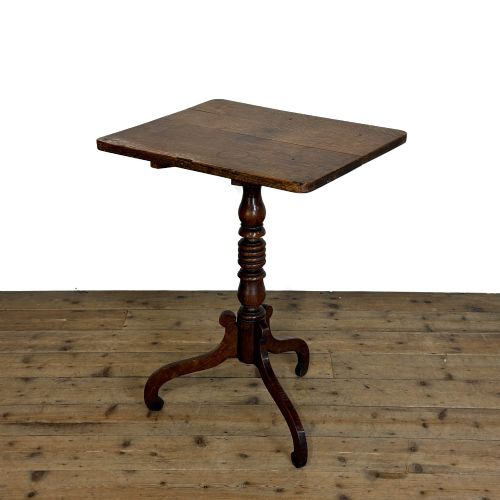
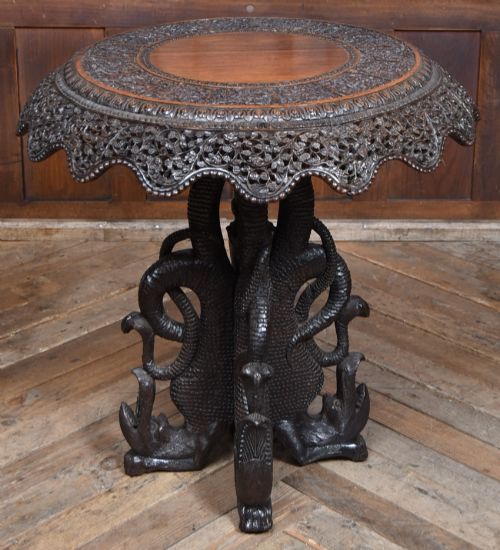
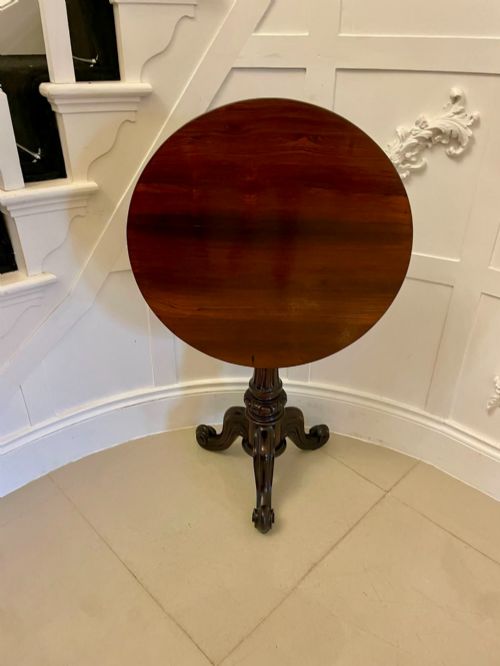
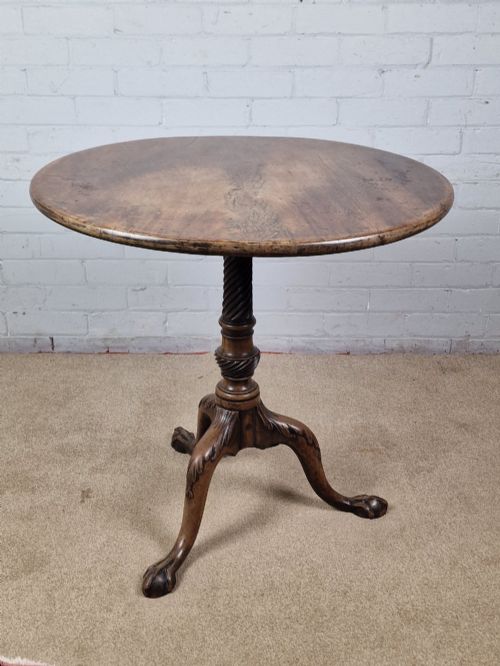
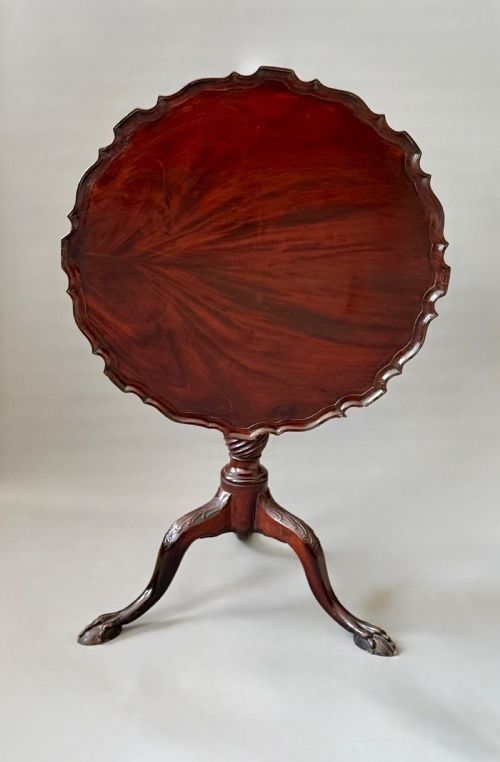
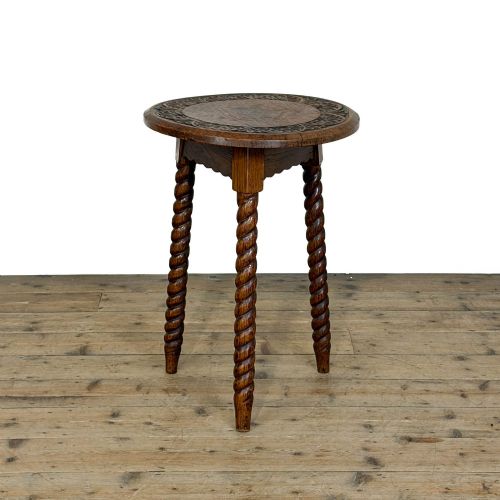
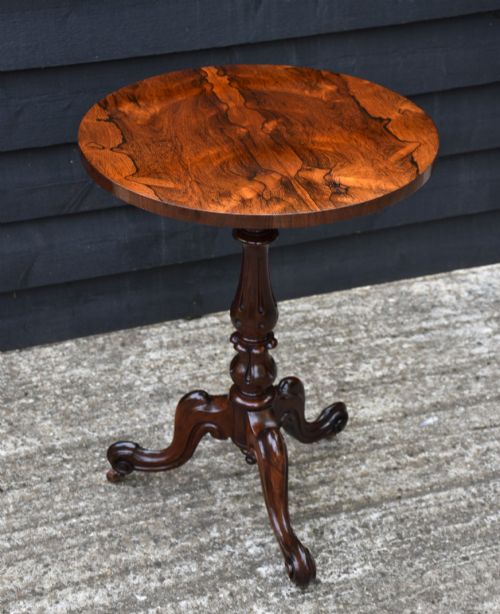
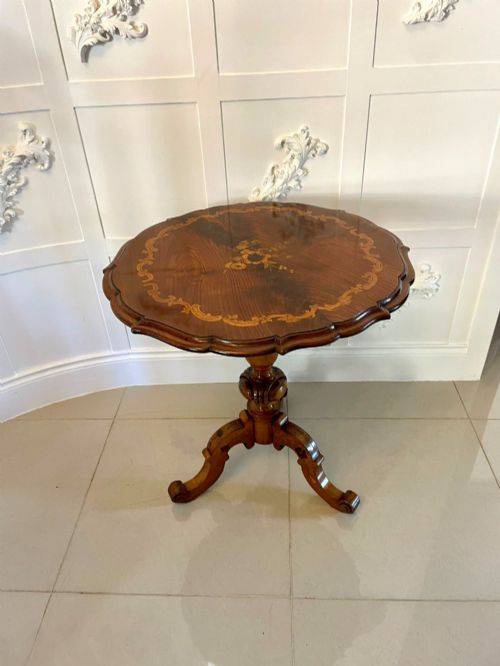
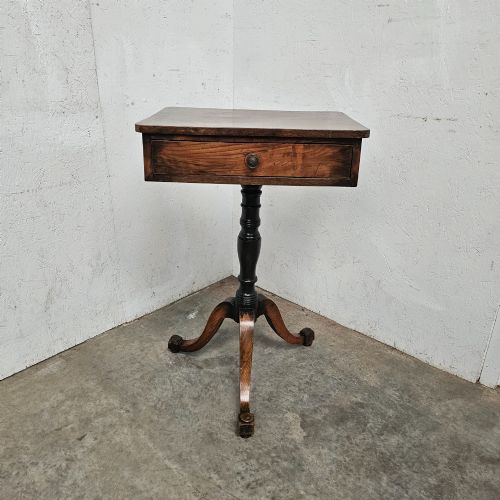
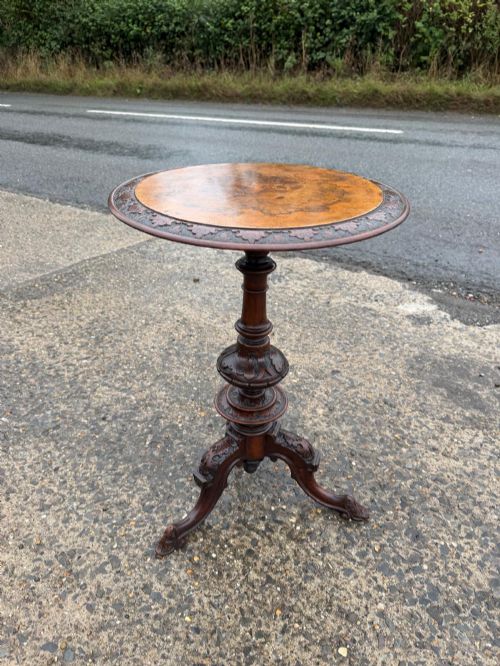
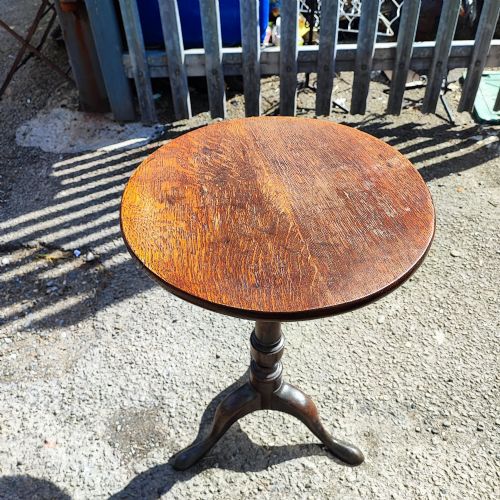
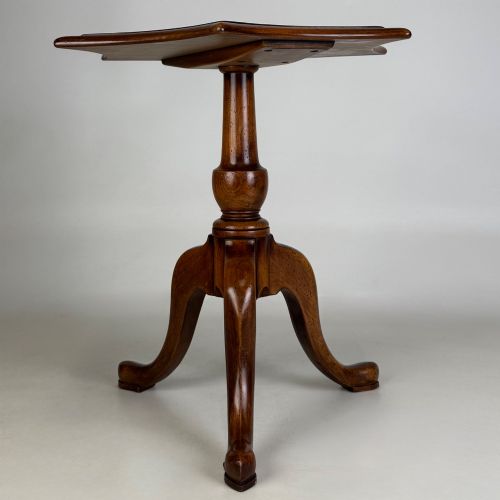
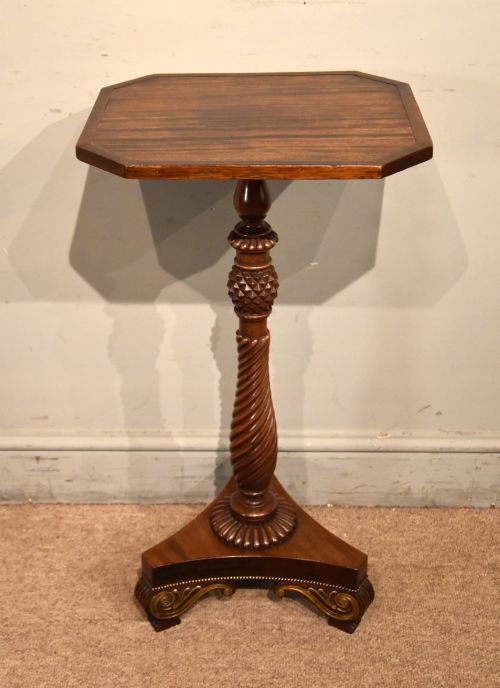
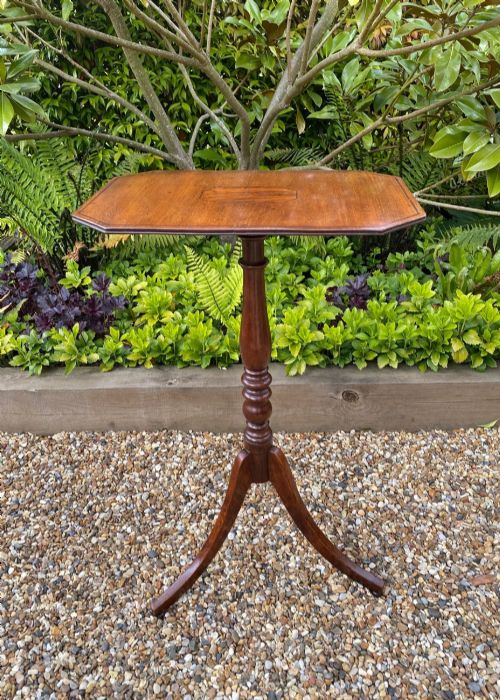
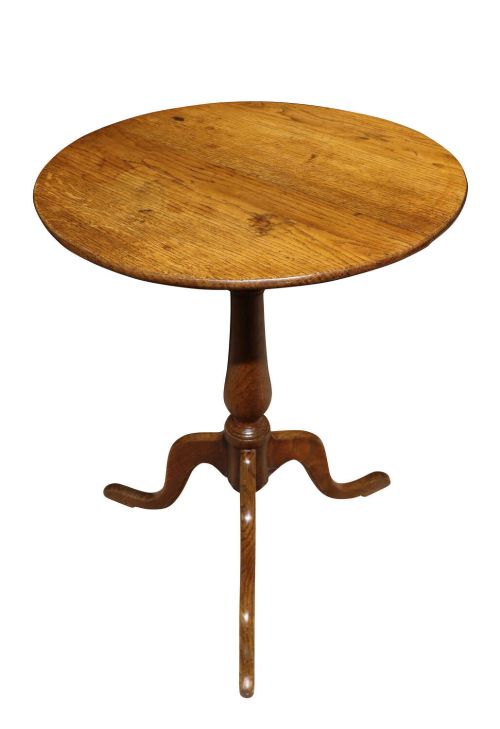
The antique tripod accent table category encompasses side tables, occasional tables, lamp tables, and kettle stands designed for flexible placement in living spaces. These pieces span the eighteenth and nineteenth centuries, taking forms such as square tops, piecrust birdcage tops, and tilt-top designs.
Buyers frequently encounter Victorian and George III examples, alongside regional variations including Italian Renaissance Revival and Swedish pieces. The diverse forms reflect shifting domestic requirements for portable and decorative furniture throughout these periods.
Originating as functional items for tea service, lighting, or display, these small tables suit modern interiors seeking practical character. Their three-legged construction ensures stability on uneven historical floors while occupying minimal floor space.
Materials and Construction Methods
Cabinetmakers utilised timber such as mahogany, walnut, and alder root to construct these pieces, often combining solid woods with structural turning. Brass elements occasionally appear on hardware or fittings, while velvet and fabric are used on associated soft furnishings or coverings.
Turning techniques shaped the central pedestal columns and legs, whilst specialised joinery enabled mechanisms like the tilt-top and birdcage pivot. Woodworkers selected grain patterns for decorative effect, particularly on table surfaces and root sections.
Retail Price Guide 2026
Typical UK retail prices for tripod accent table, calculated from the Sellingantiques database of over a million retail prices indexed since 2003. This retail price guide relies exclusively on Sellingantiques data; no external sources or auction records are used, so the figures do not describe the wider market.
Materials recorded across the inventory include mahogany, walnut, alder root, brass, fabric, and velvet.
Judging Quality and Execution
Quality reveals itself in the proportion of the pedestal base and the crispness of the turning on the central column. Superior examples demonstrate harmonious balance between the top and the three supporting legs.
The selection of timber grain and the precision of the joinery distinguish finer specimens from standard utility pieces. Mechanisms on tilt-top and birdcage examples operate smoothly when executed by skilled makers.
The Antique Tripod Accent Table Glossary
- Tripod base
- A furniture support comprising three legs radiating from a central pillar. This design provides steady footing on uneven timber floors.
- Tilt-top
- A tabletop hinged to the pedestal so it can be turned upright when not in use. This mechanism saved floor space in smaller historic rooms.
- Birdcage
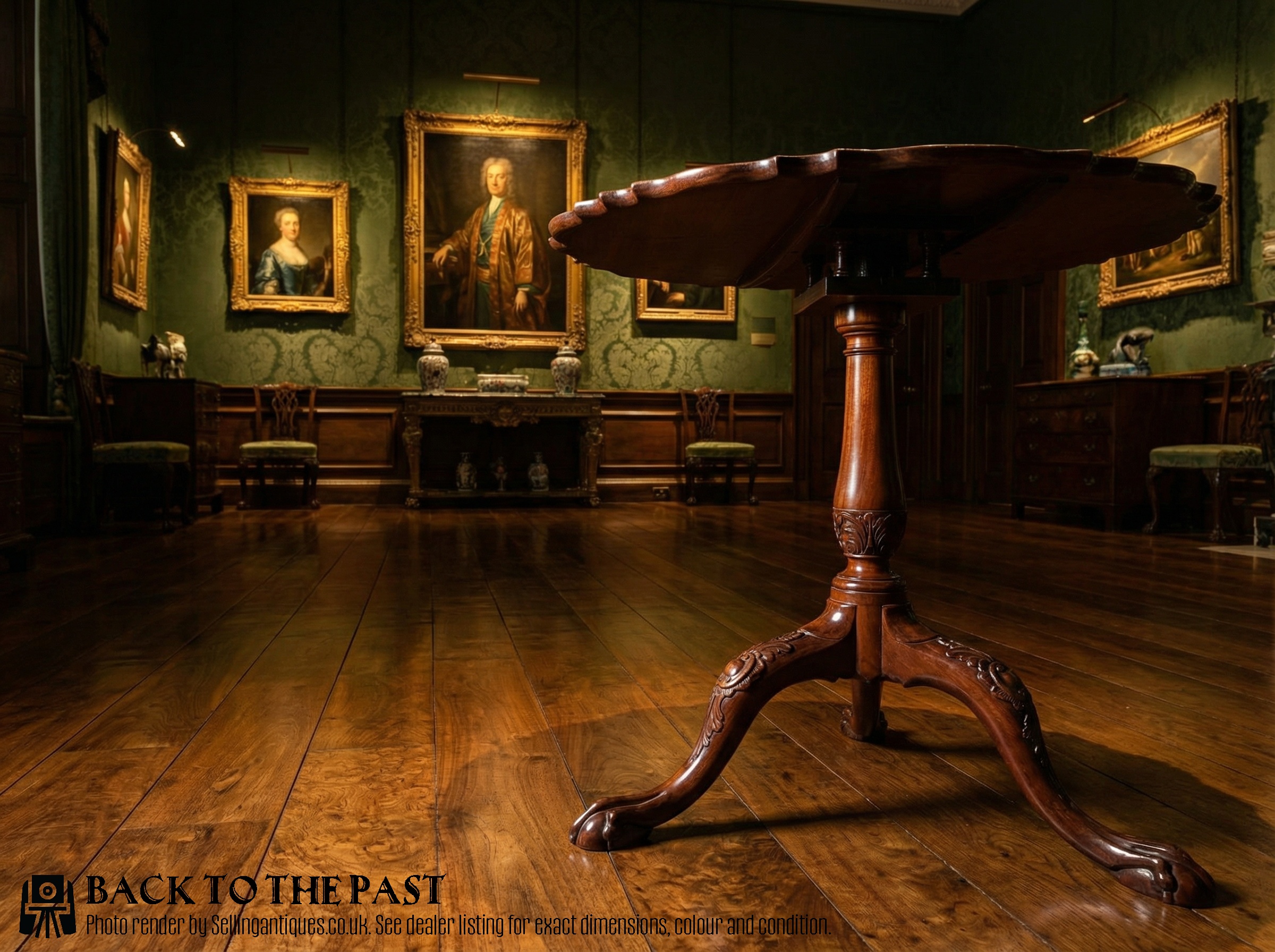
- A revolving wooden framework beneath the tabletop that allows the surface to both rotate and tilt. It represents a sophisticated piece of eighteenth-century joinery.
- Piecrust edge
- A raised, carved ornamental moulding around the rim of a tabletop resembling pastry crust work. It kept items from sliding off small tea tables.
Frequently Asked Questions
What is an antique tripod accent table used for?
These small tables serve as convenient surfaces for lamps, drinks, or decorative objects beside seating furniture. Their compact footprint allows them to fit easily into corners or tight spaces.
Historically, specific forms were designed for kettle service, reading materials, or general occasional use within the home.
How do I identify a George III tripod table?
George III pieces date from the later eighteenth century and often feature classical proportions alongside premium timber selections like mahogany. Details such as piecrust rims and birdcage mechanisms frequently characterise this period.
Construction methods from this era rely on traditional joinery and hand-turned wooden components without modern fasteners.
Are tilt-top tables stable?
Tilt-top tables remain steady during normal daily use thanks to the three-legged geometry of the pedestal base. The catch mechanism secures the top firmly in the horizontal position when lowered.
Care should be taken when releasing the pivot mechanism to avoid sudden movement of the heavy wooden surface.
What woods were used for nineteenth century tables?
Nineteenth-century examples utilise a variety of timbers including mahogany, walnut, and regional woods like alder root. Cabinetmakers selected these materials for both structural durability and attractive surface figuring.
Different geographic origins, such as Swedish or Italian workshops, influenced the choice of local timber species.