
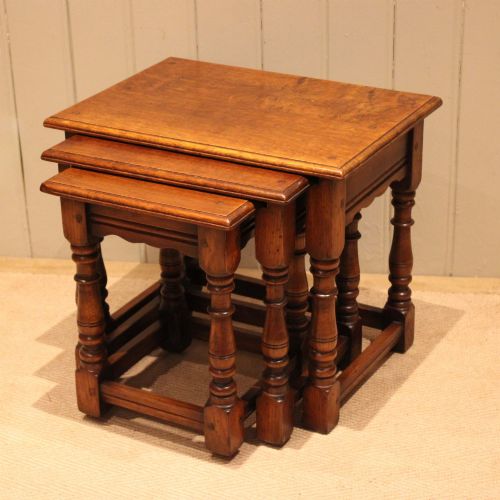
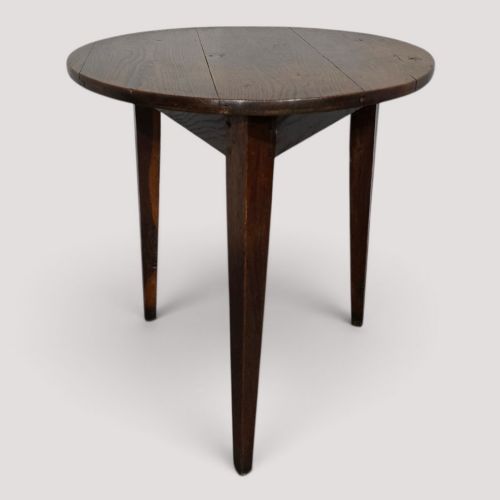
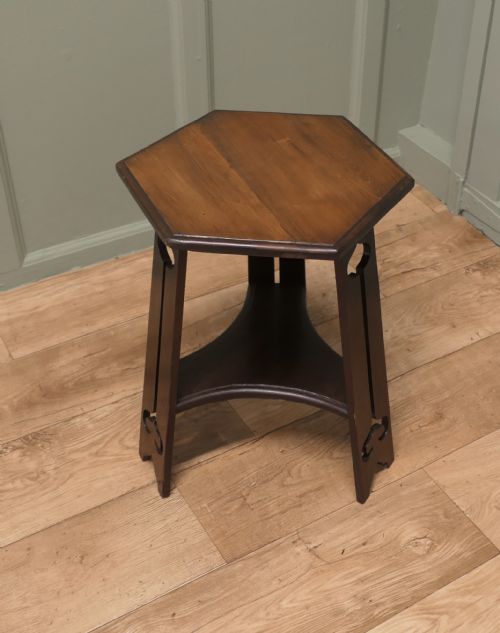

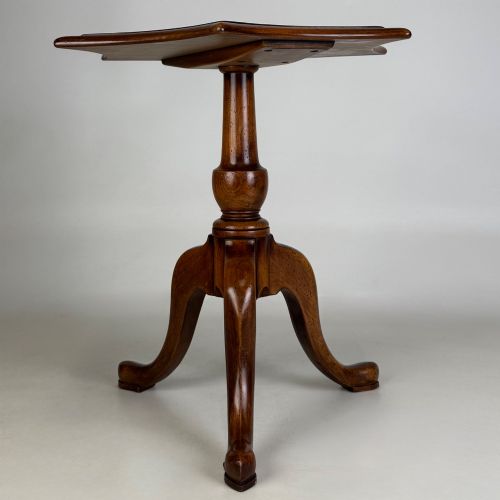

Three Legged Occasional Table
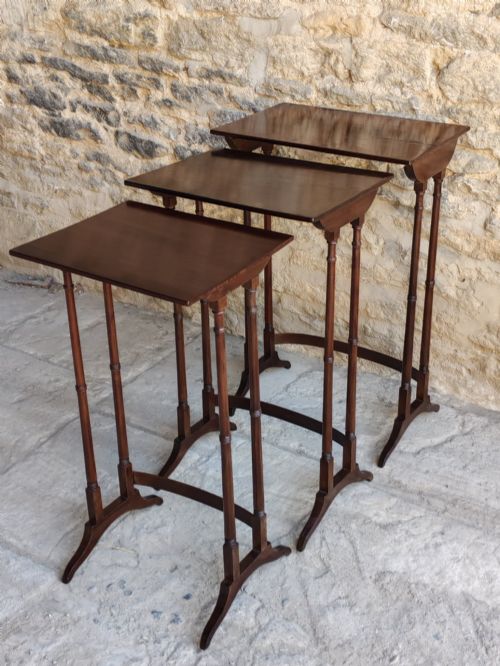
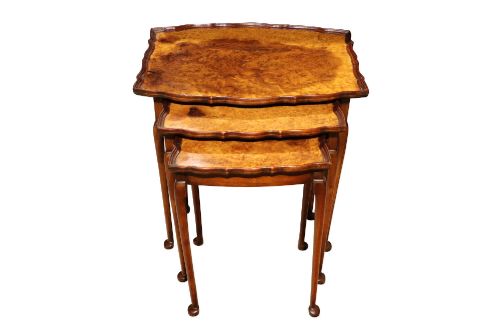
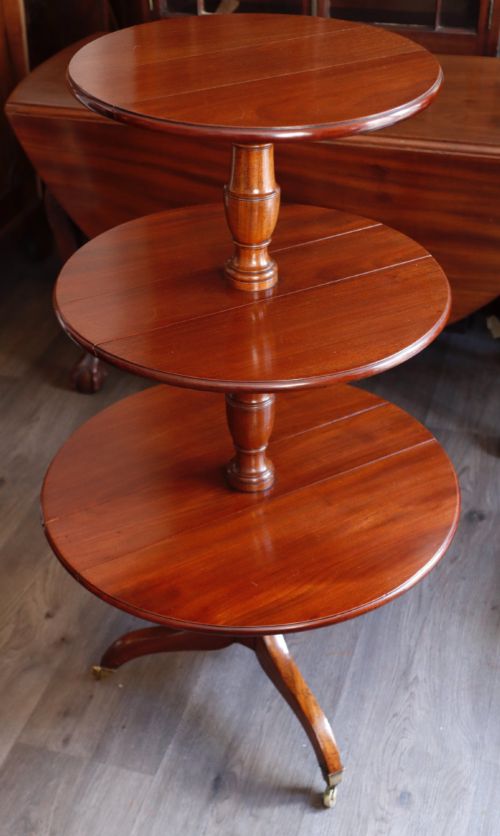
These three legged occasional table examples offer compact occasional surfaces, prized for their versatile proportions and historical charm.
What a three legged occasional table is
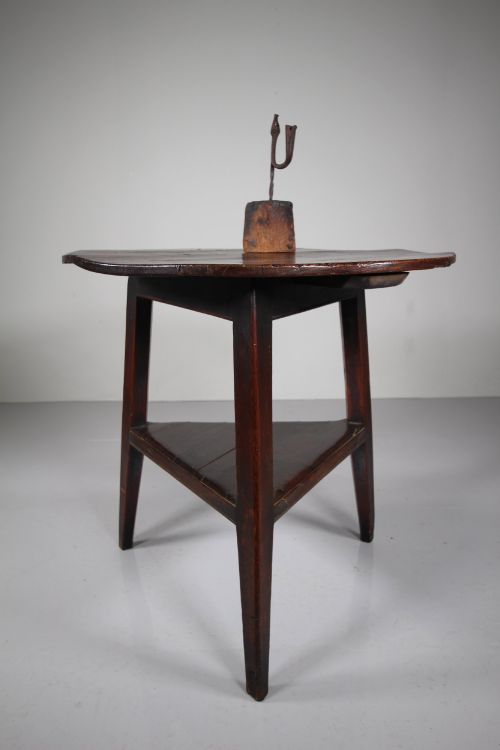
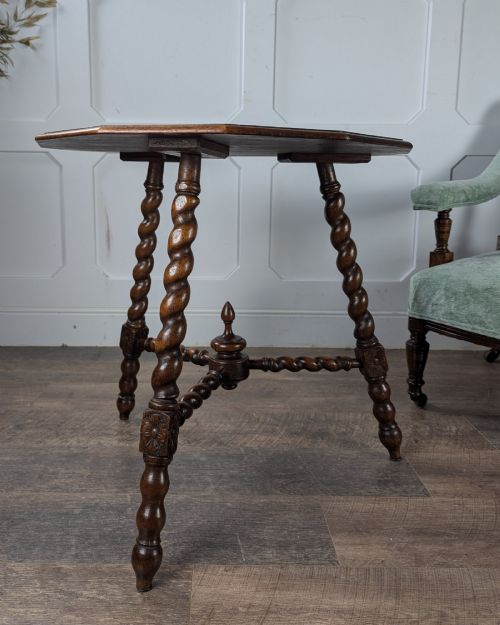
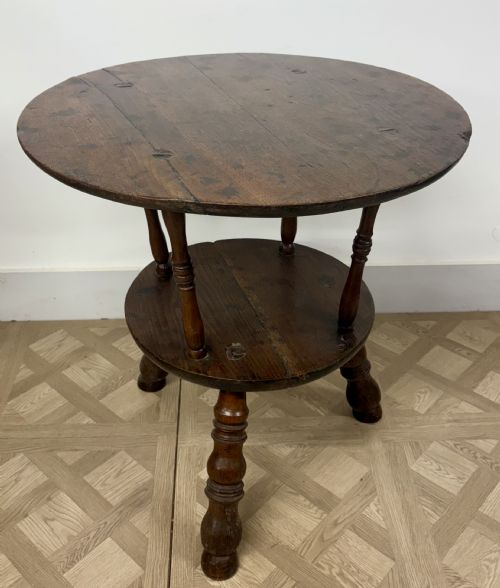
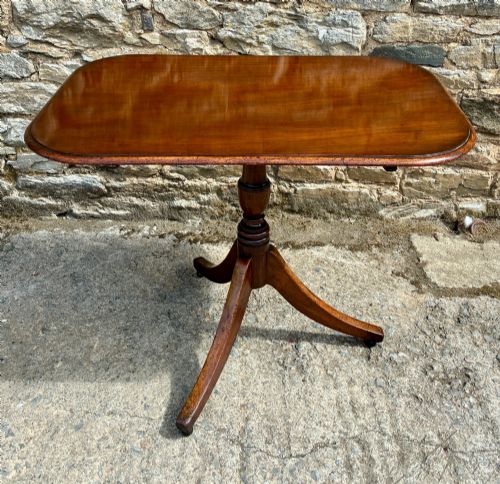
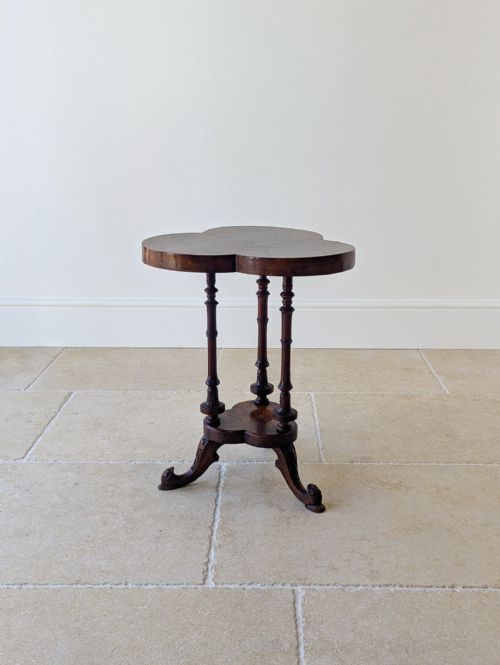
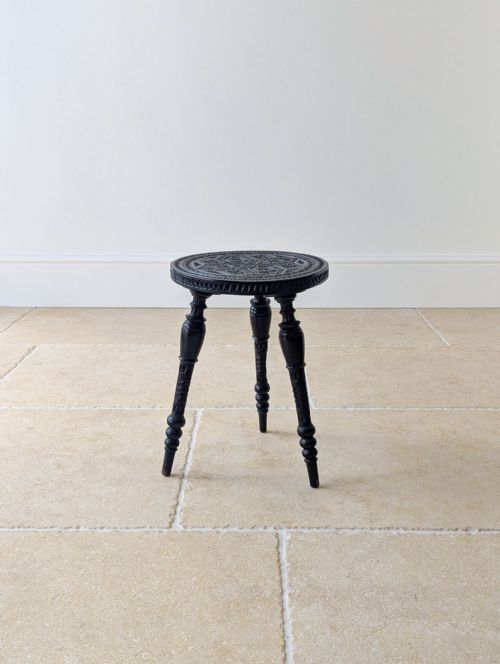
A three legged occasional table provides a small, movable surface suited for lamps or display, appearing across the Georgian and Victorian eras. These pieces include specific forms such as cricket tables and trefoil designs, alongside simpler circular tops.
The materials span mahogany, walnut, burr walnut, oak, and marble, often paired with gilded brass details. Origins range from English country vernacular traditions to Italian Renaissance Revival pieces and French-influenced Victorian models.
Materials and construction
Construction relies on solid timbers and veneered surfaces, utilising mahogany, oak, and figured walnut such as burr walnut. Tops are occasionally formed from inset marble, supported by three solid legs arranged for stability on uneven floors.
Decorative elements involve applied gilded brass mounts and distinct stylistic carving, reflecting Victorian French taste and Italian Renaissance Revival influences.
Retail Price Guide 2026
Typical UK retail prices for three legged occasional table, calculated from the Sellingantiques database of over a million retail prices indexed since 2003. This retail price guide relies exclusively on Sellingantiques data; no external sources or auction records are used, so the figures do not describe the wider market.
Early cricket tables owe their sturdy stance to the three-legged logic of milking stools, refusing to wobble on uneven stone floors.
Judging quality
Quality rests on the choice of timber figure, such as the rich grain of burr walnut, and the refined execution of structural joints. Simpler vernacular pieces rely on honest timber selection, whereas high-style examples incorporate imported marble tops and detailed brass mounts.
Proportion and stability separate standard utility pieces from exceptional items, with superior examples maintaining balanced tripod frames and integrated decorative details that remain faithful to their period style.
The Three Legged Occasional Table Glossary
- Trefoil
- A three-lobed shape resembling a clover leaf, often seen in the outline of Victorian table tops.
- Cricket table
- An early three-legged round table, traditionally constructed from native timbers like oak with three splayed legs.
- Vernacular
- Everyday furniture made by local cabinet makers for domestic use rather than high-style metropolitan workshops.
- Renaissance Revival
- A nineteenth-century design movement drawing inspiration from classical Italian motifs and heavy architectural forms.
- Burr walnut
- Highly figured timber harvested from walnut tree growths, prized for its swirling grain patterns on table tops.
Frequently Asked Questions
What is a cricket table?
A cricket table is a traditional three-legged small table, usually featuring a round wooden top supported by splayed legs.
These pieces originate in the Georgian period and often employ native woods like oak for domestic utility.
Where should I place a trefoil table?
A trefoil table works well as a lamp table or lamp stand in corners where space is limited.
The three-lobed shape fits neatly beside seating while offering a distinct decorative outline.
How do I date a mahogany table?
Dating relies on examining the timber grain, construction methods, and stylistic cues present in the legs and top.
Georgian examples tend toward simpler vernacular forms, while Victorian pieces incorporate French styling or brass mounts.
Are marble top tables heavy?
Tables with inset marble tops possess considerable weight in the upper section compared to solid wood versions.
The three legs provide a stable tripod base designed to support this heavy stone securely.