


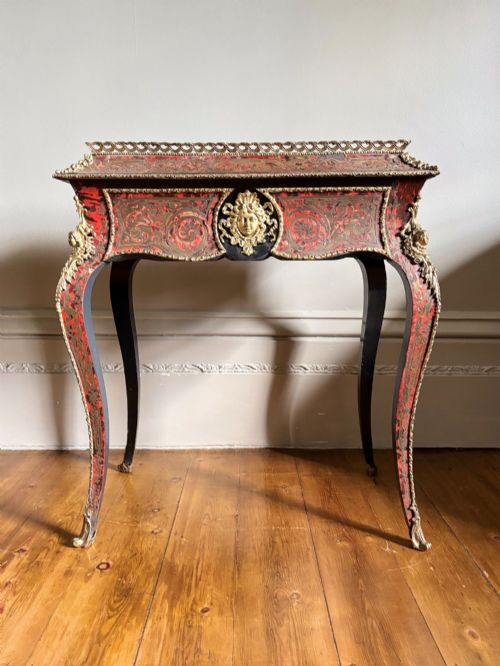


Antique Brass Mounted Table
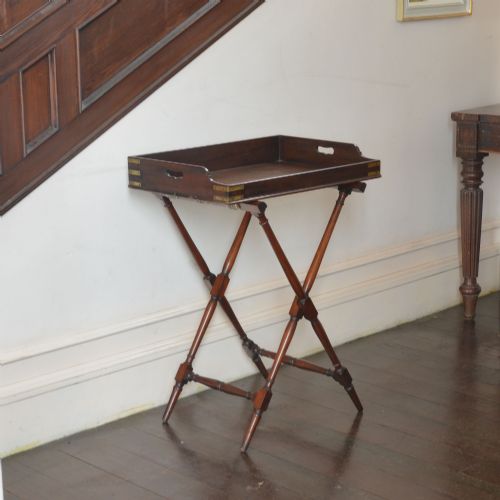
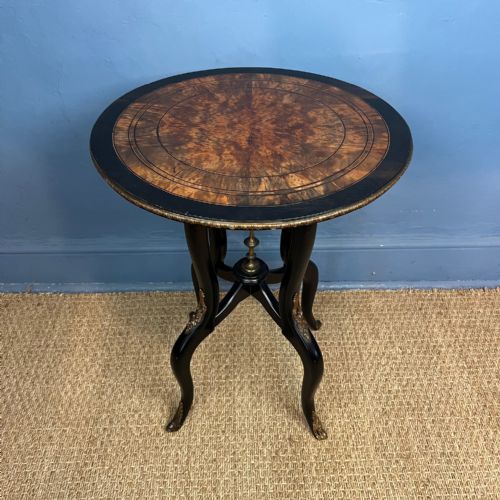
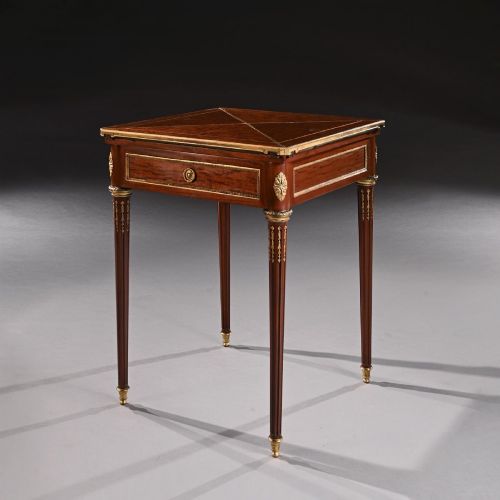
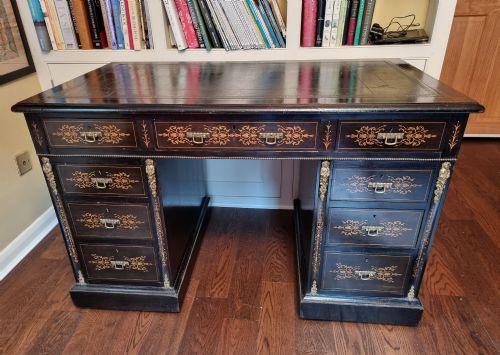
An antique brass mounted table brings structural warmth and polished hardware to a room, offering both surface utility and decorative presence.
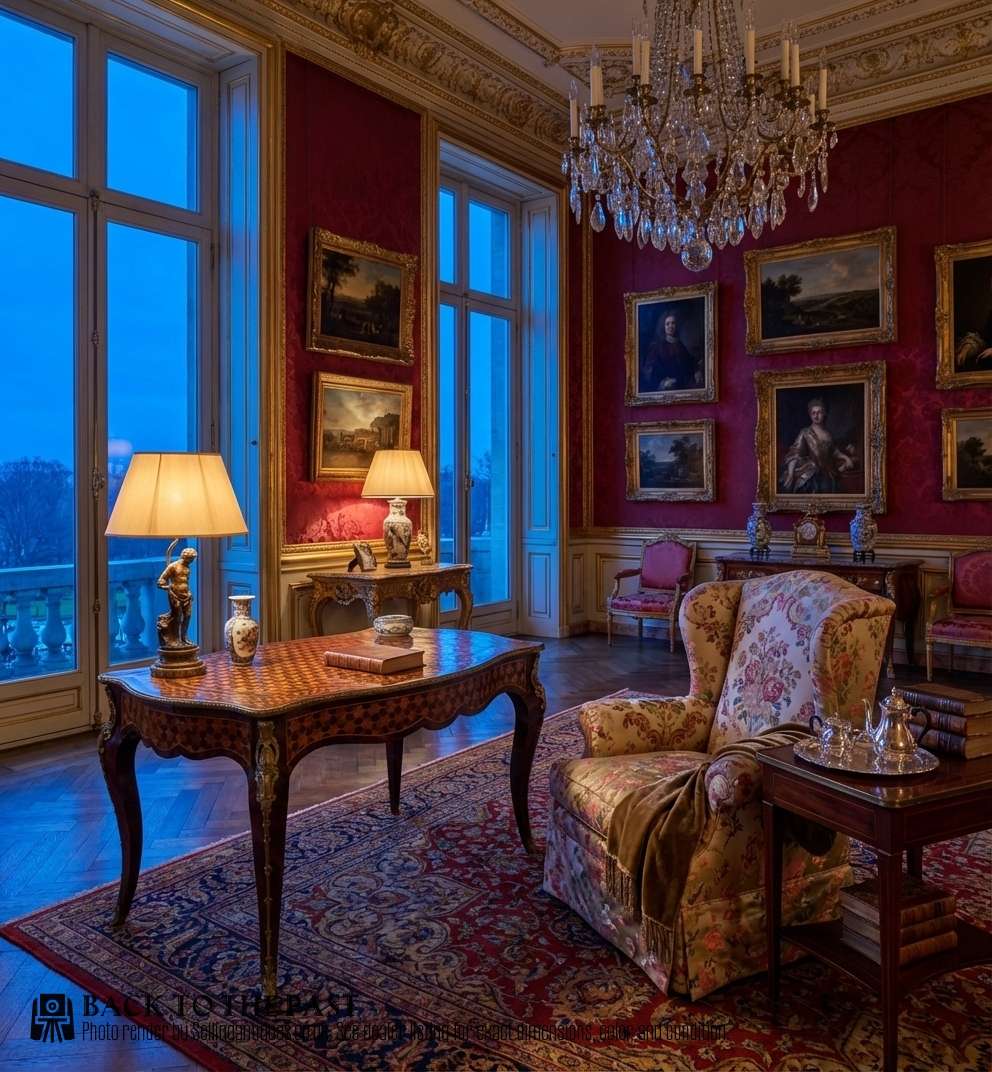
Antique Brass Mounted Table
When you search for an antique brass mounted table, you encounter an array of forms designed for display, service, and conversation across the nineteenth century. These pieces encompass centre tables, occasional tables, side tables, and sofa tables, reflecting the domestic habits of their periods.
The surviving pieces and archival records show a distinct leaning towards refined timber structures finished with metal fittings. You will most frequently meet Victorian interpretations of French styles alongside Regency and George IV forms.
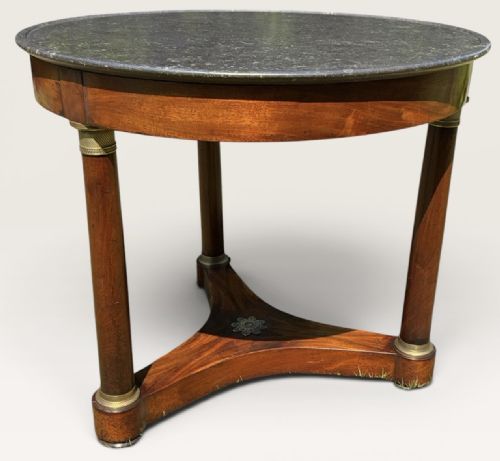
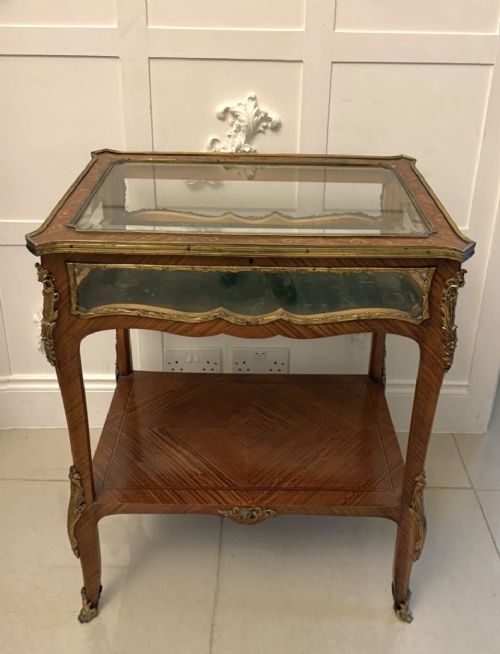
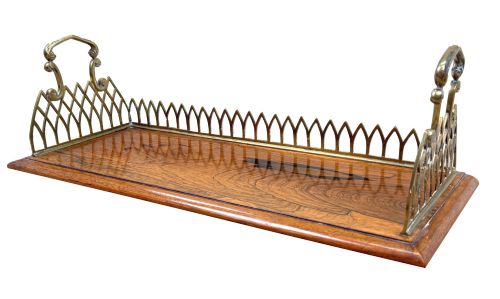
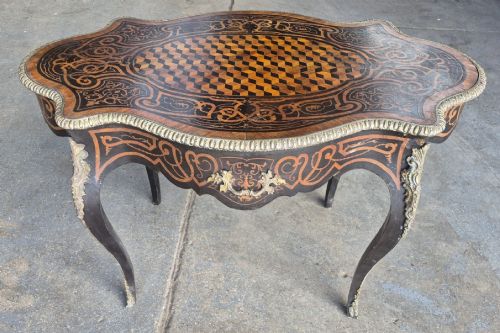
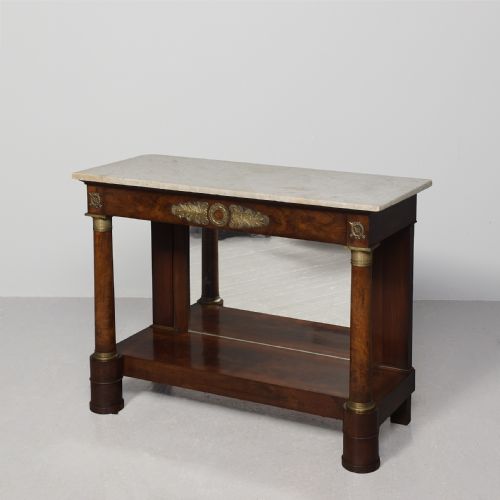
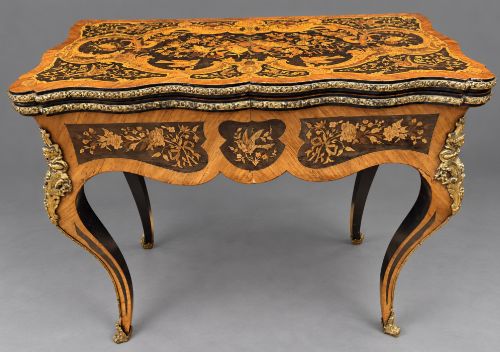
Materials range from rich rosewood and mahogany to amboyna, walnut, and exotic hardwoods, often paired with marble tops or intricate marquetry and parquetry inlay. Brass mounts, ormolu, and brass stringing provide the characteristic metallic contrast that defines the group.
Materials and construction
Cabinetmakers built these tables using dense timbers such as rosewood, mahogany, walnut, and kingwood as the primary structural bodies. Marquetry inlay, parquetry, and amboyna veneers added complex surface patterns to the tops and friezes.
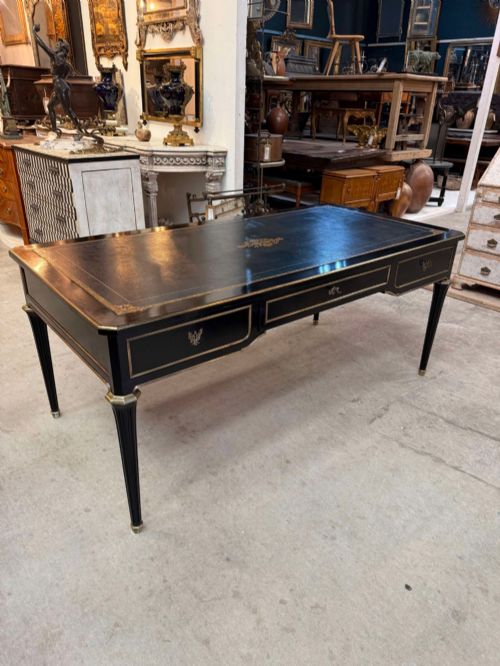
Metalwork played a defining structural and decorative role, utilising cast brass, ormolu, and inlaid brass stringing to edge tops, outline drawers, and protect corners. Marble inserts frequently provided durable, cool surfaces for lamp tables and console tables.
Antique Brass Mounted Table Retail Price Guide 2026
Typical asking prices for brass mounted table among the pieces listed under this phrase on Sellingantiques today, from the lower quarter to the upper quarter. They describe what is for sale here now, not the wider market.
Listed items span from the Regency period through the Victorian era, showcasing rosewood, mahogany, amboyna, and marble.
Distinctions in quality
The standard of timber selection and the precision of veneer work separate standard regional items from high-end metropolitan cabinet work. Grain matching across a centre table top requires exceptional skill from the maker.
The crispness and weight of the brass mounts and ormolu details indicate the level of investment in the original piece. Finely chased metalwork and heavy gauge brass fittings demonstrate superior craftsmanship compared to mass-produced alternatives.
The Antique Brass Mounted Table Glossary
- Ormolu
- Gilded bronze applied to furniture as mounts and decorative trim. It provides a bright, warm metallic accent against dark timber.
- Marquetry
- The art of applying pieces of veneer to a structure to form decorative patterns and pictures. It creates detailed pictorial surfaces on table tops.
- Parquetry
- Geometric mosaic woodwork used for repeating patterns on floors and table surfaces. It showcases the natural grain variations of different timbers.
- Sofa table
- A rectangular occasional table designed to stand in front of a sofa, typically featuring drop leaves and end supports. They gained popularity during the Regency period.
- Centre table
- A freestanding table designed to be viewed from all sides in the middle of a room. These often feature elaborate marquetry or marble tops.
Antique Brass Mounted Table: Frequently Asked Questions
What is a brass mounted table?
A brass mounted table is a piece of antique furniture decorated with brass strips, corners, or cast ormolu mounts. These metal additions served to protect vulnerable edges and enhance the visual richness of the wood.
They appear across various nineteenth-century styles, combining structural timber with polished metal details to create functional surfaces for the home.
How were these tables used originally?
These tables served multiple domestic purposes depending on their specific form, from holding lamps and books to displaying porcelain and curiosities. Centre tables occupied the middle of grand reception rooms, while smaller occasional tables stood beside seating.
Card tables provided fold-out surfaces for evening entertainment, and sofa tables stood conveniently near upholstery for writing or needlework.
Where should I place an antique table?
An antique table works well as a focal point in a reception room, hallway, or study. Centre tables anchor large spaces when placed in the middle of a room, while side and occasional tables suit empty wall spaces.
Ensure the piece sits away from direct heat sources and strong sunlight to protect the polished wood surfaces and delicate brass mounts.
How do I care for the wood and brass?
Maintain the wood by dusting regularly with a soft cloth and applying appropriate wax polish sparingly to preserve the finish. Avoid commercial liquid cleaners that can damage vintage polishes and seep into veneer joints.
Clean brass mounts gently with a dry or very slightly damp cloth, avoiding abrasive metal polishes that might stain the surrounding timber.
How do I identify the period?
Identifying the period involves examining the timber species, construction methods, and stylistic cues such as Regency curves or Victorian proportions. Cabinetmaking techniques evolved over the nineteenth century, moving from hand-cut joints to more mechanised production.
Comparing the decorative motifs, such as French Rococo Revival or Directoire lines, helps narrow down the decade of manufacture.