
Antique Side Table Castors
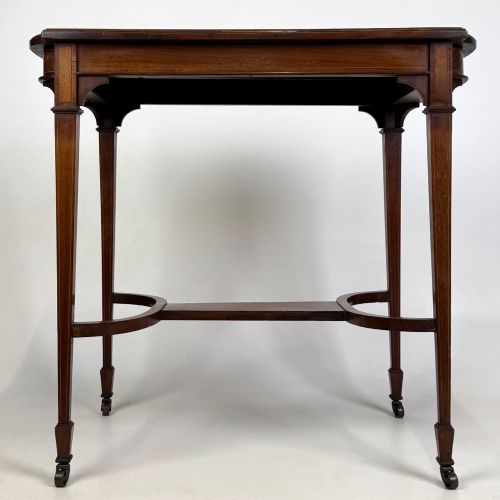
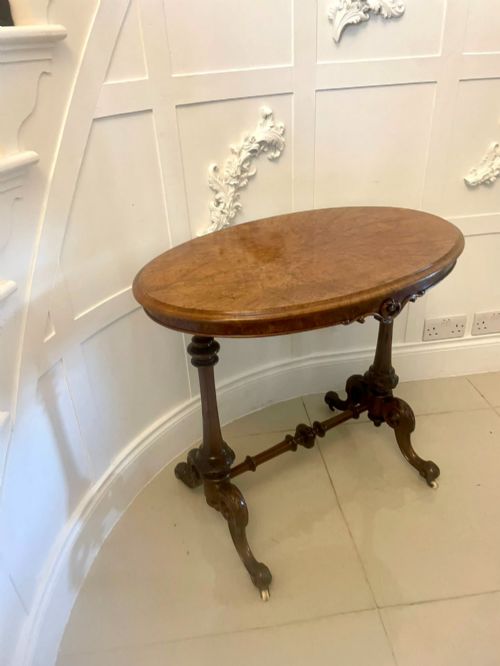
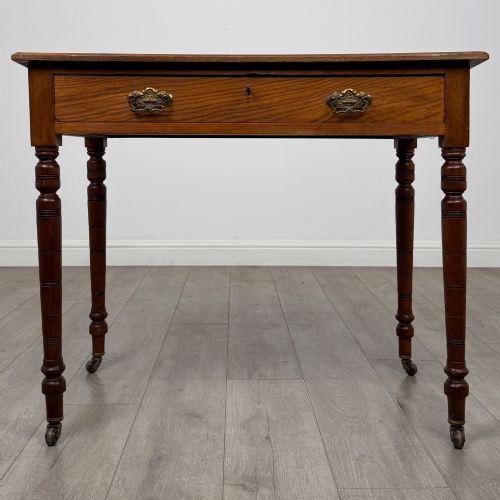
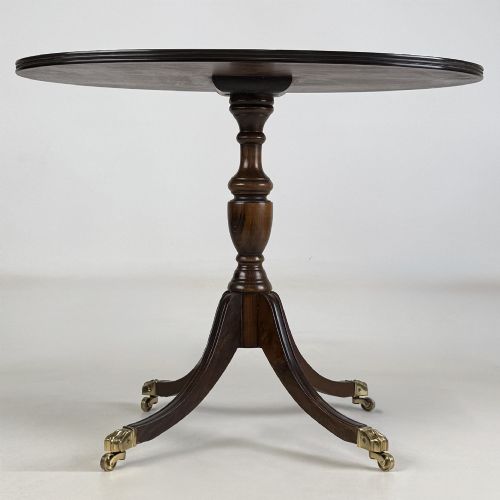
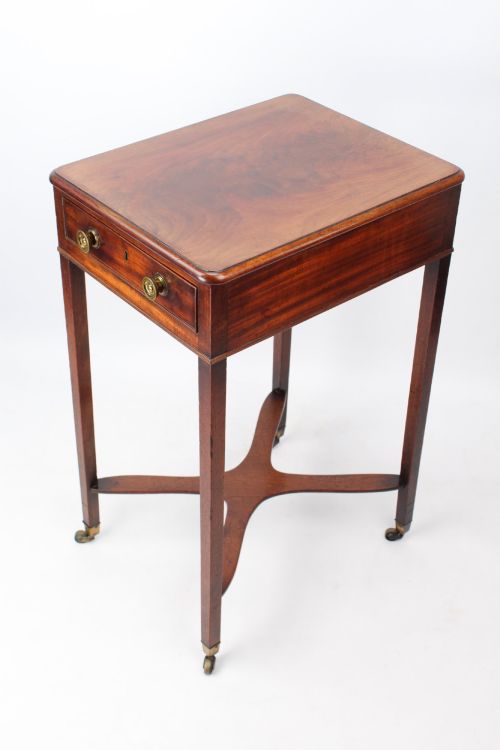
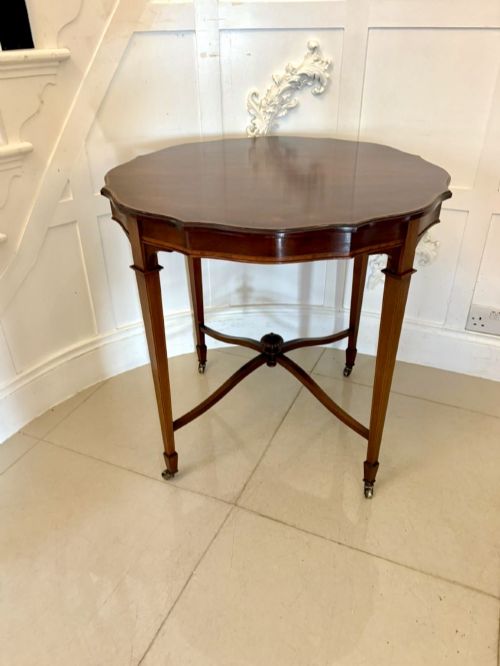
Antique side table castors support movable pieces in mahogany and walnut, bringing practical mobility to Georgian, Regency, and Victorian furniture.
Antique Side Table Castors
The pieces on this page encompass side tables and related items equipped for mobility, reflecting the functional demands of nineteenth-century interiors. Makers utilised these small wheels to facilitate the shifting of heavy furniture for dining, writing, or tea service without damaging floor coverings.
Materials and construction methods
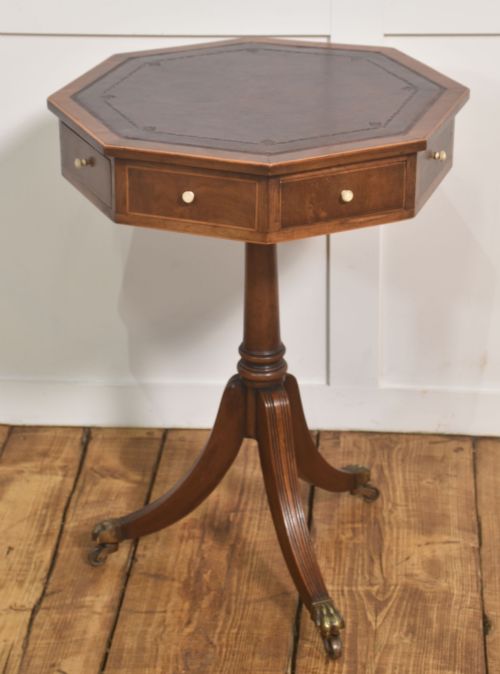
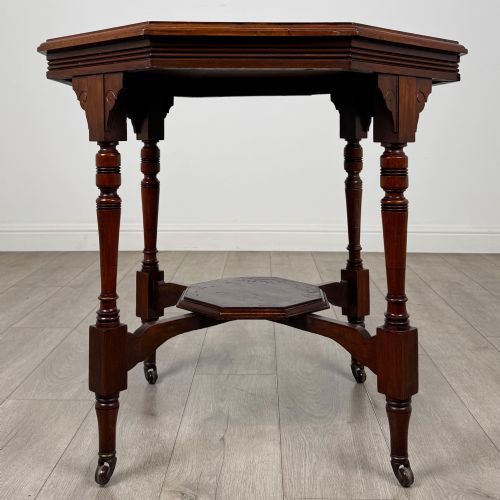
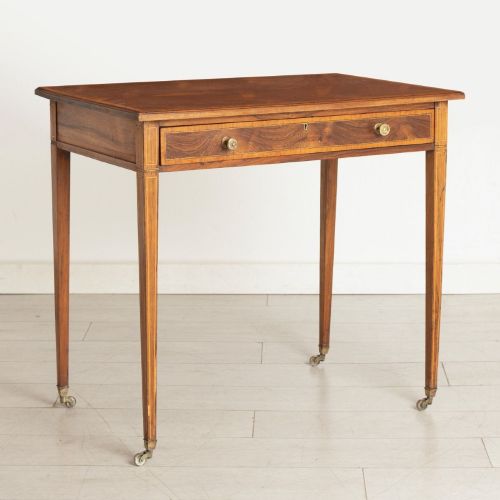
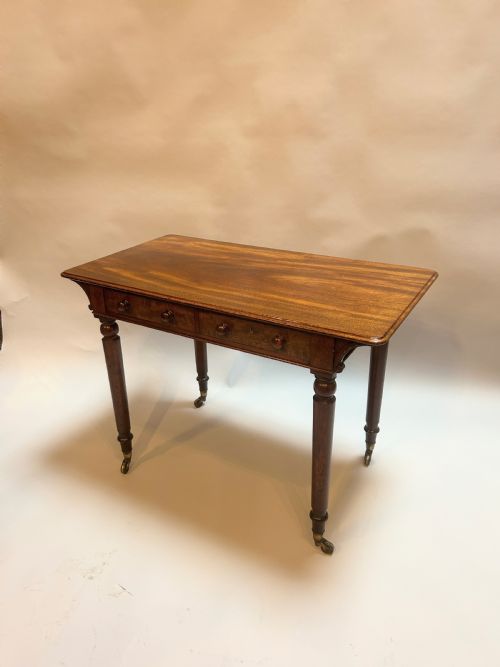
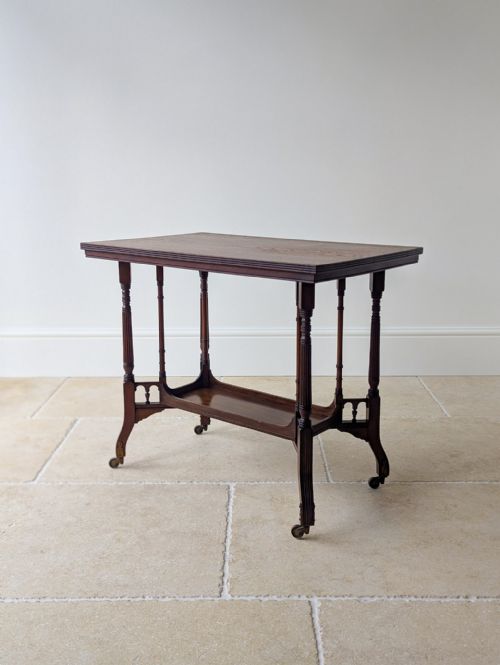
Castors were typically cast in brass, offering durability and a bright contrast against rich woods like figured mahogany, satinwood, and walnut. Artisans fitted these metal rolling elements securely to the legs of tables, ensuring smooth operation across various floor surfaces.
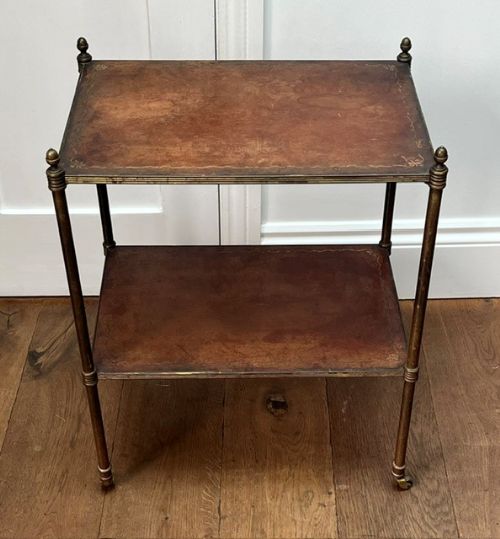
Woodworking techniques combined sturdy construction with decorative elements such as boxwood inlay, tooled leather inserts, and ceramic components. The integration of brass hardware into these forms required precise carpentry to support the weight of drop-leaf, tilt-top, and multi-tiered designs.
Antique Side Table Castors Retail Price Guide 2026
Typical asking prices for side table castors among the pieces listed under this phrase on Sellingantiques today, from the lower quarter to the upper quarter. They describe what is for sale here now, not the wider market.
Listings feature mahogany, walnut, rosewood, and satinwood across Georgian, Regency, and Victorian periods.
Distinguishing quality in design and execution
Quality rests in the precision of the metal casting and the crispness of the timber turning, where finer examples display smooth action and harmonious proportions. Superior pieces maintain their original hardware and timber patination, showing careful integration between the support frame and the rolling mechanism.
Lesser items may feature mismatched replacements or crude brass work that disrupts the period integrity of the furniture. The depth of the timber grain, such as flame mahogany or burr walnut, dictates the overall visual standard of the supporting table.
Gillows·Gregory & Co·Mallett of London
The Antique Side Table Castors Glossary
- Castor
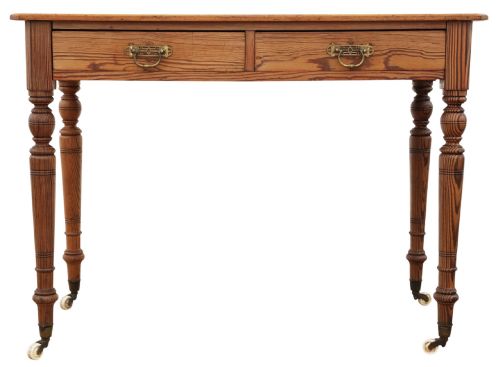
- A small wheel or set of wheels fixed to the bottom of an article of furniture to allow it to be moved easily. They are commonly fashioned from brass and mounted onto table legs.
- Pembroke table
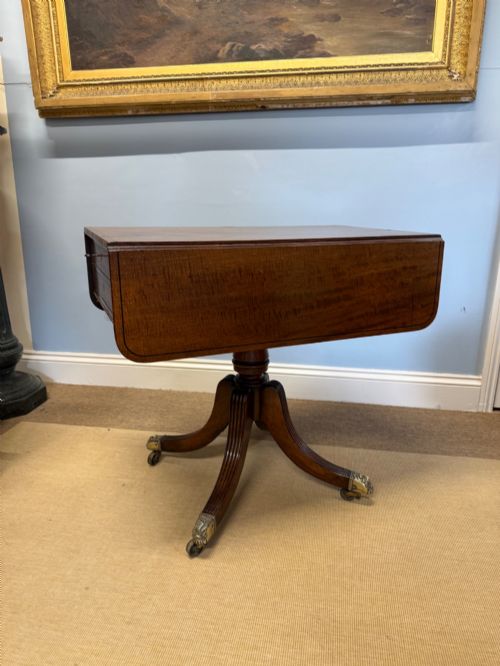
- A small table with hinged flaps on either side that can be raised or lowered. These versatile tables frequently feature small wheels for easy repositioning.
- Sofa table
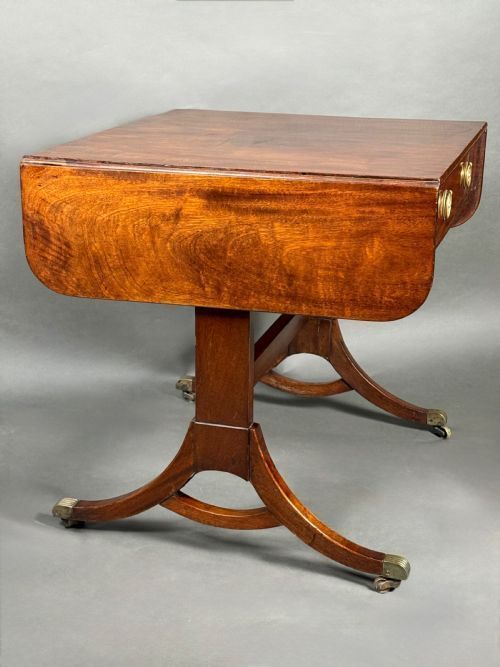
- A rectangular occasional table originally designed to stand in front of a sofa. They typically include drop leaves and are supported by twin pillars fitted with wheeled feet.
- Étagère
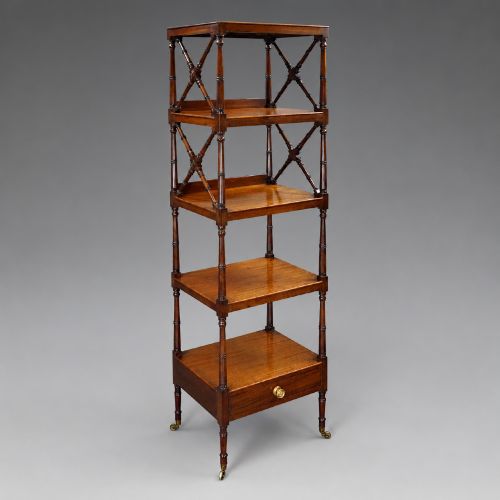
- A piece of furniture consisting of a set of open shelves for displaying small objects. Examples in the evidence often incorporate multiple tiers and rolling supports.
- Turn-over card table
- A table with a hinged top that unfolds to reveal a baize-lined playing surface. Many nineteenth-century versions include supportive underframes on castors.
Antique Side Table Castors: Frequently Asked Questions
What periods do these tables represent?
The pieces span from the late eighteenth century through the Georgian, Regency, William IV, and Victorian eras into the Edwardian period.
Craftsmen across these decades applied rolling supports to various table forms to accommodate changing domestic habits.
Which woods are most common?
Mahogany forms the majority of the surviving framework, appearing alongside rosewood, walnut, and satinwood.
Inlaid details in boxwood and structural elements in pitch pine and oak also appear within the listings.
How were these tables used originally?
They served multiple functions in reception rooms, libraries, and parlours for writing, tea service, and sewing.
The addition of wheels allowed owners to reposition heavy timber furniture easily as daily activities required.
Are the brass fittings original?
Many pieces retain their period brass hardware, though some replacement parts occur across centuries of use.
Examining the fit and metal patination helps determine whether the hardware belongs to the original construction.