


Vintage Sewing Box Table
A vintage sewing box table unites practical storage with elegant surface space, offering fitted compartments for needlework alongside a neat occasional table.
Vintage Sewing Box Table
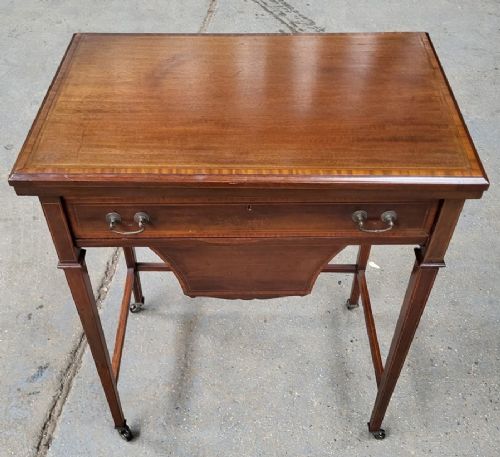
A vintage sewing box table combines the function of a small storage chest with the footprint of a compact side table. These pieces serve as practical household furniture while concealing internal compartments designed for needles, thread, and textile projects.
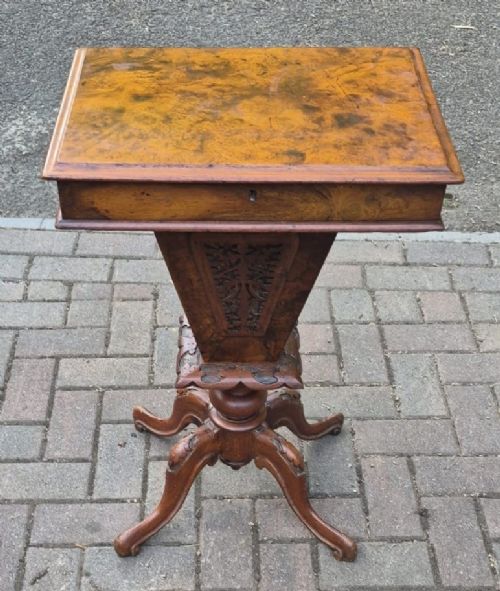
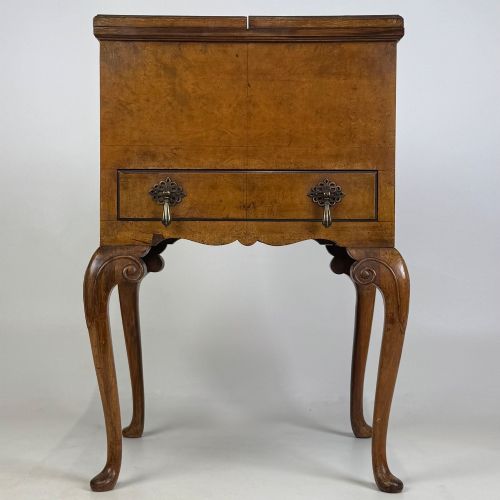
The selections span multiple eras, with Edwardian and Victorian examples appearing frequently alongside earlier Regency and William IV forms. Makers constructed these items in various configurations, including trumpet tables, octagonal formats, and cabinet styles.
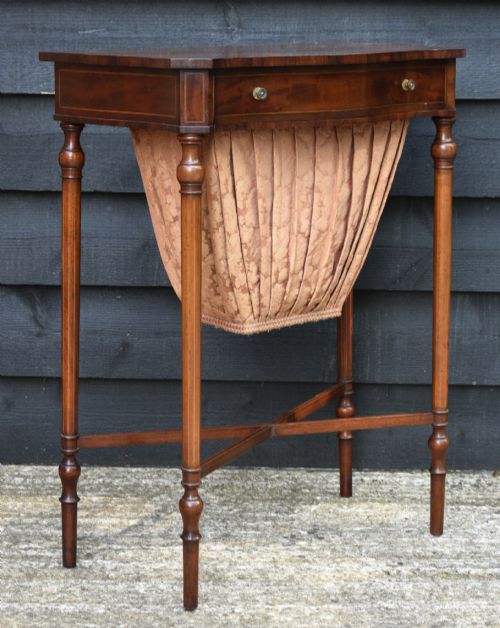
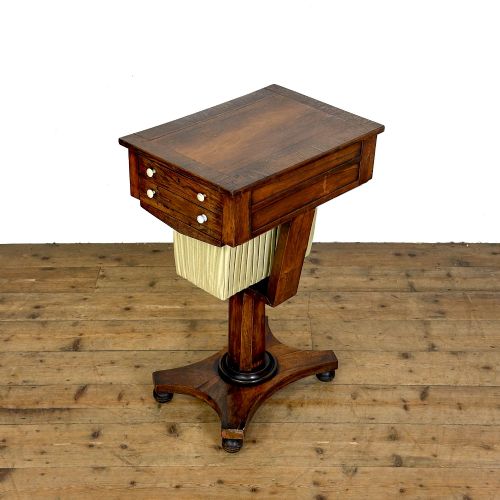
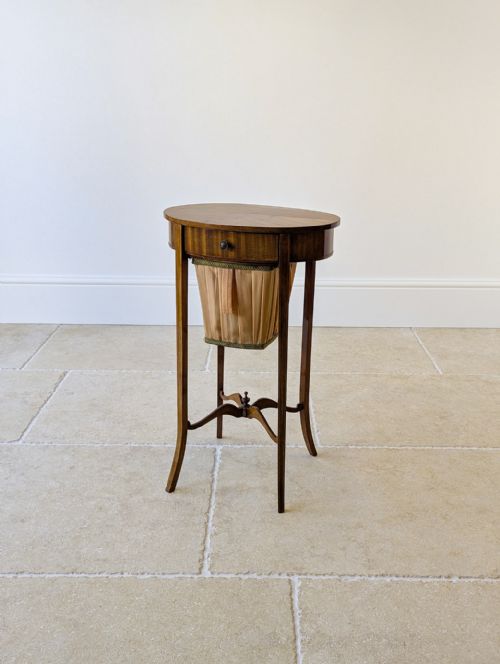
Materials range from rich hardwoods like mahogany, walnut, and rosewood to lighter satinwood surfaces. Many versions incorporate silk baskets or specialised fitted interiors to hold sewing equipment safely beneath the tabletop.
Materials and construction methods
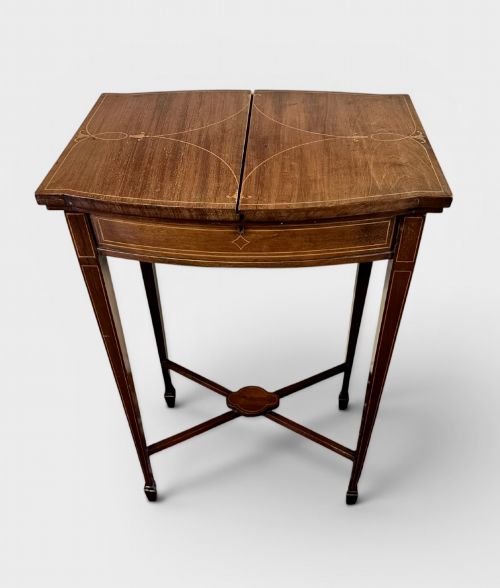
Cabinet makers utilised solid timbers and decorative veneers, applying mahogany, rosewood, and burr walnut across the structural bodies. Marquetry inlay, cross-banding, and brass fittings often enhanced the exterior appearance of these functional objects.
Internal compartments required careful joinery to create fitted trays and sliding sections for small sewing implements. Silk and fabric linings were frequently integrated into drop baskets and lower storage wells to cushion delicate materials.
Vintage Sewing Box Table Retail Price Guide 2026
Typical asking prices for vintage sewing box table among the pieces listed under this phrase on Sellingantiques today, from the lower quarter to the upper quarter. They describe what is for sale here now, not the wider market.
Even the smallest Edwardian tables manage to conceal intricate fitted interiors for clandestine embroidery projects.
Distinguishing quality across examples
Quality rests in the precision of the timber selection and the complexity of the exterior decoration, such as marquetry inlay or ormolu mounts. Fine pieces display meticulous attention to detail in the execution of serpentine shapes and satinwood borders.
The sophistication of the interior mechanism dictates the tier of the piece. Well-executed examples feature smoothly operating drawers, tailored silk baskets, and intact fitted compartments rather than basic unadorned storage spaces.
Waring & Gillow
The Vintage Sewing Box Table Glossary
- Work table
- A multi-purpose piece of furniture designed primarily for needlework, featuring a top surface above storage compartments or hanging fabric bags.
- Trumpet table
- A form characterised by an octagonal or circular body that flares outwards toward the base like the bell of a musical instrument.
- Marquetry
- The decorative art of applying pieces of veneer to a structure to form intricate pictorial designs and geometric patterns.
- Satinwood
- A durable, lustrous timber with a yellowish sheen utilised extensively for fine stringing and cabinet veneers.
- Ormolu
- Gilded bronze ornamentation applied to the corners, feet, or mounts of high-status furniture pieces.
Vintage Sewing Box Table: Frequently Asked Questions
What is a sewing box table?
A sewing box table is a compact piece of furniture that combines an occasional table top with an internal storage compartment or suspended fabric bag for needlework.
These items were designed for domestic use in sitting rooms and parlours, allowing individuals to keep crafting materials close at hand without cluttering the room.
How were these tables used originally?
In the nineteenth and early twentieth centuries, women used these tables to store sewing, embroidery, and lacemaking supplies during social gatherings at home.
The top provided a stable surface for writing or placing lamps, while the internal trays kept spools, pins, and scissors organised during textile projects.
How do I identify a Victorian example?
Victorian versions often feature darker timbers such as rosewood and walnut, sometimes embellished with elaborate marquetry inlay or trumpet-shaped bodies.
Construction from this period frequently emphasises heavier proportions, turned pedestals, and rich grain patterns in the polished wood surfaces.
Are Edwardian tables different?
Edwardian interpretations tend to utilise lighter woods like mahogany and satinwood, often featuring delicate inlay work, tapered legs, and small proportions.
These pieces frequently incorporate silk hanging baskets and serpentine shaping, reflecting a transition toward more graceful and refined domestic furnishings.