
Claw Foot Side Table
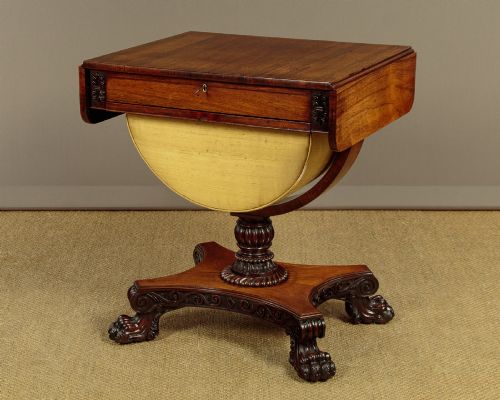
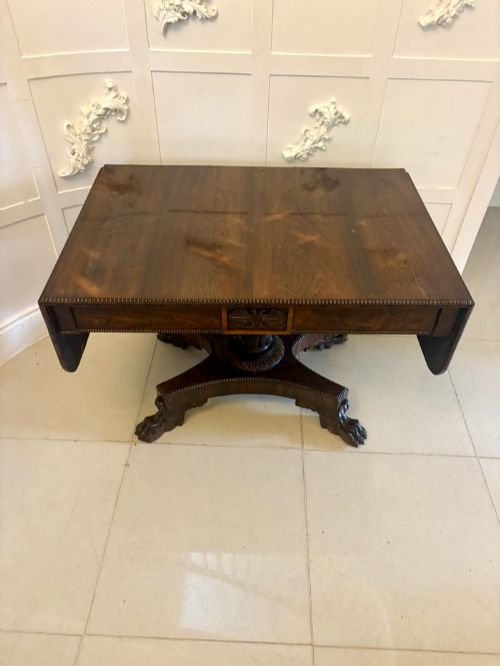
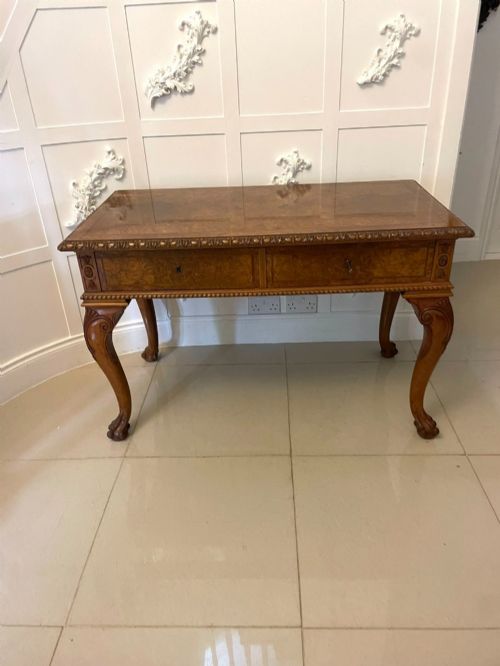
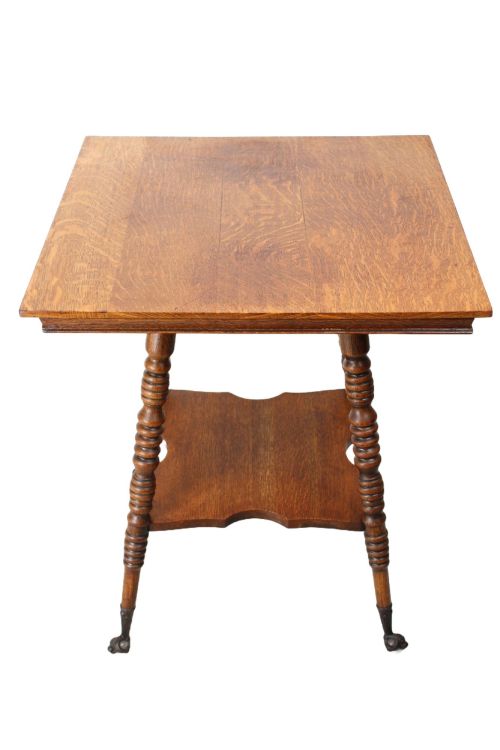
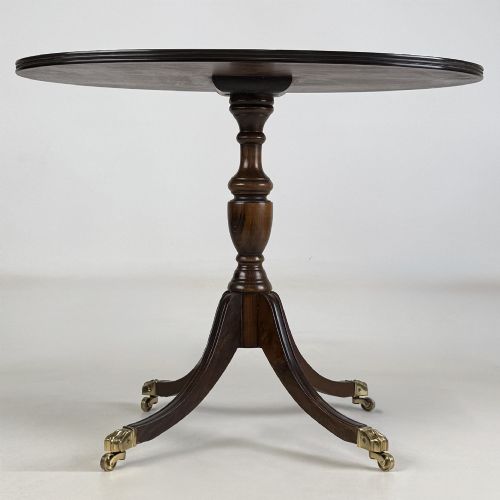
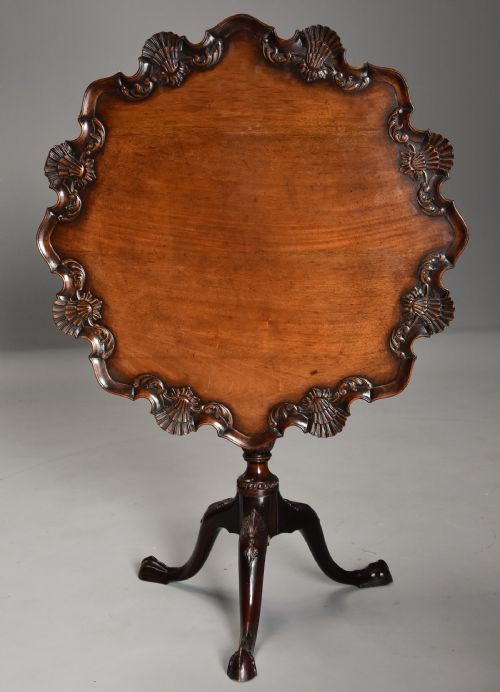
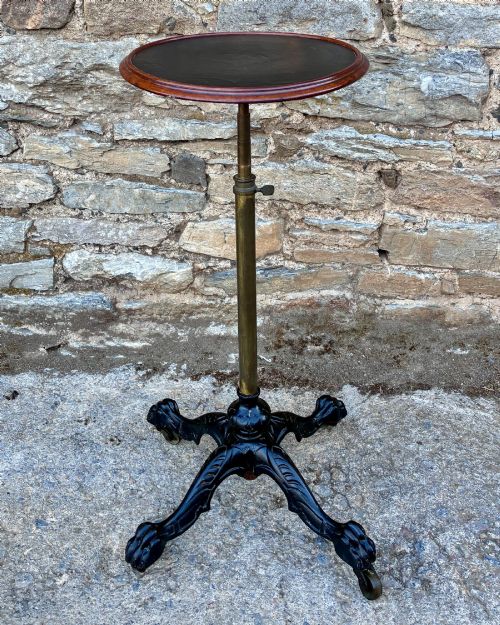
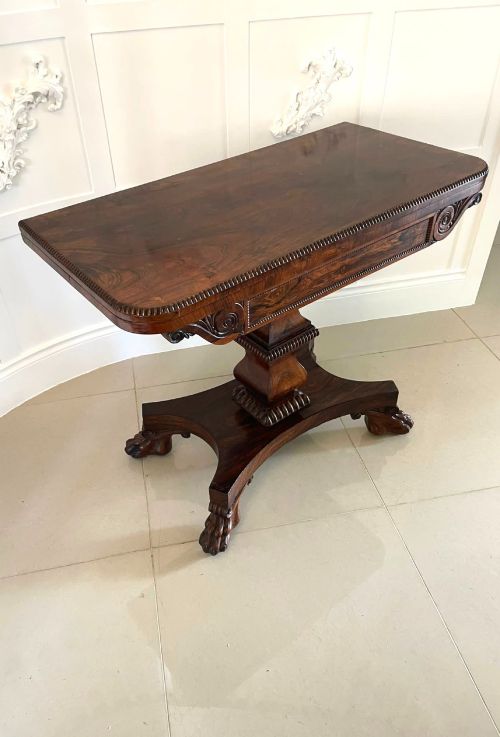
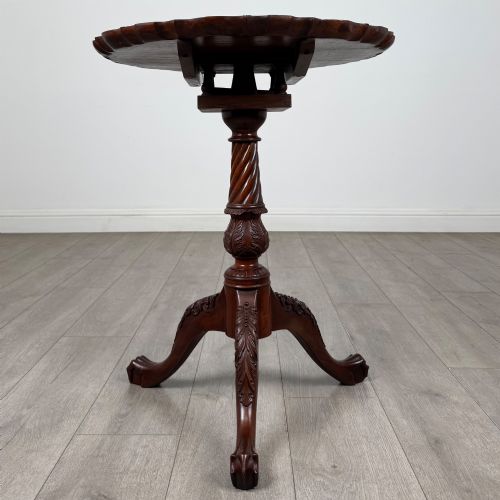
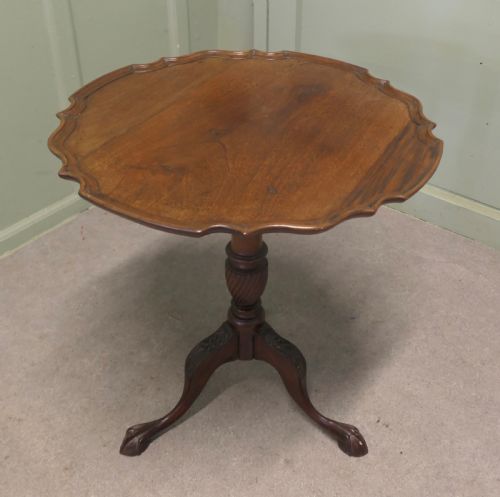
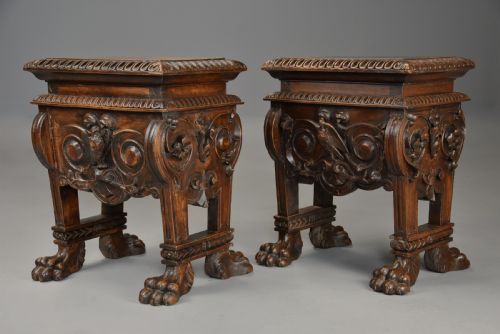
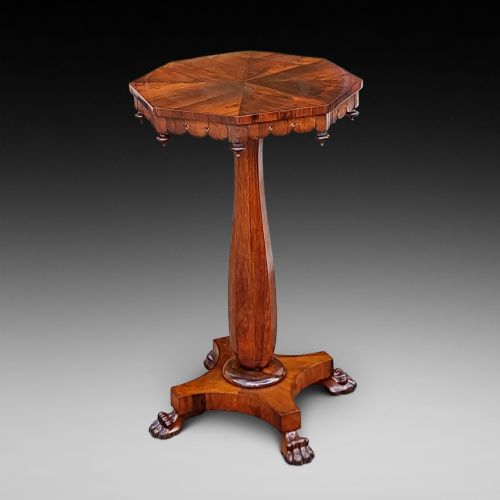
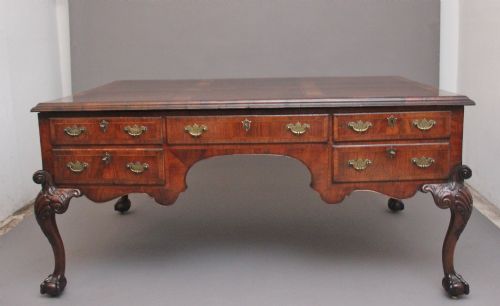
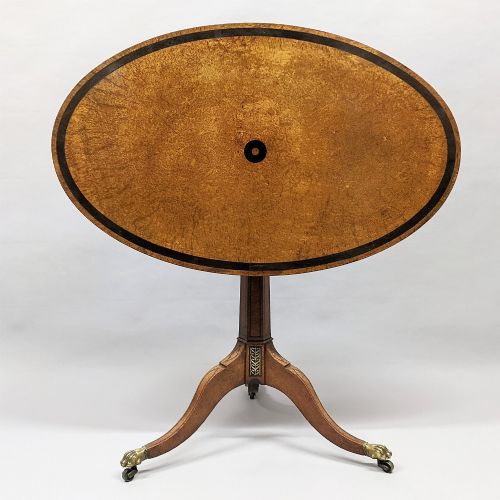
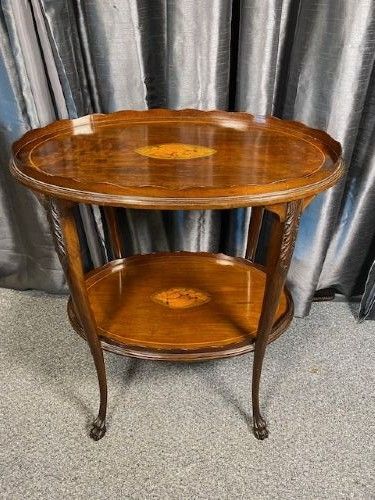
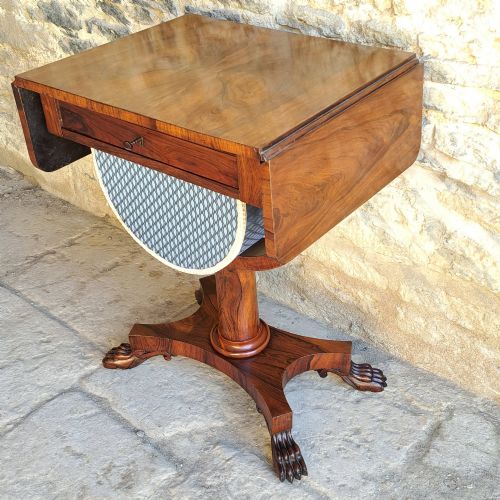
These claw foot side table pieces combine substantial timber frames with distinct paw supports, offering a practical surface grounded by sculptural joinery.
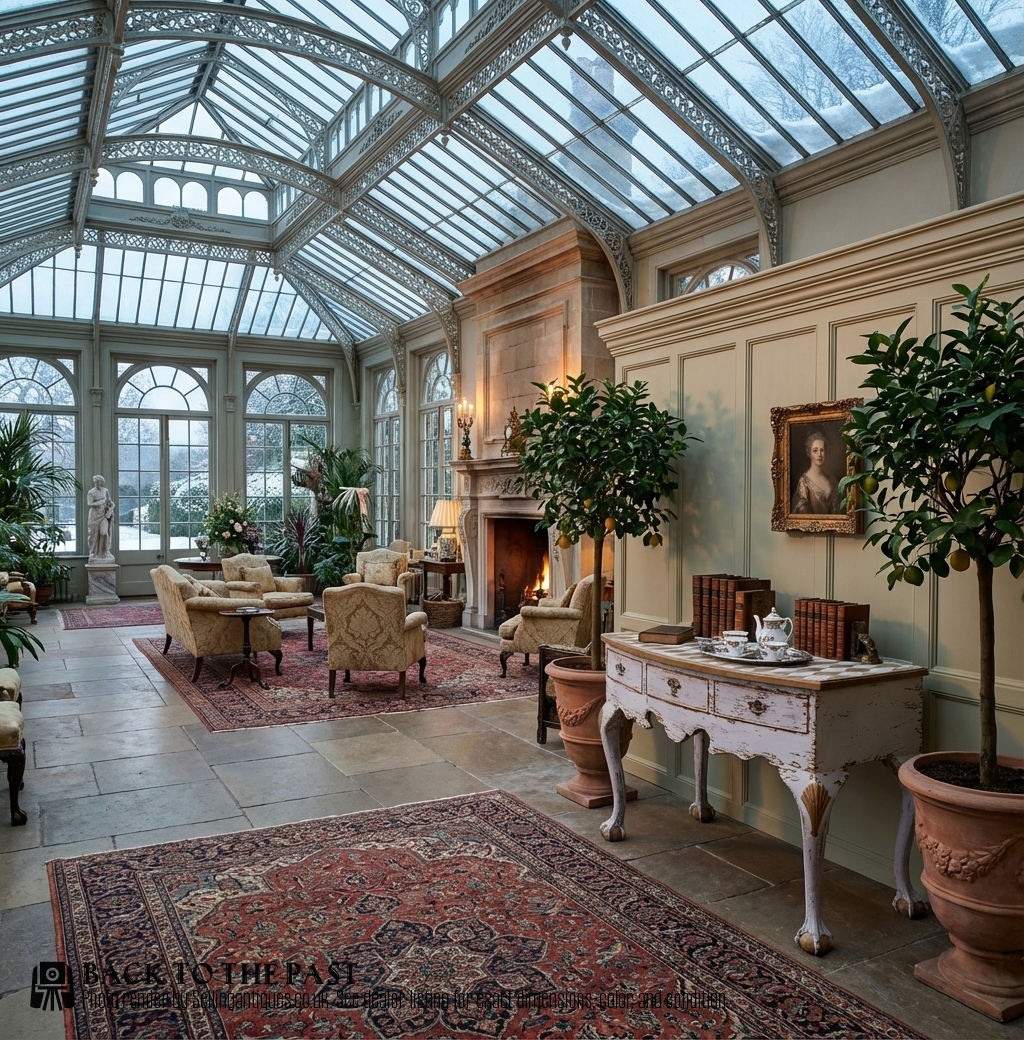
Claw Foot Side Table
When you search for a claw foot side table, you encounter a variety of occasional, console, card and serving tables spanning the eighteenth, nineteenth and early twentieth centuries. These forms reflect diverse stylistic revivals, including Georgian, Regency, Victorian, William IV and Chippendale influences.
The selections on this page incorporate distinct support structures, ranging from tripod pedestals to four-legged freestanding console bases. Materials vary widely across these periods, encompassing mahogany, rosewood, walnut, burr walnut, oak, marble and brass.
How they were made
Cabinet makers utilised dense hardwoods such as mahogany, rosewood and walnut, frequently selecting figured veneers like burr walnut and curl grain mahogany for tabletops. Structural elements often rely on solid oak or secondary timbers to support heavy marble slabs, parquetry tops and tilt-top mechanisms.
Carved paw feet and tripod bases required precise hand-chiselling, while mechanical components like birdcage actions, telescopic adjustments and fold-over hinges involved specialised metalwork and brass fittings.
Claw Foot Side Table Retail Price Guide 2026
Typical asking prices for claw foot side table among the pieces listed under this phrase on Sellingantiques today, from the lower quarter to the upper quarter. They describe what is for sale here now, not the wider market.
Listings feature pieces spanning the eighteenth century through to the Edwardian era, constructed primarily in mahogany, rosewood and walnut.
What varies in quality
The standard of a piece depends heavily on the crispness of the hand-carving on the paw feet and the selection of timber veneers. Master craftsmen achieved greater depth in carved mahogany and walnut details, whereas lesser examples show softer, less defined contours.
Internal construction, such as the integrity of tilt-top mechanisms, birdcage pivots and drawer linings, distinguishes finer workshop production from standard commercial output.
Gillows·Ralph Turnbull
The Claw Foot Side Table Glossary
- Tilt-top table
- A table with a hinged mechanism allowing the top to pivot vertically for storage. This clever design saved floor space in period rooms.
- Card table
- A folding table intended for gaming or social play, often featuring a baize-lined interior and a swivelling or concertina action.
- Sofa table
- A rectangular occasional table traditionally placed in front of a sofa, equipped with drop leaves and twin pillar supports.
- Tripod table
- A small freestanding table supported by a central pillar resting on three legs. These versatile pieces appeared frequently in eighteenth and nineteenth-century parlours.
- Parquetry
- Geometric wood inlay forming decorative patterns across a tabletop. Craftsmen utilised contrasting timbers such as amboyna and ebony to achieve striking visual depth.
Claw Foot Side Table: Frequently Asked Questions
What is a claw foot side table used for?
These tables served various domestic functions, from holding tea services and lamps to acting as writing or display surfaces in principal rooms.
Their compact footprints allowed them to sit beside seating arrangements or against walls as decorative consoles.
How do I identify a tilt-top mechanism?
A tilt-top mechanism utilises a catch and pivot block beneath the surface, permitting the timber top to lock flat or swing upright when not in use.
Many examples incorporate birdcage assemblies that allow the tabletop to rotate independently of the central pedestal.
What woods were commonly used?
Mahogany, rosewood and walnut dominate the surviving pieces, often enhanced by burr walnut veneers or inlaid decorative borders.
Earlier examples frequently utilise solid mahogany or oak, while nineteenth-century variations introduce exotic timbers like amboyna and Karelian birch.
How do I date these tables?
Dating relies on stylistic markers such as Regency paw feet, William IV proportions, or Edwardian revival details combined with timber characteristics.
Construction methods, including hand-cut dovetails and traditional joinery, also help establish the approximate period of manufacture.