


William IV Wine Table
A william iv wine table brings compact nineteenth-century elegance to a room, offering a sturdy pedestal base and a rich timber top for daily use.
Forms and Origins
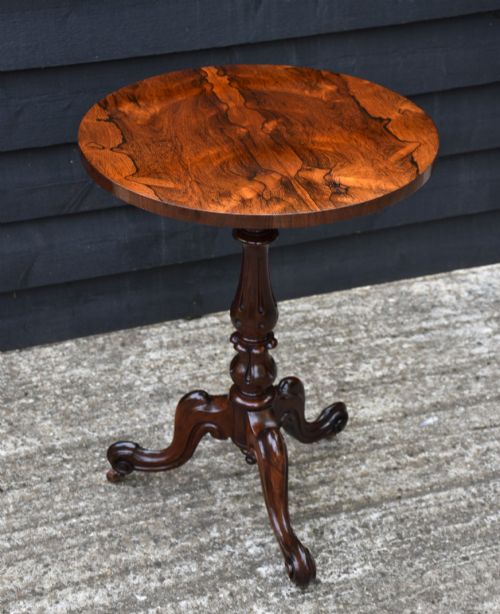
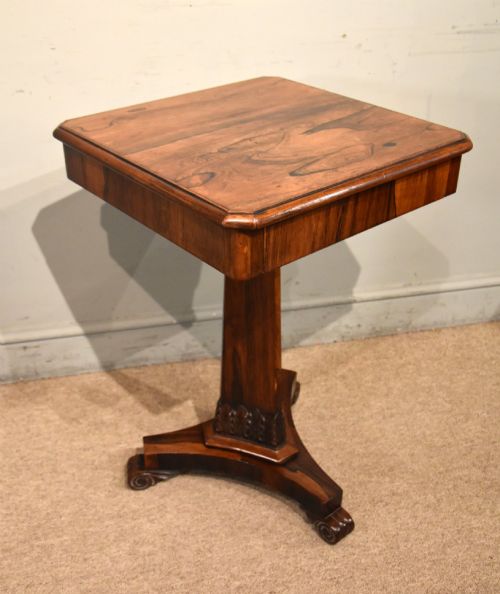
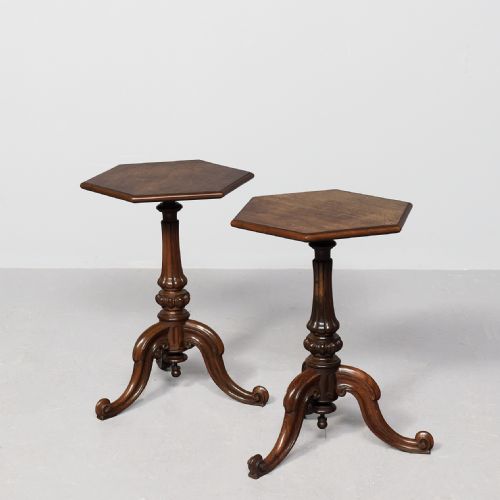
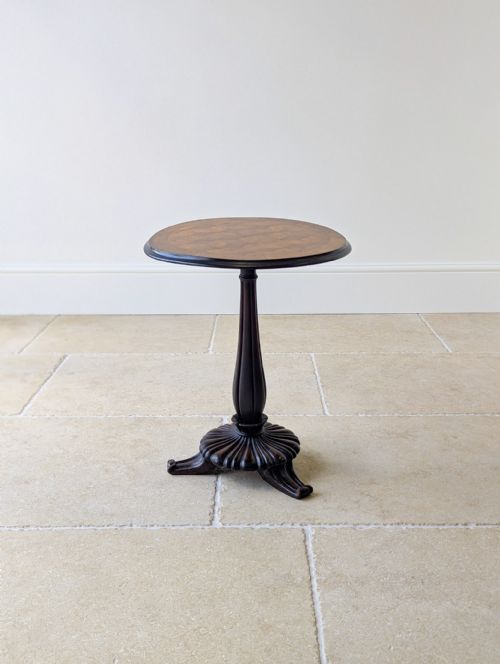
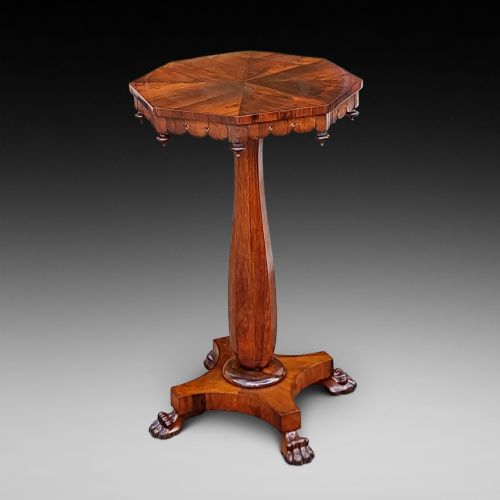
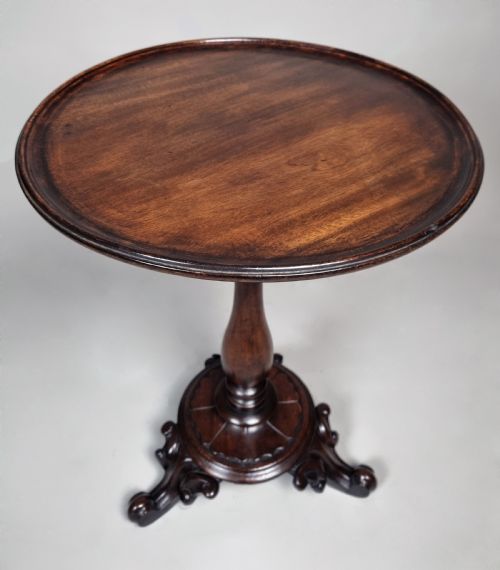
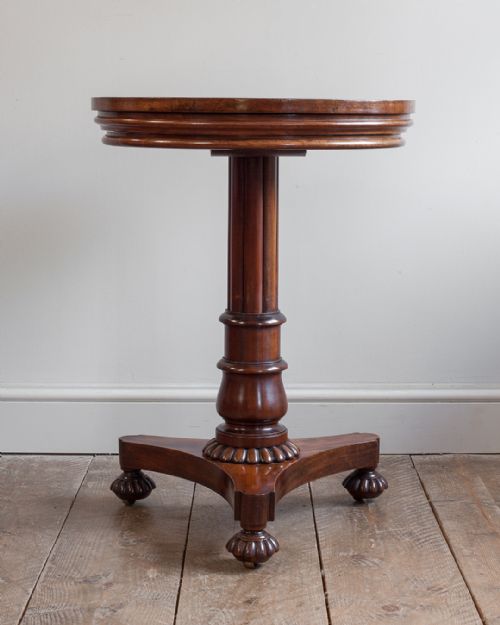
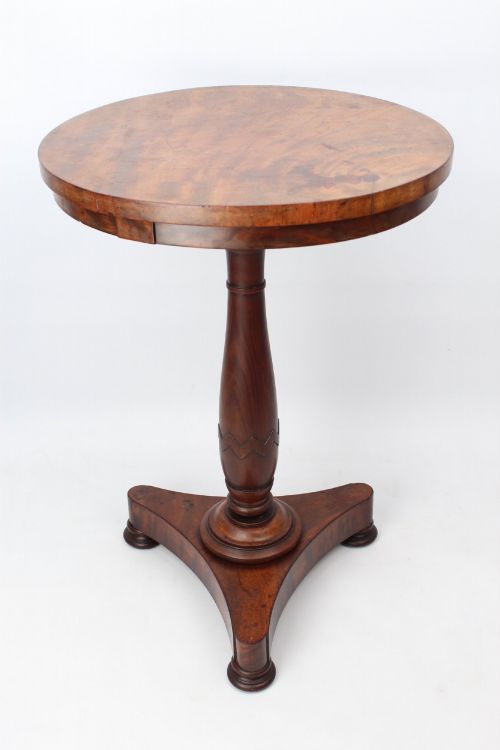
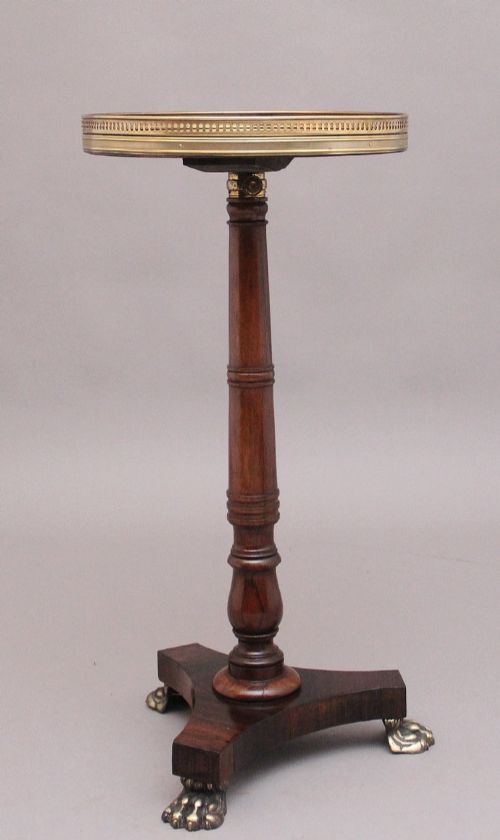
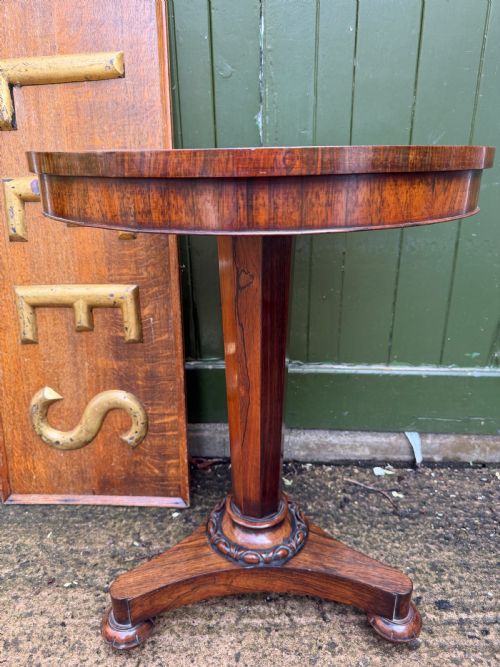
A william iv wine table is typically encountered as a compact pedestal piece designed for occasional use beside seating, spanning the nineteenth century with roots in Georgian and Regency design. These pieces often feature circular, square, or octagonal tops supported by a pillar and tripod legs.
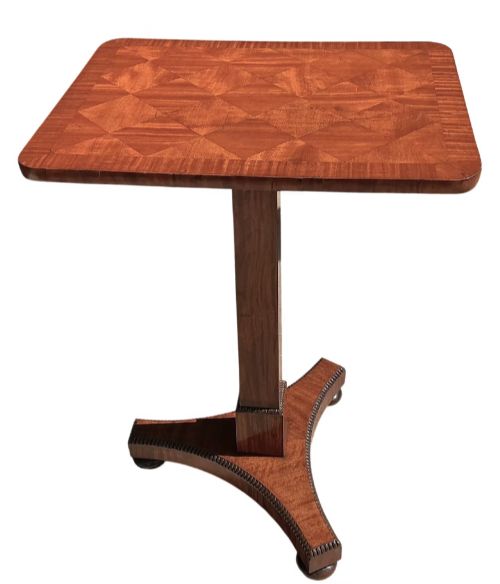
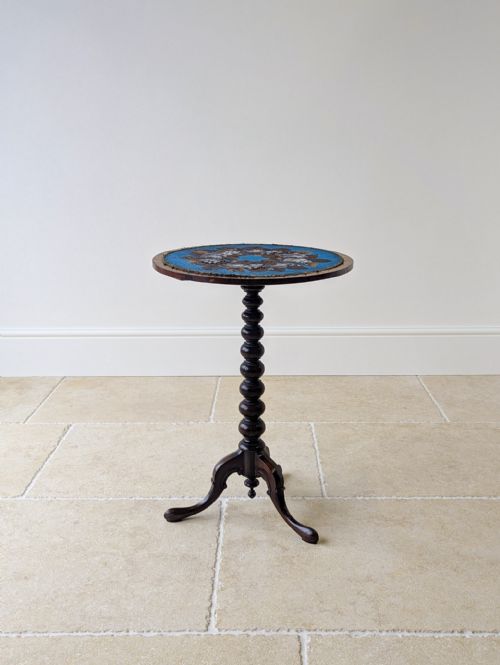
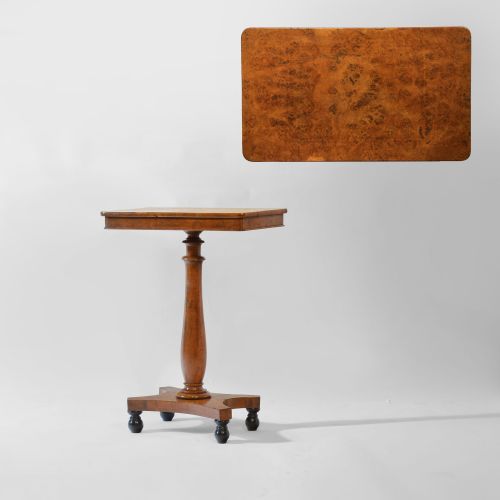
The evidence shows diverse timber choices including mahogany, flame mahogany, rosewood, and goncalo alves, sometimes paired with specimen wood or beadwork tops. Alongside dedicated wine tables, similar forms double as lamp, hall, or plant tables.
Materials and Technique
Cabinet makers utilised dense hardwoods such as mahogany and rosewood, often highlighting natural grain patterns through flame mahogany or cross-banding. Structural elements frequently incorporate ring-turned supports and sturdy pedestals.
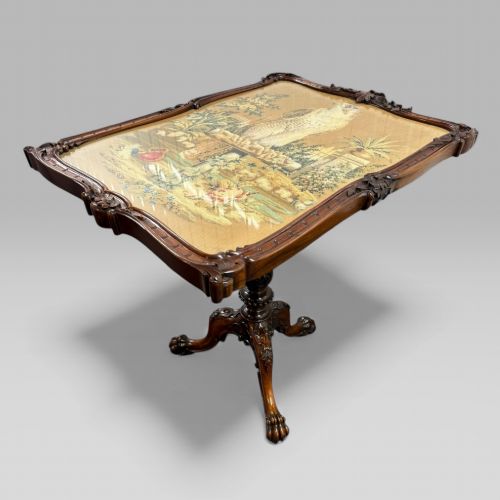
Decorative details extend to brass accents, ebonised finishes, granite tops, and intricate beadwork or tapestry panels set into the table surface. Tilt-top mechanisms and tripod or cabriole leg arrangements provide functional stability.
Retail Price Guide 2026
Typical UK retail prices for william iv wine table, calculated from the Sellingantiques database of over a million retail prices indexed since 2003. This retail price guide relies exclusively on Sellingantiques data; no external sources or auction records are used, so the figures do not describe the wider market.
Judging Quality
Quality rests upon the choice of timber and the sophistication of its grain, where highly figured flame mahogany or rich rosewood elevate a piece above standard stock. Superior examples demonstrate refined turning on the central pedestal and precise joinery in the tripod base.
Design flourishes such as specimen wood tops, scallop edges, or integrated beadwork distinguish finer tables from simpler utilitarian forms. The integration of functional elements like tilt-top mechanisms also marks the upper tier of production.
The William IV Wine Table Glossary
- Flame mahogany
- A veneer cut from timber fork joints that creates a dramatic, flamy figuring across the table top. This decorative surface was favoured in high-status nineteenth-century furniture.
- Tripod base
- A three-legged support structure radiating from a central pillar. This configuration ensures stability on uneven floors.
- Tilt-top mechanism
- A hinge arrangement allowing the table top to pivot vertically when not in use. It enables compact storage against a wall.
- Ring-turned support
- A pillar shaped on a lathe with decorative horizontal rings or reeding. It is a defining characteristic of nineteenth-century pedestals.
- Specimen wood
- A mosaic surface composed of multiple contrasting timber species arranged in geometric patterns. These decorative tops require exceptional woodworking skill.
Frequently Asked Questions
What is a william iv wine table?
A william iv wine table is a small nineteenth-century pedestal stand originally designed to hold drinks beside a chair or sofa. These versatile tables appear in various timber finishes and top shapes.
Today, they function equally well as lamp stands, plant holders, or compact side tables in traditional and modern interiors alike.
How do I date a william iv table?
Dating relies on stylistic markers such as ring-turned pedestals, tripod legs, and specific timber choices like rosewood and flame mahogany. Many pieces date from the broader nineteenth-century Regency and Victorian transition periods.
Examining the construction methods and secondary timbers underneath can provide further clues to the manufacturing era.
Are these tables sturdy enough for daily use?
Most pieces feature heavy hardwood construction and stable tripod bases designed to support daily items like lamps and drinks. The solid pedestals distribute weight evenly across the floor.
Care should be taken with tilt-top mechanisms and veneered surfaces to avoid unnecessary strain or moisture damage during everyday use.
What woods were used for these tables?
Cabinet makers predominantly used mahogany and rosewood, frequently selecting highly figured flame mahogany for the table tops. More uncommon examples feature goncalo alves or decorative specimen wood mosaics.
Accents in brass, ebonised timber, and granite occasionally appear alongside traditional wood finishes.