
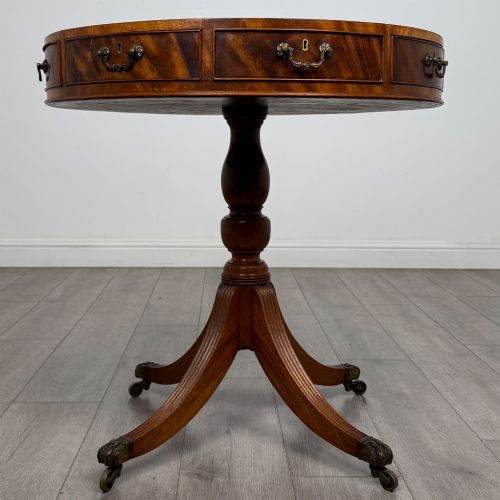
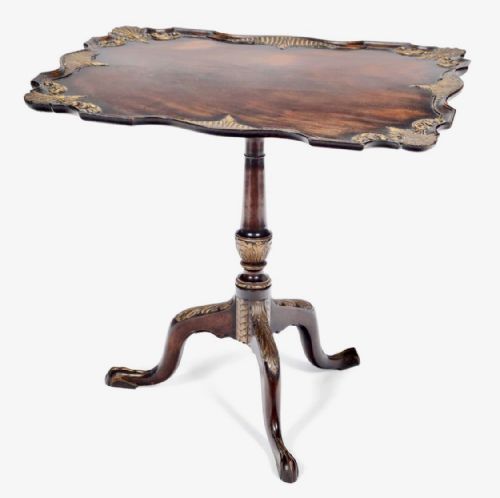

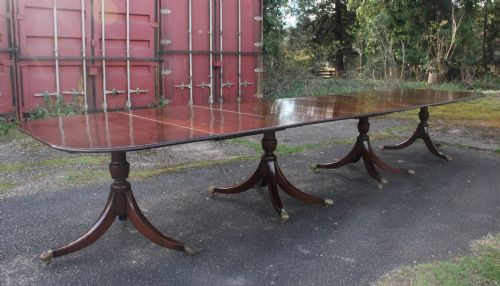
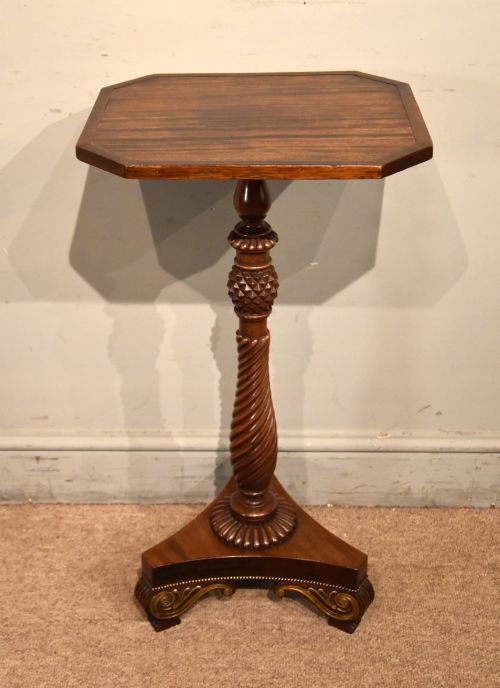
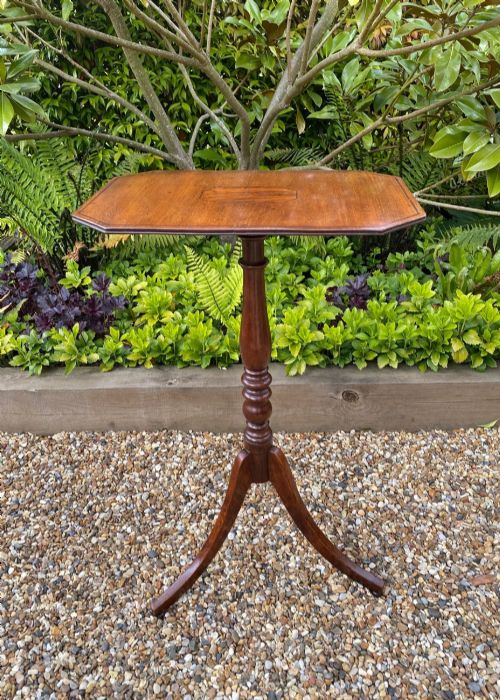
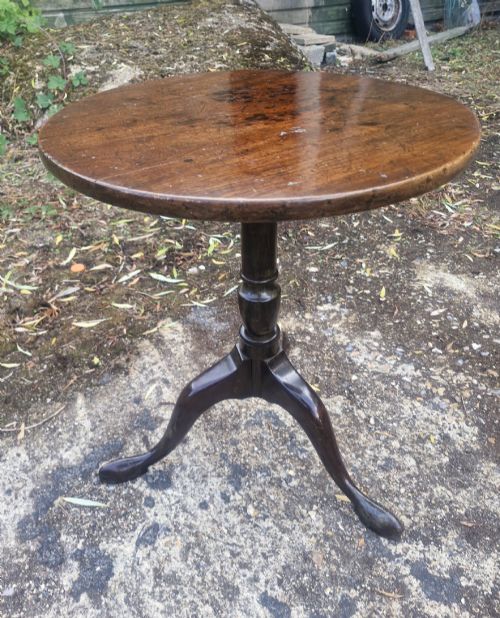
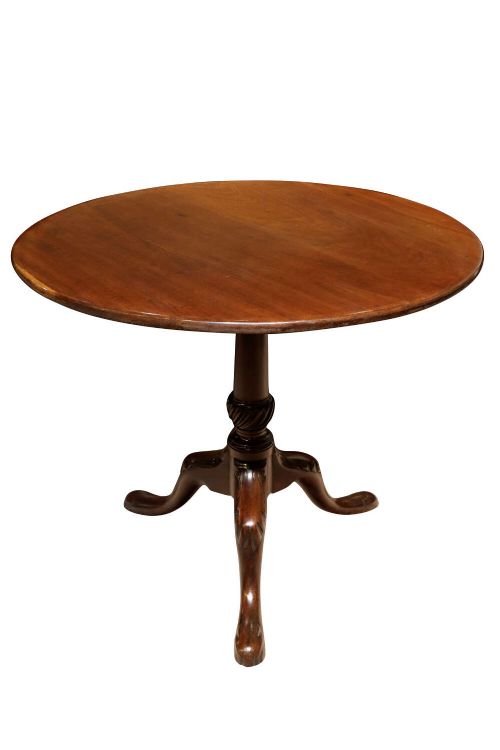
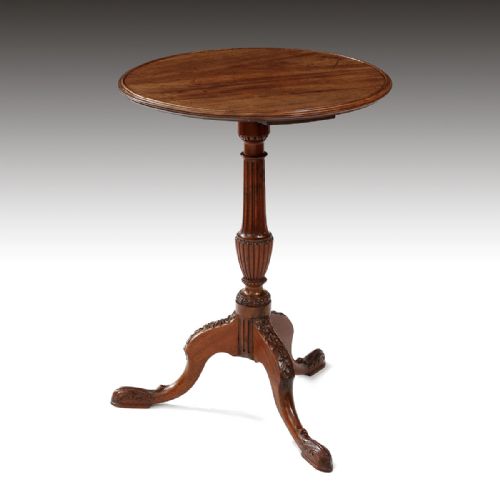
Regency Mahogany Tripod Table
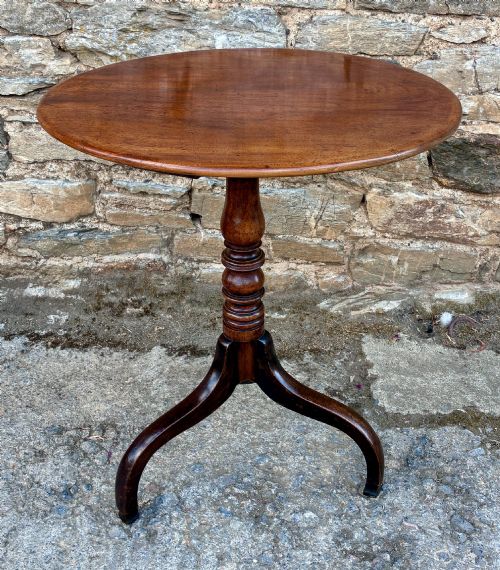
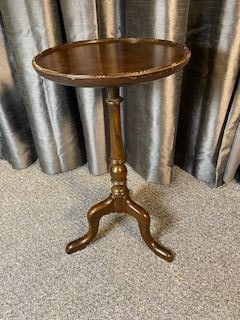
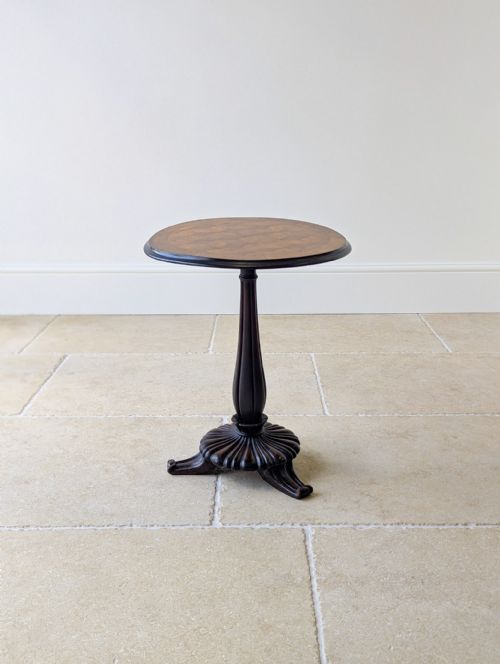
A regency mahogany tripod table brings flexible, compact elegance to a room, offering a turned column and three-legged base designed for wine, lamps or occasional use.
Understanding regency mahogany tripod tables
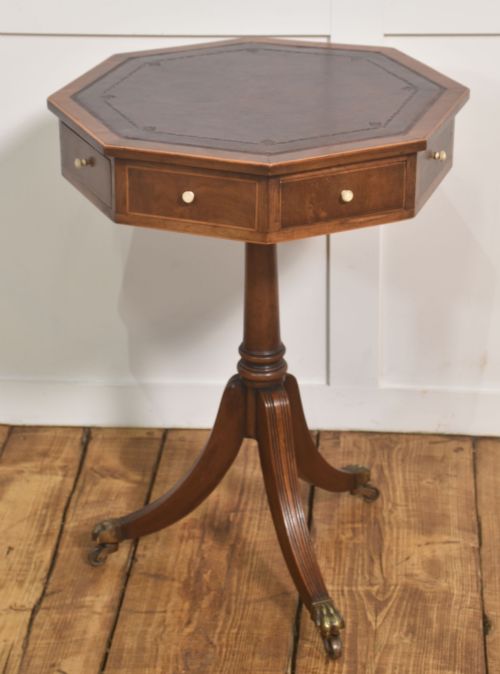
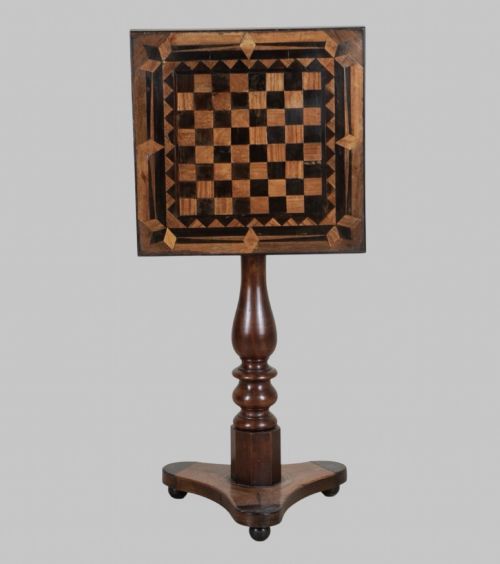
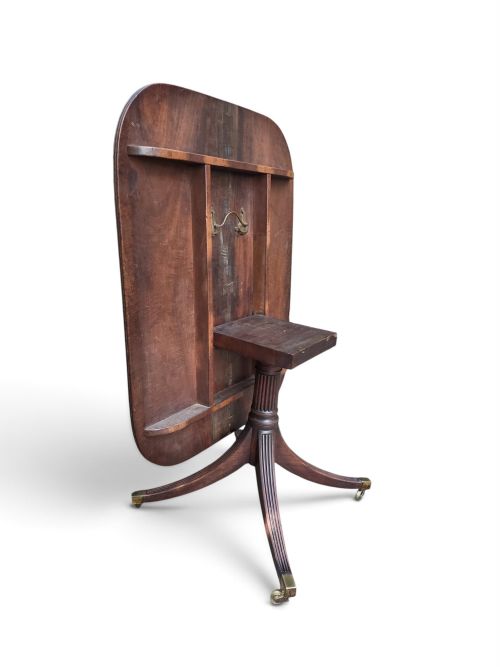
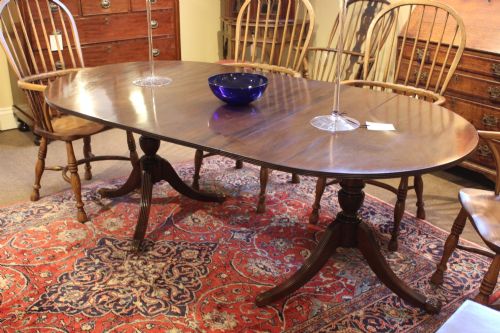
A regency mahogany tripod table is a compact surface supported by a central pillar and three spreading legs, commonly found in occasional, side, wine and dumb waiter forms. These pieces date principally from the nineteenth century and the Regency period, often associated with Grand Regency, William IV and nineteenth century British styles. Buyers encounter circular, octagonal, oval and rectangular tops, frequently featuring tip top or tilt top mechanisms for easy storage.
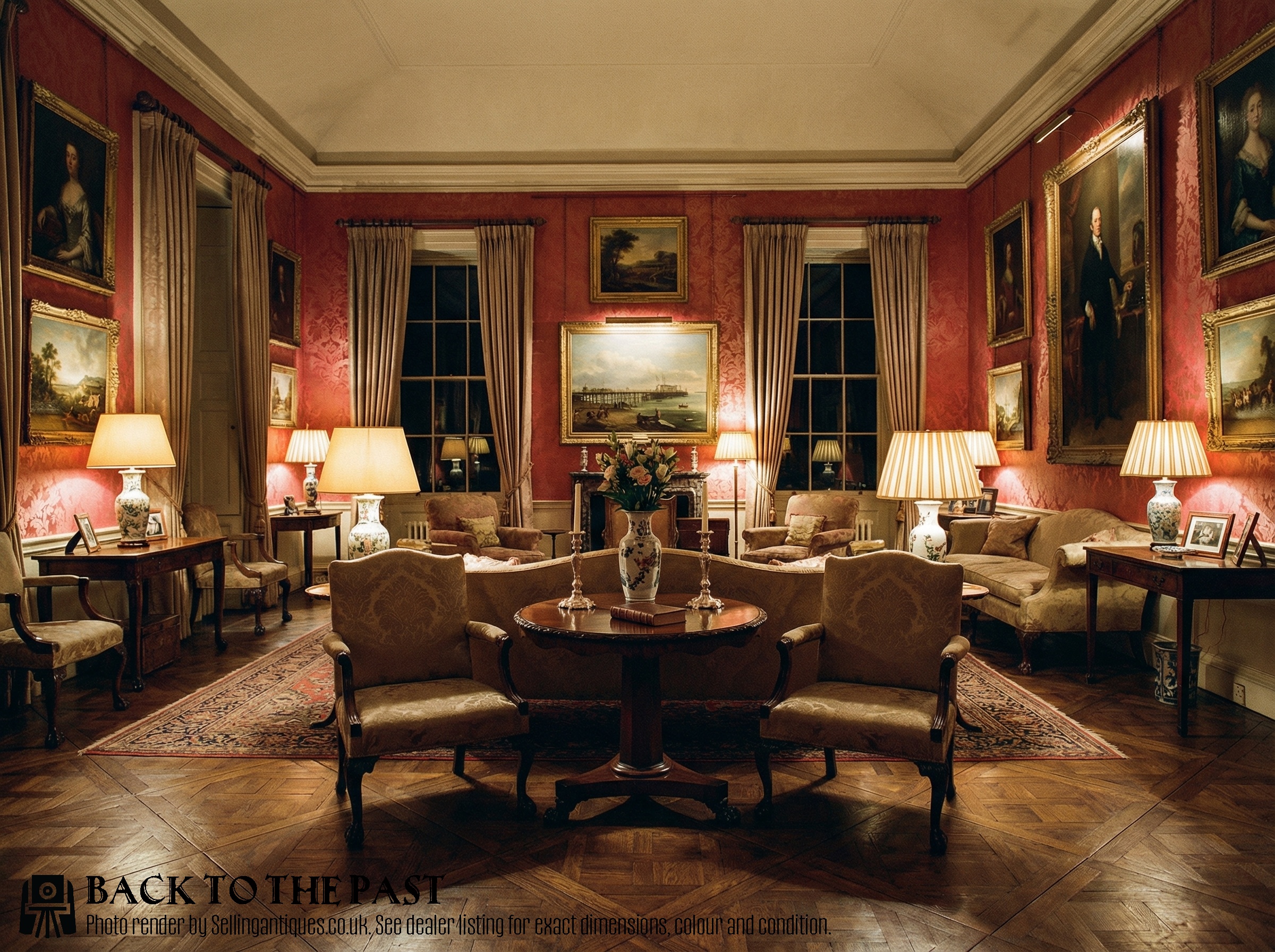
The material palette centres on mahogany, sometimes paired with brass or marble, creating sturdy and adaptable furnishings suited to domestic spaces. Examples range from plain circular boards to specialised pieces such as specimen marble tops and tables with bird-cage supports or slide out upstands. Such versatility explains their enduring presence in traditional and modern interiors alike.

Distinctions in quality
Proportion and stability define the execution of the tripod base and central column. Finer examples display refined turning on the pillar and cleanly fitted pivoting mechanisms that operate without excessive play, distinguishing them from utilitarian or purely functional workshop output.
Retail Price Guide 2026
Typical UK retail prices for regency mahogany tripod table, calculated from the Sellingantiques database of over a million retail prices indexed since 2003. This retail price guide relies exclusively on Sellingantiques data; no external sources or auction records are used, so the figures do not describe the wider market.
Some tables included slide out upstands, ensuring errant wine glasses stayed firmly put during lively conversations.

Regency Gillow
The Regency Mahogany Tripod Table Glossary
- Tripod table
- A small freestanding table supported by a central pillar and three legs. This configuration allows the piece to sit steadily on uneven floors.
- Tilt top
- A tabletop mounted on a hinge mechanism that pivots vertically. It enables the table to be stored flat against a wall when not in use.
- Bird-cage support
- A rotating lattice framework beneath the tabletop that allows the surface to both tilt and revolve. It represents a more complex form of turning and assembly.
- Dumb waiter
- A tiered stand utilising a central column and tripod base to hold multiple circular trays. These served dining rooms for passing dishes or holding vessels.
- Upstand
- A raised rim or gallery along the edge of a table surface. This feature prevents items from sliding off the top.
Frequently Asked Questions
What was a regency mahogany tripod table used for?
These tables served primarily as portable surfaces for serving wine, holding lamps, or displaying small decorative objects in entertaining spaces. Their compact footprint allowed them to be easily moved around a drawing room or parlour as needed.
Over time, their roles expanded to include bedside use, reading supports, and casual dining companions. The tilt top function meant they could be cleared and stored against the wall to free up floor space.
What is flame mahogany?
Flame mahogany refers to a distinctive veneer pattern cut from the fork of the mahogany tree where branches join the main trunk. This creates a rippling, flame-like figure with dramatic light and dark chatoyancy.
Cabinet makers utilised this wood on prominent surfaces like table tops to catch the light and display rich depth. It distinguishes finer decorative pieces from plain utilitarian boards.
How do I care for a mahogany tripod table?
Maintain mahogany surfaces by dusting gently with a dry, soft cloth and avoiding silicone-based polishes that build up over time. Keep the table away from direct sunlight and heat sources to prevent the timber from drying or cracking.
When operating tilt top or bird-cage mechanisms, support the weight of the table to prevent strain on the central pivot. Treat the joints with care during relocation.