

Small Wooden Side Table
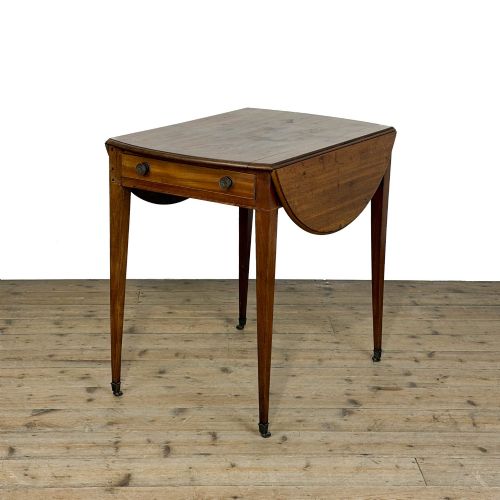
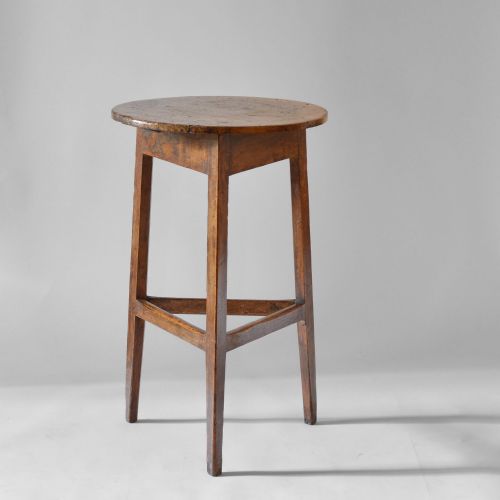
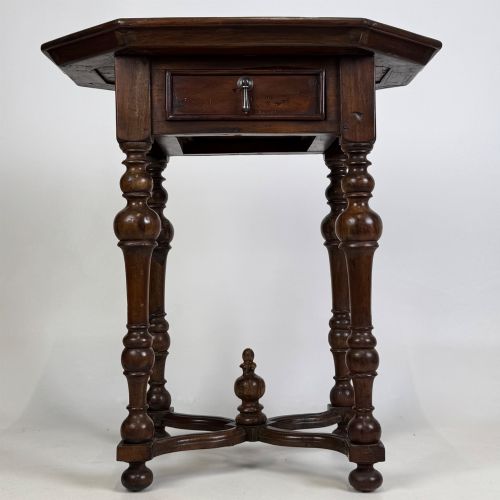
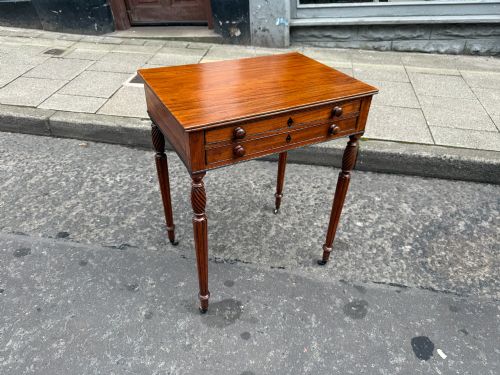
These small wooden side table pieces in mahogany, timber and veneer offer compact utility with nineteenth-century character.
What these small wooden side table pieces are
A small wooden side table provides functional surface space in compact forms such as wine tables, occasional tables and tripod tables. These items appear in Victorian, Georgian and Rococo Revival styles across nineteenth-century and twentieth-century periods.
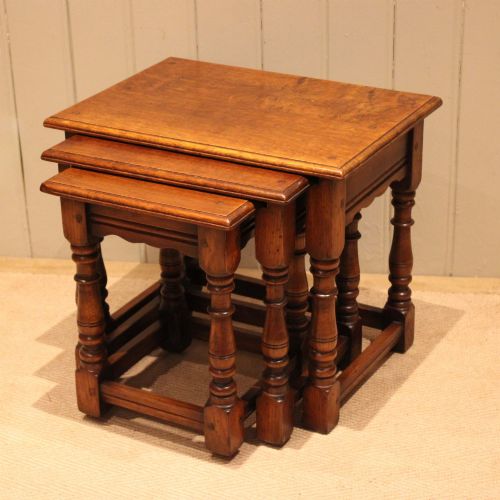
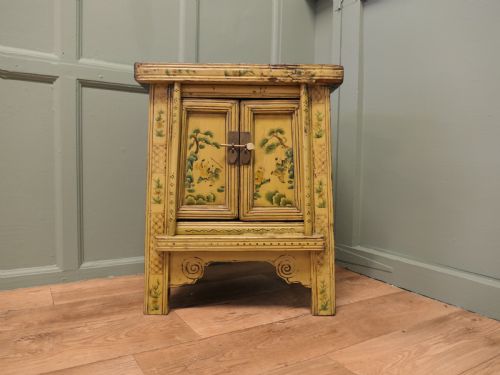
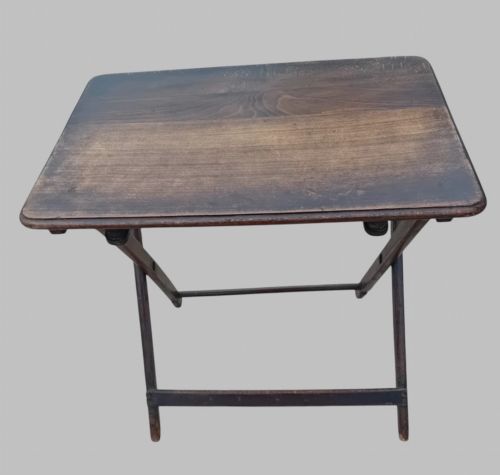
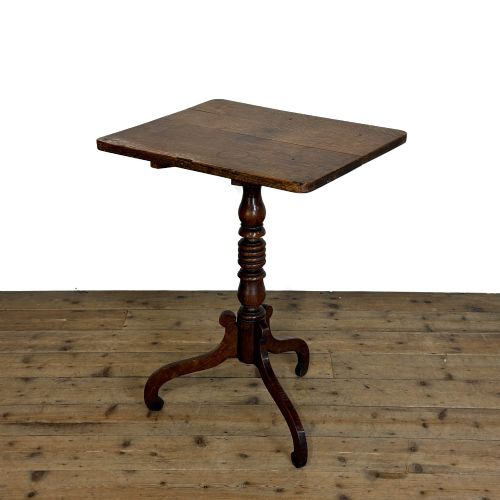
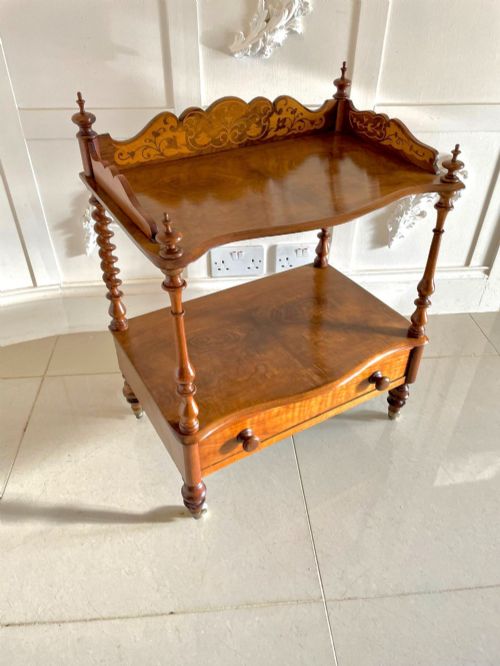
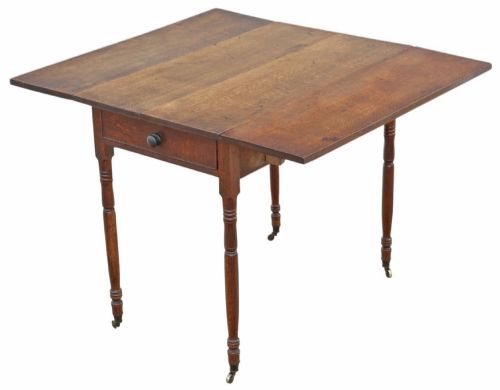
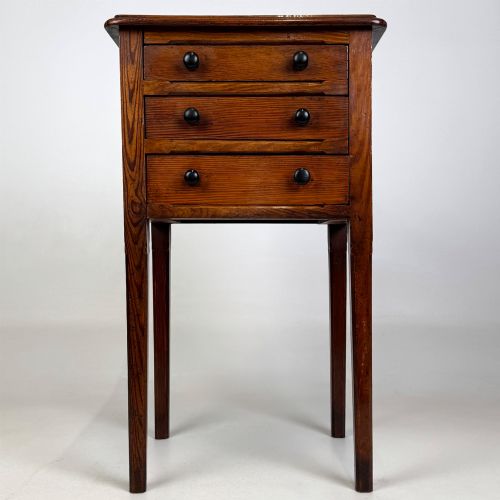
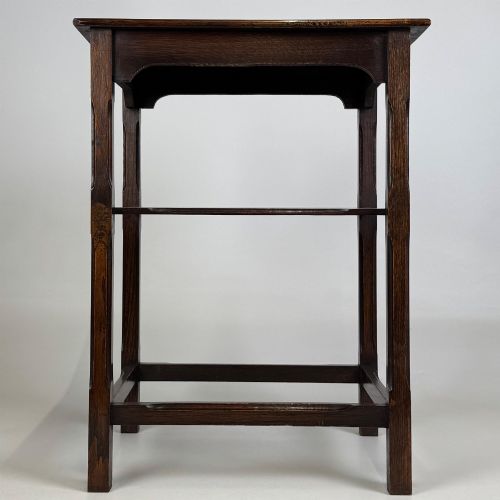
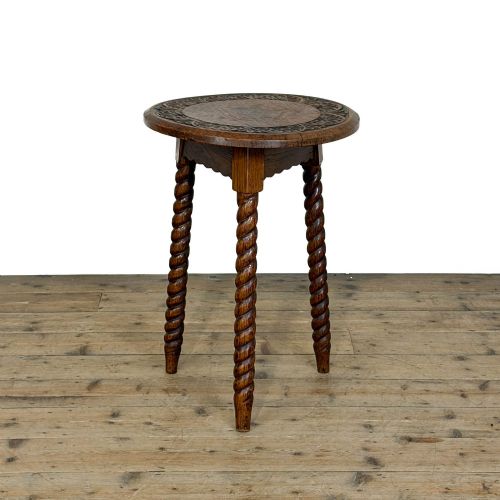
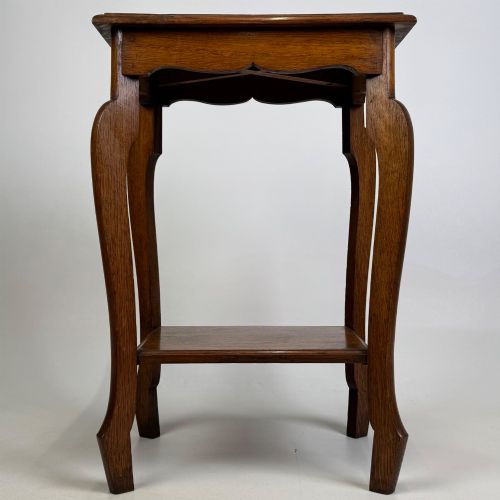
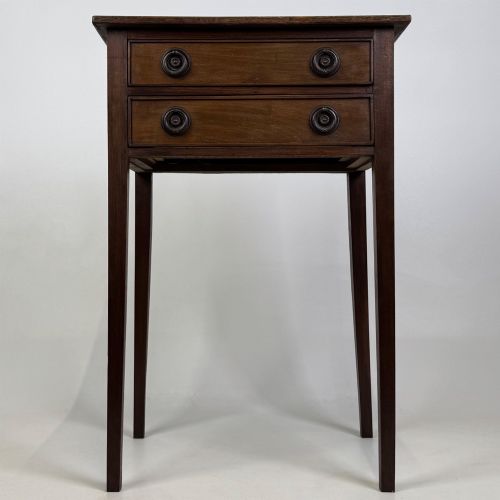
The pieces seen on this page include mahogany tilt top wine tables, tripod side tables, occasional tables with painted decoration, and nineteenth-century antique occasional tables. Mahogany and timber dominate the construction, often utilising veneer.
Buyers encounter forms that range from mid-nineteenth-century tilt-top designs to early twentieth-century painted occasional tables. Each item serves as a portable surface for domestic use.
How they were made
Cabinet makers construct these tables primarily from mahogany and general timber, frequently applying fine veneer over secondary woods. Surfaces receive polished finishes to highlight the natural grain of the timber.
Specific forms incorporate tilt-top mechanisms and tripod support bases joined securely to central columns. Occasional tables also feature painted decoration applied directly to wooden rectangular tops.
Retail Price Guide 2026
Typical UK retail prices for small wooden side table, calculated from the Sellingantiques database of over a million retail prices indexed since 2003. This retail price guide relies exclusively on Sellingantiques data; no external sources or auction records are used, so the figures do not describe the wider market.
Tilt-top tables let you fold the surface flat against the wall, solving the eternal struggle of dodging furniture in narrow hallways.
What varies in quality
Quality rests upon the selection of timber and veneer, where richly figured mahogany distinguishes finer pieces from plain timber alternatives. The crispness of carved details on tripod legs and the precision of tilt-top mechanisms mark the standard of workmanship.
Decorative elements demonstrate variation, shifting from simple polished wood surfaces to detailed painted decoration on occasional tables. Structural stability in the tripod base and the seamless application of veneer define the enduring integrity of each table.
The Small Wooden Side Table Glossary
- Tilt top
- A tabletop mounted on a catch and pivot mechanism that allows the surface to rotate vertically when not in use. This feature saves space in smaller rooms.
- Tripod base
- A support structure comprising three legs radiating from a central column. It provides steady footing on uneven floors.
- Veneer
- A thin layer of choice timber applied to a base of secondary wood. This technique displays decorative grain patterns efficiently.
- Occasional table
- A small, movable table designed for intermittent use in various rooms. Forms include rectangular surfaces and decorated tops.
Frequently Asked Questions
What is a wine table?
A wine table is a small occasional table traditionally used for holding glasses and bottles during evening gatherings. These pieces often feature circular tops and tripod bases for easy placement beside seating.
Tilt-top variants allow the surface to fold away against the central column when space is required. They serve equally well today as compact lamp stands or display surfaces.
How do I identify a tripod side table?
A tripod side table stands on three distinct legs curving outward from a central vertical pillar. This construction appears frequently in nineteenth-century mahogany furniture.
The three-legged design prevents rocking on older, uneven floorboards while maintaining a light visual footprint. These tables suit corners and narrow spaces between armchairs.
Where does painted decoration appear?
Painted decoration appears on twentieth-century occasional tables, adding colour and pattern directly to the wooden surface. Such ornamentation sets these pieces apart from standard polished mahogany furniture.
This finish reflects the stylistic shifts of later periods while retaining the practical scale of traditional side tables. They introduce decorative focal points to neutral interior schemes.
What wood was used for these tables?
Makers relied heavily on mahogany and general timber, frequently incorporating veneer to achieve decorative grain patterns. Mahogany provided durability and a rich reddish-brown tone favoured by period cabinet makers.
Timber selection varied according to the period, moving from solid nineteenth-century hardwoods to twentieth-century construction methods. Maintenance involves simple dusting and occasional polishing to preserve the wood.