
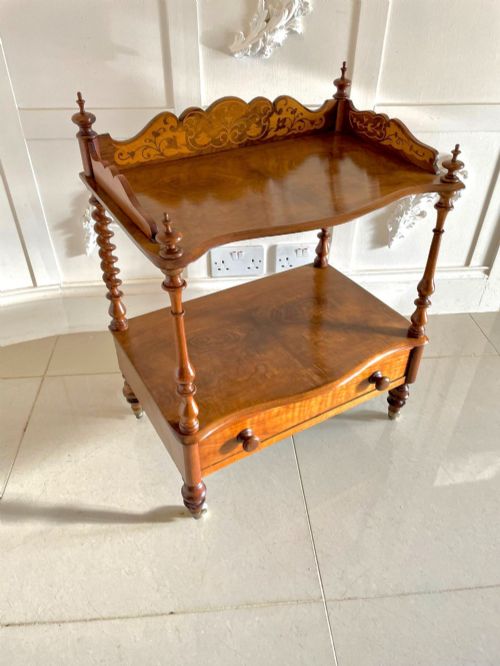

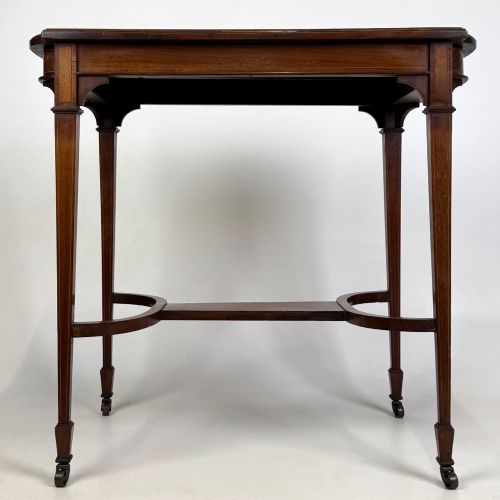
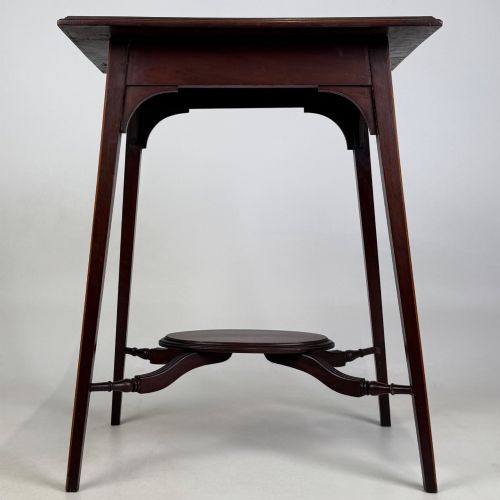
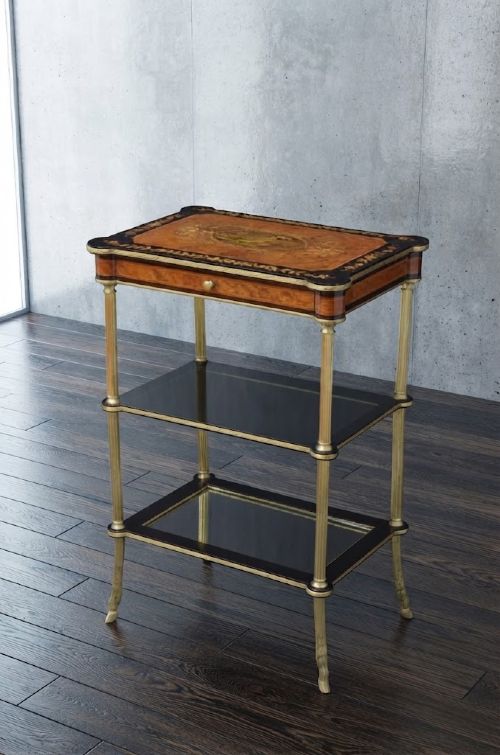
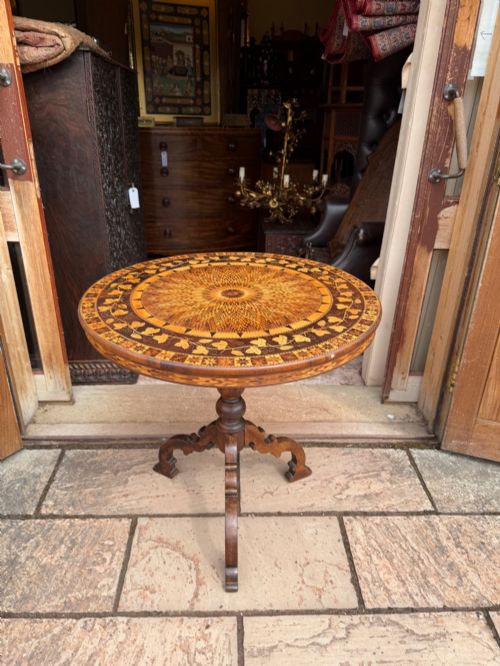
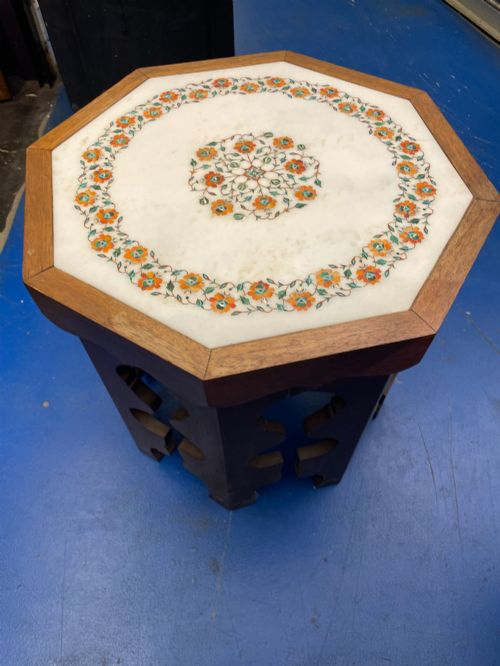
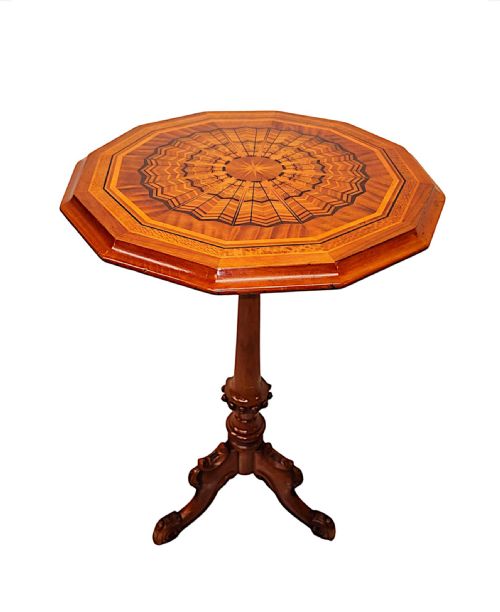
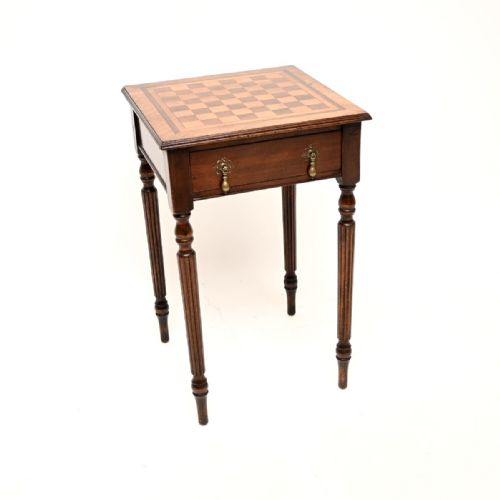
Inlaid Wooden Accent Table
These inlaid wooden accent table examples bring warmth and character to a room through centuries of skilled craftsmanship.
What an inlaid wooden accent table represents
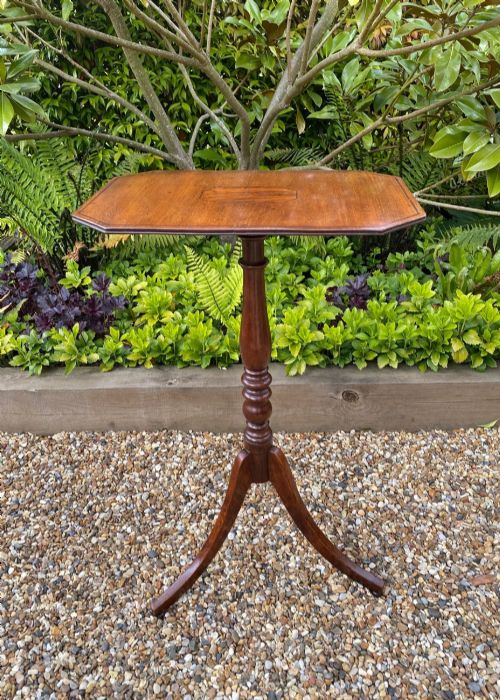
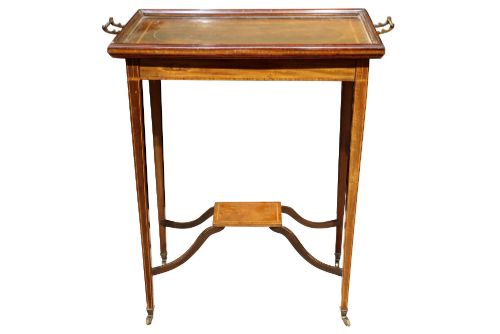
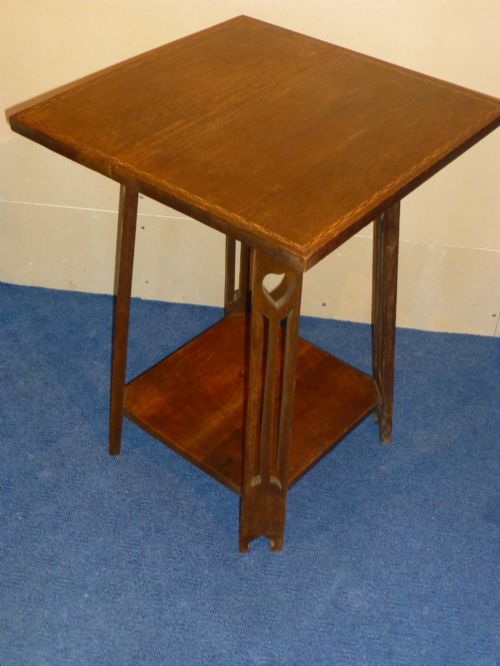
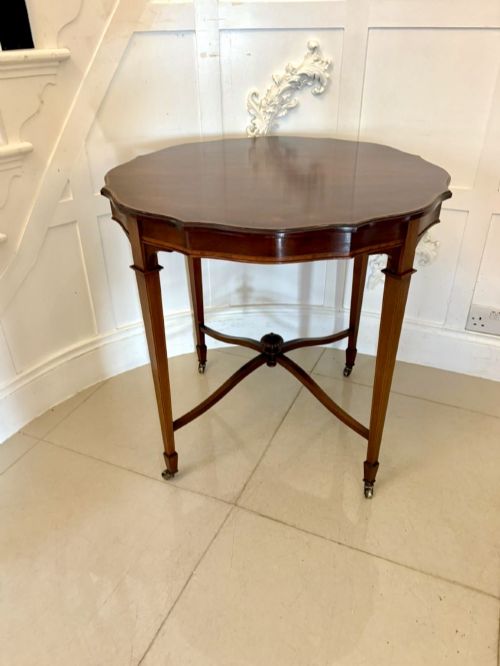
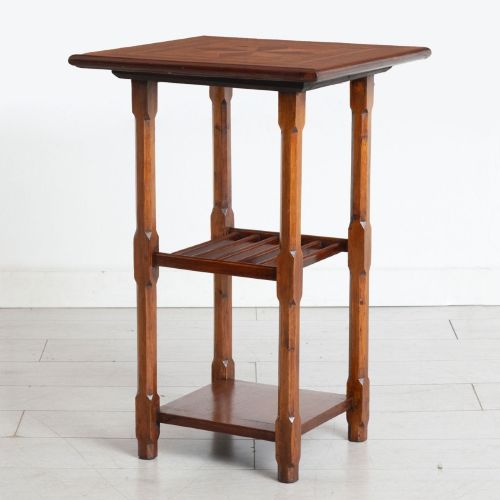
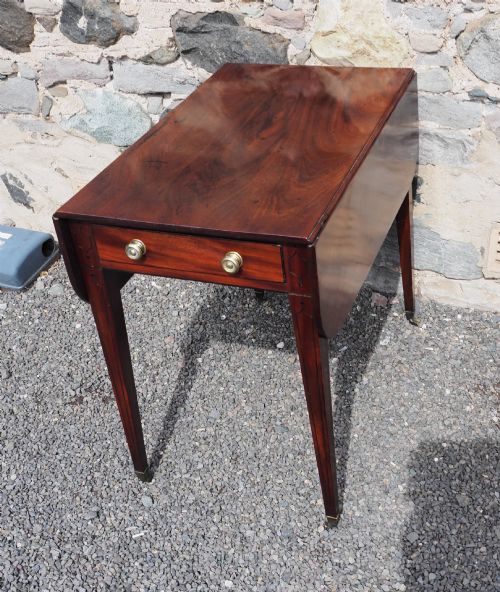
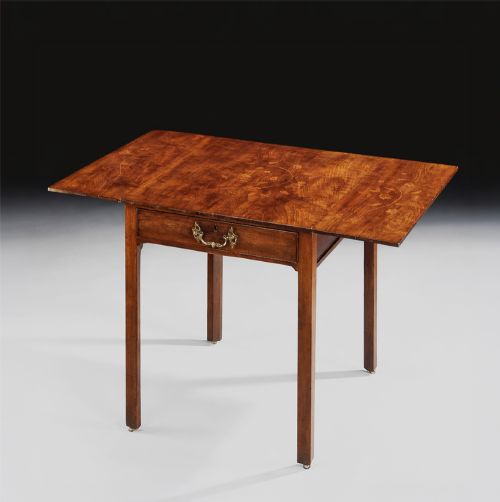
An inlaid wooden accent table encompasses smaller occasional pieces designed to sit beside seating or in corners to hold small objects. The pieces appearing here span from the eighteenth century through the twentieth century, taking the form of side tables, occasional tables, pedestal tables, and Pembroke tables.
The selection reflects diverse regional traditions and stylistic revivals rather than a single workshop output. Buyers encounter Georgian satinwood alongside Victorian walnut, Anglo-Indian Hoshiarpur work, New Zealand native timber, and Sheraton or Elizabethan revivals.
Forms vary from oval and rectangular silhouettes to pedestal designs and drop-leaf Pembroke tables. Each piece serves primarily as a decorative surface whilst demonstrating the distinct cabinet-making priorities of its period.
Materials and construction methods
Cabinet-makers relied on a rich palette of hardwoods and exotic timbers including rosewood, satinwood, walnut, teak, tulipwood, and various native timbers. These were selected for their natural grain patterns and colour variations, providing a contrasting background for decorative schemes.
Surface embellishment relied heavily on intricate inlay, marquetry, painted decoration, and bone inlay. Brass elements occasionally appeared for structural strengthening or decorative banding, whilst specialised regional techniques produced distinct carved and inlaid surfaces.
Retail Price Guide 2026
Typical UK retail prices for inlaid wooden accent table, calculated from the Sellingantiques database of over a million retail prices indexed since 2003. This retail price guide relies exclusively on Sellingantiques data; no external sources or auction records are used, so the figures do not describe the wider market.
The current selection spans multiple centuries, featuring materials from satinwood and rosewood to bone inlay and native New Zealand timber.
What separates standard pieces from exceptional examples
Quality rests in the precision of the timber selection and the execution of the inlay work. Finer examples display tight, seamless joints where contrasting woods meet, alongside sophisticated compositional balance in the marquetry or painted decoration.
The integrity of the underlying structure matters immensely, separating pieces made with seasoned hardwoods and careful joinery from simpler constructions. Original surface patination and untouched decorative details elevate an item above heavily altered or later-restored equivalents.
The Inlaid Wooden Accent Table Glossary
- Pembroke table
- A small rectangular table with hinged drop leaves on either side, often featuring a single drawer. It was designed for versatility and easy movement around a drawing room.
- Marquetry
- The art of applying pieces of veneer to a structure to form decorative patterns and pictures. Craftsmen cut various coloured woods to fit precisely together before gluing them to the carcass.
- Satinwood
- A durable hardwood noted for its golden-yellow sheen and smooth grain. It became particularly popular during the eighteenth and nineteenth centuries for high-status cabinet work.
- Bone inlay
- A decorative technique where small pieces of carved bone are embedded into a wooden surface to create geometric or floral patterns. This method is strongly associated with specific regional traditions such as Hoshiarpur.
Frequently Asked Questions
What is an inlaid wooden accent table used for?
These pieces functioned historically as versatile surfaces for holding books, tea sets, or decorative lamps within reception rooms. Their modest scale allowed them to be repositioned easily according to daily domestic needs.
Today, they serve much the same purpose whilst acting as focal points in a modern interior. Their detailed surfaces bring texture and historical interest to smaller spaces.
Are these tables sturdy enough for daily use?
Most antique occasional tables are structurally sound for supporting lightweight items such as drinks, books, or table lamps. However, their delicate legs and veneered surfaces require sensible placement away from direct heat sources.
Heavier loads or active daily wear can strain older joints, particularly on drop-leaf Pembroke designs. Treat them with the care appropriate to historic furniture.
What distinguishes Sheraton revival from original pieces?
Sheraton revival furniture dates primarily to the late nineteenth century, emulating the lighter, neoclassical proportions of the late eighteenth century. These pieces often utilise satinwood with delicate painted or inlaid decoration.
Original eighteenth-century items display different construction techniques, tool marks, and wood ageing patterns compared to their later revival counterparts. Close inspection of the drawer linings and internal carcass usually clarifies the age.