

Victorian Walnut Centre Table
When you select a victorian walnut centre table, you choose a centrepiece defined by rich timber figuring and mid-nineteenth-century craftsmanship.
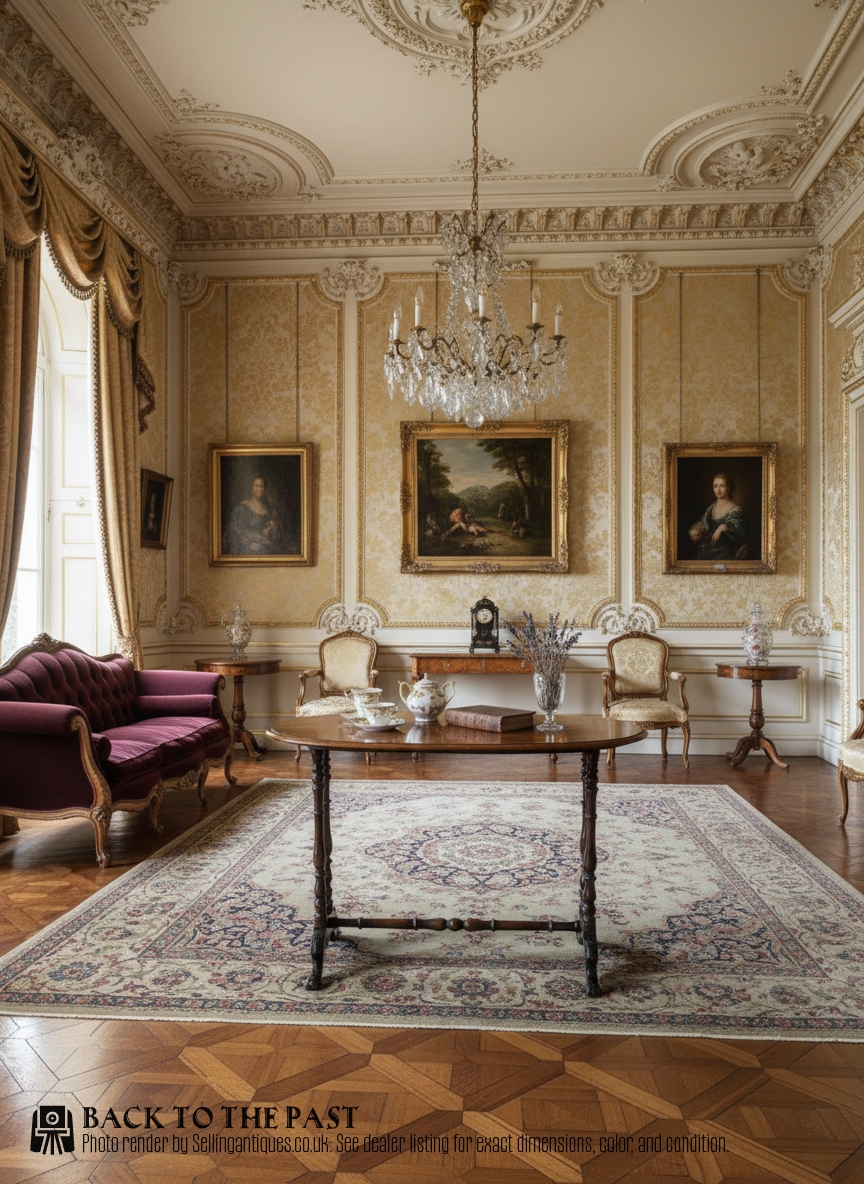
Victorian Walnut Centre Table
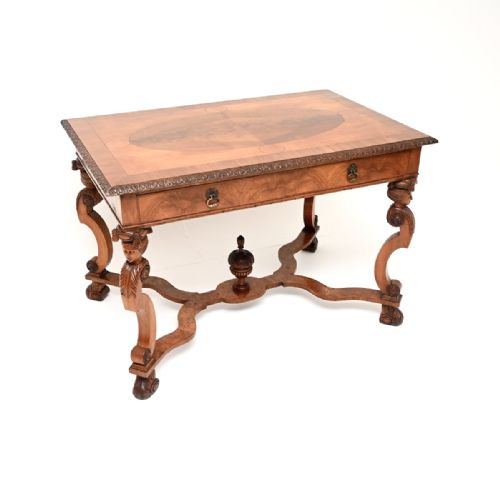
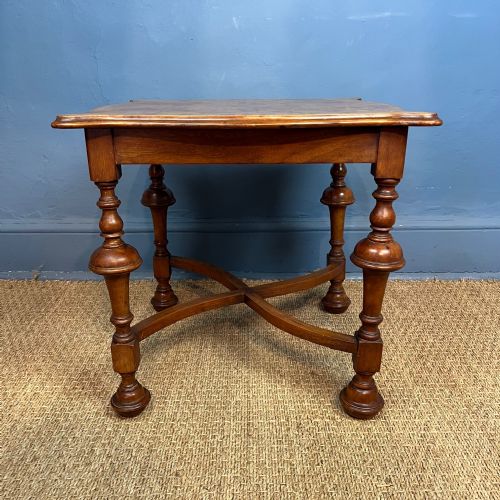
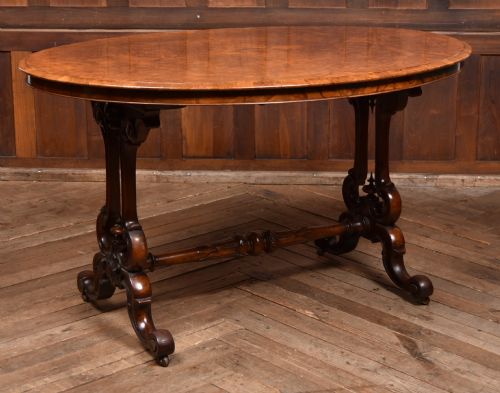
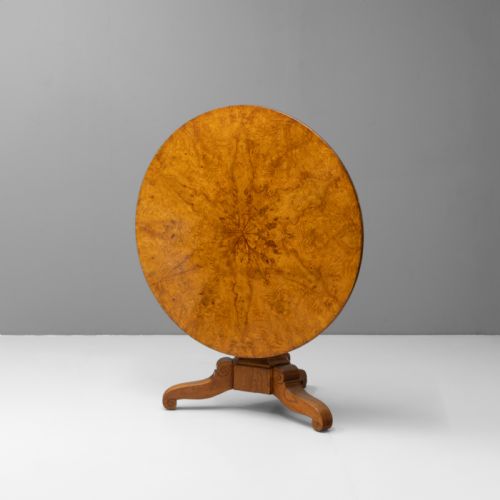
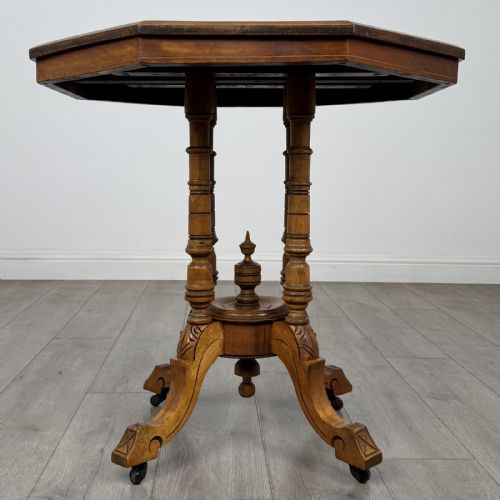
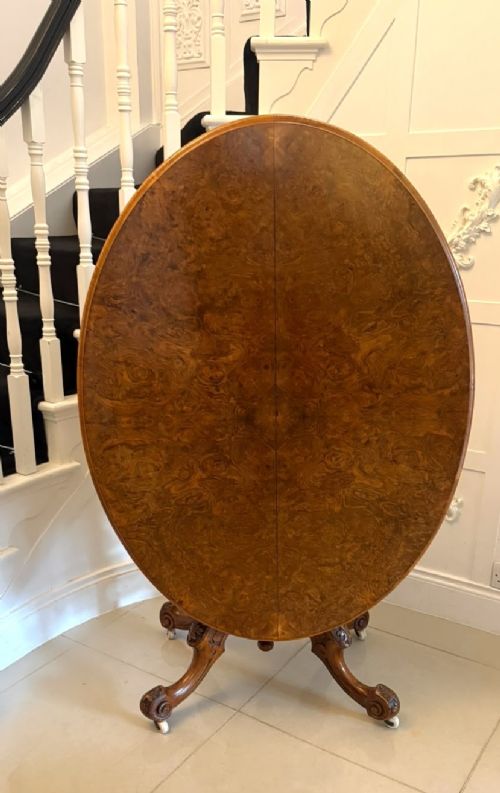
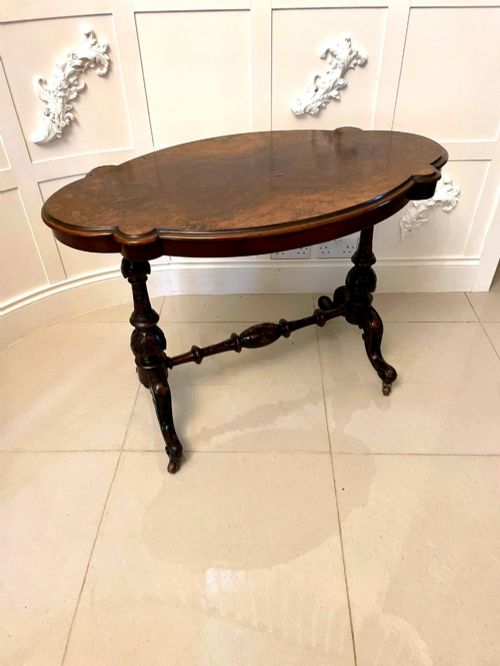
A victorian walnut centre table serves as a principal statement piece for a room, designed to be viewed from all sides rather than pushed against a wall. The selection ranges from oval tilt-top breakfast and loo tables to circular pedestal formats and occasional lamp tables.
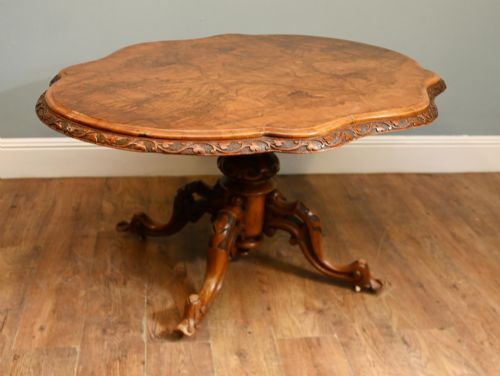
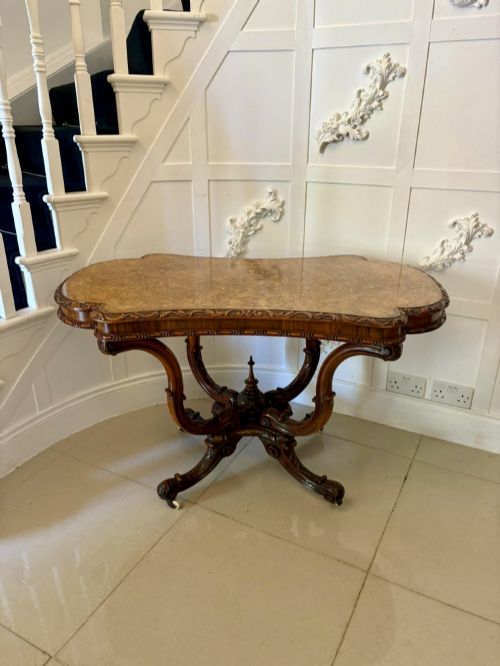
Makers of the period also produced larger dining formats alongside refined writing tables featuring leather inserts. Oval and serpentine shapes dominate the surviving examples, frequently resting on carved quadrapod or tripod bases.
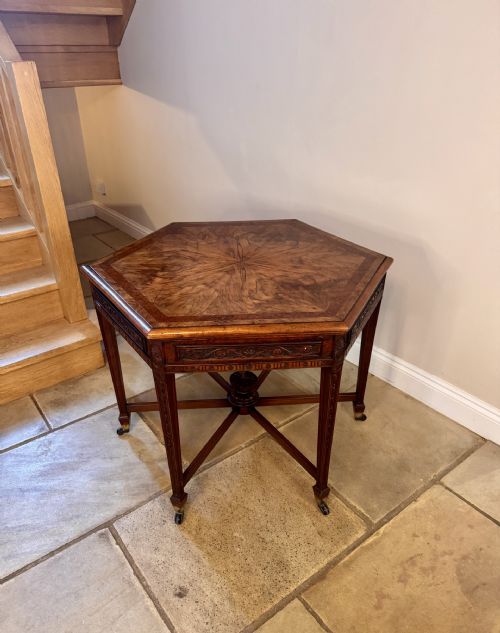
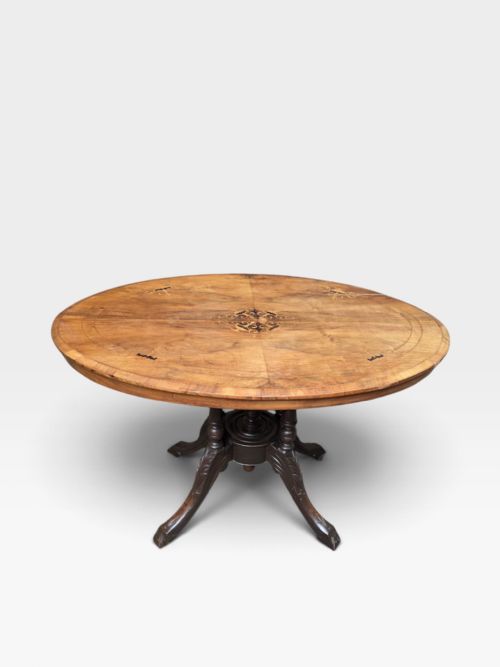
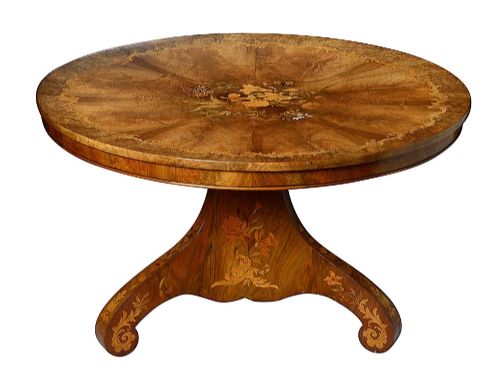
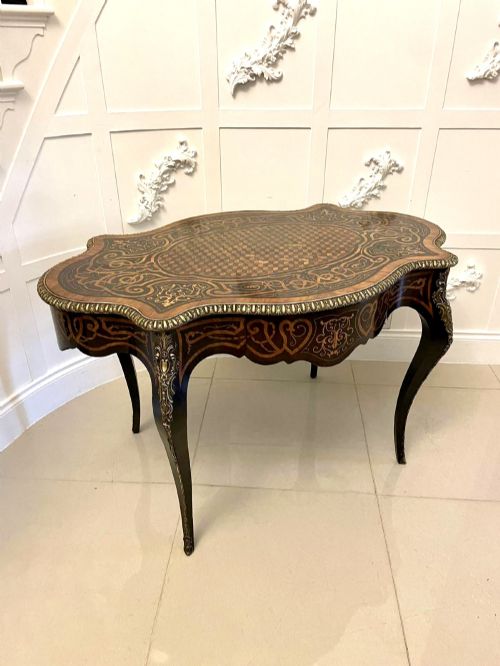
The aesthetic reaches across various revivals, encompassing French rococo influences, aesthetic movement geometry, and intricate marquetry inlay. These pieces originated during the nineteenth century, spanning decades from the eighteen-fifties through to the eighteen-eighties.

Materials and Construction
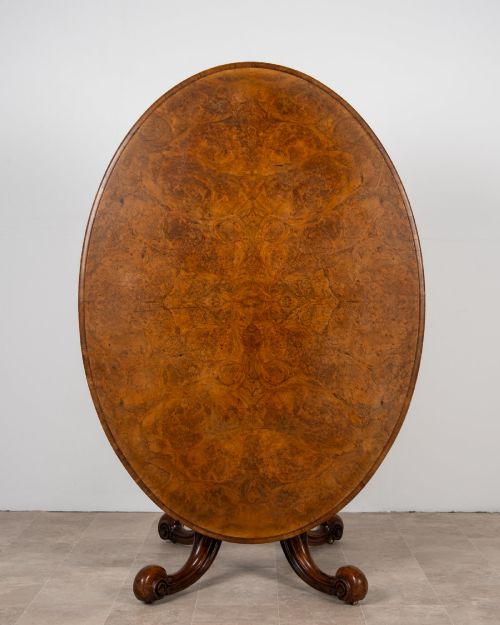
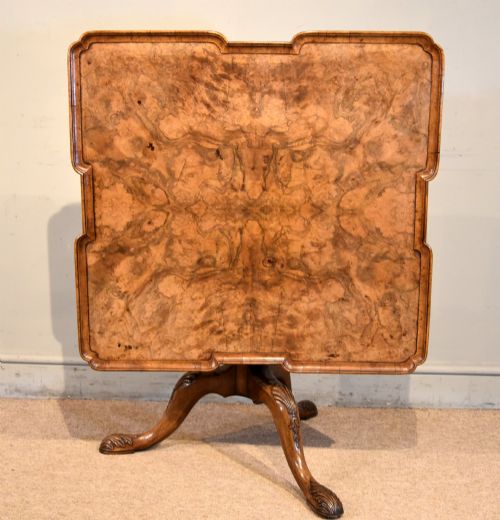
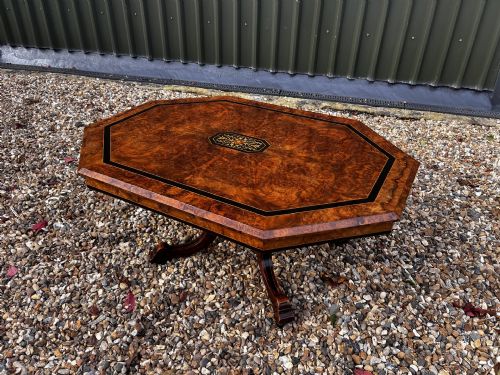
The primary visual impact relies on selected walnut and burr walnut veneers, prized for their complex, swirling grain patterns. Cabinet makers applied these timbers over solid secondary woods, often enhancing the surfaces with boxwood inlay and marquetry detailing.
Structural elements frequently incorporate carved solid walnut for pedestals, legs, and stretchers, sometimes accented with ebonised wood or ormolu mounts. Certain iterations incorporate contrasting materials such as rouge marble tops or brass hardware to elevate the design.
Victorian Walnut Centre Table Retail Price Guide 2026
Typical asking prices for victorian walnut centre table among the pieces listed under this phrase on Sellingantiques today, from the lower quarter to the upper quarter. They describe what is for sale here now, not the wider market.
Some tables hide clever chess boards inlaid directly into the walnut top, ready for an impromptu Victorian match.
Judging Quality and Execution
Quality reveals itself in the selection and bookmatching of the burr walnut veneer across the top surface, where superior examples display symmetrical, richly figured grain without interruption. The depth and crispness of hand-carving on the bases and stretchers separate standard production from workshop masterpieces.
Construction integrity shows in the smoothness of mechanisms like tilt-top actions and the precision of inlaid boxwood stringing and marquetry. Finer pieces demonstrate meticulous attention to internal framing and stable pedestals that support heavy marble or timber tops without sway.
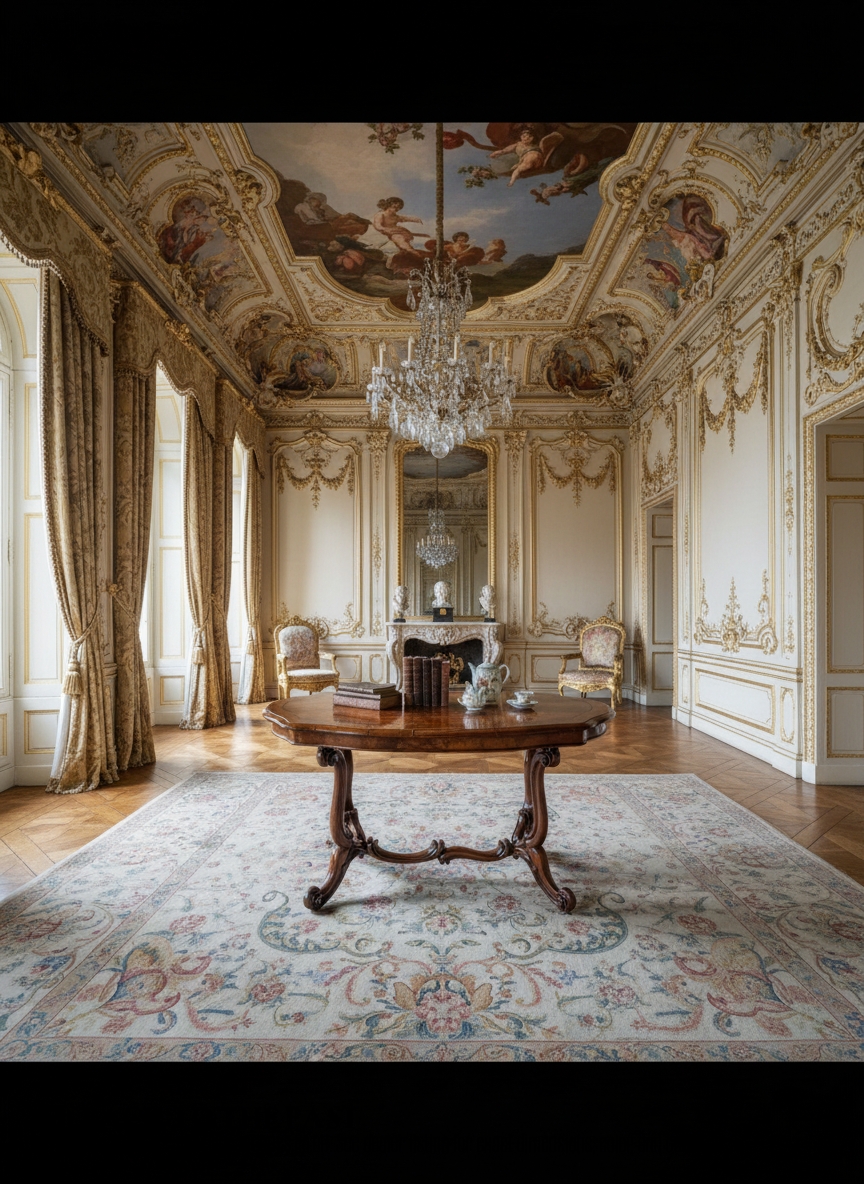
Edward Holmes Baldock·Edward And Roberts·Holland And Sons
The Victorian Walnut Centre Table Glossary
- Burr Walnut
- Timber taken from a tree growth or knot, yielding dense, swirling patterns of grain used for decorative veneer on fine furniture.
- Marquetry
- Elaborate patterns created on furniture surfaces using fitted pieces of contrasting wood veneers, boxwood, and other materials.
- Loo Table
- A large Victorian round or oval table originally designed for the card game loo, often featuring a tilt-top mechanism for storage.
- Quadrapod Base
- A heavy four-legged pedestal support system frequently carved with scrollwork to bear the weight of large centre tables.
- Serpentine Shaped
- A curving outline featuring alternating convex and concave sweeps, common on the edges of better nineteenth-century tables.
Victorian Walnut Centre Table: Frequently Asked Questions
How do I use a centre table?
A centre table stands freely in the middle of a room, serving as a display surface for lamps, books, or decorative objects. In larger formats like breakfast or loo tables, it provides functional dining or gathering space.
Because these pieces are finished on all sides, they anchor a room's layout and draw the eye inward. Placing one away from the walls allows uninterrupted circulation around the piece.
How do I date these tables?
Dating relies on stylistic clues, timber choices, and construction methods recorded across the Victorian era. Tables from the eighteen-fifties often lean toward heavy carved walnut, while later decades introduce aesthetic movement geometry or delicate marquetry.
Examining the secondary woods underneath and the style of the pedestal base helps narrow the decade of production. Documentation or branded maker marks offer the most precise chronological placement.
Are these tables suitable for modern living?
These tables adapt readily to contemporary rooms as coffee tables, lamp tables, or conversational dining spots. Their durable walnut construction handles daily use well when treated with appropriate care.
Choosing a size that matches the scale of the room ensures the table functions practically without obstructing pathways. The warm tones of nineteenth-century timber complement both traditional and modern interior schemes.