

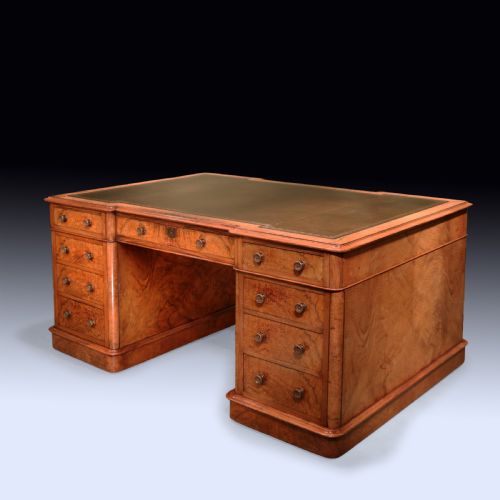


Mid Victorian Walnut Table
When you search for a mid victorian walnut table, you are looking at nineteenth-century craftsmanship built to anchor a formal room with warmth and figure.
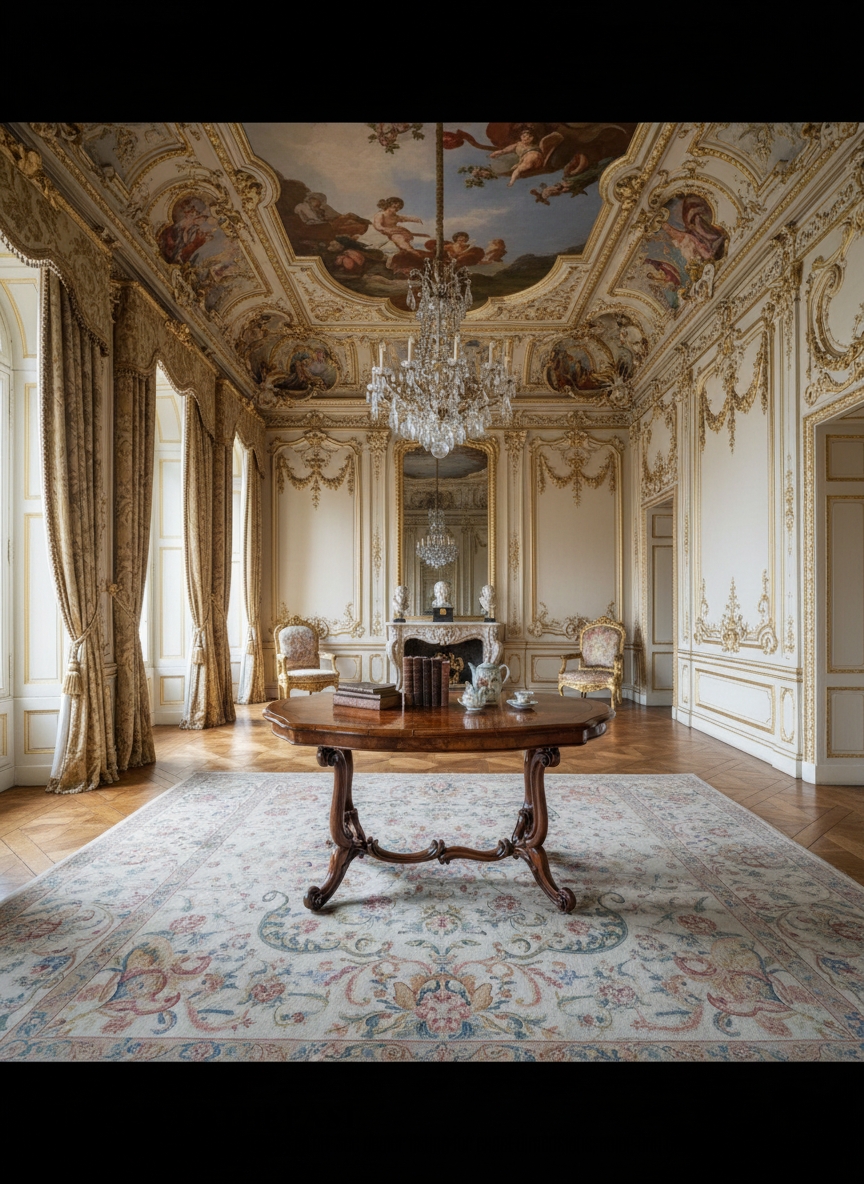
Mid Victorian Walnut Table
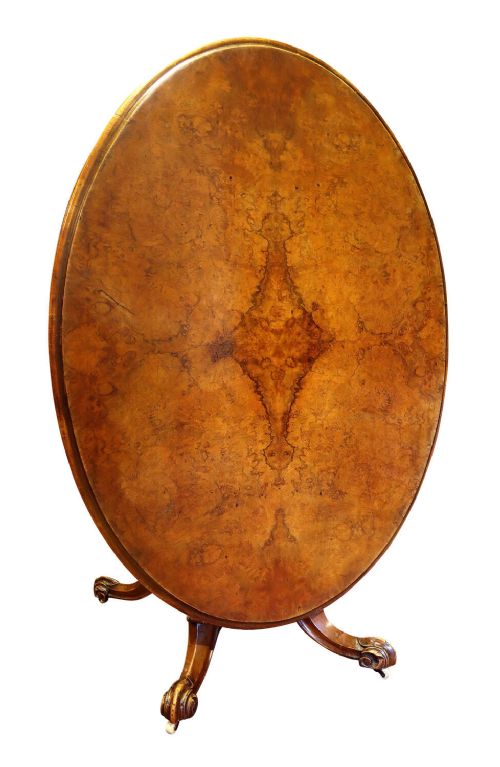
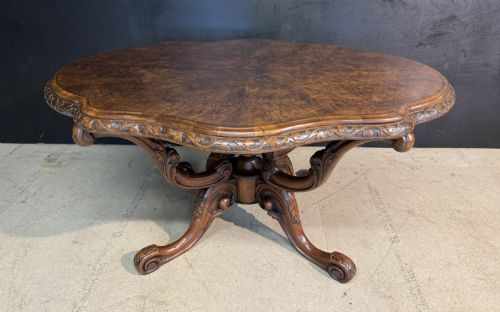
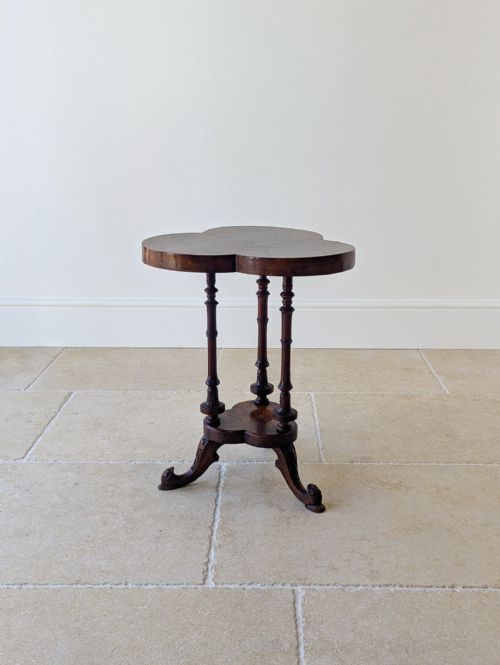
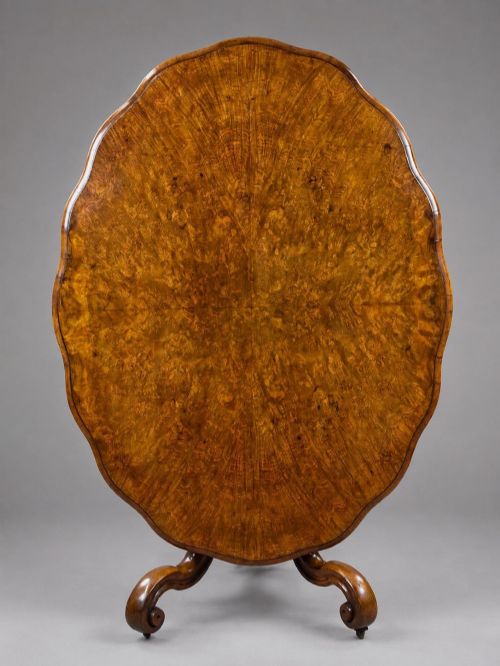
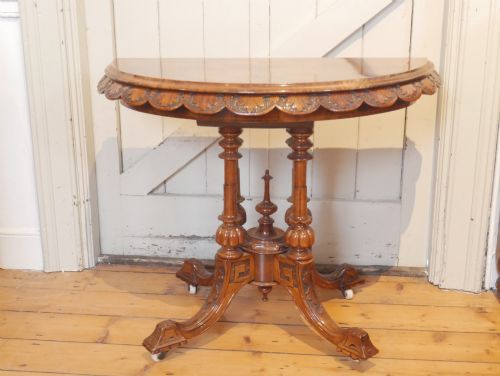
A mid victorian walnut table encompasses a diverse range of domestic forms spanning from the mid-nineteenth century through the 1880s, with a strong concentration of pieces originating around 1860 and 1870. Buyers searching this phrase meet versatile furniture types designed for specific parlour and drawing-room uses, most notably freestanding centre tables, folding card tables, and occasional tripod tables.
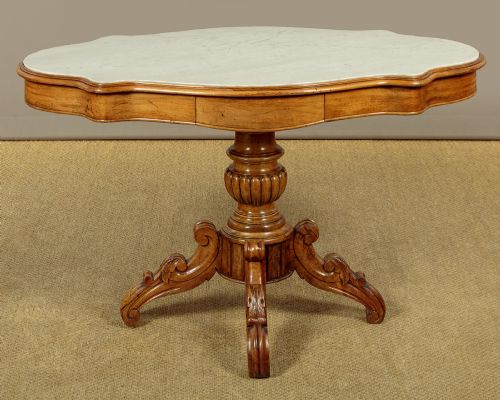
The material palette centres firmly on rich walnut and burr walnut veneer, frequently paired with secondary woods like mahogany and embellished with marquetry inlay, ormolu mounts, or marble tops. Forms vary from oval, octagonal, and serpentine centre tables to clever sewing, work, and games tables featuring compartments and revolving tops.
While the majority of items belong squarely to the Victorian and mid-Victorian periods, the selection also includes French Rococo Revival styles and occasional pieces stretching into the Edwardian era or early nineteenth century.
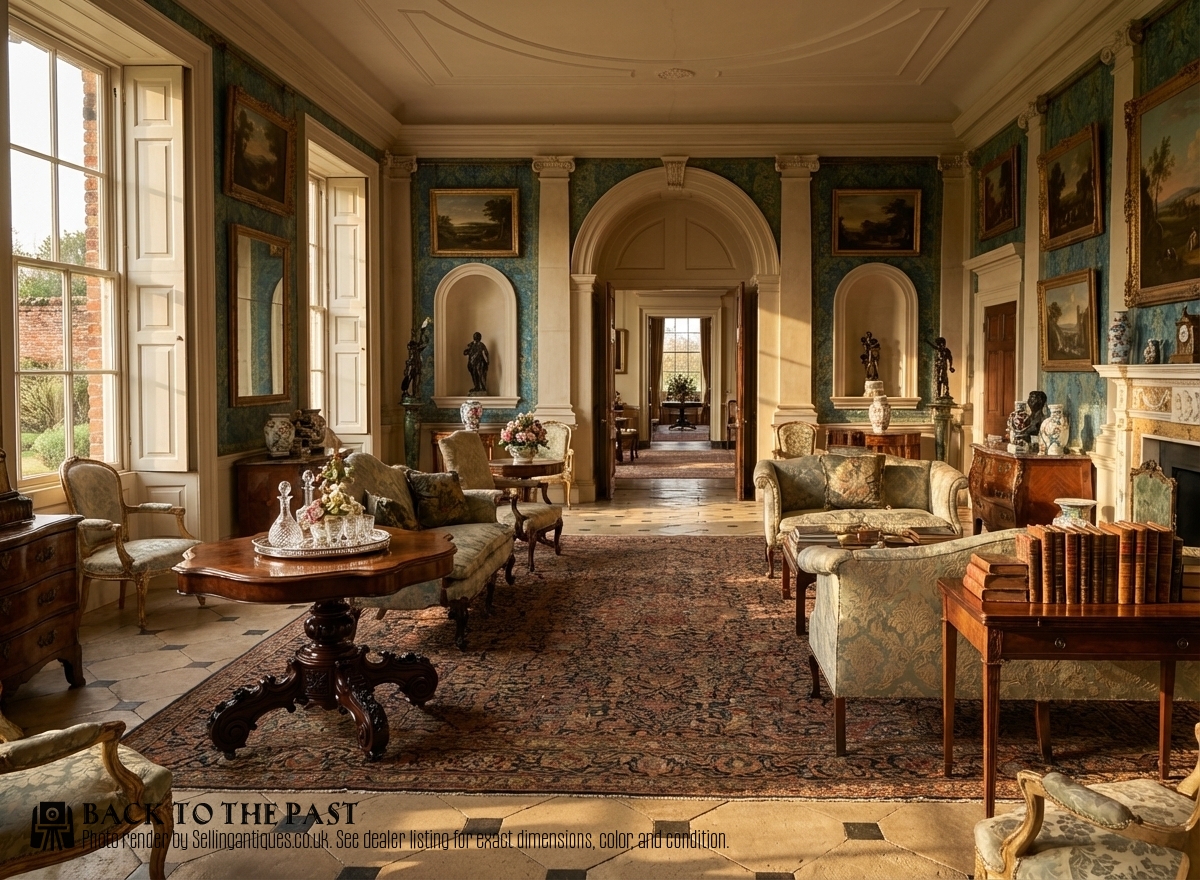
Materials and construction
Cabinet makers of the period utilised figured walnut and burr walnut veneers applied over solid carcases to achieve striking, highly patterned table surfaces that catch the light. These timber surfaces were often enhanced with delicate floral marquetry inlay or geometric stringing.
Structural elements frequently incorporated turned pedestals, tripod legs, or barley twist and bobbin-turned supports, sometimes reinforced with brass mountings and ceramic castors for mobility. Fold-over mechanisms for card and tea tables relied on precision hinge work and pivoting internal supports hidden within the apron.
Mid Victorian Walnut Table Retail Price Guide 2026
Typical asking prices for mid victorian walnut table among the pieces listed under this phrase on Sellingantiques today, from the lower quarter to the upper quarter. They describe what is for sale here now, not the wider market.
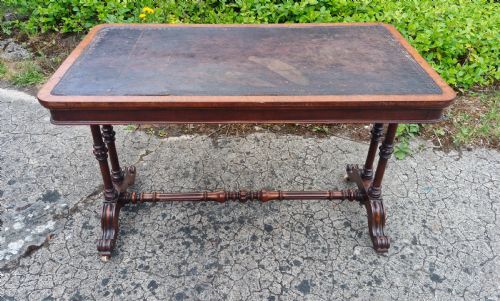
Materials span solid walnut, burr walnut veneer, satinwood interiors, ormolu mounts, marble inserts, and original leather or fabric writing surfaces.
Gradations of craftsmanship
Quality in these tables is defined by the selection and matching of the burr walnut veneer across the top, where symmetry and rich figuring separate standard production from exhibition pieces. The ambition of the carving on pedestals, claw feet, and aprons also marks the distinction between workshop outputs.
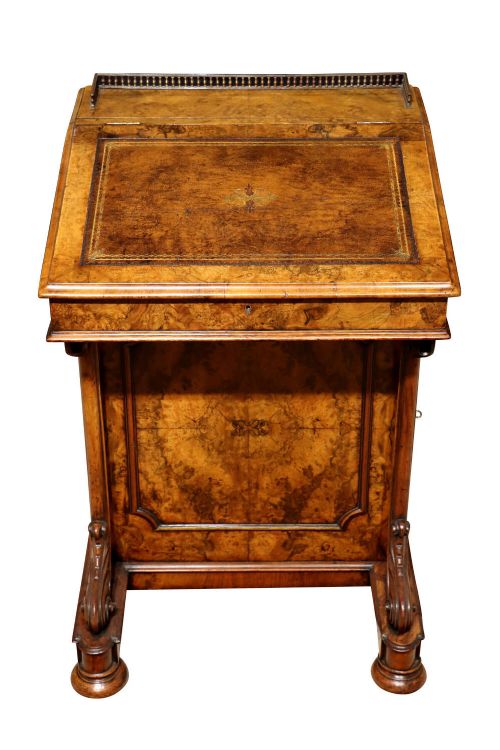
Internal engineering dictates the tier of a piece, seen in smoothly operating mechanism joints on card tables, fitted satinwood interiors in desks, and the structural integrity of complex pillar-and-claw or basket bases.
James Winter·Gillows of Lancaster
The Mid Victorian Walnut Table Glossary
- Burr walnut
- A timber harvested from the wart-like growths on walnut trees, yielding intricate, swirling grain patterns highly prized for cabinet veneers. It provides the primary decorative surface on many formal nineteenth-century tables.
- Marquetry
- The art of applying pieces of veneer to a structure to form decorative patterns and pictures. Floral designs are frequently inlaid into the walnut tops of Victorian games and centre tables.
- Loo table
- A large, round or oval occasional table designed for the nineteenth-century card game of loo, featuring a tilt-top mechanism that allowed it to be stored against a wall when not in use. They stand on central pillar supports with carved tripod or quadruped feet.
- Card table
- A fold-over table with a hinged top that opens to reveal a baize- or leather-lined playing surface for games like whist. They often incorporate clever pivoting framework beneath the top to support the opened leaf.
- Sutherland table
- A narrow drop-leaf table with slender gatelegs, designed to fold down into a very compact footprint. Mid-Victorian versions in walnut were easily moved around drawing rooms.
Mid Victorian Walnut Table: Frequently Asked Questions
What is a loo table used for?
A loo table served as a versatile drawing-room centrepiece during the nineteenth century, originally intended for the popular card game called loo. When not in use for gaming or tea, the tilting top mechanism allowed the table to be stored flat against the perimeter of the room.
These pieces typically feature substantial carved pedestals and highly figured burr walnut tops, making them decorative focal points even when folded away.
How do I identify a mid-Victorian card table?
Mid-Victorian card tables are characterised by a hinged top that doubles in surface area when unfolded, rotating on the frieze to reveal a concealed compartment or well beneath. They frequently rest on pillar-and-claw pedestals or serpentine bases fitted with small castors.
The playing surface is normally lined with fabric or leather, and the exterior showcases rich walnut veneers shaped into serpentine or demi-lune forms.
Where should I place a walnut centre table?
A centre table is designed to stand free in the middle of a room rather than pushed against a wall, allowing access from all sides. They work exceptionally well as focal points in large reception rooms, libraries, or wide hallways.
Because these tables feature finished woodwork and detailed carving all around the base and frieze, they command attention from any angle in a suitably spacious interior.
How do I care for nineteenth-century walnut furniture?
Walnut and burr walnut furniture thrives in stable indoor environments away from direct sunlight and sudden temperature shifts, which can dry out the timber and veneer. Regular dusting with a soft, dry cloth maintains the polish without the need for heavy chemical treatments.
Applying a traditional beeswax polish occasionally helps nourish the grain and preserve the historic finish without building up excessive residue.