


Antique Wooden Sewing Box
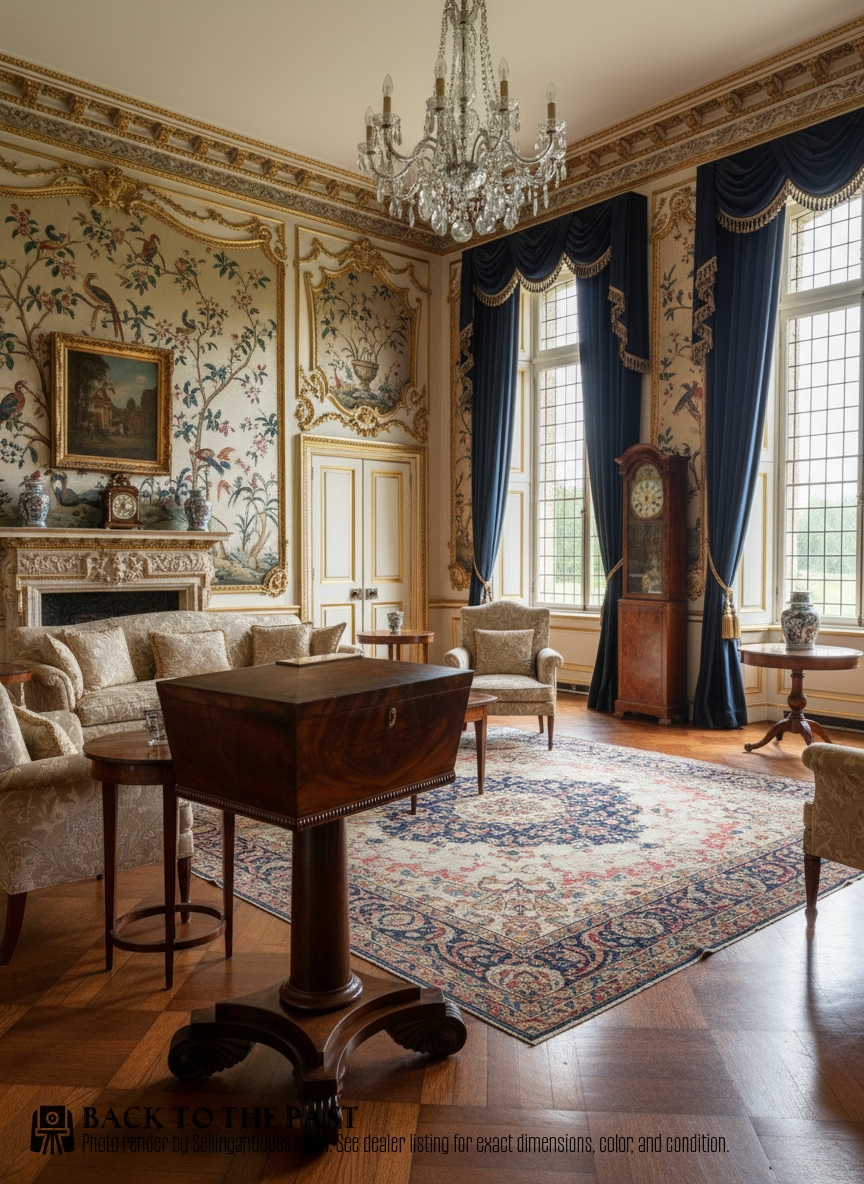
An antique wooden sewing box is a functional container for needlework and threads that brings period craftsmanship into a modern interior.
Antique Wooden Sewing Box
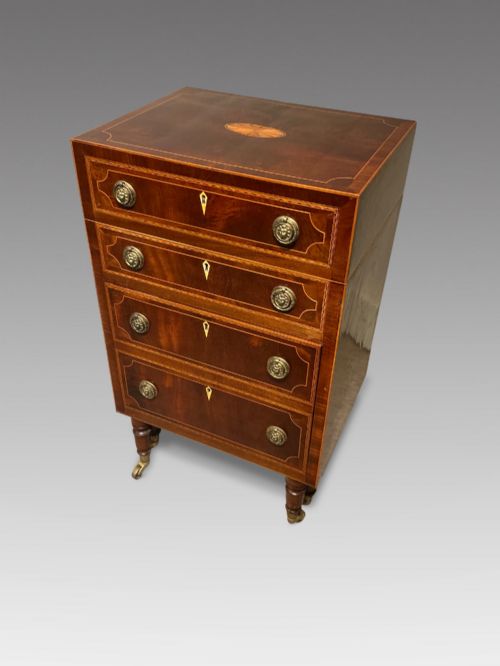
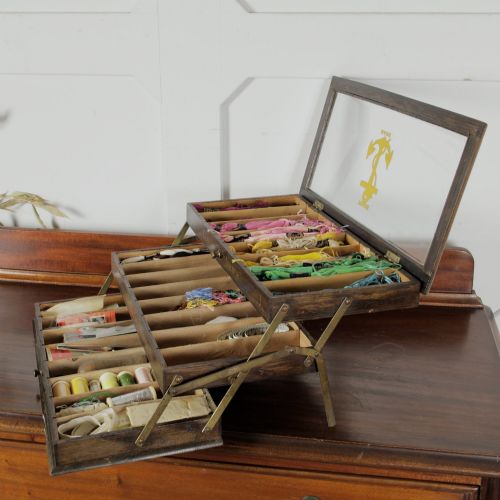
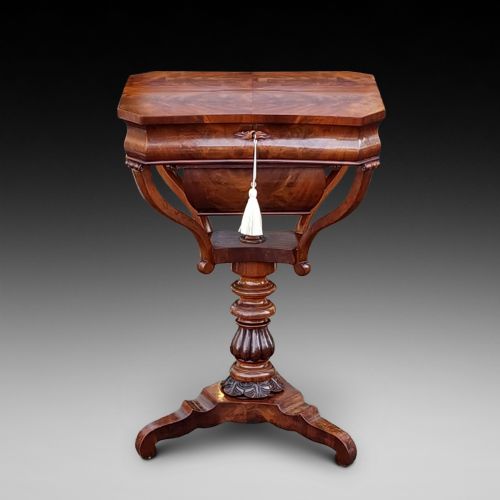
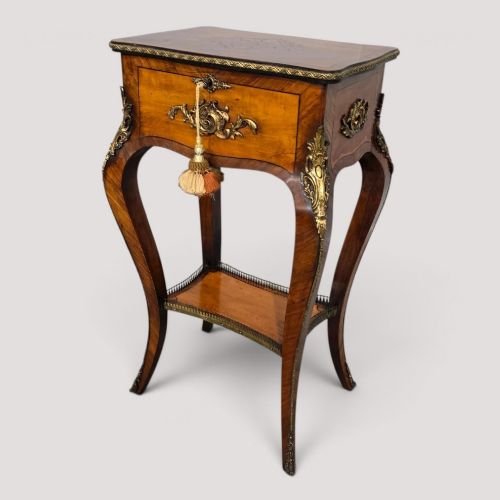
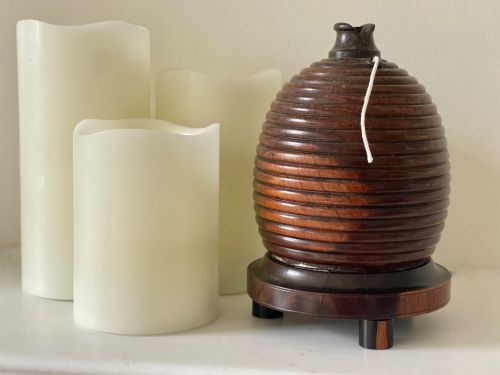
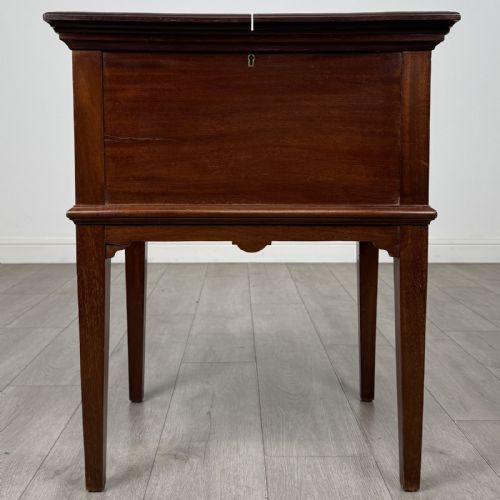
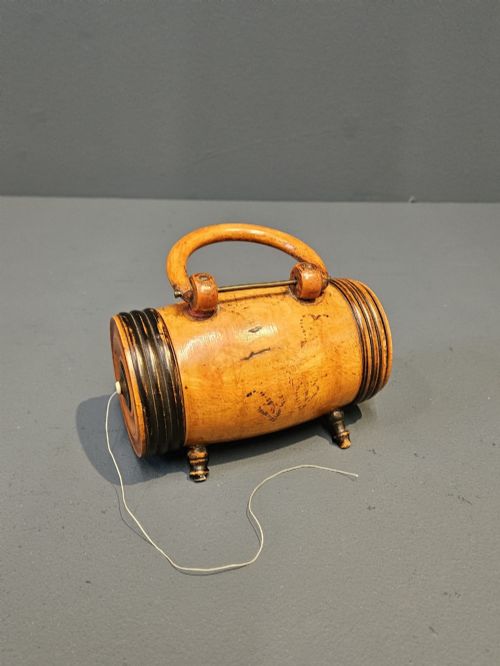
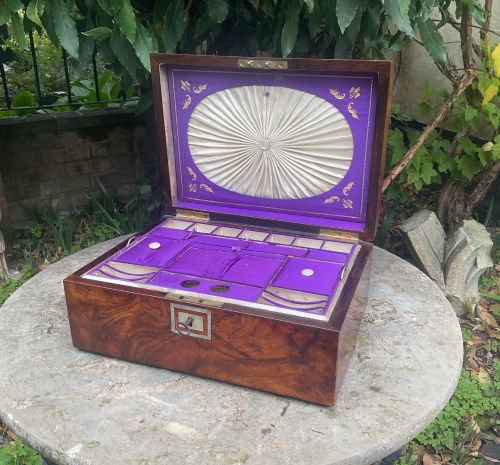
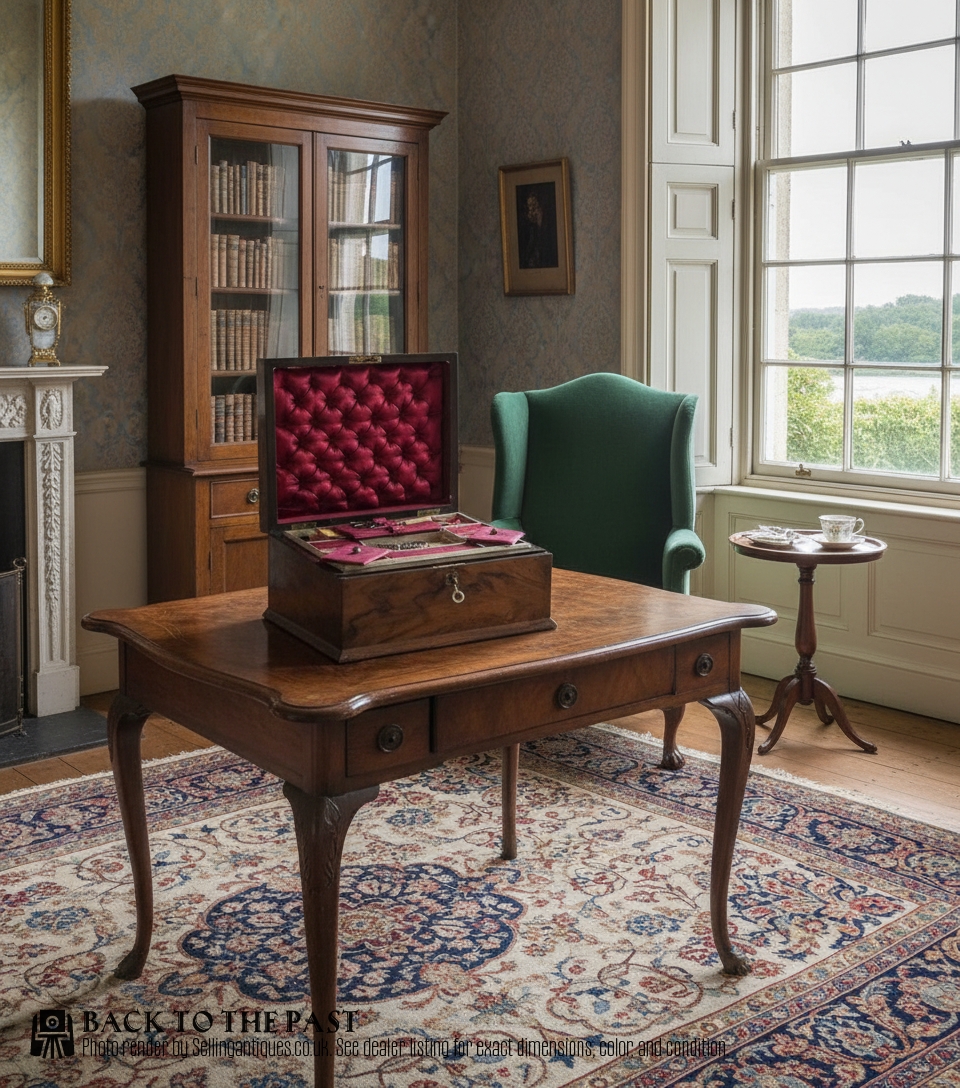
An antique wooden sewing box encompasses both compact tabletop containers and larger freestanding work tables designed to organise needles, threads and textiles. These pieces range from simple Georgian boxes to elaborate Victorian and Edwardian examples equipped with fitted internal compartments.
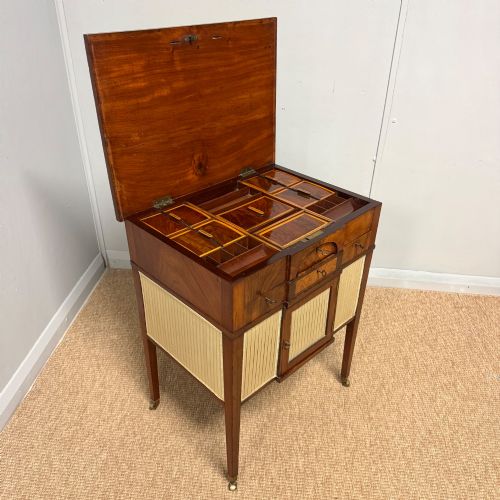
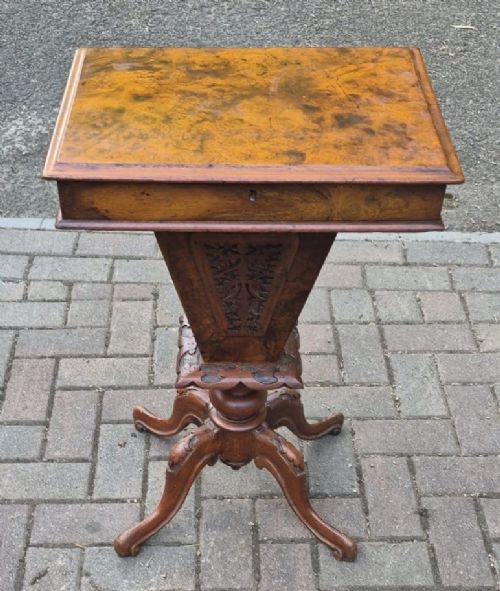
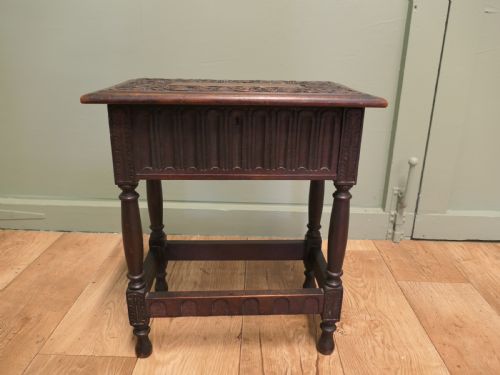
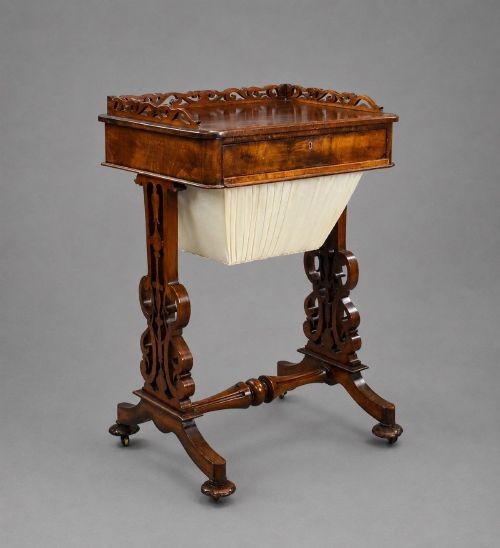
Tabletop versions often feature lift lids and internal trays, whereas larger forms double as occasional side or lamp tables with integrated storage bags or drawers. The selections span several decades of design, showing how domestic needlework changed from an essential household task into a refined pastime.
Materials and construction
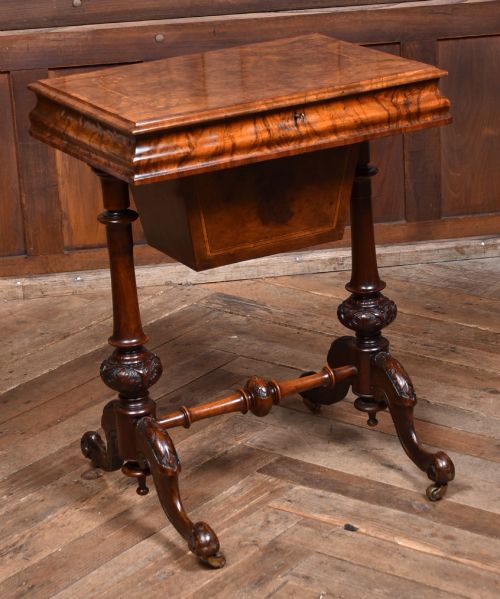
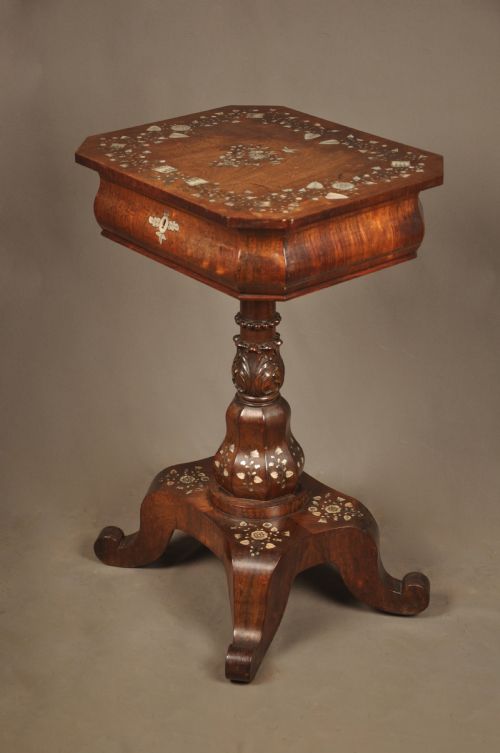
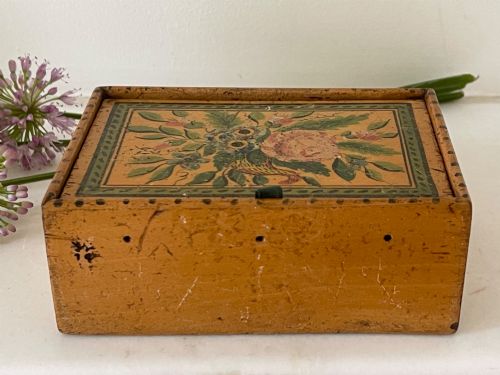
Cabinet makers utilised dense hardwoods such as mahogany, walnut, rosewood and burr walnut, often selecting figured grains for exterior surfaces. Marquetry, Tunbridge Ware inlay and mother-of-pearl accents frequently decorate the lids and panels of finer boxes.
Internal layouts require precise carpentry, incorporating miniature drawers, lidded compartments and lift-out trays lined with fabric. Brass hinges, locks and occasional ormolu mounts complete the construction of these tactile objects.
Antique Wooden Sewing Box Retail Price Guide 2026
Typical asking prices for wooden sewing box among the pieces listed under this phrase on Sellingantiques today, from the lower quarter to the upper quarter. They describe what is for sale here now, not the wider market.
Period styles span from Georgian and Regency through Victorian and Edwardian eras.
Distinctions in craftsmanship
Quality rests upon the selection of timber veneers and the precision of decorative inlay work, such as geometric Tunbridge Ware banding or detailed mother-of-pearl cartouches. Superior examples retain their original fitted internal trays and working brass hardware rather than replaced components.
The sophistication of the internal mechanism dictates the grade of the piece, with complex combination boxes or multi-tiered work tables representing the upper echelon of period joinery.
Chadwick·Ermen and Roby
The Antique Wooden Sewing Box Glossary
- Tunbridge Ware
- A form of decorative woodwork produced in Kent using thousands of tiny coloured wood blocks to create mosaic pictures. It frequently decorates the lids of nineteenth-century boxes.
- Work Table
- A freestanding piece of furniture incorporating a drawer and a fabric bag or wooden compartment for sewing materials. These items combine the function of an occasional table with needlework storage.
- Burr Walnut
- Timber taken from a tree growth that produces intricate, swirling grain patterns. Cabinet makers prized this wood for high-status Victorian decorative boxes.
Antique Wooden Sewing Box: Frequently Asked Questions
What is the difference between a sewing box and a work table?
A sewing box is a portable tabletop container designed to be carried from room to room, housing smaller tools like needles and threads in an internal tray.
A work table is a freestanding item of furniture that stands on legs, offering greater storage capacity including drop bags or deeper drawers for larger textile projects.
How do I identify a Victorian sewing box?
Victorian examples frequently display rich timbers like burr walnut or rosewood, often enhanced with mother-of-pearl inlay or Tunbridge Ware decoration.
They usually date from the mid to late nineteenth century and feature robust brass hardware alongside sophisticated internal compartmentalisation.
Were these boxes used only for sewing?
While primarily built for needlework, many containers served multi-functional purposes as writing slopes, jewellery caskets or artist paint boxes.
Fitted interiors with removable trays made it easy for owners to adapt the storage compartments for various delicate personal items.
How should I care for an antique wooden box?
Keep wooden surfaces away from direct sunlight and sudden temperature changes to prevent the timber and delicate veneers from drying out or splitting.
Apply a traditional beeswax polish occasionally to nourish the grain and maintain the natural lustre of the polished wood.