
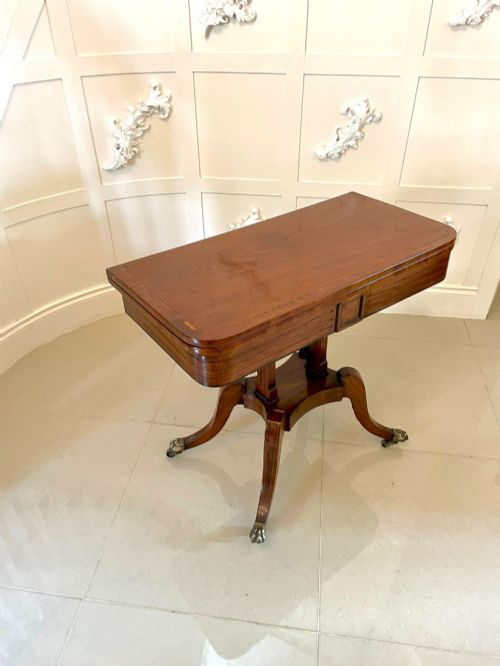

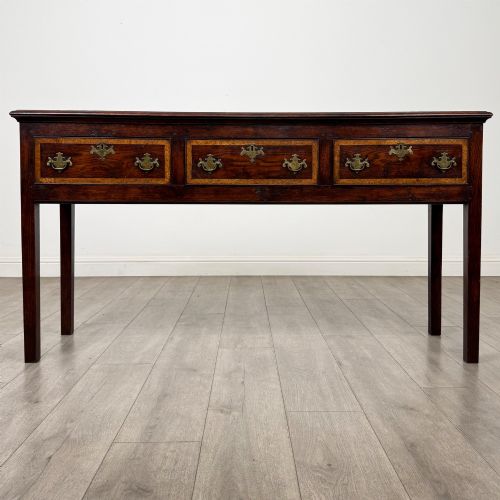
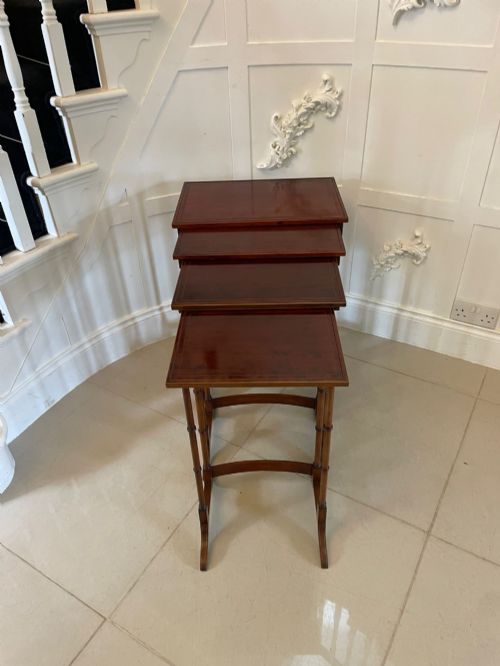
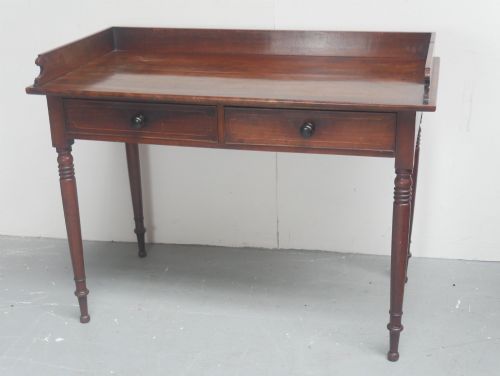
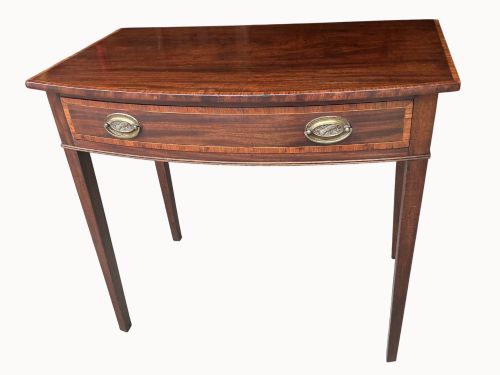
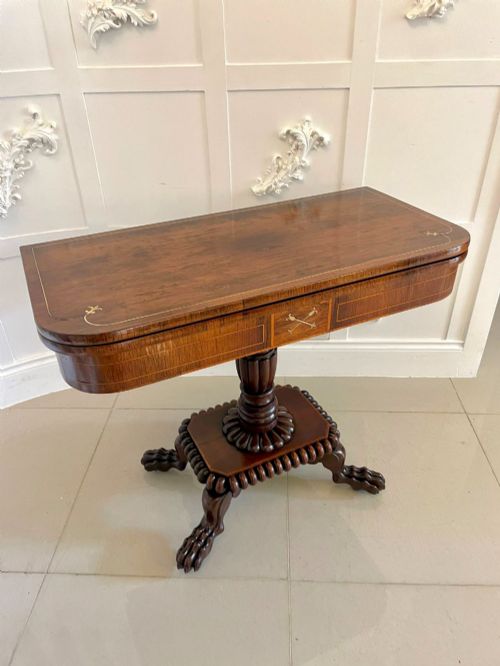
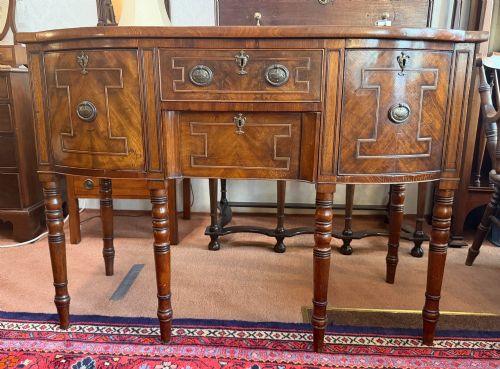
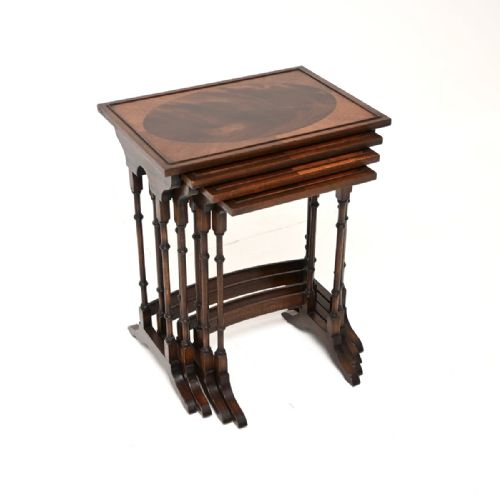
Georgian Inlaid Side Table
A georgian inlaid side table brings practical surface space and subtle cabinetwork into a room.
Georgian Inlaid Side Table
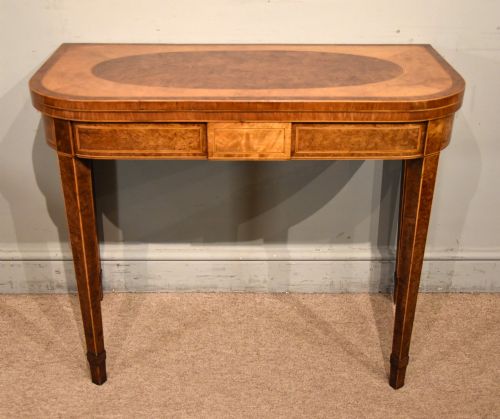
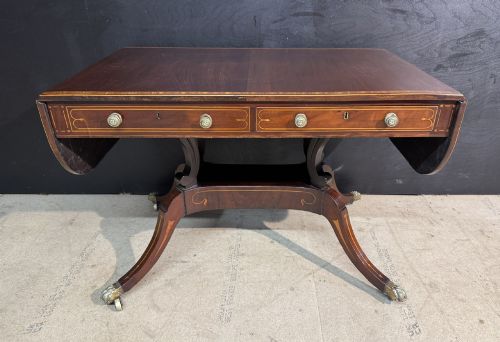
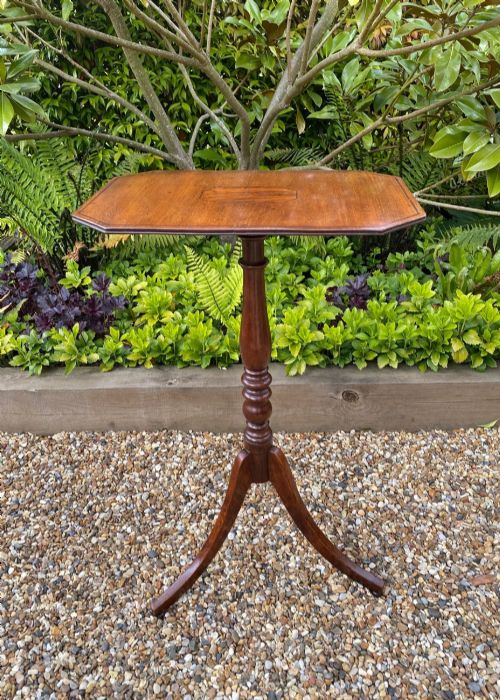
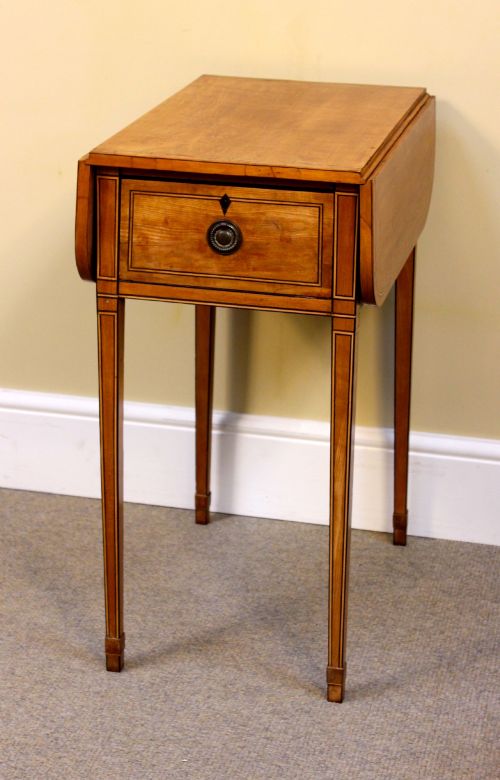
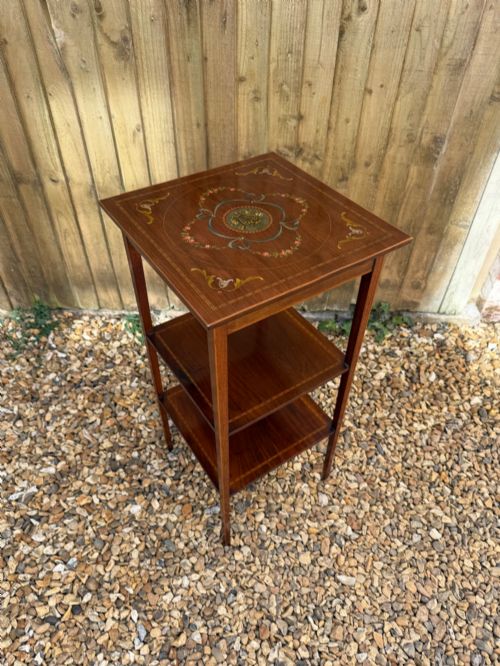
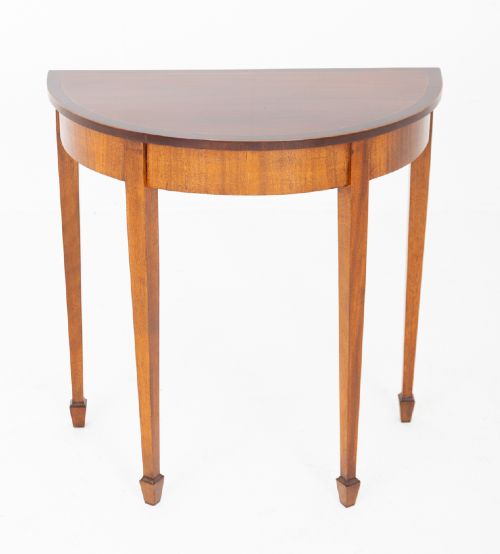
A georgian inlaid side table spans compact lowboys, console formats, and Pembroke designs intended for domestic use. The predominant examples encountered on this page date from the eighteenth and nineteenth centuries, often showing mahogany bodies enriched with contrasting timbers.
Cabinetmakers of the period produced these forms for occasional placement in halls, drawing rooms, and chambers. Many combine surface utility with small drawers or fold-over tops designed for card playing and writing.
How They Were Made
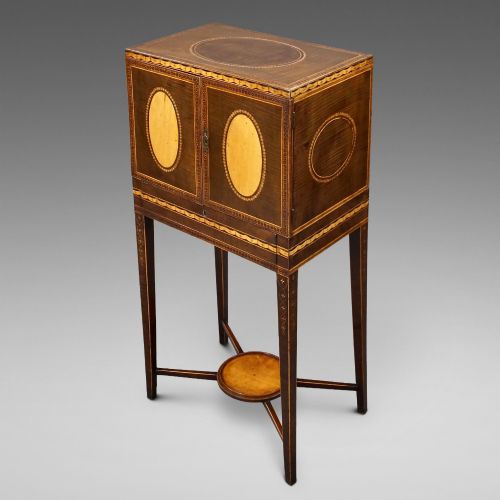
Workshops relied on solid primary woods like mahogany, oak, and fruitwood, frequently enhanced by decorative veneers. Cabinetmakers applied delicate stringing and bandings using boxwood, satinwood, and ebony to outline borders and tabletops.
Inlay techniques involved carefully cutting channels into the carcase timber to receive contrasting wood strips. Joinery utilised traditional pegged and dovetailed construction methods suited to daily wear.
Georgian Inlaid Side Table Retail Price Guide 2026
Typical asking prices for georgian inlaid side table among the pieces listed under this phrase on Sellingantiques today, from the lower quarter to the upper quarter. They describe what is for sale here now, not the wider market.
Several tables conceal integrated chessboard surfaces within their tops, ready for an impromptu match.
What Varies in Quality
The standard of a georgian inlaid side table depends upon the selection of figured timber and the precision of the cabinetmaker's hand. Superior examples display tightly matched grain patterns and meticulously fitted stringing that follows contours without gaps.
Structural integrity and the retention of original surface patination distinguish finer survivals from altered pieces. Secondary woods chosen for drawer linings and internal framing also indicate the original workshop tier.
The Georgian Inlaid Side Table Glossary
- Inlay
- A decorative technique where contrasting materials are inserted into recessed cavities within a solid wood surface. This method creates geometric borders or pictorial motifs.
- Stringing
- Narrow strips of light or dark wood embedded into the surface of a furniture piece to form fine linear borders. It is characteristic of late eighteenth-century cabinetwork.
- Pembroke table
- A small rectangular table featuring two hinged drop leaves supported by pivoting brackets. These versatile pieces often incorporate a single frieze drawer.
- Demi-lune
- A half-moon shape commonly utilised for console and side tables designed to stand flat against a wall. Such formats frequently feature fold-over tops for games.
- Lowboy
- A small dressing or side table featuring a low working height and one or more rows of drawers beneath the top. Oak and mahogany examples date predominantly from the eighteenth century.
Georgian Inlaid Side Table: Frequently Asked Questions
Where should I place a side table?
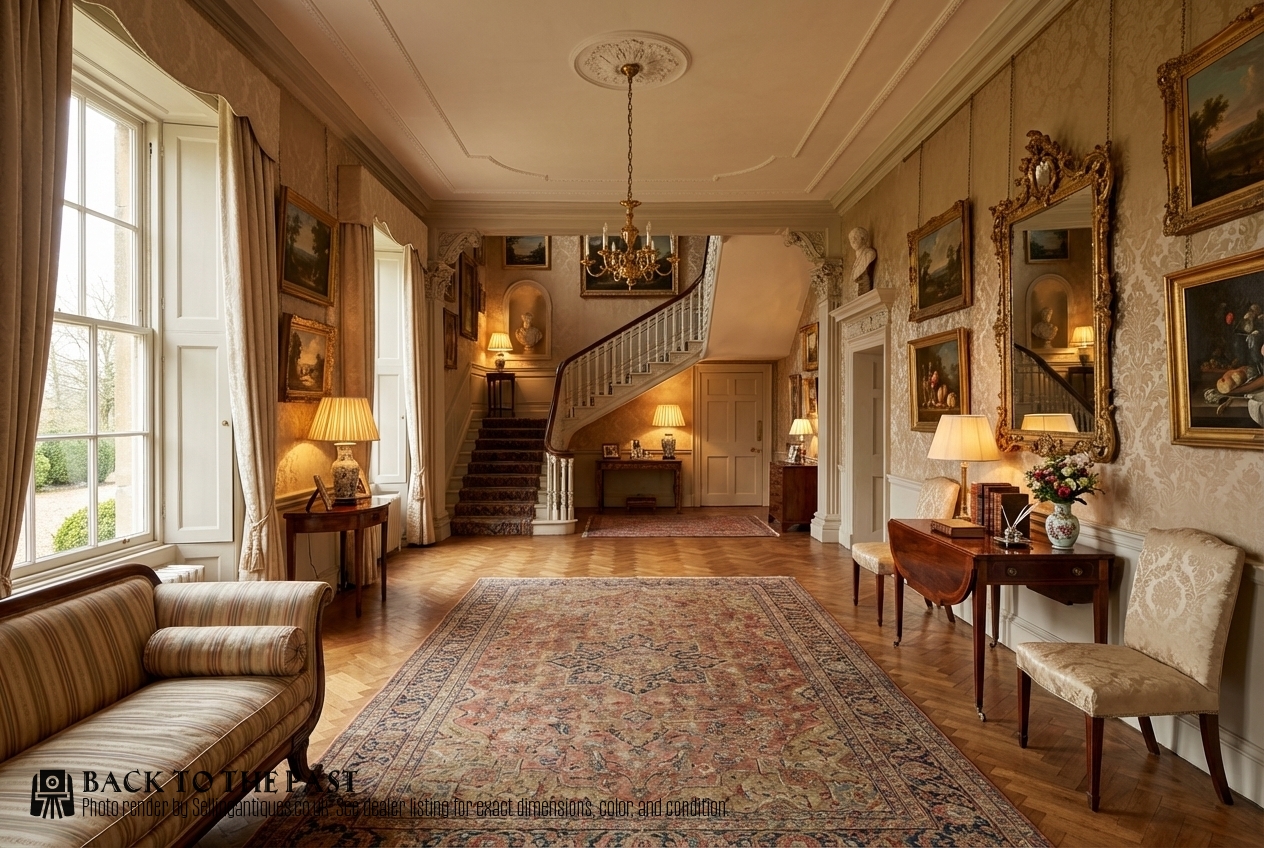
These tables suit hallways, living rooms, and bedrooms where surface space is required beside seating or against walls. Their modest proportions allow them to fit into narrow spaces without crowding a room.
Fold-over game formats and Pembroke versions offer expandable surfaces that adapt when guests visit. Placing them away from direct heat sources protects the timber and veneer from drying out.
How do I care for antique wood?
Maintain the surface by dusting with a soft dry cloth and applying natural wax polish sparingly when the timber appears dry. Avoid commercial silicones and liquid sprays that can damage historic polishes.
Keep the furniture away from radiators and direct sunlight to prevent the timber from warping and the delicate boxwood or satinwood stringing from lifting.
Were these tables used for dining?
Most examples function as occasional, writing, or card tables rather than dining furniture. Pembroke and console variations provide pull-out or fold-out surfaces intended for specific domestic tasks.
Drop-leaf designs offer flexibility, though their light frames are built for writing, sewing, or holding lamps rather than heavy meals.
How do I identify the wood types?
Mahogany displays a rich reddish-brown tone that deepens with age, while satinwood offers a pale golden sheen with a reflective grain. Boxwood and ebony appear as contrasting light and dark linear highlights.
Closer inspection reveals the distinct open pores of oak or the fine grain of fruitwood beneath historical wax finishes.