

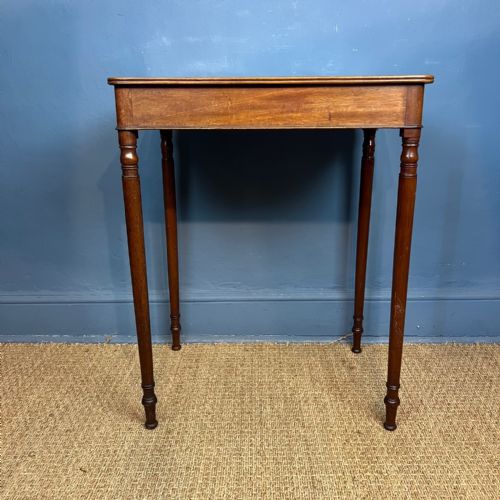
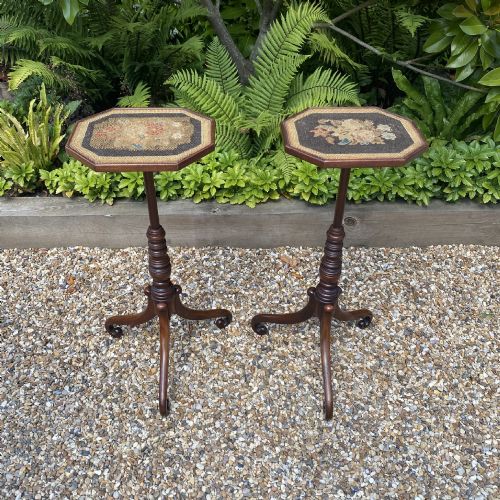
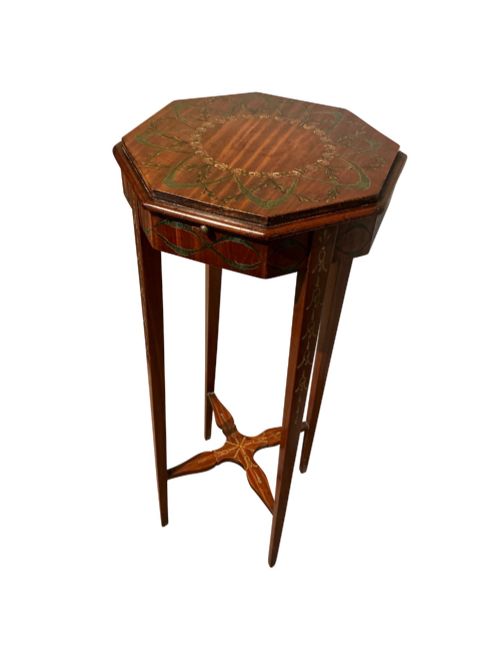
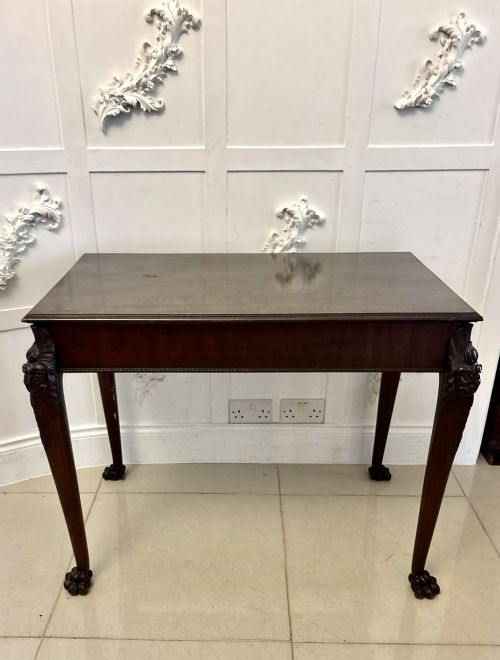
Georgian Mahogany Accent Table
A georgian mahogany accent table brings dependable timber and clean proportions into a room, serving as a versatile surface for daily use.
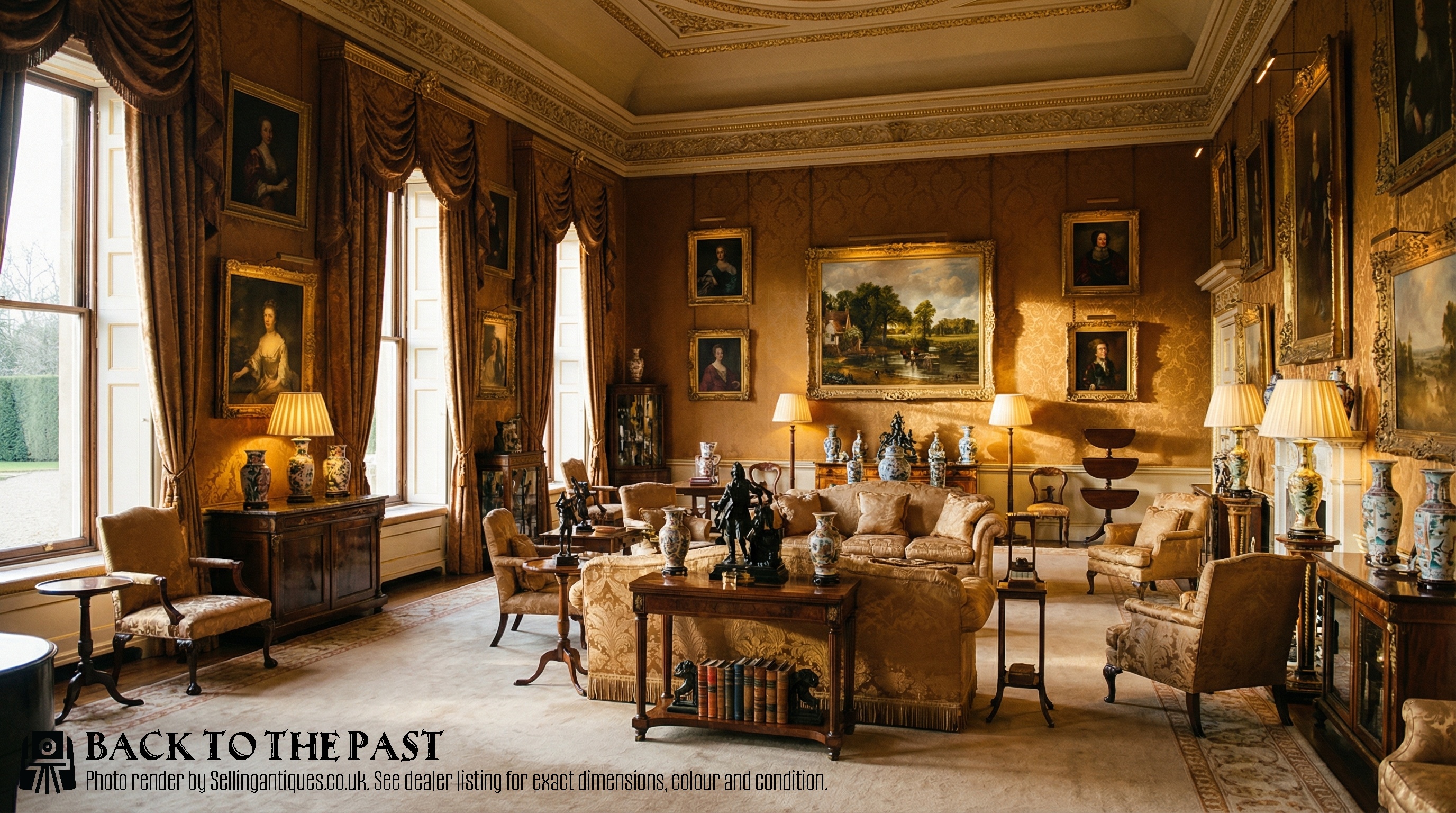
Georgian Mahogany Accent Table
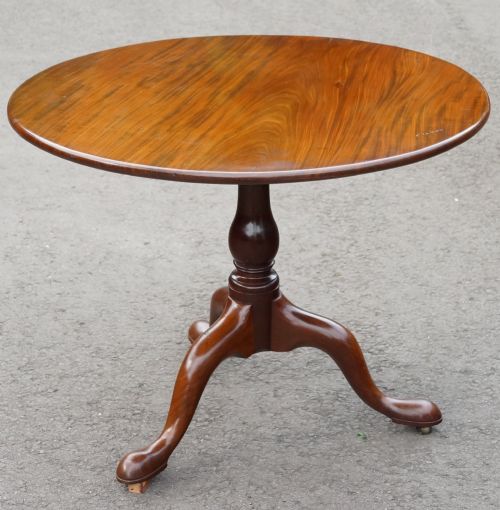
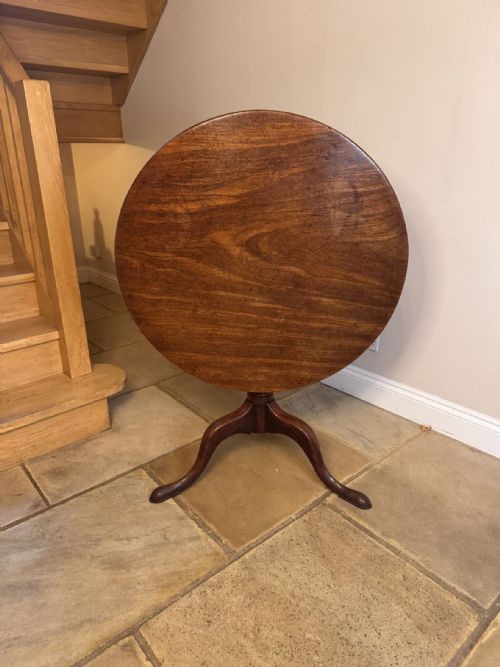
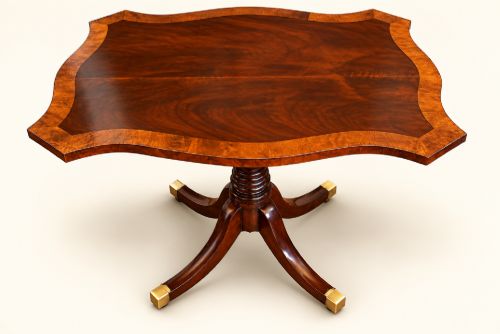
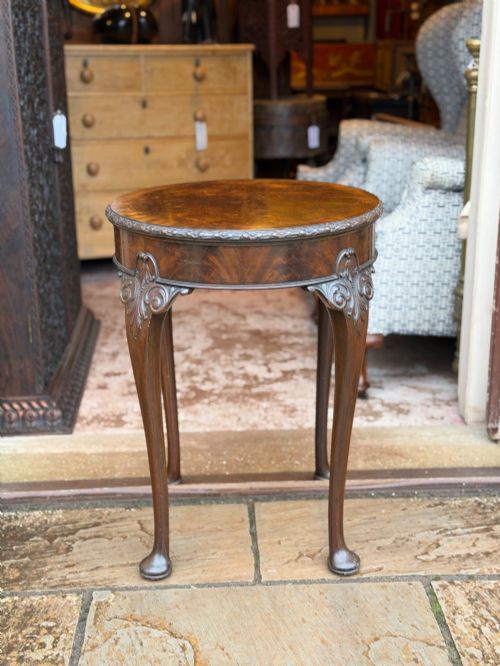
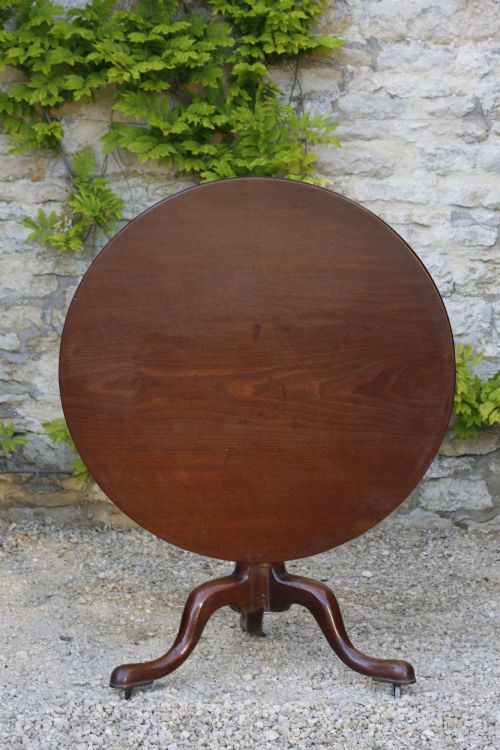
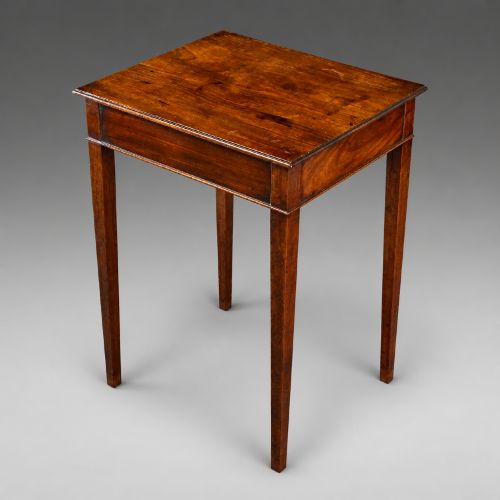
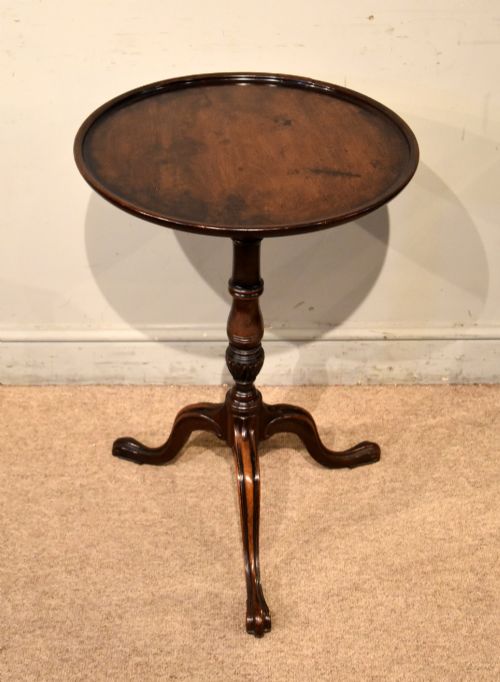
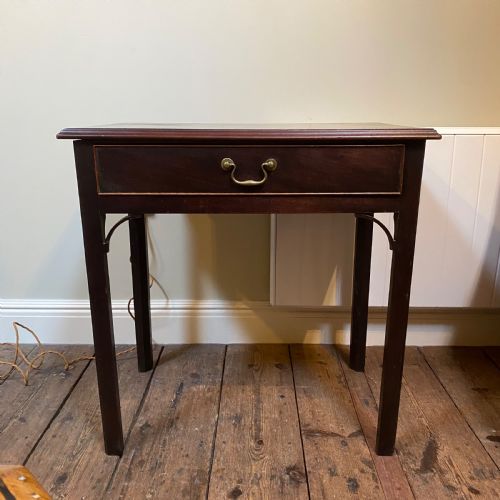
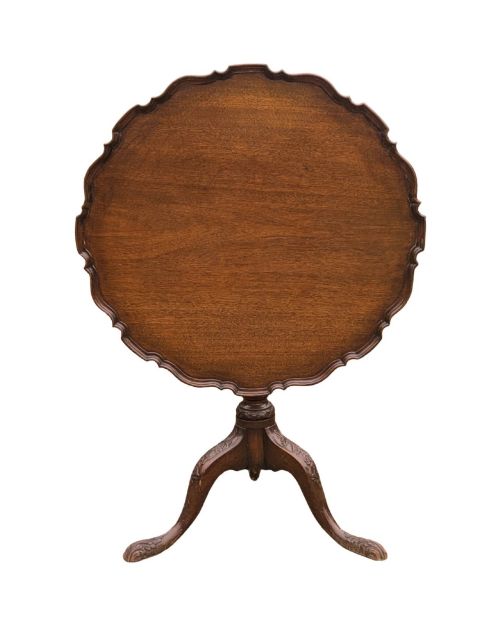
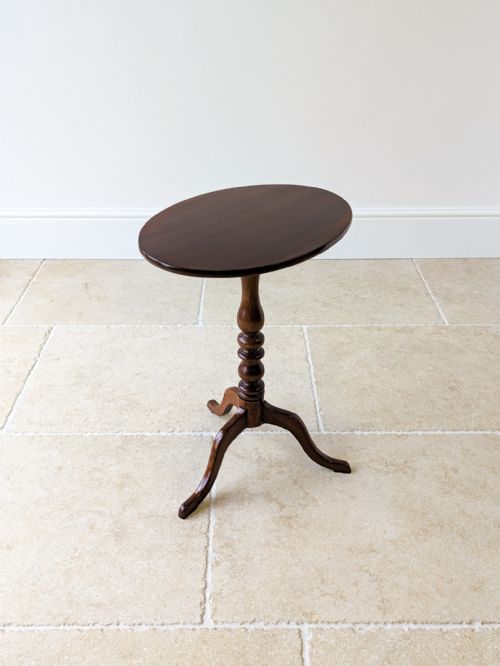
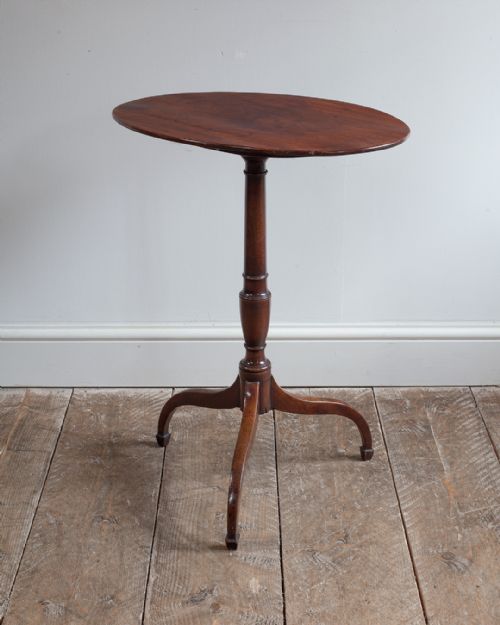
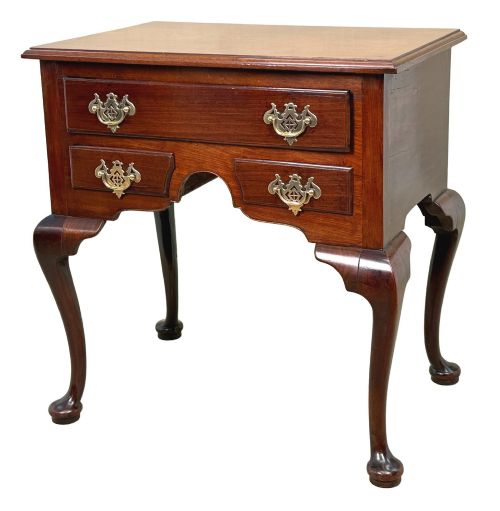
A georgian mahogany accent table covers a broad family of compact furnishings designed to be moved easily around a room. The selection spans distinct forms such as wine tables, Pembroke tables, tripod tables, and side tables.
The material record draws primarily from the 18th century, Georgian, and Regency periods, alongside later Victorian, Edwardian, and 1900s revivals. Pieces range from simple spider leg tea tables and cricket tables to elaborate pie crust tripod tables and tray top silver tables.
Buyers will encounter many variations in scale and function, from small candle stands and lamp tables to two-tier etageres and drop leaf Pembroke tables. These items were built to hold small objects, books, or drinks within a domestic interior.
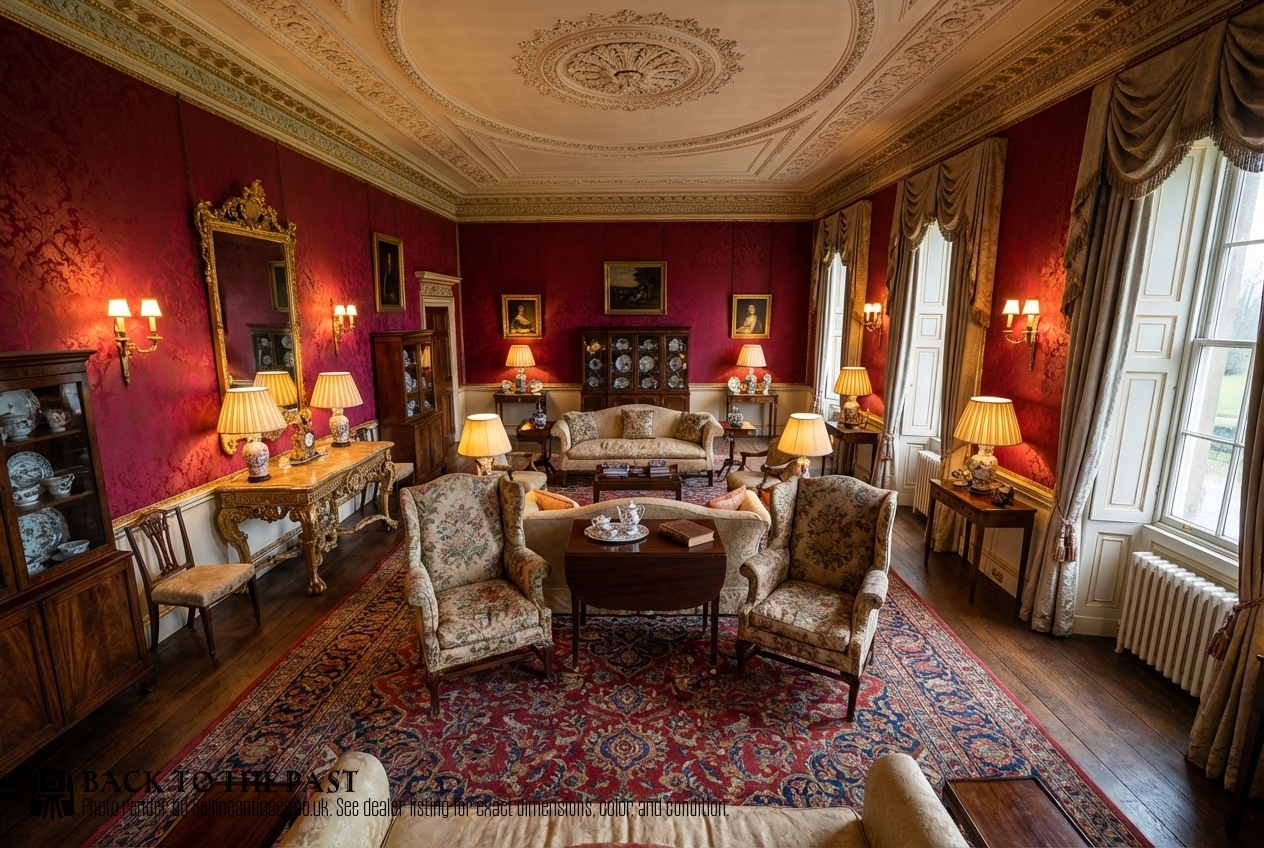
What varies in quality
Quality rests in the crispness of the carving, the selection of the timber, and the integrity of the structural joints. Well-executed tables show careful grain matching across table tops and precise turning on pedestals and legs.
Proportion and design ambition separate standard utility items from finer workshop output. Subtle details like cross-banding, shaped galleried edges, and robust mechanism fittings elevate the standing of a piece.
Georgian Mahogany Accent Table Retail Price Guide 2026
Typical asking prices for georgian mahogany accent table among the pieces listed under this phrase on Sellingantiques today, from the lower quarter to the upper quarter. They describe what is for sale here now, not the wider market.
Periods represented span from the 18th century and Georgian era through Regency, Victorian, Edwardian, and early 1900s revivals.
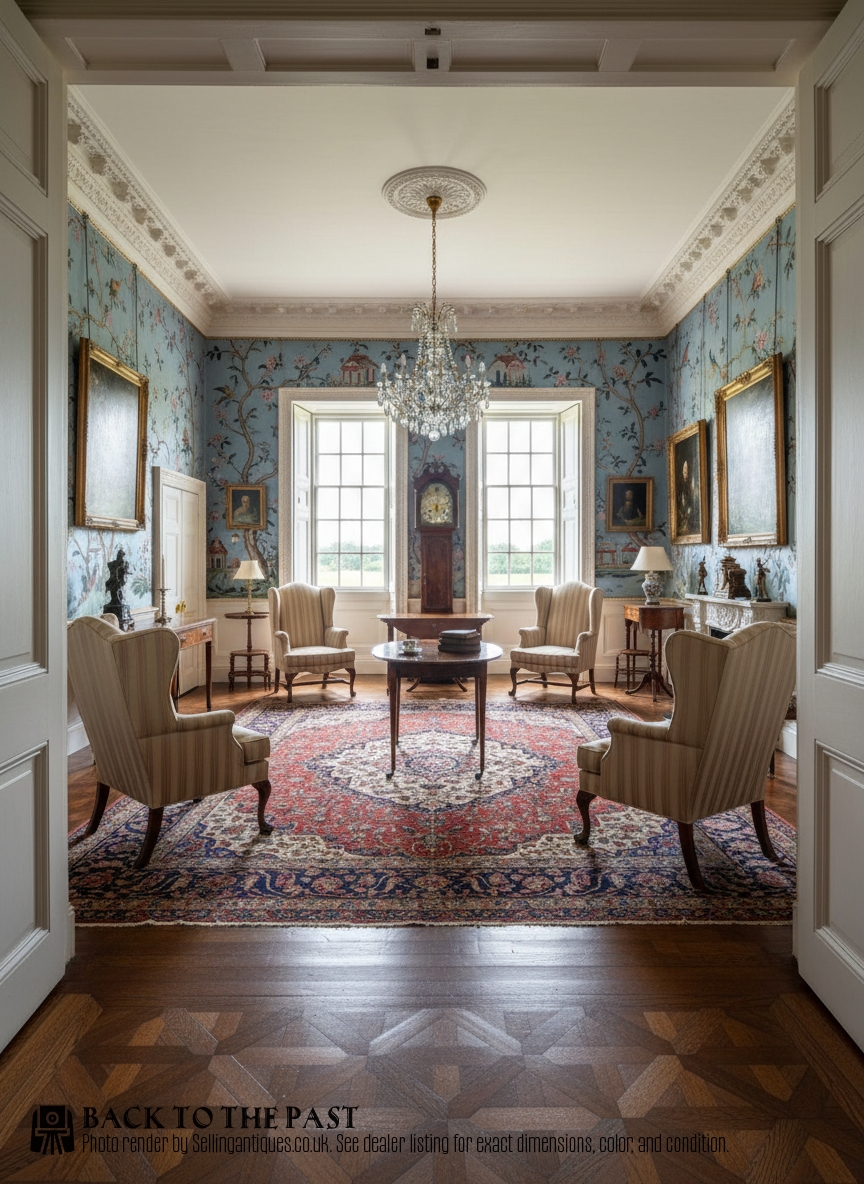
The Georgian Mahogany Accent Table Glossary
- Pembroke table
- A small drop leaf table with hinged flaps on either side, often featuring a drawer. It was designed to be easily moved around a room.
- Tripod table
- A small occasional table supported by a central pillar resting on three legs. Many examples feature a tilt top or birdcage mechanism.
- Pie crust rim
- A raised, scalloped edge carved into the perimeter of a circular table top. This decorative border is frequently found on 18th-century tripod tables.
- Birdcage
- A wooden framework beneath a tilt top table that allows the top to rotate and pivot. It connects the pillar to the table surface.
- Spider leg table
- A slender, delicate drop leaf table with numerous thin turned legs joined by stretchers. These tables provide a light profile for tea or occasional use.
Georgian Mahogany Accent Table: Frequently Asked Questions
What is a Pembroke table used for?
A Pembroke table functions as a versatile occasional surface with drop flaps that can be raised or lowered as needed. Historically, these tables served for writing, breakfast, or light needlework in sitting rooms.
Today, their compact footprint allows them to sit beside a sofa or act as a small desk in restricted spaces.
What is the difference between an 18th-century and an Edwardian table?
Eighteenth-century tables demonstrate the primary construction periods of Georgian design, utilising dense Cuban mahogany and hand-carved details. Edwardian pieces often revive these earlier styles using lighter structural builds.
Examining the underside timber, fastener types, and tool marks helps clarify the manufacturing era.
Where should I place an accent table in my home?
Accent tables suit hallways, beside armchairs, or as lamp stands in living areas. Their modest scale means they occupy minimal floor space while providing a functional surface.
Matching the table height to adjacent seating ensures comfortable daily use.