


Antique English Lowboy Table
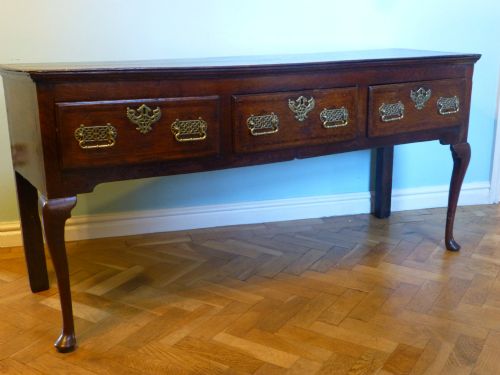
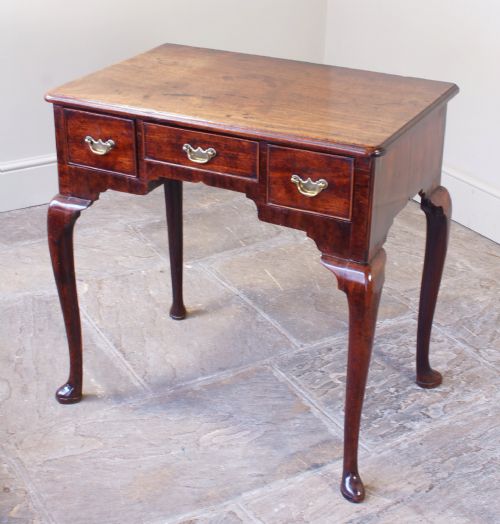
The antique english lowboy table is a compact domestic table with drawers, prized for graceful proportions and versatility as a writing desk or side table.
Antique English Lowboy Table
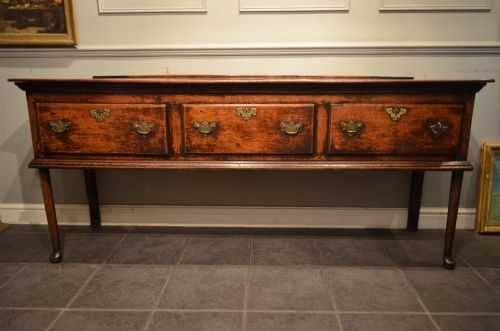
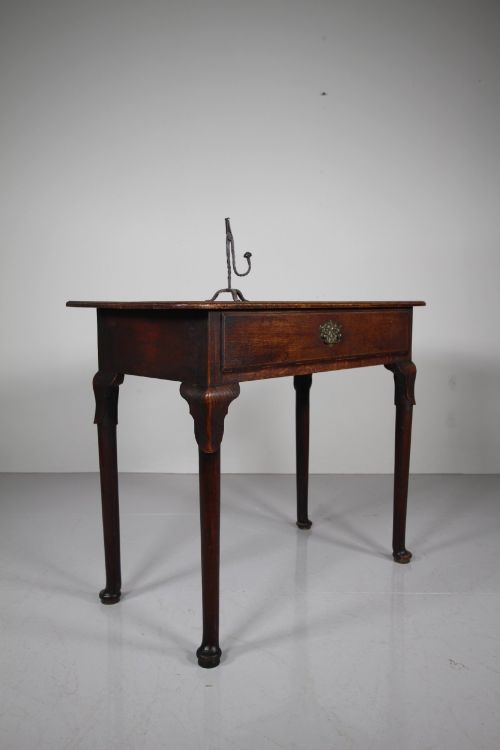
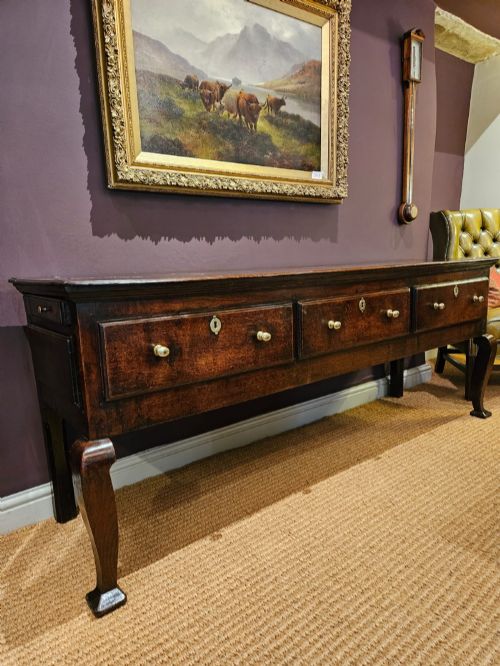
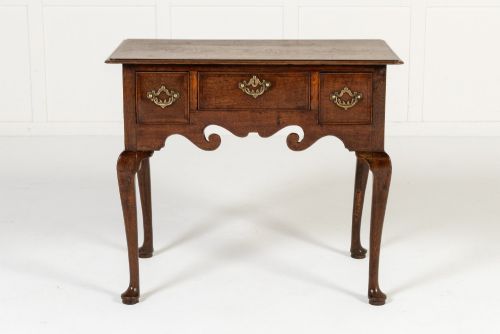
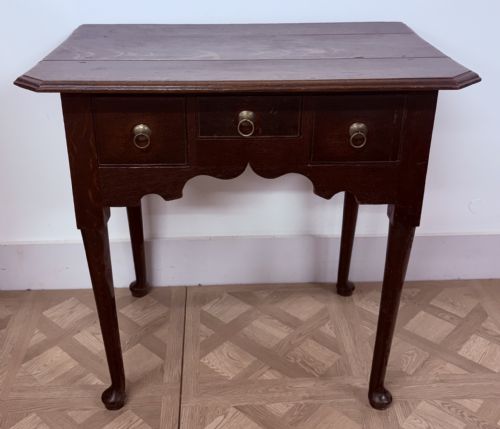
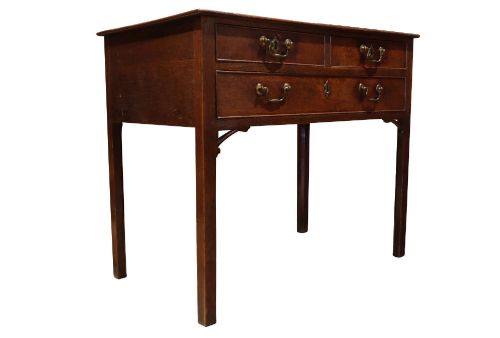
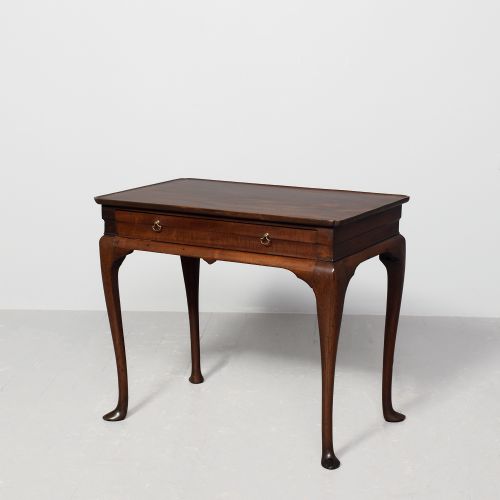
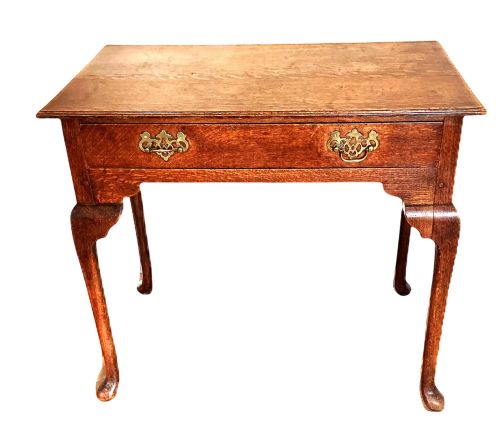
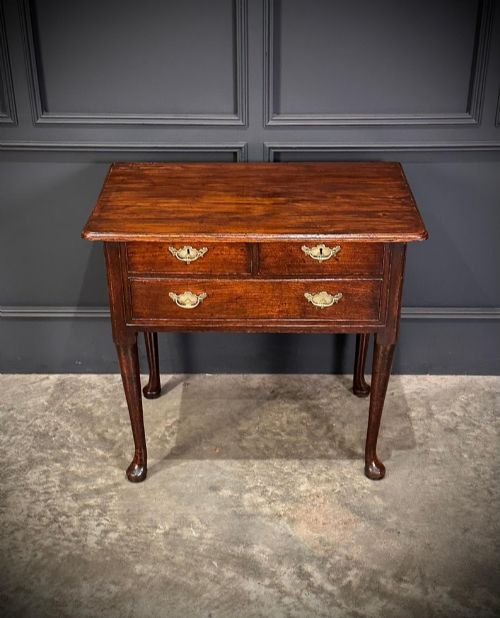
The antique english lowboy table functions as a small occasional table equipped with one, two or three drawers beneath a rectangular top. Originally utilised in elite households as a dressing table or writing desk, these tables now serve primarily in hallways and reception rooms.
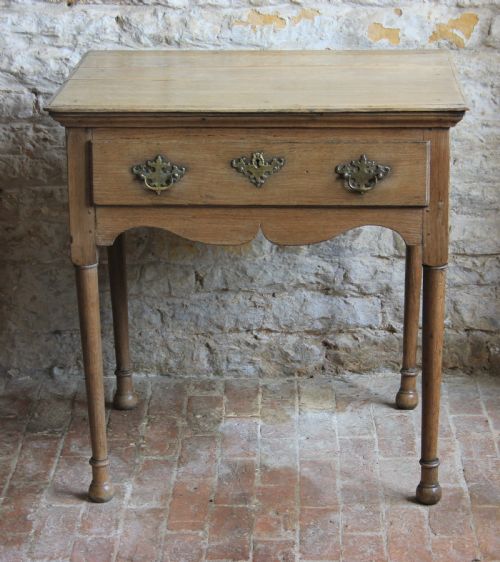
Most examples found on this page date from the eighteenth century, aligned with the reigns of George II and George III, alongside earlier seventeenth-century William and Mary pieces and later revival interpretations. Provincial pieces in solid oak sit alongside more formal urban examples in figured mahogany and walnut.
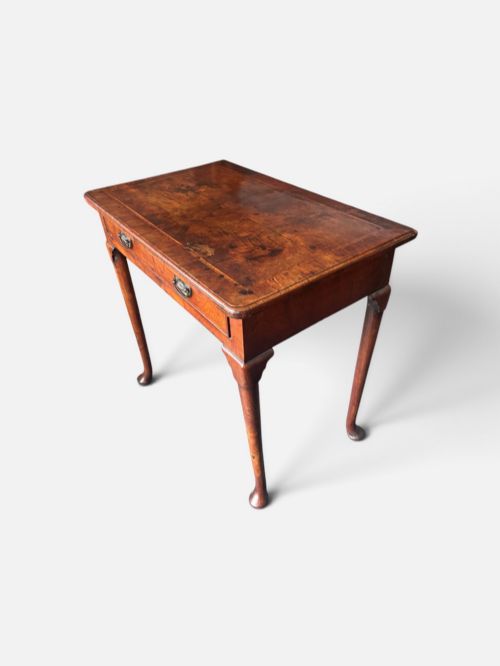
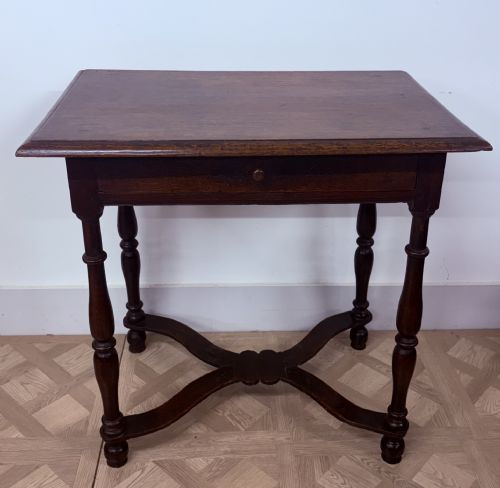
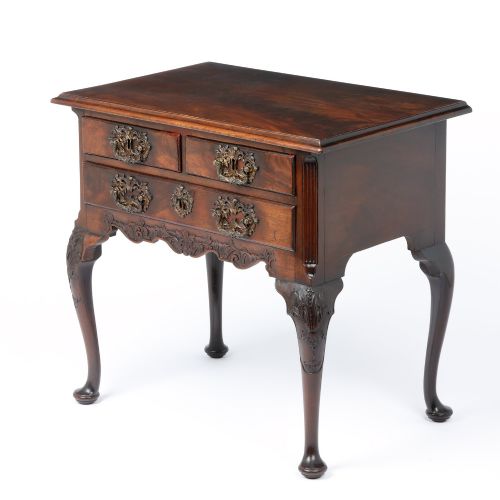
Formations range from plain tables with straightforward turned legs to sophisticated pieces featuring cabriole legs, shaped aprons and cross-banded veneers. Buyers encounter items catalogued variously as side tables, dressing tables and correspondence tables, reflecting their multi-purpose origins.
How They Were Made
Cabinetmakers constructed these tables using native timbers such as oak, elm and fruitwood during the seventeenth and early eighteenth centuries, later adopting imported mahogany and walnut for finer urban pieces. Drawer construction typically employs hand-cut dovetails and solid secondary timbers like pine or oak.
Leg forms were shaped by hand, moving from early straight or turned supports to the characteristic cabriole legs pinned with pad or claw-and-ball feet. Surfaces were finished with traditional polish or left with the deep patination accumulated through generations of domestic use.
Antique English Lowboy Table Retail Price Guide 2026
Typical asking prices for english lowboy table among the pieces listed under this phrase on Sellingantiques today, from the lower quarter to the upper quarter. They describe what is for sale here now, not the wider market.
Listings feature eighteenth-century Georgian pieces alongside seventeenth-century William and Mary examples, constructed in oak, walnut, mahogany and fruitwood.
What Varies in Quality
Quality rests upon the selection of timber and the ambition of the design, where figured walnut or dense mahogany veneers elevate a piece beyond standard provincial oak. The crispness of carved details on aprons and knees separates standard workshop output from exceptional cabinet work.
Proportion and structural integrity dictate the standing of a piece, particularly the harmonious relationship between the height of the frieze drawers and the length of the legs. Original brass hardware, uncompromised drawer linings and undisturbed surface patination mark the highest tier of surviving examples.
The Antique English Lowboy Table Glossary
- Lowboy
- A small kneehole-free table with drawers, standing on relatively tall legs. This form became popular in the late seventeenth century.
- Cabriole leg
- A double-curved leg inspired by animal limbs, swelling outward at the knee and tapering inward to the foot. It defines much eighteenth-century seating and table design.
- Cross-banding
- A narrow strip of veneer laid around the border of a table top or drawer front so the grain runs perpendicular to the central panel. This technique provides a neat visual frame.
- Dovetail
- A joint formed by interlocking wedge-shaped fingers, utilised primarily in drawer construction. Hand-cut dovetails indicate traditional period assembly.
- Frieze
- The horizontal band beneath the top surface of a table which houses the drawers. The lower edge of this board is frequently shaped or scalloped.
Antique English Lowboy Table: Frequently Asked Questions
What was a lowboy used for?
These tables served primarily as personal dressing tables or writing desks in private bedchambers during the seventeenth and eighteenth centuries. Upper-class households utilised them for grooming, storing correspondence and holding small valuables.
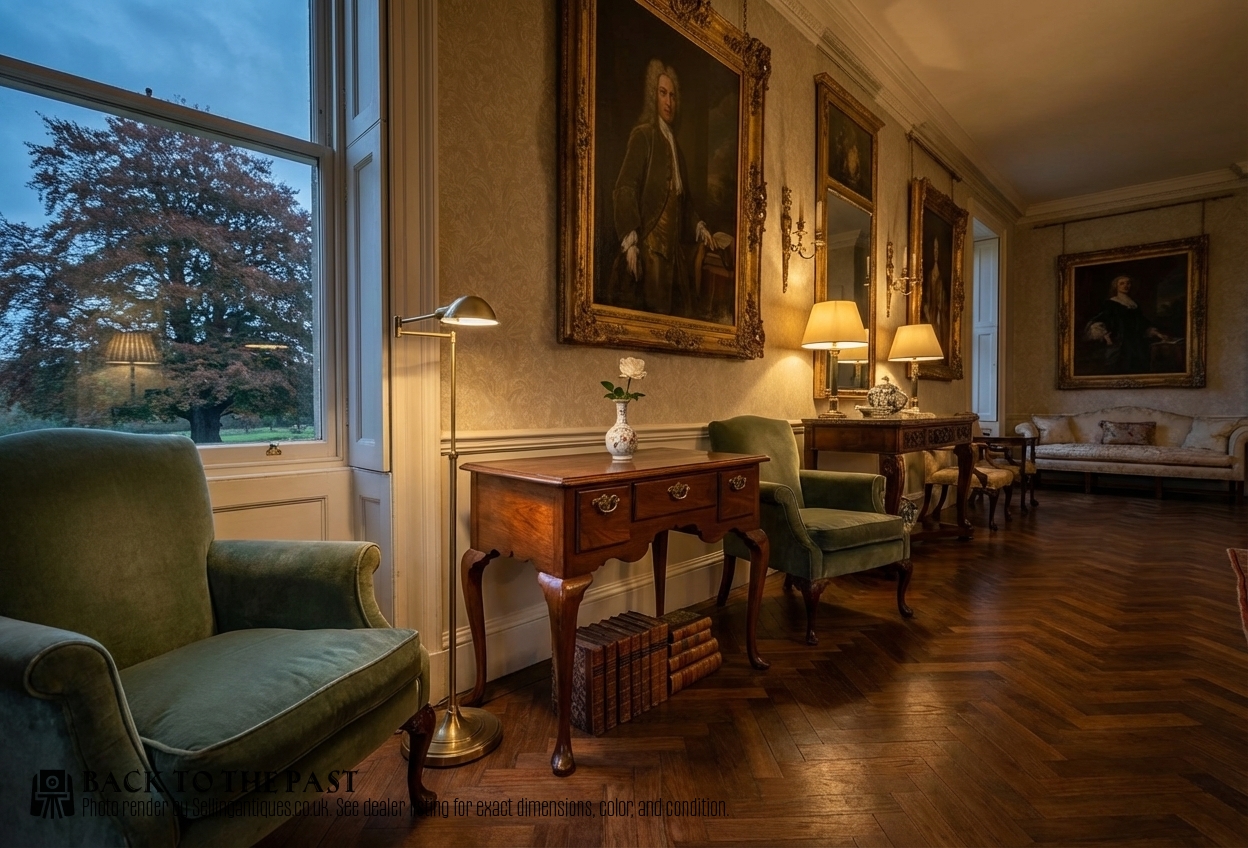
Over time, their compact footprint allowed them to migrate into reception halls and living spaces as decorative side or lamp tables.
How do I date an antique lowboy?
Dating relies upon timber selection, leg configuration and construction methods visible within the drawer framing. Early pieces utilise heavy oak or walnut with turned supports, while mid-century examples favour mahogany and cabriole legs.
Secondary woods and hand-cut dovetailing provide further chronological markers when paired with prevailing stylistic periods like Queen Anne or George III.
Where should I place a lowboy at home?
The modest depth and narrow profile make these tables suited for narrow hallways, landings or behind sofas as lamp tables. Their finished backs and compact drawers also allow placement in studies as writing surfaces.
Placing them away from direct heat sources protects the historic timber and maintains the stability of the original joints.
What is the difference between a lowboy and a side table?
A lowboy specifically incorporates one or more drawers beneath the work surface, whereas a general side table may simply feature an open frame. The presence of these working drawers distinguishes the form as a dedicated storage and writing station.
Many period examples bridge both categories, appearing in archives under either heading depending on dealer cataloguing conventions.