

Dark Mahogany Pembroke Table
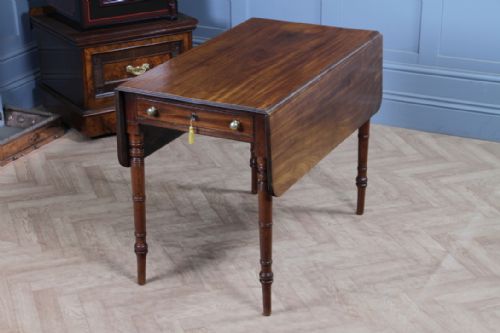
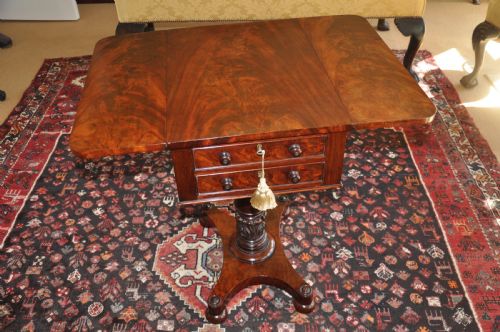
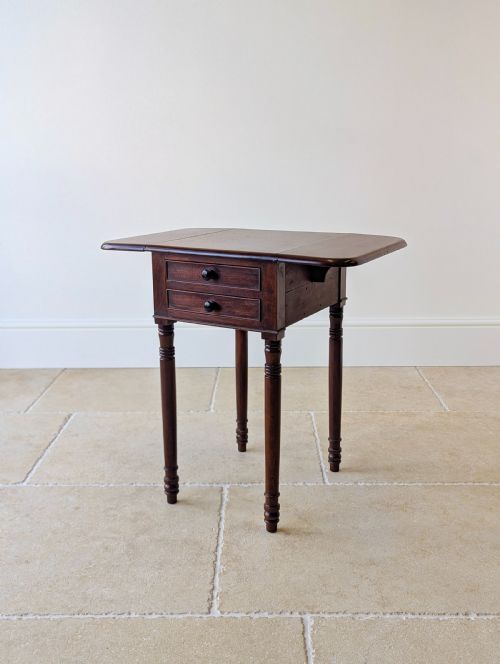
These dark mahogany pembroke tables offer clever drop-leaf versatility alongside deep timber tones that anchor a room.
What these dark mahogany pembroke tables are
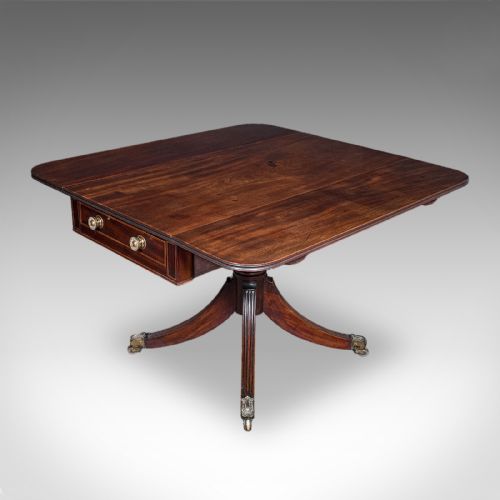
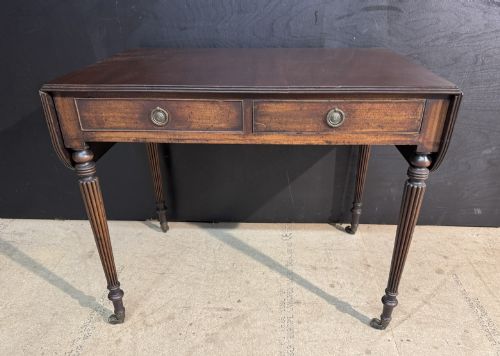
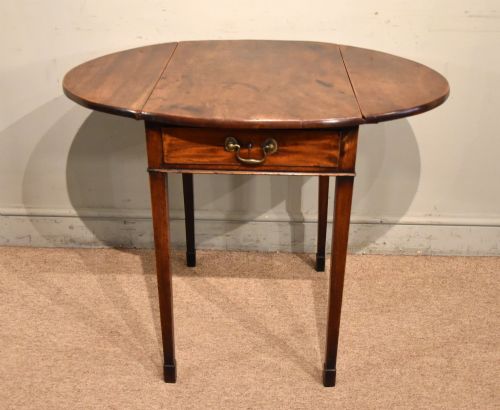
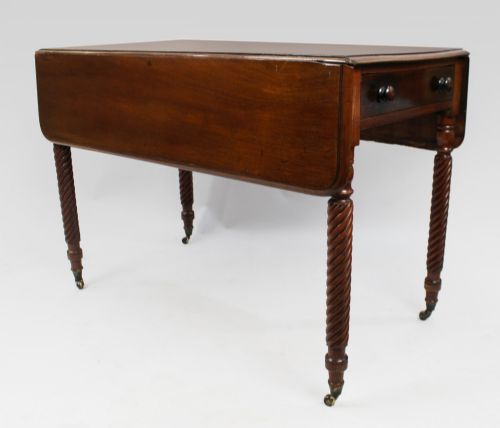
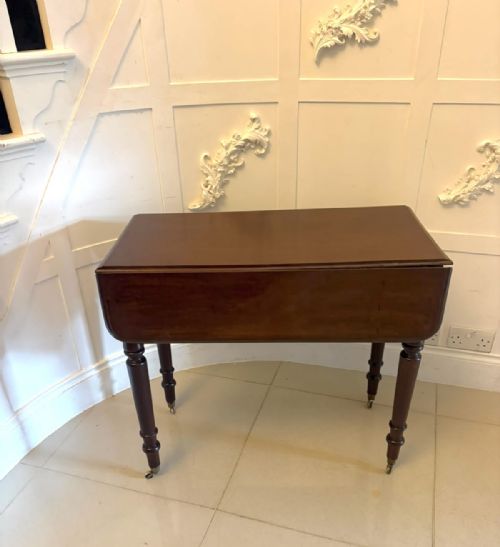
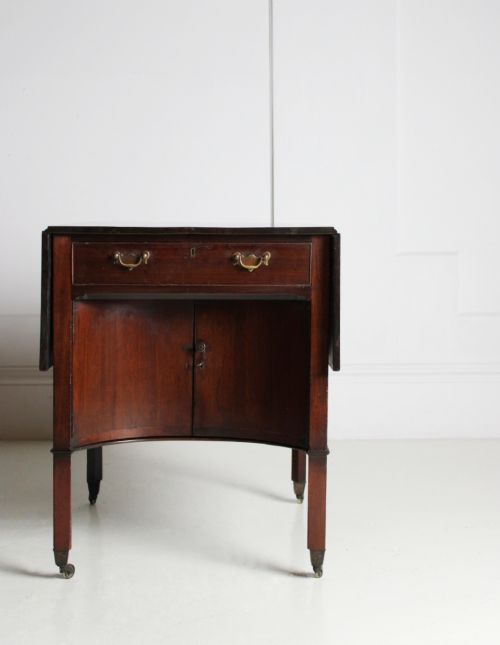
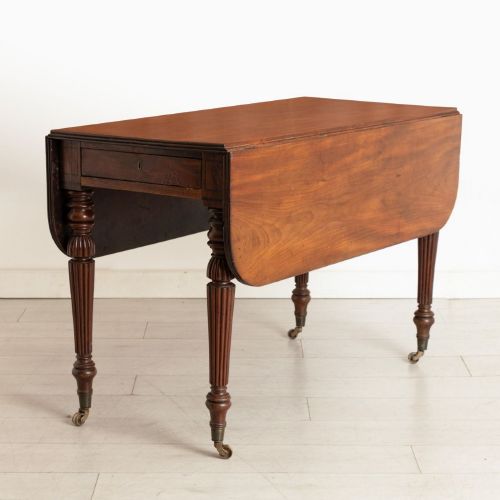
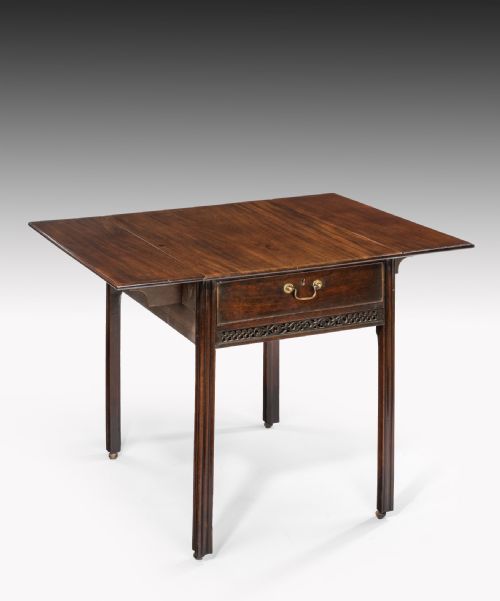
A dark mahogany pembroke table is a compact drop-leaf occasional table designed to fold out when extra surface area is needed and stay tucked away against a wall otherwise. You will frequently encounter examples from the Georgian, Regency, Victorian, and Edwardian periods.
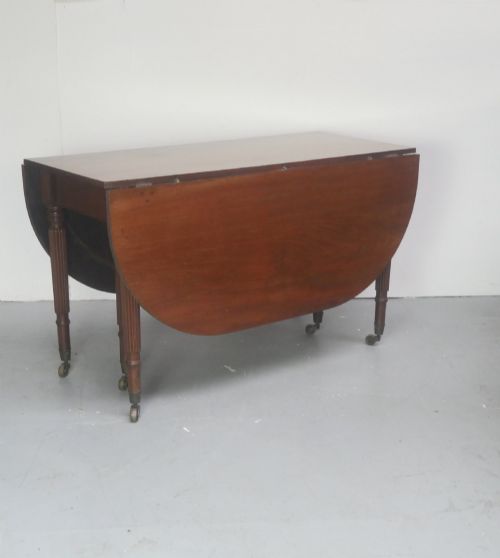
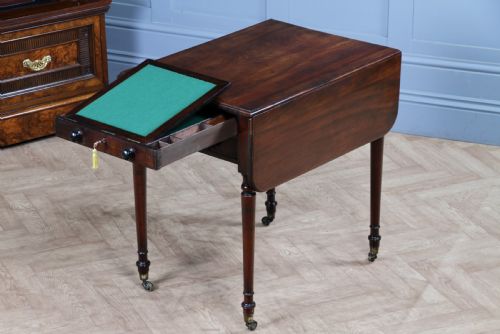
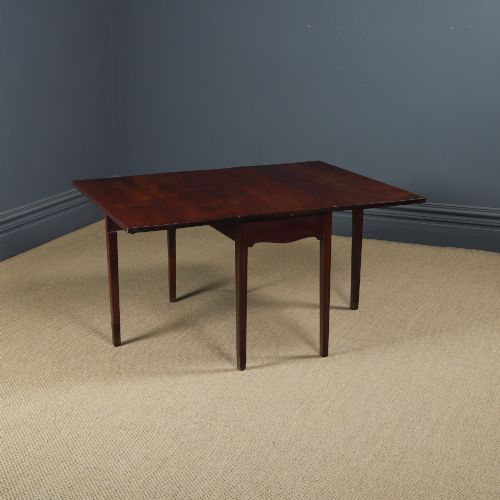
The pieces on offer span several distinct formats including standard pembroke tables, breakfast dining variants, and lighter spider-leg configurations. Makers utilised rich timber and sometimes added practical drawers for storage.
Originating primarily in 18th-century English households, these adaptable tables transitioned through various stylistic shifts while maintaining their signature hinged flaps on either side. Their enduring appeal lies in this combination of modest footprint and expandable utility.
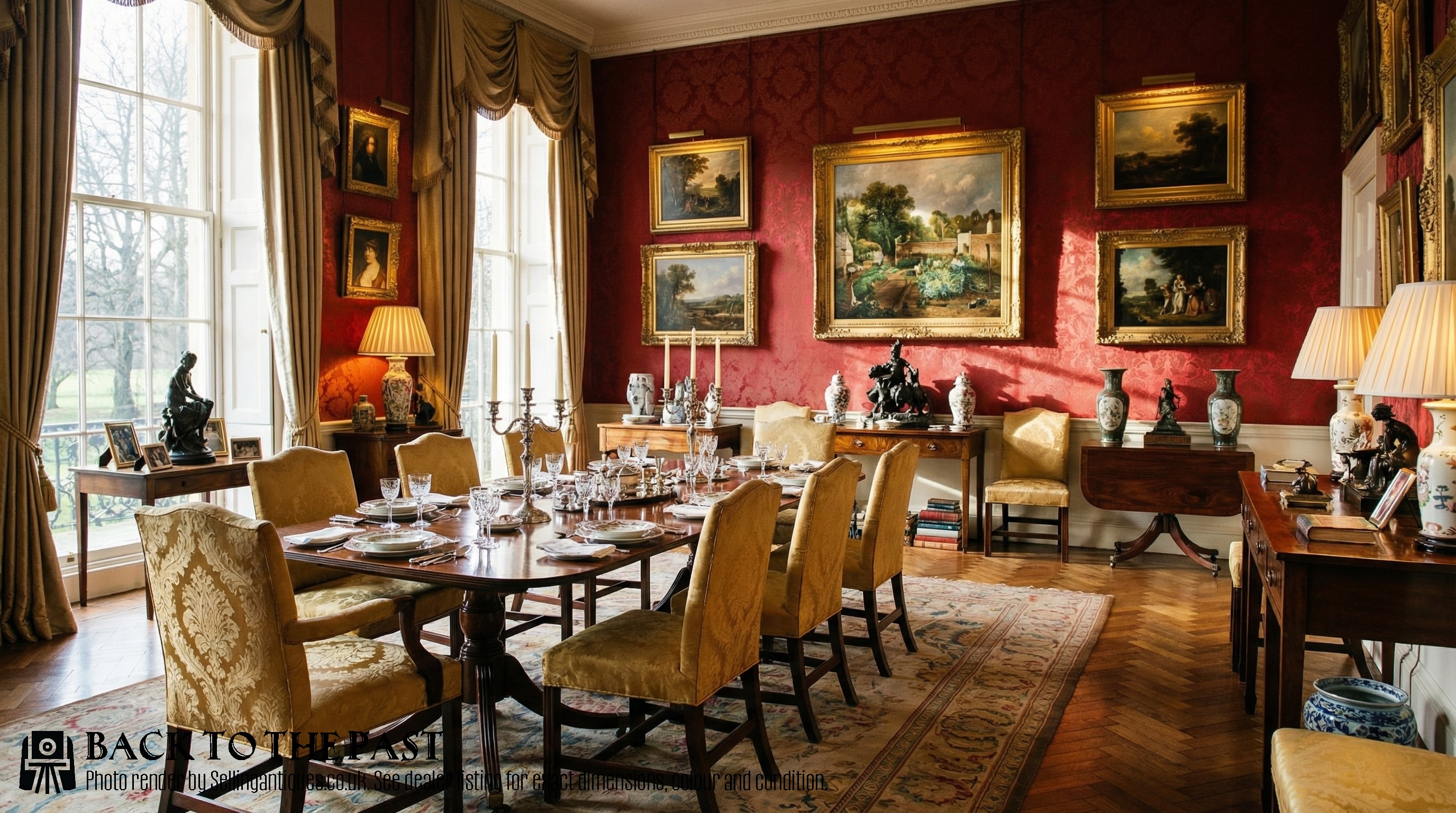
How they were made
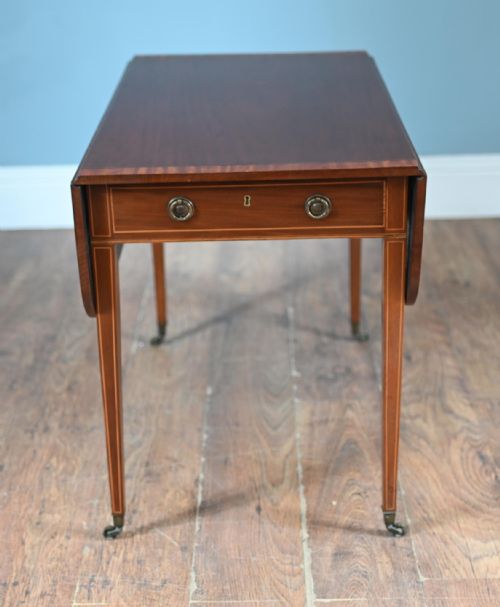
Cabinet makers built these tables using dense mahogany, often incorporating secondary timbers and brass hardware for hinges and castors. Some finer examples feature subtle boxwood stringing along the edges to delineate the surfaces.
Construction relied on precise joinery to support the pivoting leaf brackets, known as fly brackets, which swing out to hold the drop leaves steady. The timber was finished to bring out the natural deep grain and dark lustre characteristic of the period.
Retail Price Guide 2026
Typical UK retail prices for dark mahogany pembroke table, calculated from the Sellingantiques database of over a million retail prices indexed since 2003. This retail price guide relies exclusively on Sellingantiques data; no external sources or auction records are used, so the figures do not describe the wider market.
Current listings incorporate mahogany timber combined with brass and boxwood across Georgian, Regency, Victorian, and Edwardian styles.
What varies in quality
Quality in these tables rests primarily on the choice of timber figure, the crispness of any inlaid boxwood detailing, and the integrity of the drop-leaf hinge mechanism. Superior examples display carefully matched grain across the leaves and top.
The sophistication of the undercarriage and the grace of the leg turnings or tapering also dictate the tier of a piece. Robust yet refined framing separates a utilitarian piece from a superior drawing-room specimen.
The Dark Mahogany Pembroke Table Glossary
- Pembroke table
- A small occasional table featuring two hinged drop leaves on opposite sides. It typically includes a single drawer and was designed for versatile placement in a parlour or sitting room.
- Drop-leaf
- A table top configuration comprising a fixed central section and hinged flaps that can be raised or lowered on wooden brackets. This allows the overall footprint to change depending on space requirements.
- Boxwood stringing
- A narrow inlay of pale boxwood set flush into darker mahogany surfaces to create decorative contrasting borders. It adds linear definition to table tops and drawer fronts.
- Spider-leg
- A delicate, exceptionally slender leg style often found on later Edwardian iterations of these tables. This form reduces visual weight while maintaining structural support for lighter tasks.
- Fly bracket
- A pivoting wooden support arm that swings outward from beneath the table frame to hold a raised drop leaf in place. Smooth operation of this mechanism indicates careful original cabinet work.
Frequently Asked Questions
What is a dark mahogany pembroke table?
A dark mahogany pembroke table is a drop-leaf occasional piece featuring hinged flaps on two sides and a compact rectangular top. These tables were traditionally used for small meals, writing, or needlework in domestic interiors.
They appear across multiple eras from the eighteenth century through the Edwardian period, each era bringing slight adjustments to leg thickness and undercarriage design.
How do I use a pembroke table daily?
You can keep the leaves dropped and place the table against a wall as a console or side stand. When guests arrive or extra workspace is required, simply swing out the support brackets and raise the leaves.
The sturdy timber construction handles everyday items easily, though placing hot cups or moisture directly onto the antique finish should be avoided.
How do I tell a Georgian table from a Victorian one?
Georgian and earlier pieces often display restrained lines, substantial mahogany timber, and classical proportions associated with eighteenth-century cabinet making. Victorian examples frequently incorporate deeper colouration, heavier turned legs, or functional fitted drawers.
Looking closely at the timber selection, brass hardware style, and leg geometry helps clarify the likely period of manufacture.
What distinguishes spider-leg versions?
Spider-leg pembroke tables utilise exceptionally thin, turned supports connected by slender stretchers to create an airy profile. This lighter construction method became particularly popular during the Edwardian period.
While visually delicate, these tables provide a nimble surface suited to lighter domestic tasks rather than heavy dining.