
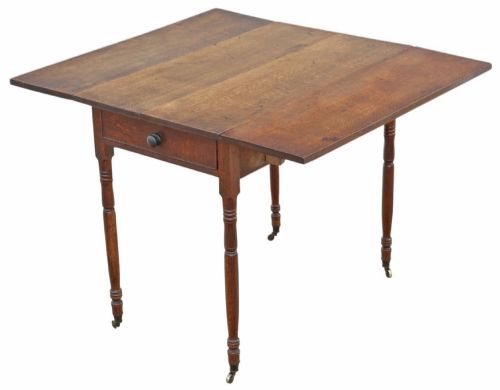
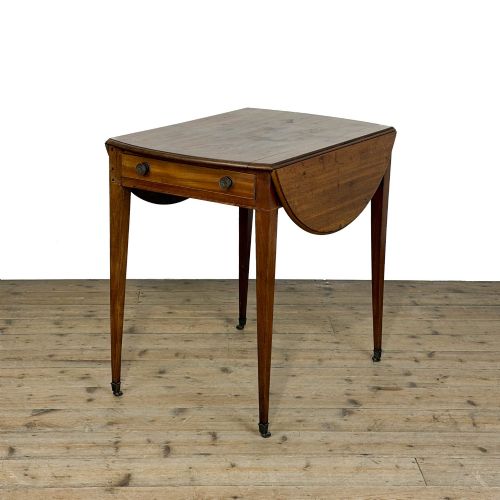
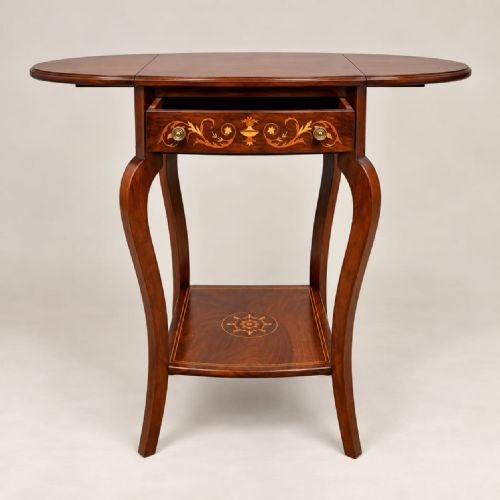

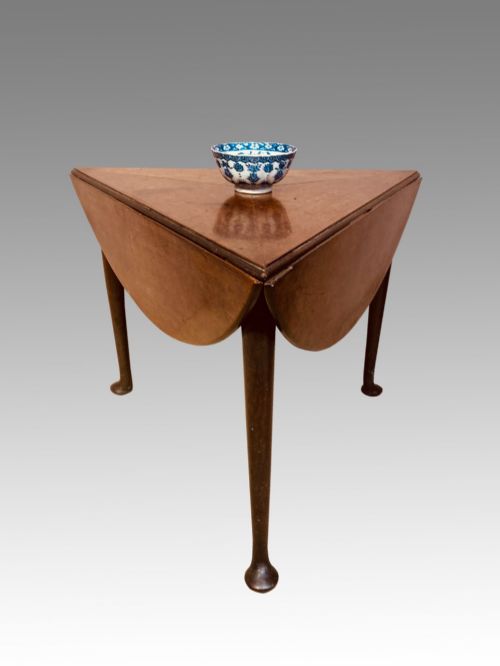
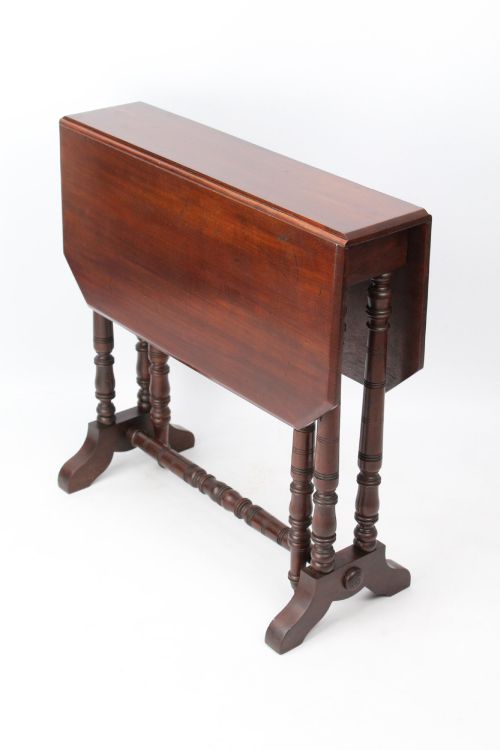
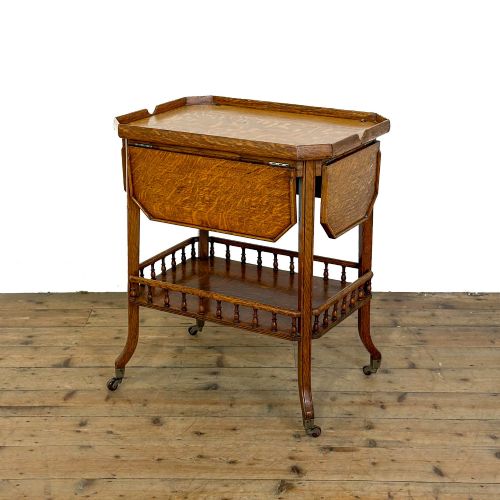
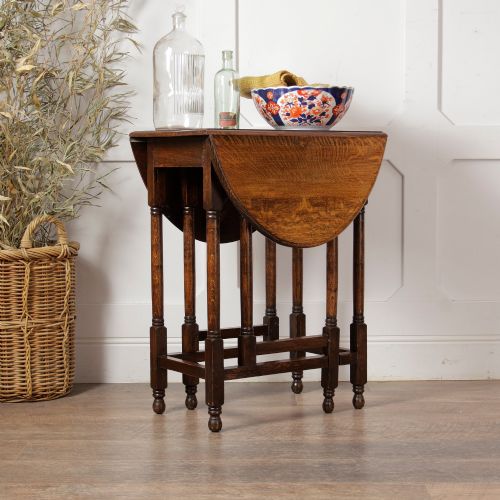
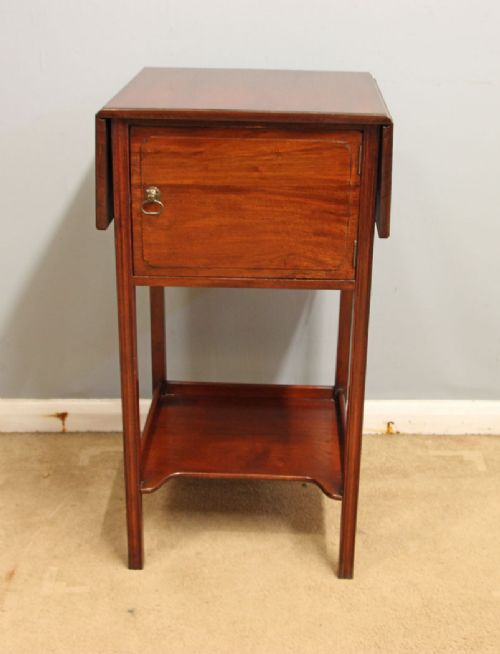
Antique Wooden Drop Leaf Table
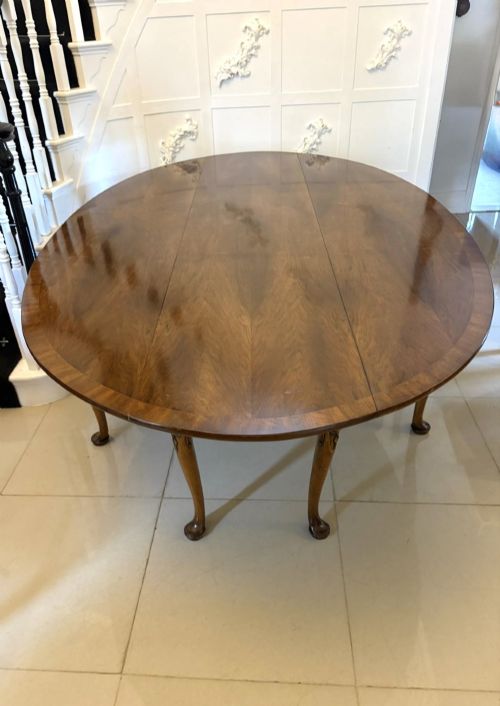
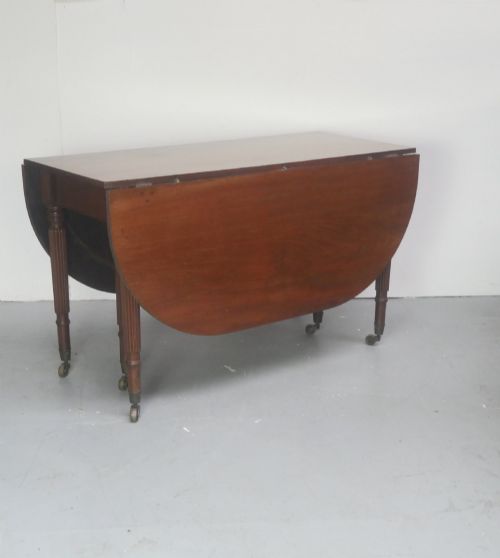
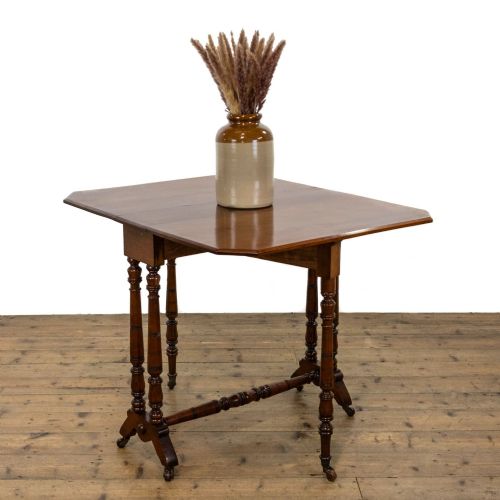
An antique wooden drop leaf table offers folding flaps that extend a compact surface, making these versatile pieces a practical choice for period interiors.
What They Are
When searching for an antique wooden drop leaf table, you are looking at folding timber furniture designed to expand when extra surface area is needed. The selection includes dining tables, side tables, Pembroke tables, and occasional tables spanning the eighteenth century, the year 1800, the Georgian period, and nineteen-hundred.
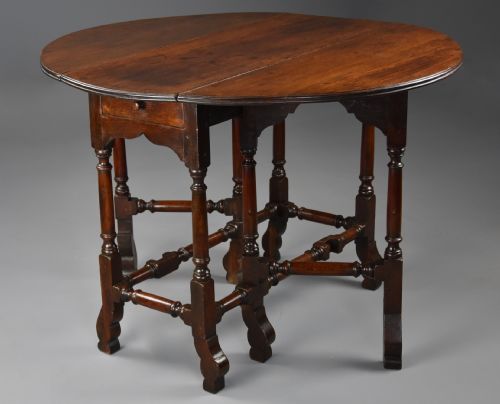
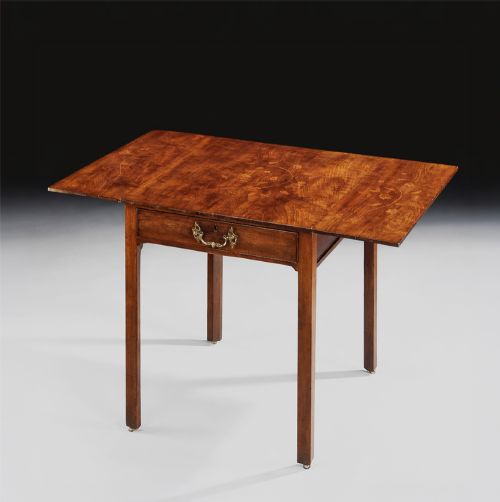
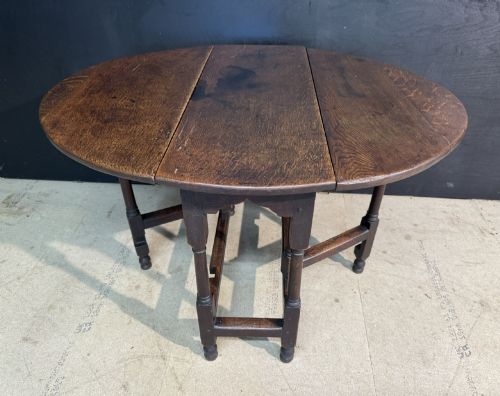
The versions you are most likely to meet on this page are oak and mahogany examples originating from eighteenth-century and Georgian eras, including gateleg and Pembroke forms. These items survive in various regional styles such as rustic farmhouse, Edwardian, and George III designs.
Makers utilised drop-leaf mechanisms across multiple table types to provide adaptable furniture suitable for both large rooms and compact spaces. The historical scope ranges from early oak gateleg dining tables with original hinges to refined satinwood Pembroke tables.
How They Were Made
Construction relies primarily on hardwoods such as mahogany, oak, and satinwood, supported by structural elements in brass and iron. Gateleg variants utilise hinged wooden legs that swing outward to physically support the dropped leaves when raised.
Joinery techniques incorporate traditional framing methods suited to heavy timbers, allowing the central frame and folding leaves to bear weight securely. Surface finishing emphasises natural patination developed over centuries of use on solid woods.
Retail Price Guide 2026
Typical UK retail prices for wooden drop leaf table, calculated from the Sellingantiques database of over a million retail prices indexed since 2003. This retail price guide relies exclusively on Sellingantiques data; no external sources or auction records are used, so the figures do not describe the wider market.
Materials recorded across the inventory include mahogany, brass, oak, iron, and satinwood.
What Varies in Quality
Quality separates through the choice of timber and the sophistication of the joinery, distinguishing utilitarian rustic farmhouse furniture from refined George III and satinwood drawing-room pieces. Finer items exhibit superior wood selection, such as figured mahogany or decorative satinwood veneers.
The preservation of original functional components, including brass and iron hinges, elevates an example above those altered or repaired with modern replacement hardware. The depth of the natural patina on oak and mahogany surfaces also reflects how well the piece has aged and been maintained.
The Antique Wooden Drop Leaf Table Glossary
- Drop leaf table
- A table with a fixed centre section and hinged flaps that fold down to save space or lift up to enlarge the surface. These pieces provide flexible placement options within historic rooms.
- Gateleg table
- A table featuring hinged legs that swing out like a gate to support the drop leaves. This construction distributes weight evenly across multiple support points.
- Pembroke table
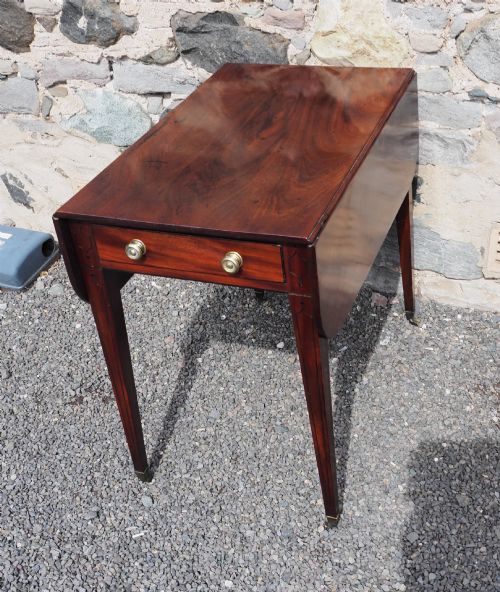
- A small rectangular table with two hinged drop leaves and typically one or more drawers. They originated in the eighteenth century as convenient breakfast or writing tables.
- Patina
- The surface sheen and coloration developed by timber through age, wear, and polishing. A warm patina indicates decades of careful maintenance.
- Gateleg
- A structural arrangement where supporting legs rotate outward from a central frame. This mechanism is common in seventeenth- and eighteenth-century oak and mahogany tables.
Frequently Asked Questions
What is a drop leaf table?
A drop leaf table is a piece of furniture featuring a fixed central top and hinged flaps on either side. These flaps can be lowered to reduce the footprint or raised to create a larger surface.
Historically constructed from timbers such as mahogany and oak, they served multiple domestic functions from dining to occasional use.
How do gateleg tables work?
Gateleg tables operate through hinged legs that pivot outward from the central frame. When the leaves are raised, these swinging legs lock into position beneath the timber flaps to provide sturdy support.
This design allows a large dining surface to fold away compactly when not in use.
What is a Pembroke table?
A Pembroke table is a compact occasional table featuring short drop leaves on two opposing sides. They often include a small drawer and delicate leg structures suitable for refined interiors.
Georgian craftsmen frequently produced these in mahogany and satinwood for parlour or bedroom use.
How do I identify a Georgian table?
Georgian tables are identified through stylistic markers of the eighteenth and early nineteenth centuries, including proportions, timber choice, and leg design. Pieces from this era often utilise solid mahogany or oak with traditional joinery.
Examining the hinges, framing, and timber ageing helps distinguish Georgian production from later Edwardian reproductions.