

Georgian Oak Dining Table
A georgian oak dining table brings functional warmth and centuries of domestic history into a modern interior.
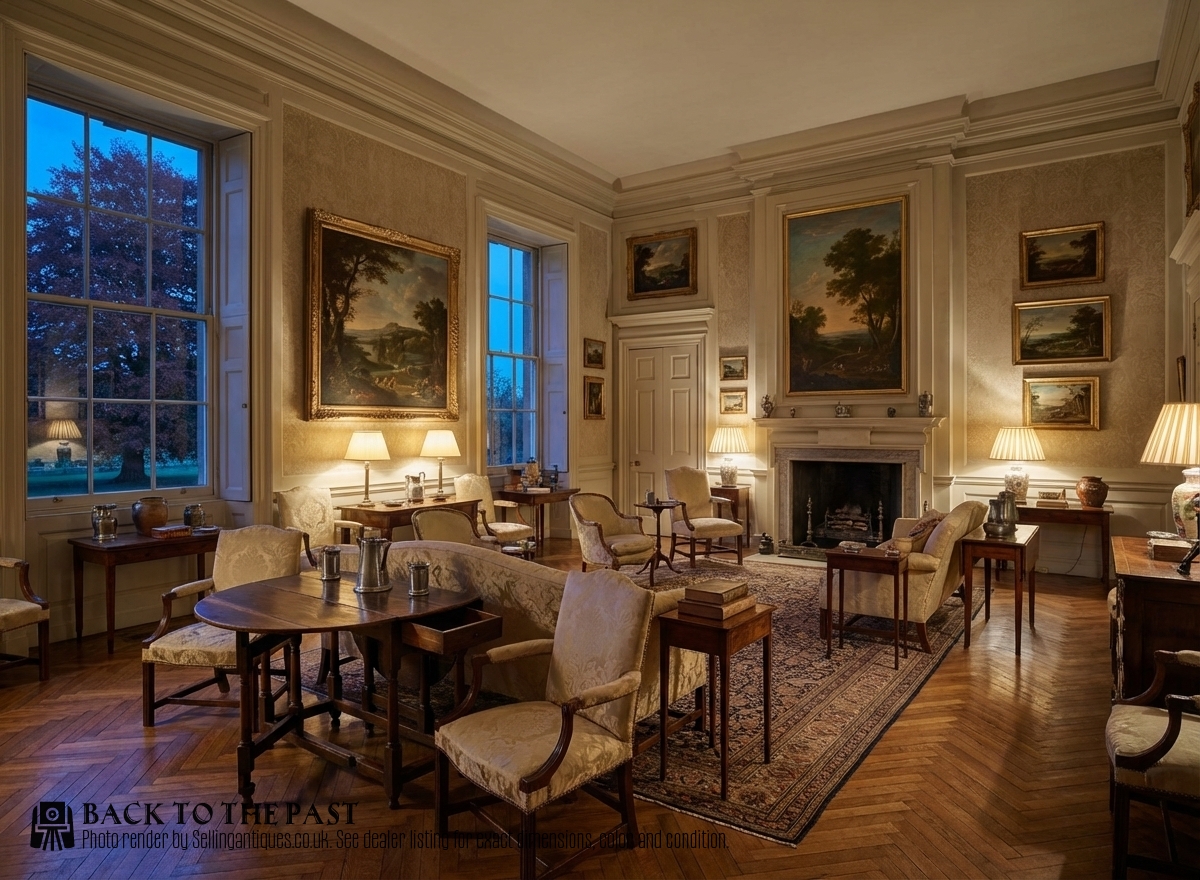
Georgian Oak Dining Table
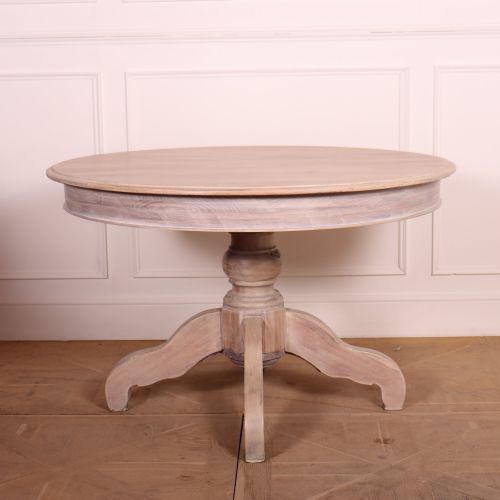
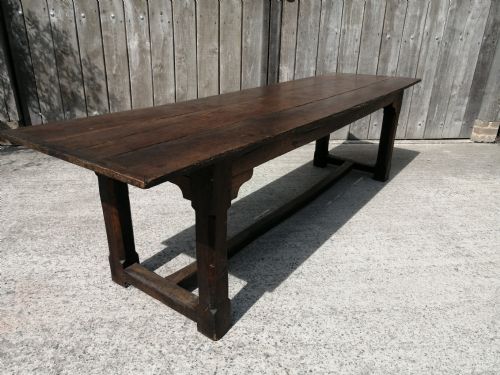
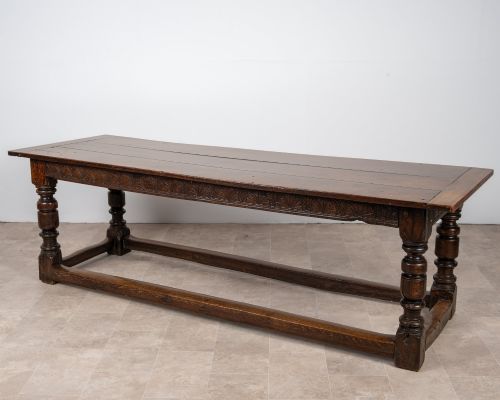
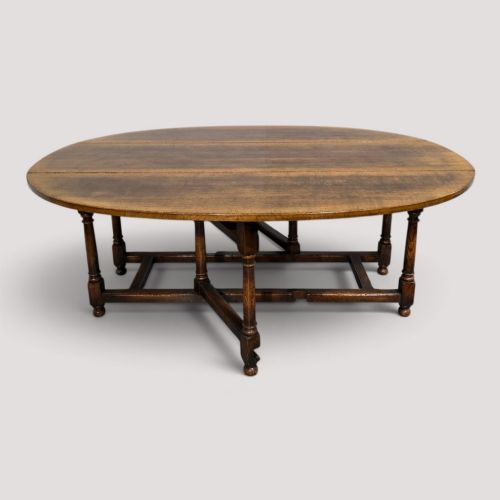
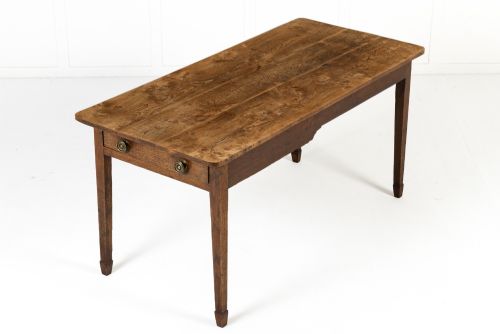
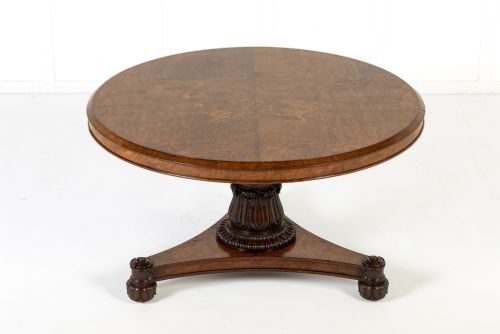
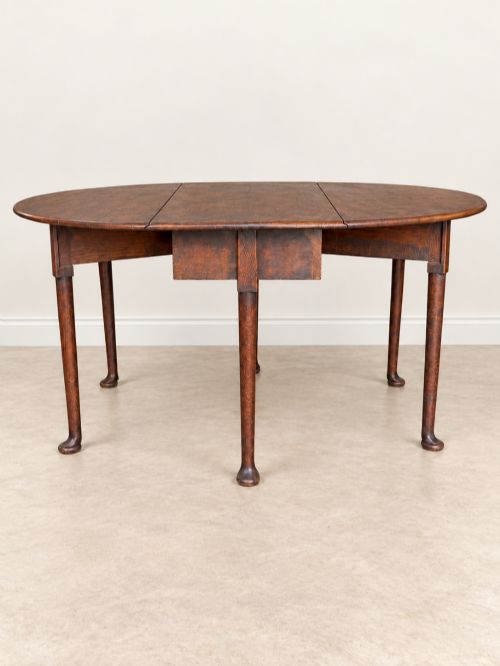
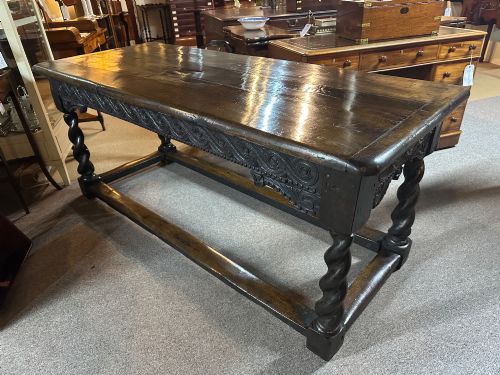
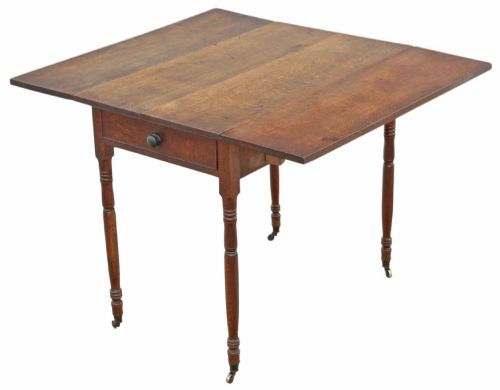
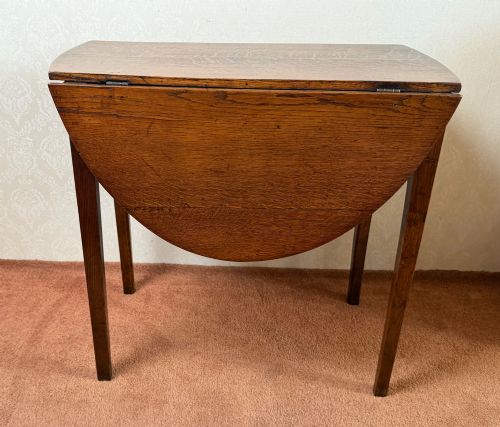
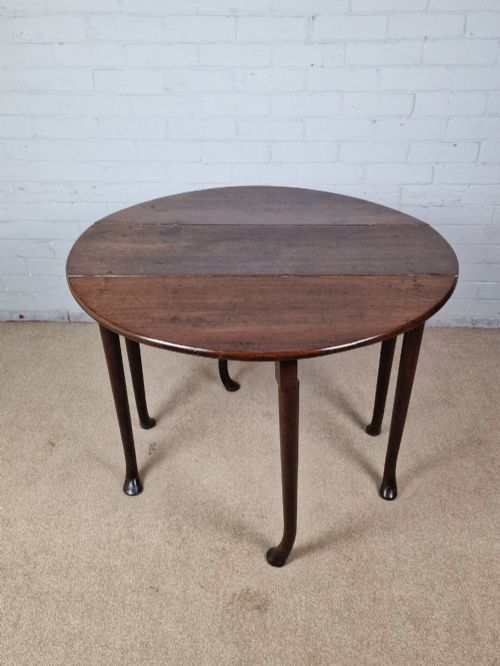
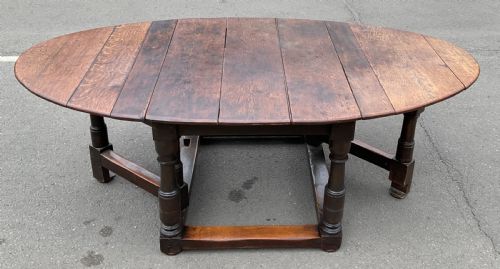
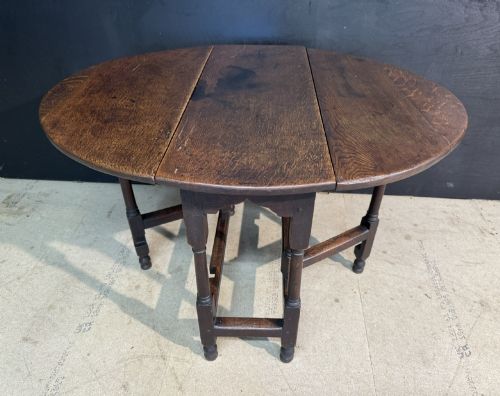
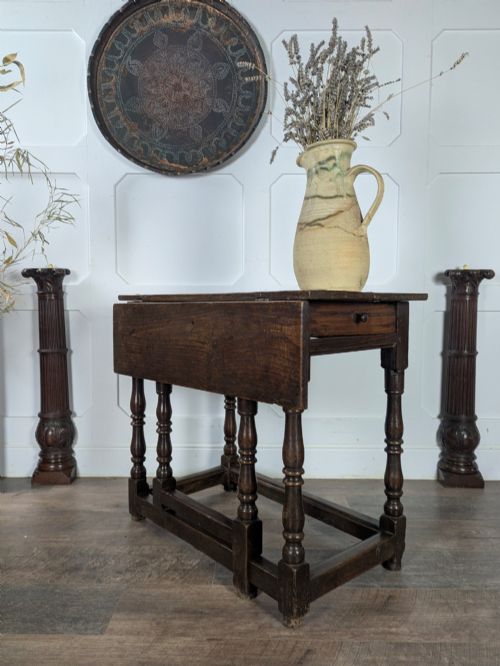
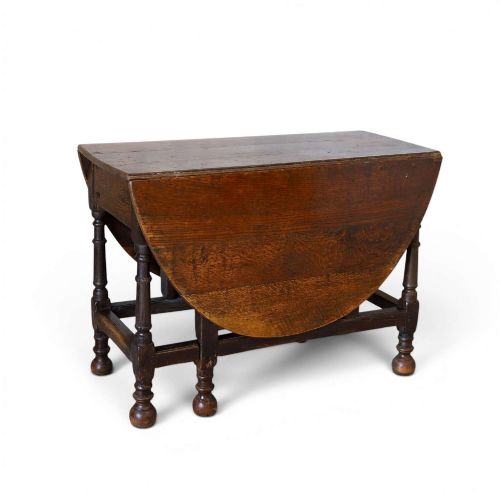
A georgian oak dining table spans substantial farmhouse boards, expansive refectory lengths, and versatile gateleg drop-leaf formats designed for flexible daily use. The pieces appearing here predominantly reflect eighteenth-century country workshops and George III rural craftsmanship.
Buyers encounter solid timber construction built to accommodate multiple diners, ranging from compact four-seat drops to large eight-seat refectory formats. Secondary woods such as elm, beech, and walnut occasionally support these primary oak structures.
Originating largely from English and Welsh provincial contexts, these tables mirror domestic requirements of the period through practical drop leaves, plank tops, and sturdy stretcher bases.
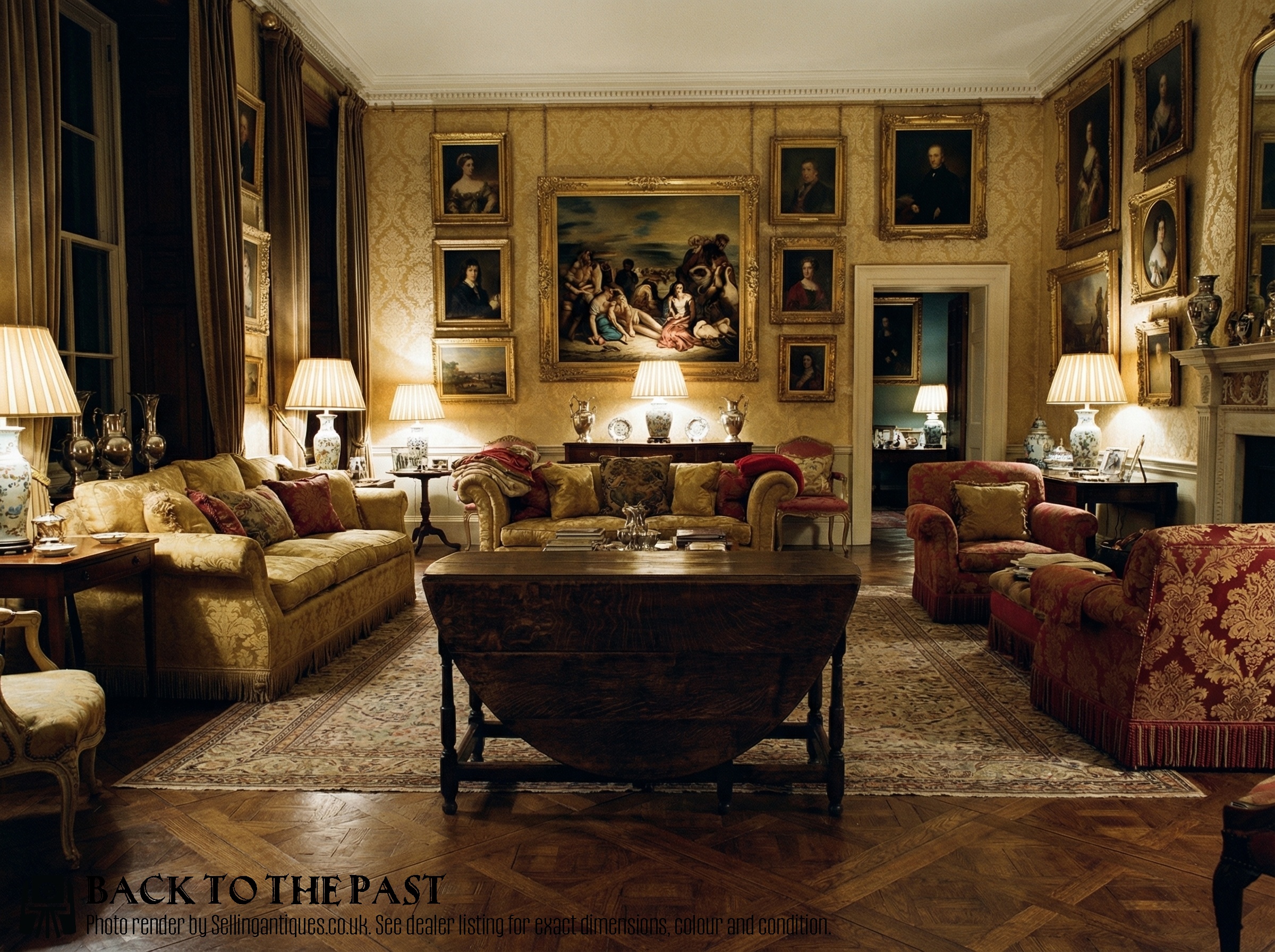
How They Were Made
Joinery relies on solid oak planks selected for durability, often supported by elm or beech components in structural legs and stretchers. Turned baluster legs, original hinges, and sturdy framing define the primary construction methods evident in these pieces.
Makers utilised pegged joints and drop-leaf mechanisms to create expandable surfaces suited to domestic dining rooms and kitchens. Surface finishes developed over generations, producing a warm patina across natural timber grain.
Georgian Oak Dining Table Retail Price Guide 2026
Typical asking prices for georgian oak dining table among the pieces listed under this phrase on Sellingantiques today, from the lower quarter to the upper quarter. They describe what is for sale here now, not the wider market.
Listings feature eighteenth and nineteenth-century periods, utilising materials like solid oak, elm, brass, and iron across farmhouse and refectory forms.
What Varies in Quality
Superior examples display exceptional surface colour, depth of natural patina, and minimal timber replacement across expansive plank tops. Original iron or brass hardware and intact hinge mechanisms elevate the standing of individual tables.
Proportion and structural integrity separate standard utility pieces from finer country workshop productions. The choice of timber grain, such as figured pollard oak or select quarter-sawn boards, distinguishes the top of the range.

The Georgian Oak Dining Table Glossary
- Gateleg table
- A dining table featuring hinged flaps supported by swing-out legs on either side. This mechanism allows the surface area to expand or contract according to room requirements.
- Refectory table
- A long, narrow dining table traditionally built for communal dining halls. These sturdy forms utilise fixed frames connected by substantial floor stretchers.
- Patina
- The surface sheen and colour developed by timber through age, light exposure, and regular handling. A rich patina indicates long periods of domestic use and careful maintenance.
- Plank top
- A table surface constructed from wide boards joined edge to edge. This method creates a robust tabletop characteristic of eighteenth-century farmhouse furniture.
- Drop-leaf
- A tabletop design incorporating movable side sections supported by folding brackets or swinging legs. It offers practical space-saving versatility in smaller rooms.
Georgian Oak Dining Table: Frequently Asked Questions
How do I care for my table?
Maintain timber moisture levels by avoiding direct heat sources and applying natural beeswax periodically. Use protective mats for hot dishes to preserve the historic surface finish.
Clean surfaces with a dry or barely damp soft cloth rather than harsh chemical polishes. Regular gentle buffing helps protect the aged patina against everyday wear.
Will an eight seater fit my room?
Measure your dining space carefully to allow sufficient clearance around the table edges for pulling out chairs comfortably. Refectory and large gateleg formats require substantial floor perimeters.
Consider the placement of fixed architectural elements such as radiators or doorways before selecting larger refectory or double gateleg variants.
How do I identify period gatelegs?
Examine the construction joints, timber density, and hand-forged hardware characteristics underneath the leaves. Eighteenth-century examples typically show peg construction and heavy oak framing.
Look for tool marks and timber shrinkage patterns consistent with age rather than modern mechanical production methods.
Can I use these tables daily?
These pieces were built for practical domestic dining and remain entirely suited to regular daily use. Solid oak construction provides structural durability for modern family life.
Applying sensible precautions regarding moisture and heat ensures the historic timber accommodates contemporary dining routines without sustaining damage.