




Rustic Oak Gateleg Table
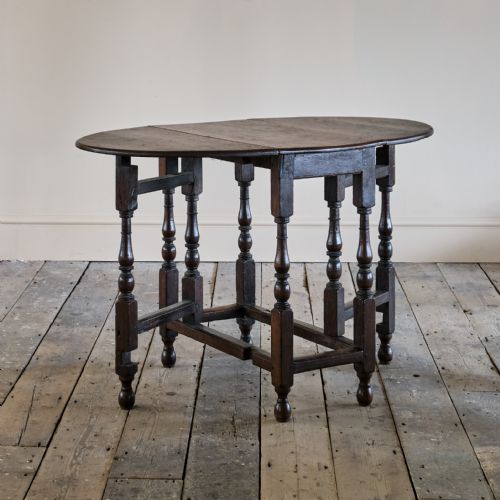
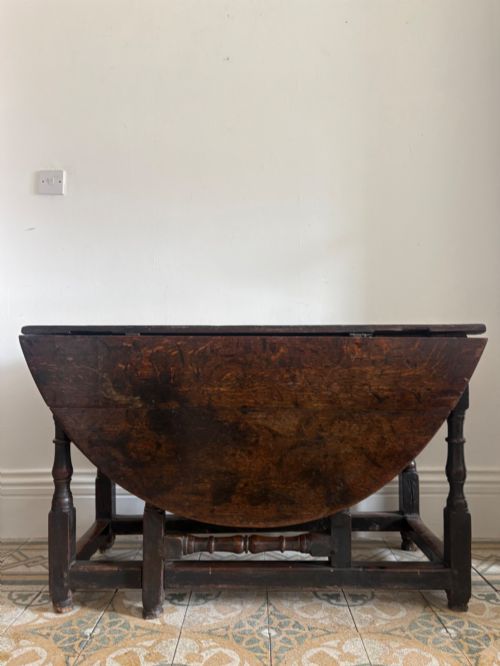
A rustic oak gateleg table is a sturdy, folding-leaf dining table built from solid timber, prized for its honest vernacular character and space-saving design.
What these pieces are
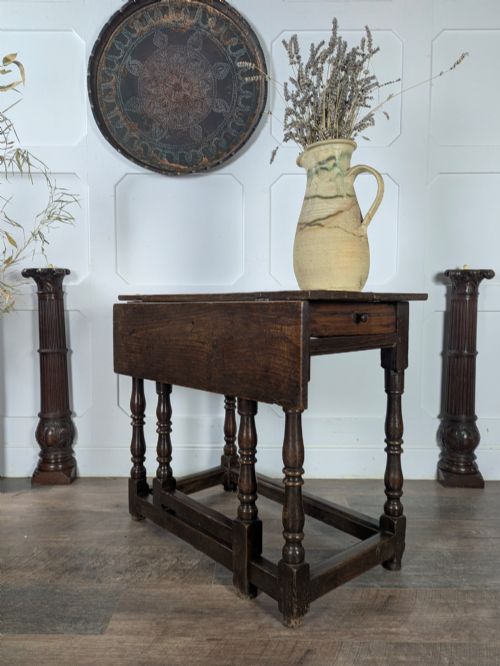
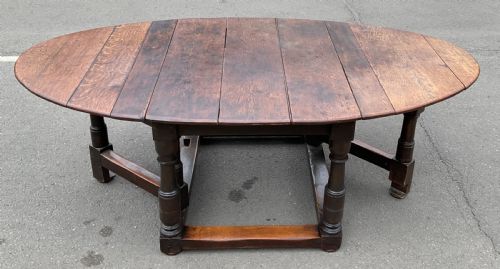
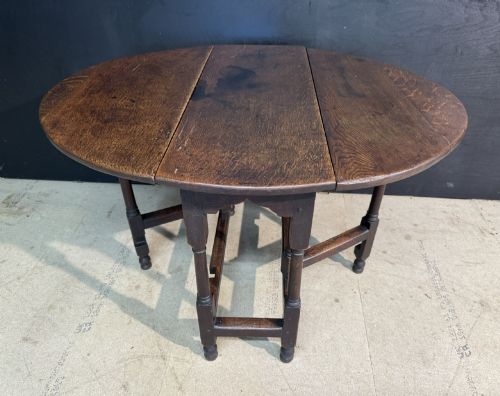
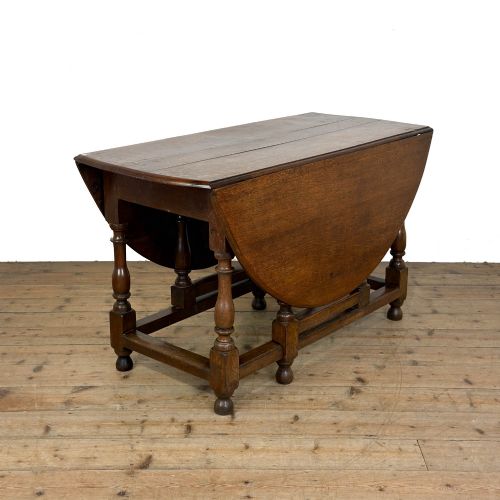
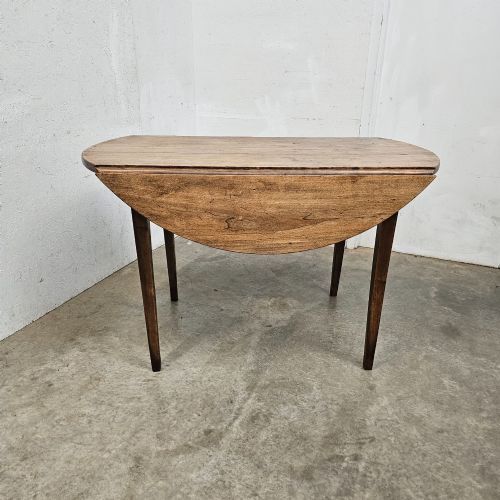
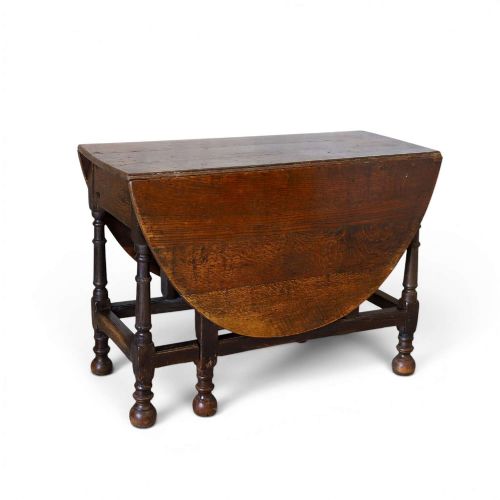
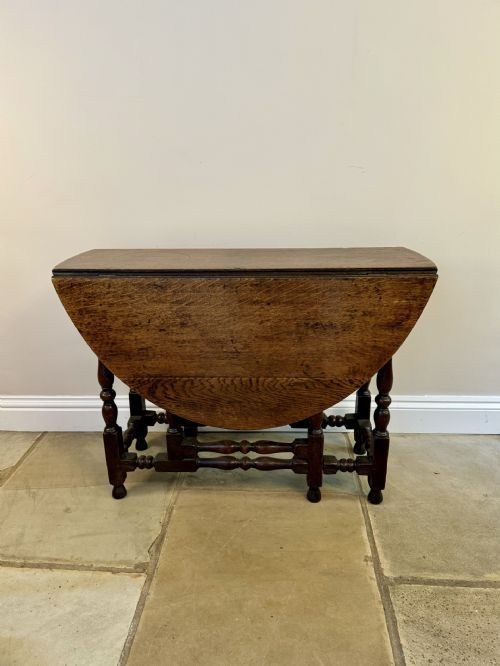
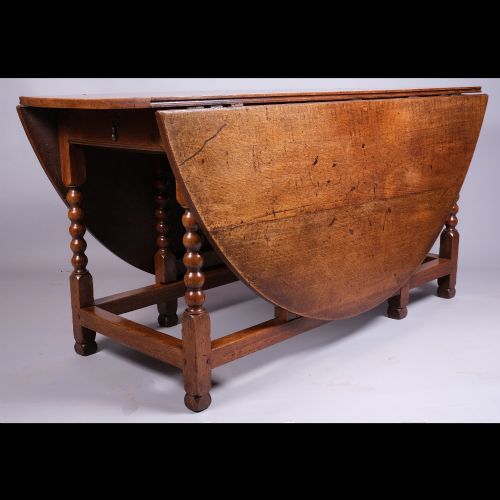
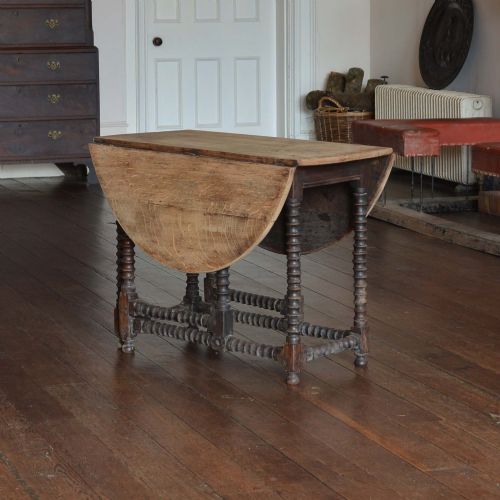
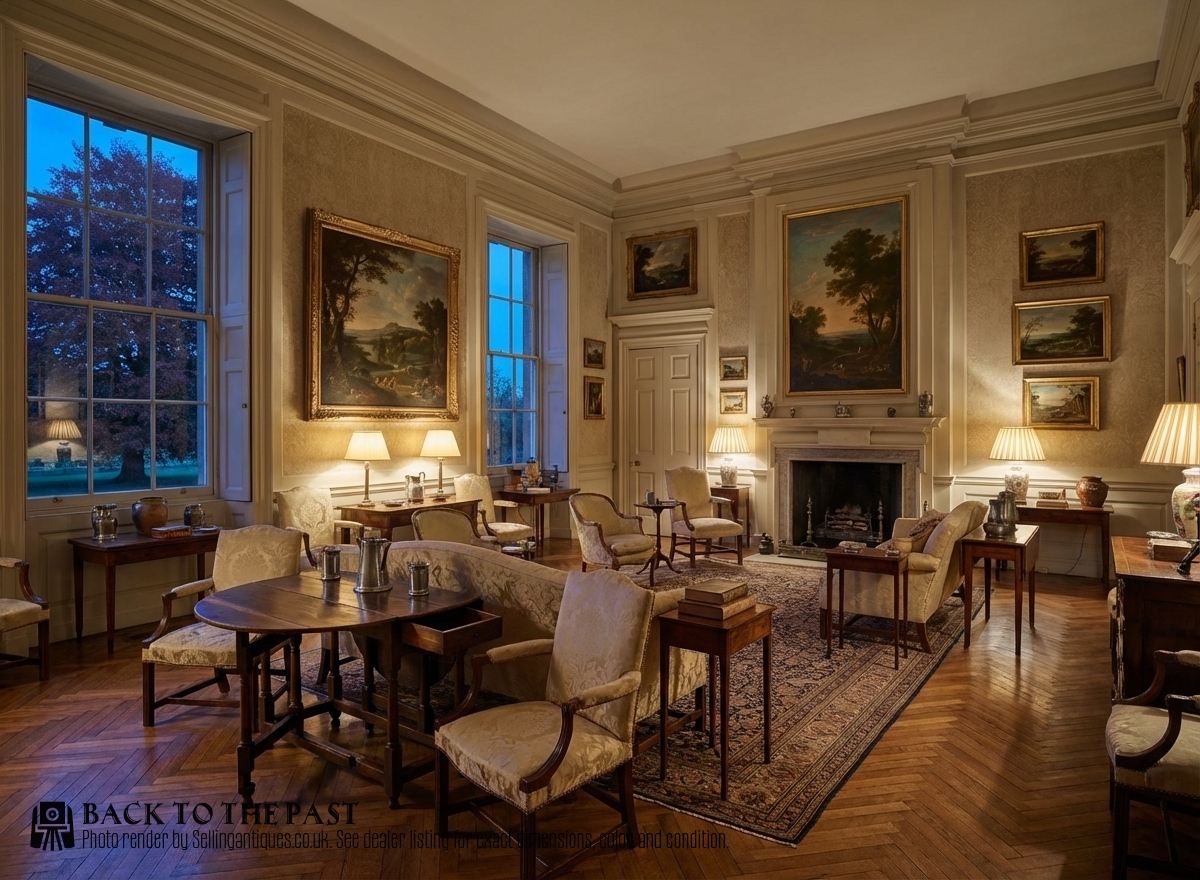
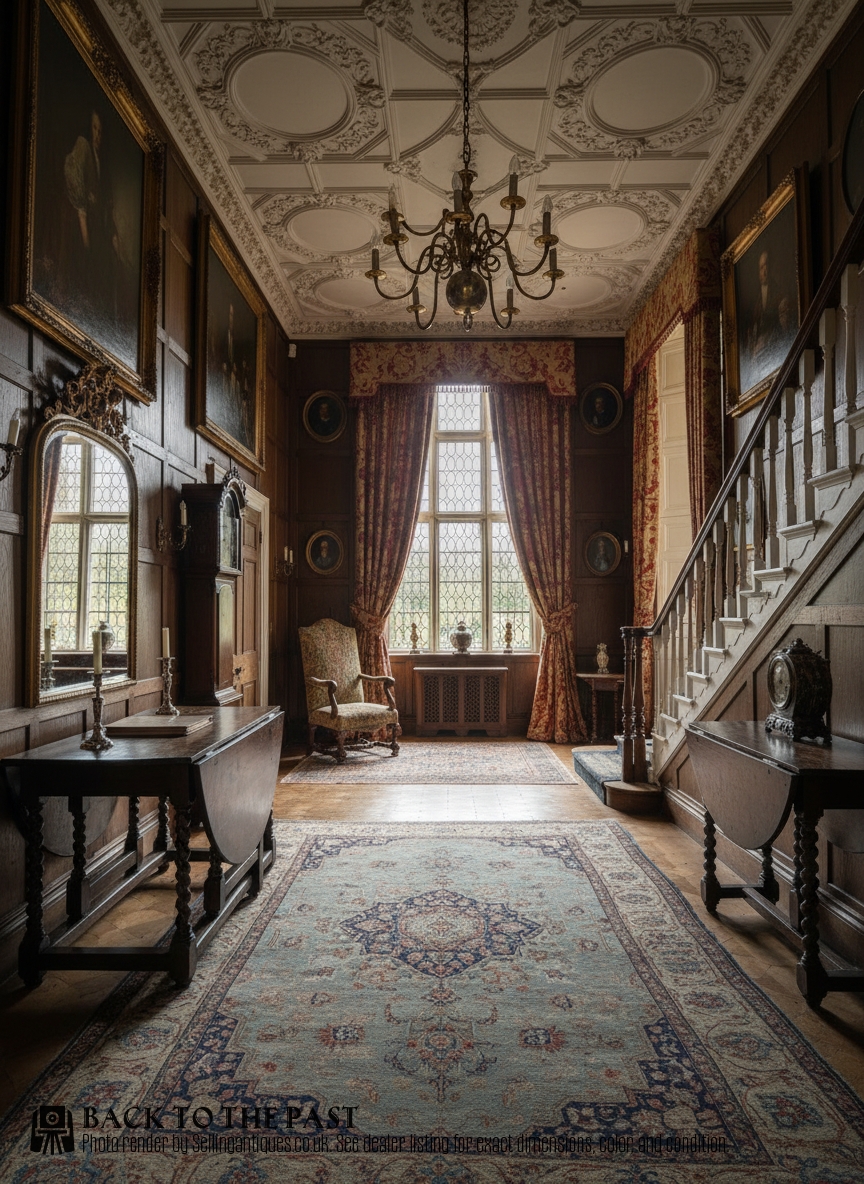
When you search for a rustic oak gateleg table, you encounter robust dining tables spanning the seventeenth, eighteenth, and nineteenth centuries. These English country pieces employ folding drop-leaves supported by swinging gate legs to expand usable surface area.
What varies in quality
Quality rests in the depth of the timber's surface warmth and the integrity of the original hardware. Pieces featuring untouched early patination and intact original iron hinges stand apart from later replacements.
The sophistication of the structural turnings also dictates the tier of the piece. Crisp baluster posts and well-proportioned bobbin legs demonstrate superior cabinet-making compared to plain or heavily altered supports.
Retail Price Guide 2026
Typical UK retail prices for rustic oak gateleg table, calculated from the Sellingantiques database of over a million retail prices indexed since 2003. This retail price guide relies exclusively on Sellingantiques data; no external sources or auction records are used, so the figures do not describe the wider market.
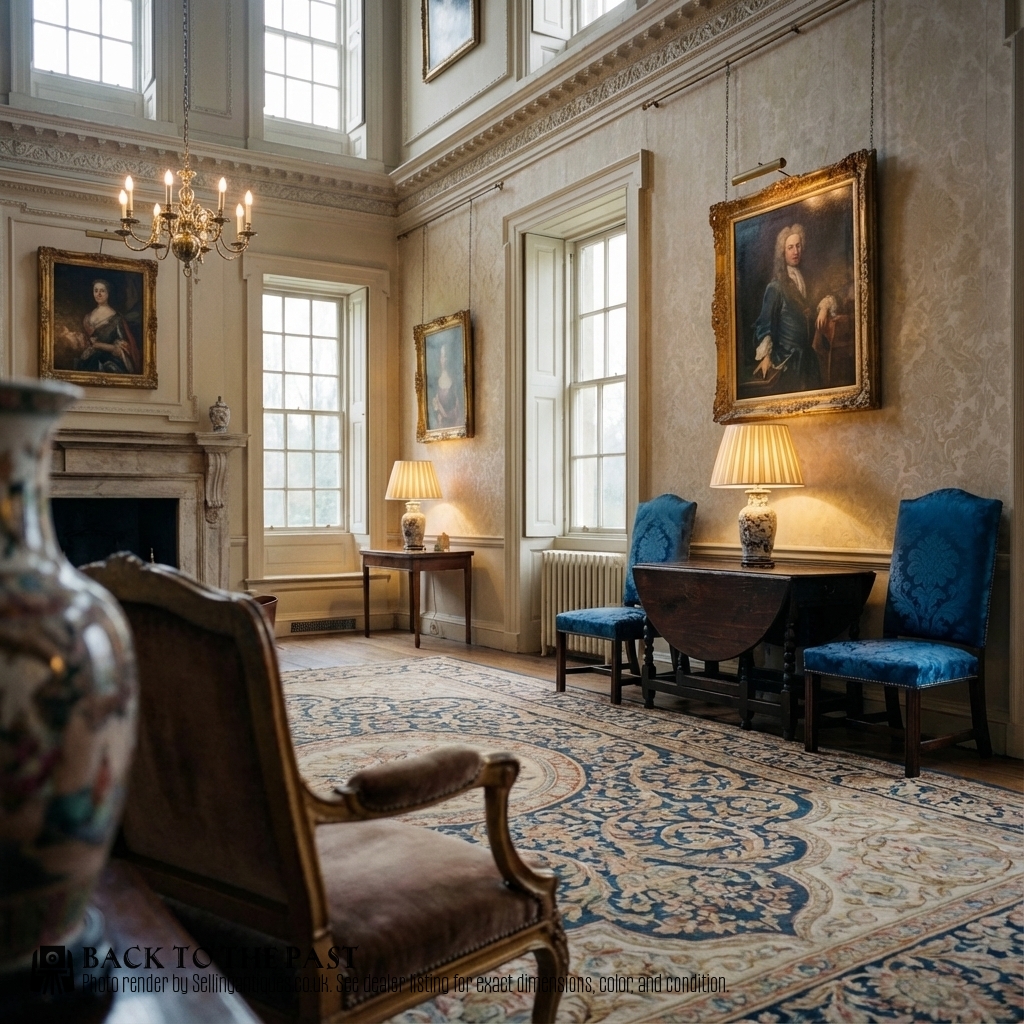
Swing-out legs act like garden gates to rescue your dinner guests from collapsing leaves.
The Rustic Oak Gateleg Table Glossary
- Gateleg table
- A dining table with hinged drop-leaves supported by swing-out legs that resemble a gate opening. This design allows the leaves to fold down when not in use.
- Drop-leaf
- A hinged section of a table top that can be folded down to reduce the overall footprint or raised to provide additional dining space.
- Patina
- The deep, lustrous surface sheen developed on old oak over centuries of handling, cleaning, and exposure to light. It is a key indicator of age and authenticity.
- Baluster post
- A vertical turned support column, often vase-shaped or columnar, used for the legs and underframe of seventeenth-century tables.
Frequently Asked Questions
How do I use a gateleg table daily?
These tables function well in smaller spaces by keeping one or both leaves folded down against a wall until you need a full dining surface. Simply swing the wooden gate legs outward to securely support the raised leaves during meals.
Because the solid oak construction is robust, daily family life leaves little mark beyond adding to the surface character. Ensure you protect the timber from excessive moisture by using coasters and placemats.
What distinguishes seventeenth-century oak tables?
Seventeenth-century examples often display distinct structural elements like baluster posts or heavier framing timbers consistent with Jacobean and early English country styles. The joinery relies heavily on pegged mortise and tenon construction.
Later eighteenth and nineteenth-century versions frequently adopt Georgian refinements or alternative turnings like bobbin legs. Examining the turning style and the timber grain helps identify the period.
Are original hinges important on these tables?
Original iron hinges provide physical evidence of the table's age and help preserve its historical integrity. Their presence confirms that the drop-leaves have remained attached to the frame since manufacture.
While replacement hardware is common in antique furniture, surviving original metalwork enhances the authenticity of the piece. Look closely at the fastening nails and the wear patterns around the pivot points.
How should I care for antique oak?
Maintain the surface of your table by dusting regularly with a soft, dry cloth and occasionally applying a traditional beeswax. Avoid using modern silicone polishes that can build up and dull the natural timber.
Keep the table away from direct heat sources and dramatic humidity fluctuations to prevent the solid oak from splitting. Gentle care preserves the warm patina built up over generations.