


Carolean Oak Furniture
Carolean oak furniture consists of robust 17th-century tables, chests and seating prized for deep carved detail and dark timber surfaces.
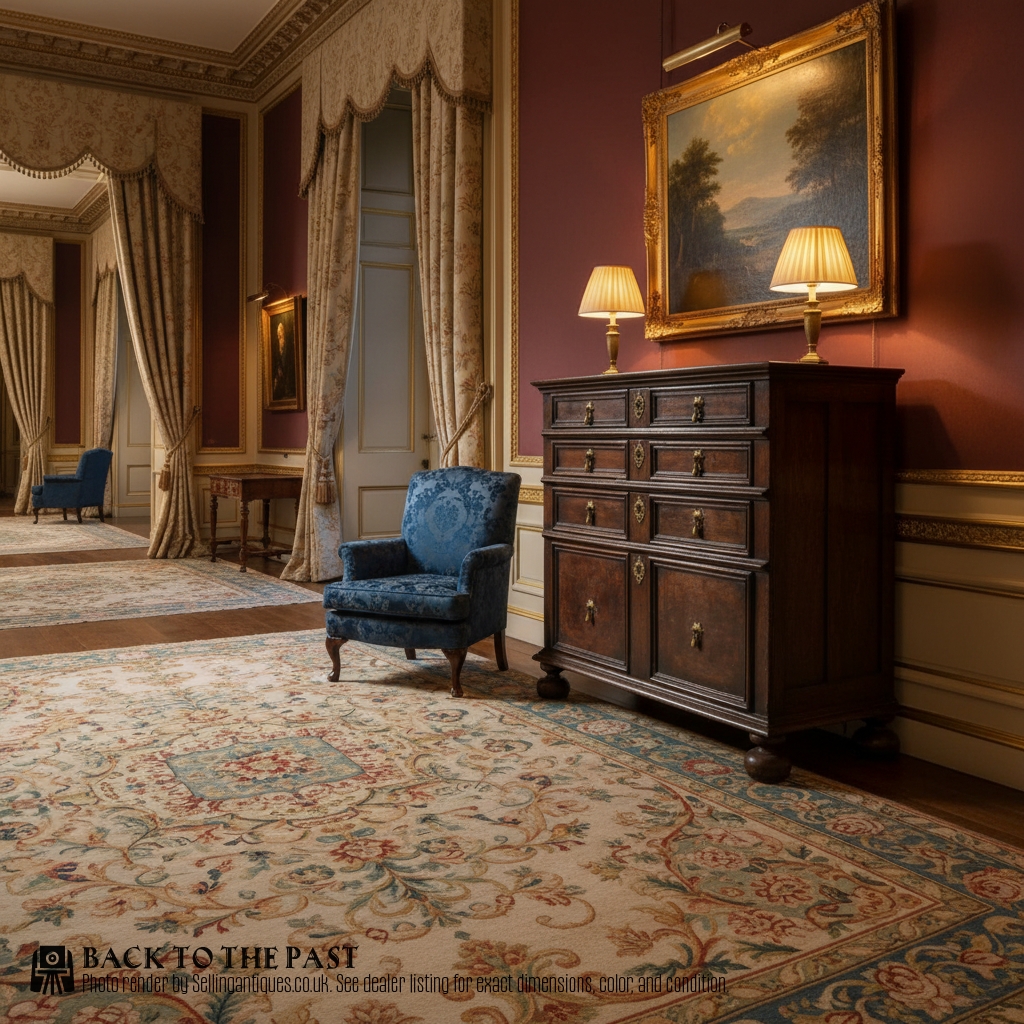
Carolean Oak Furniture
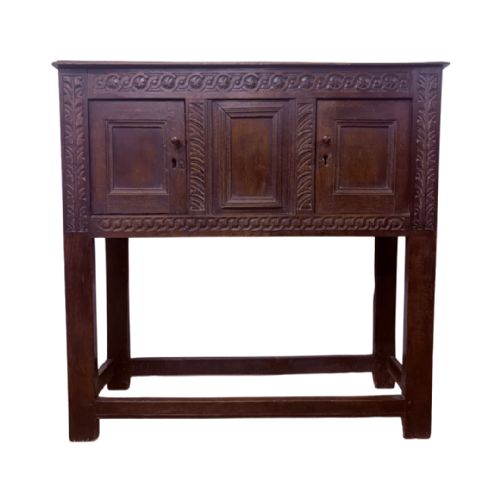
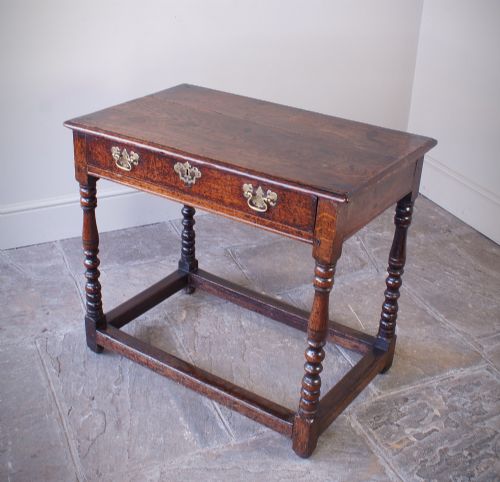
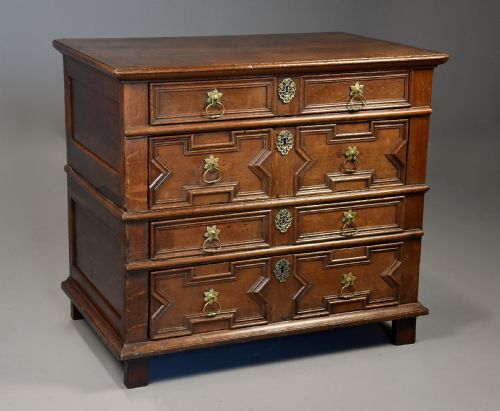
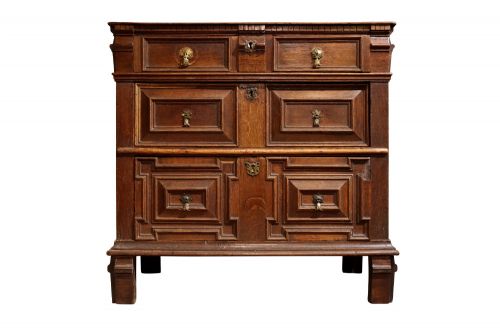
Carolean oak furniture encompasses sturdy domestic pieces originating primarily from the seventeenth century, spanning simple storage chests to formal jointed armchairs and side tables. Buyers seeking carolean oak furniture typically encounter joined construction methods, geometric drawer mouldings and heavy timber boards designed for daily utility.
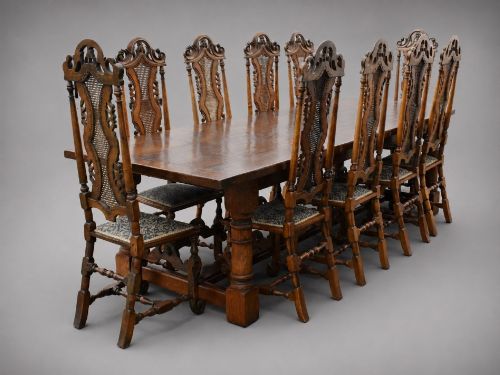
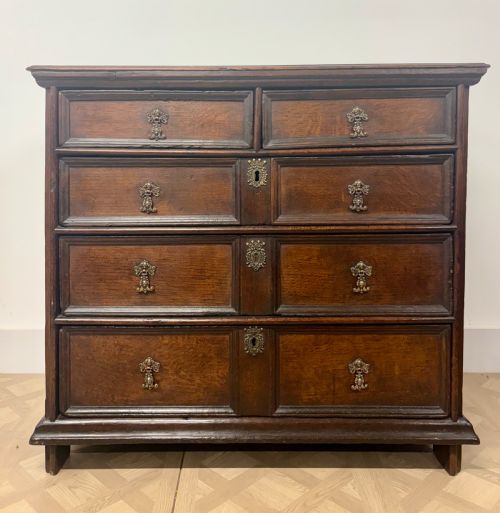
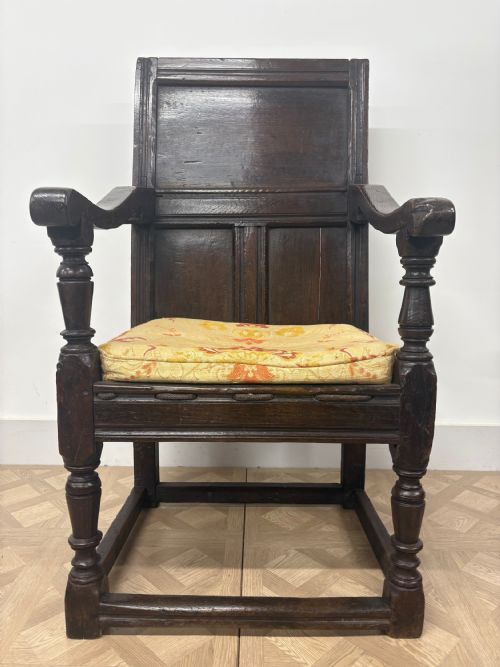
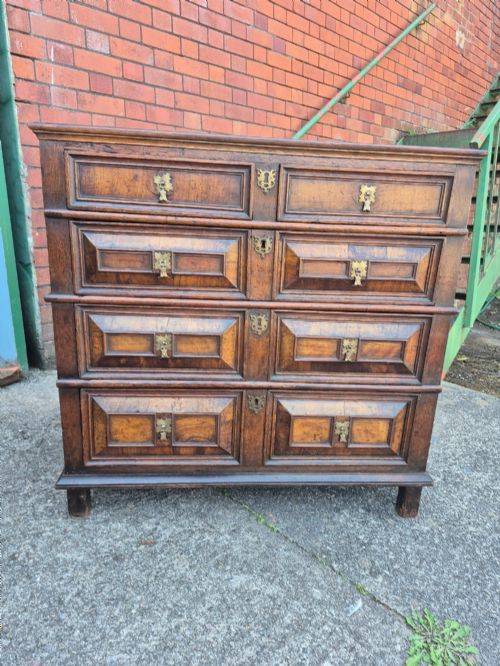
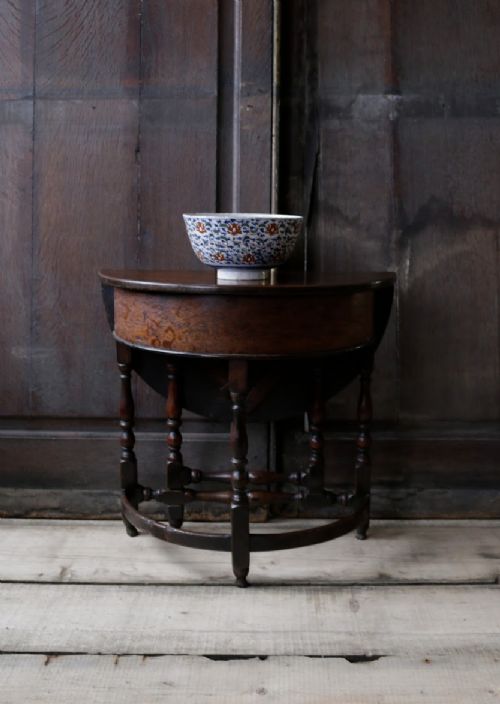
The surviving inventory includes chest of drawers forms, gateleg tables, court cupboards and wainscot armchairs bearing the heavy influence of Jacobean and Charles II periods. Later revival pieces from the nineteenth century also appear, reflecting the enduring nineteenth-century appetite for seventeenth-century design vocabulary.
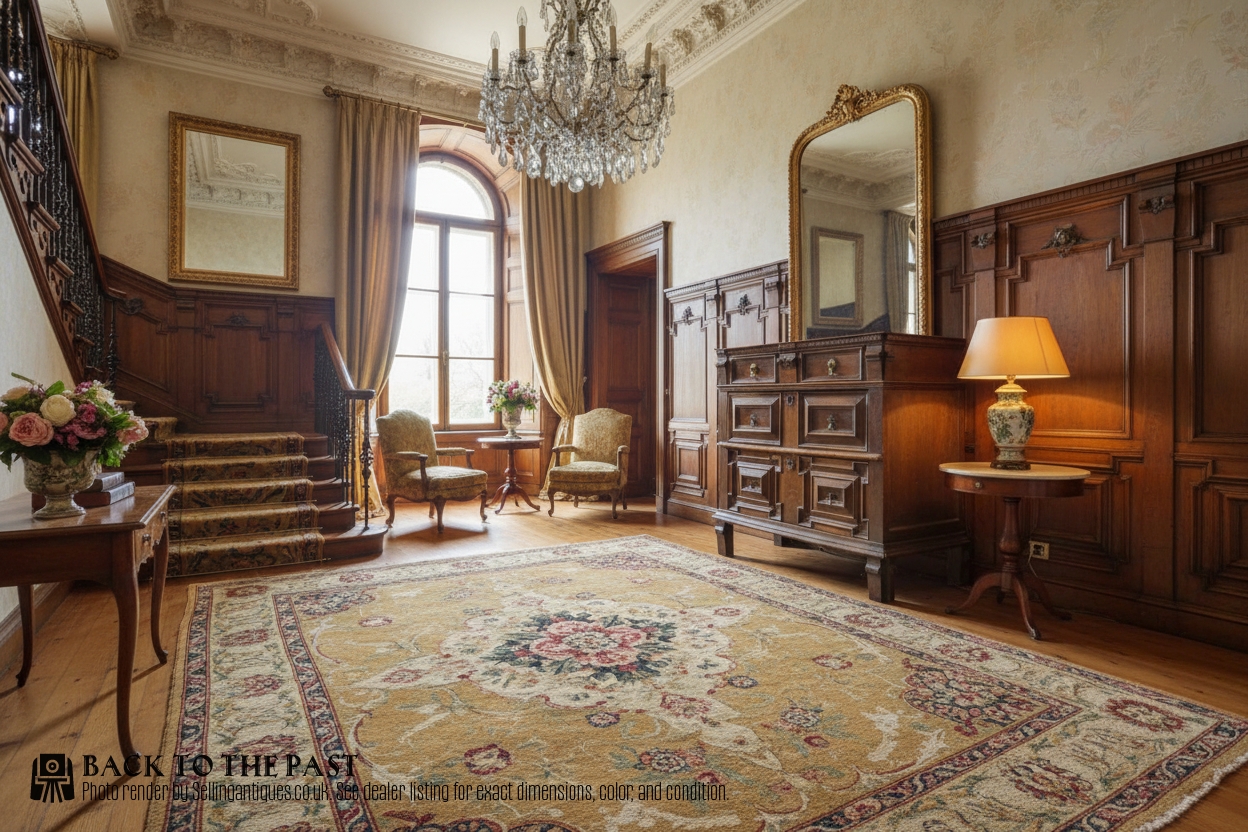
Materials and construction methods
English oak serves as the primary structural material, often paired with walnut, fruitwood, snakewood and oyster veneers for decorative contrast on drawer fronts and tabletops. Cabinetmakers utilised mortise and tenon joints secured with wooden pegs, supplemented by applied geometric mouldings and turned legs.
Surface decoration frequently incorporates marquetry inlay, surface carving and bobbin turning to articulate panels and stretchers. Iron and brass hardware such as drop handles and hinges complete the functional elements of these joined pieces.
Carolean Oak Furniture Retail Price Guide 2026
Typical asking prices for carolean oak furniture among the pieces listed under this phrase on Sellingantiques today, from the lower quarter to the upper quarter. They describe what is for sale here now, not the wider market.
Surviving seventeenth-century close stools remind us that even sanitation required serious joinery.
Distinctions in quality
Quality rests upon the crispness of the original timber carving, the integrity of the joined frame and the retention of early surface patination. Pieces retaining their original hardware, unblemished timber boards and untouched polish stand apart from examples altered by extensive timber replacement.
The refinement of geometric mouldings and the precision of marquetry inlay separate standard utilitarian items from exceptional commission work. Proportion, timber selection and structural balance dictate the standing of individual tables and chests within the period.
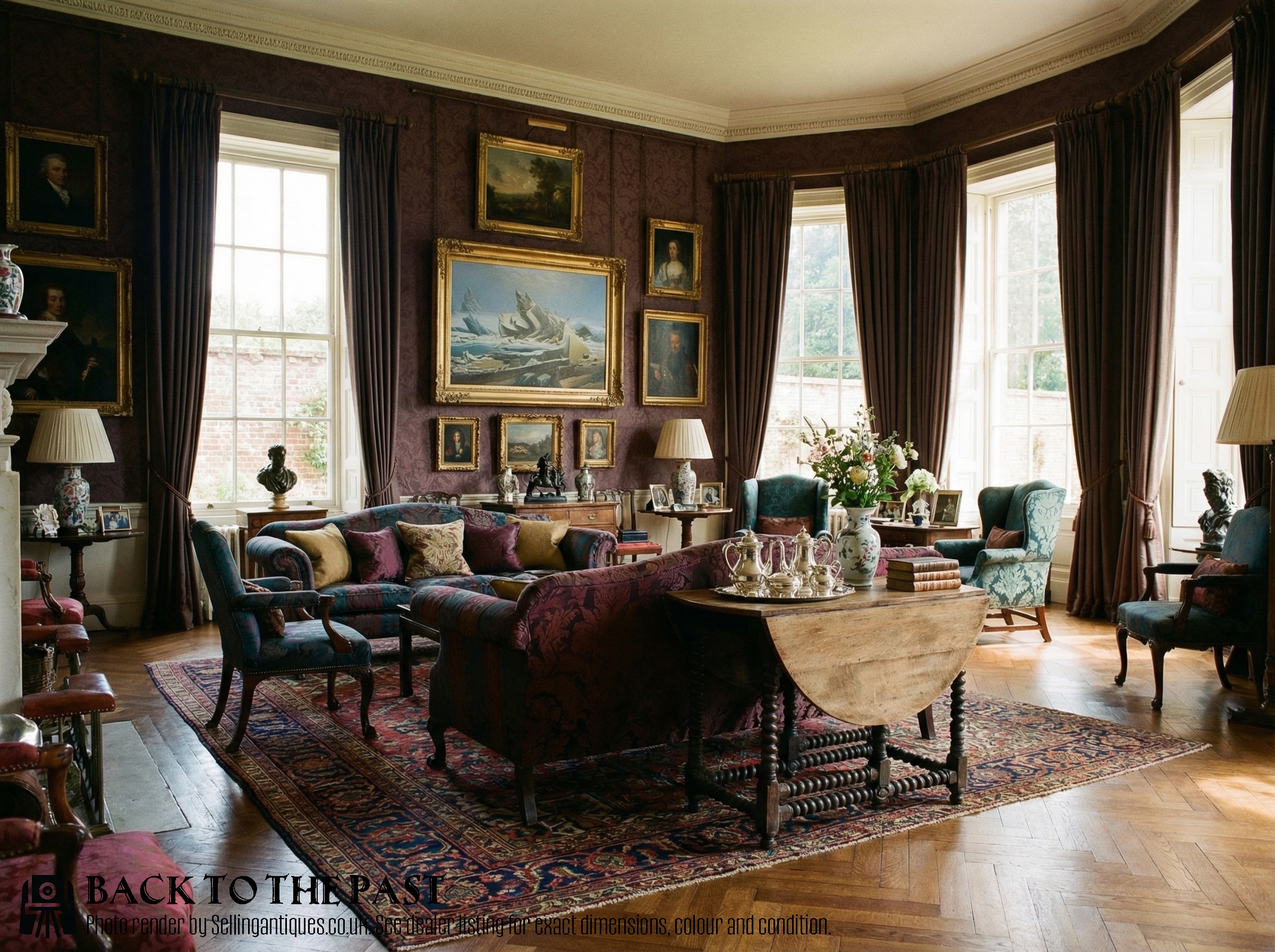
The Carolean Oak Furniture Glossary
- Wainscot armchair
- A heavy wooden armchair constructed with panelled backs and solid wooden seats, typical of seventeenth-century domestic interiors. They demonstrate robust joinery and often feature carved crest rails.
- Gateleg table
- A drop-leaf table featuring hinged legs that swing outward to support the folding leaves. This form provided flexible surface space in seventeenth-century rooms.
- Oyster veneer
- Thin circular slices cut across small branches of walnut or olive wood to create intricate repetitive patterns on cabinet surfaces. This decorative technique emerged strongly in the late seventeenth century.
- Joined oak
- Furniture constructed using tightly fitted mortise and tenon joints pinned with wooden dowels rather than metal nails. This method defined sturdy seventeenth-century cabinetmaking.
- Moulded front
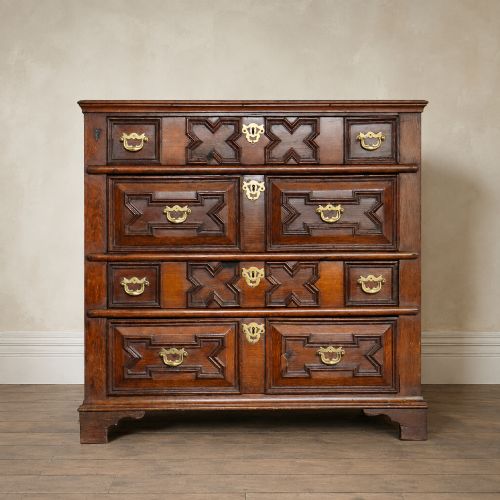
- A drawer or cupboard face decorated with geometric raised wooden strips applied in mitred patterns. This styling is characteristic of Charles II period storage pieces.
Carolean Oak Furniture: Frequently Asked Questions
How do I identify seventeenth-century oak?
Seventeenth-century oak exhibits distinct medullary rays, often described as silver grain, visible across quartersawn timber surfaces. Tool marks left by pit saws and hand planes remain apparent on unexposed interior boards.
Construction relies upon pegged joints and hand-cut dovetails rather than machine-made fasteners. Over centuries, the wood develops a deep, mellow patina through handling and oxidation.
What is a mule chest?
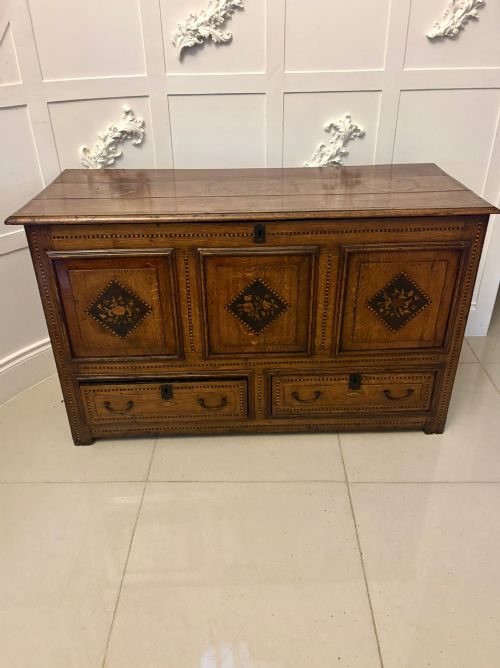
A mule chest combines the deep storage capacity of a blanket box with one or more drawers fitted beneath the main compartment. This form bridged the gap between trunk storage and the modern chest of drawers.
Households utilised them for linens and garments, keeping frequently used items accessible in the lower drawers without opening the lid.
How do I care for antique oak?
Antique oak benefits from stable indoor humidity levels away from direct heat sources and strong sunlight. Sudden temperature shifts cause timber to split and historical glue joints to fail.
Application of traditional beeswax feeds the dry wood and preserves the surface sheen. Avoid modern silicone polishes that penetrate the open grain and damage the historic finish.
How do I spot revival pieces?
Revival items produced during the nineteenth century often display machine-cut timber components, uniform colouration and modern secondary woods inside drawers. Cabinetmakers of that era worked with different sandpaper grades and screw types than seventeenth-century joiners.
Construction details, wear patterns and tool marks provide the clearest indicators for separating original seventeenth-century pieces from Victorian copies.