


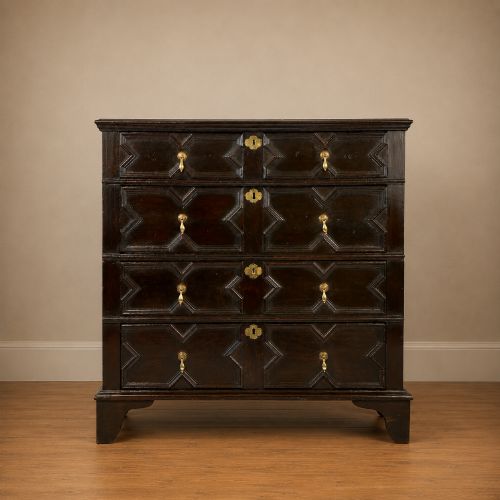
Moulded Panel Oak Chest
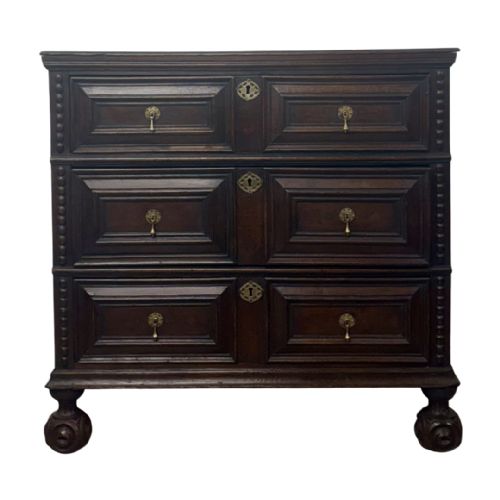
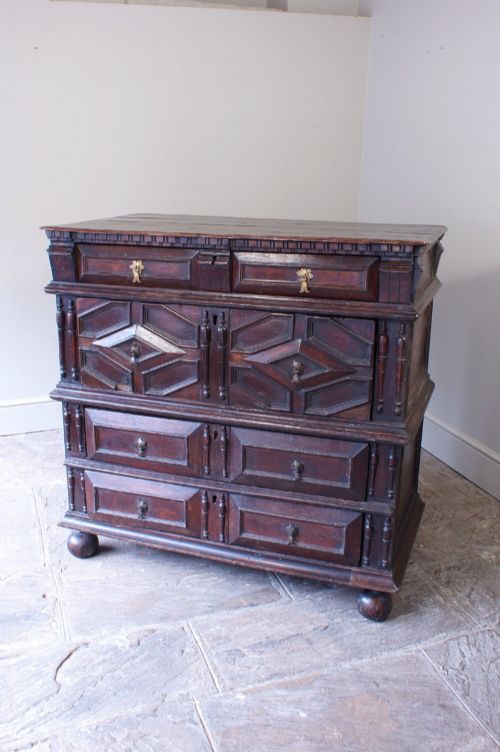
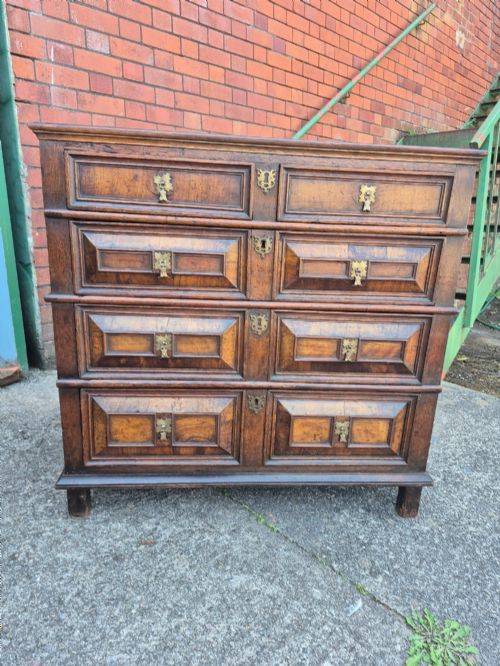
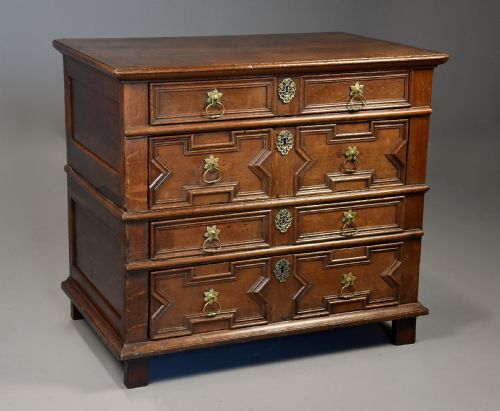
A moulded panel oak chest is a sturdy timber storage piece defined by structured geometric facades, offering substantial historical character to an interior.
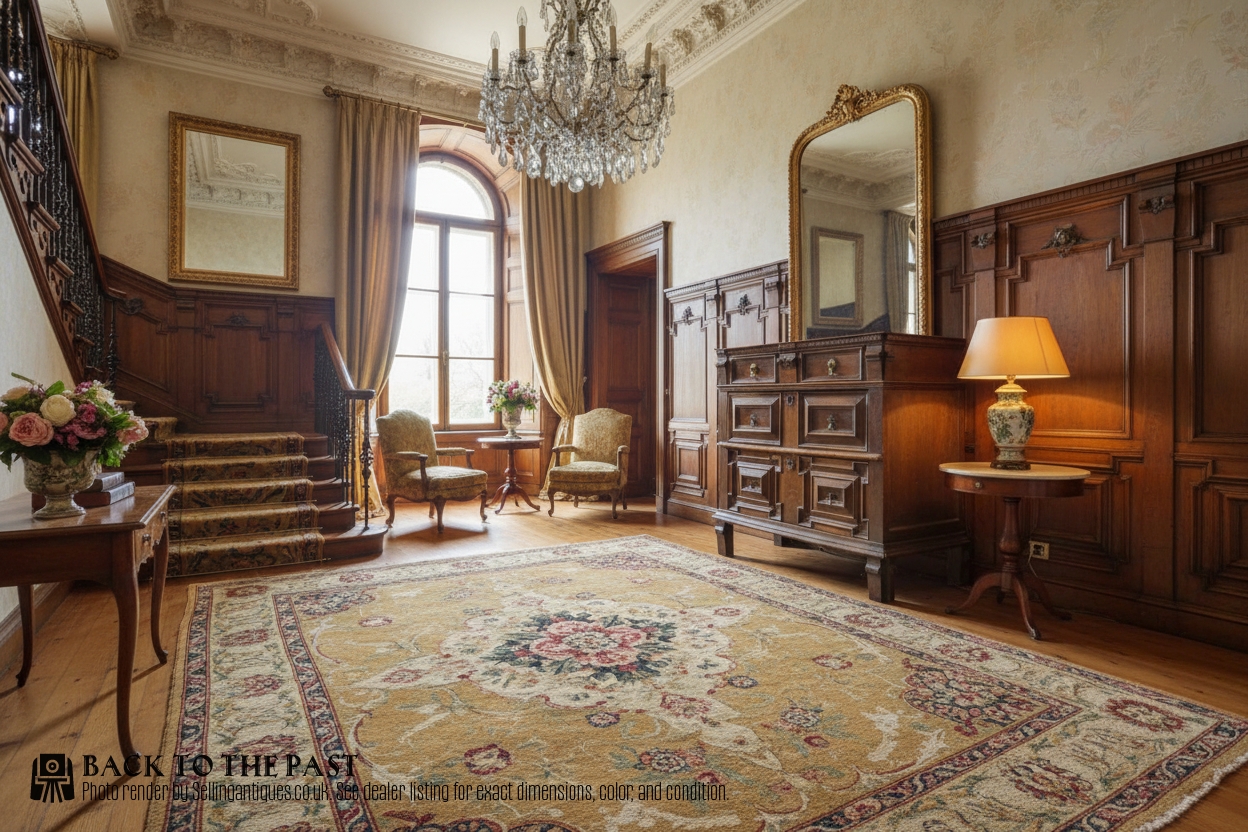
Moulded Panel Oak Chest
When you search for a moulded panel oak chest, you encounter robust storage furniture primarily dating from the seventeenth century and the Georgian era. These pieces frequently manifest as chests of drawers, two-part chests, and occasional coffers or trunks.
The versions most commonly met on this page span styles such as Jacobean, Charles II, William and Mary, and 17th Century English. They serve as prominent functional centerpieces that anchor a room with centuries of history.
Makers constructed these sturdy items using durable timbers, often incorporating multiple drawers or lift-top lids. Their primary purpose remains practical storage, housed within architectural wooden facades that reflect historical cabinet-making traditions.

How they were made
Carpenters built these items predominantly using solid oak, often pairing it with contrasting timbers such as walnut, fruitwood, and snakewood for decorative effect. Structural hardware relied on hand-forged iron and brass components.
Craftsmen shaped the fronts using distinctive geometric moulding techniques, creating raised panels that give the furniture its characteristic depth. Surfaces frequently received detailed carving alongside the applied mouldings.
Many examples utilise a two-part construction method, facilitating transport and placement within domestic settings. The primary timbers were joined using traditional woodworking methods designed to withstand decades of daily use.
Moulded Panel Oak Chest Retail Price Guide 2026
Typical asking prices for moulded panel oak chest among the pieces listed under this phrase on Sellingantiques today, from the lower quarter to the upper quarter. They describe what is for sale here now, not the wider market.
Listings feature oak, walnut, fruitwood, and snakewood across seventeenth-century and Georgian periods.
What varies in quality
The standard of timber selection and the complexity of the geometric mouldings largely determine the distinction between average and exceptional pieces. Superior examples incorporate decorative woods like snakewood or fruitwood alongside the primary oak.
The integrity of the surface patina and the originality of the brass and iron hardware influence the standing of an individual piece. Depth of carving and precision in the panel construction also separate standard examples from finer items.
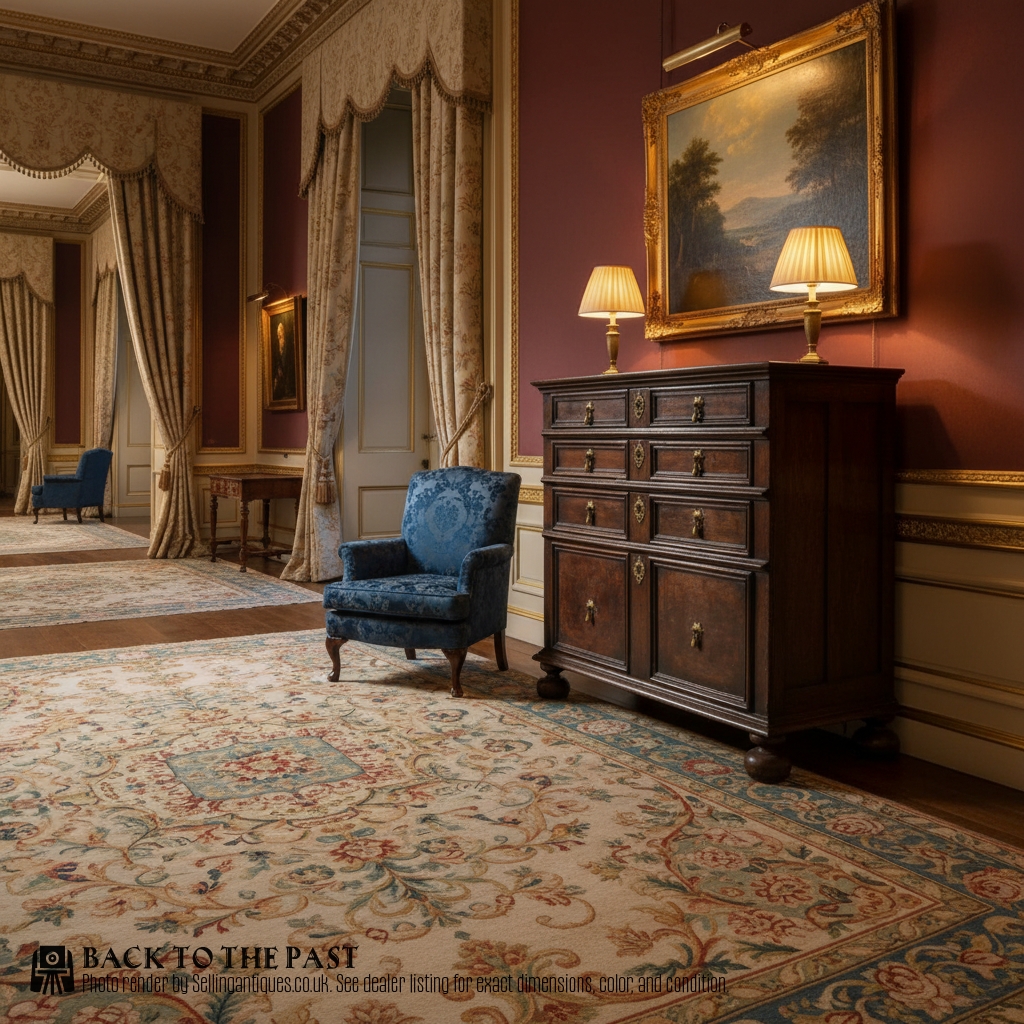
The Moulded Panel Oak Chest Glossary
- Moulding
- A strip of material with a profiled cross-section used to give a surface decorative relief and shadow. It defines the geometric fronts of seventeenth-century storage pieces.
- Patina
- The surface sheen and colour developed by timber over centuries of handling, exposure, and ageing. A faded patina indicates natural weathering rather than modern chemical treatment.
- Two-Part Chest
- A chest of drawers constructed in two separate stacking sections for easier transport. This format is particularly prevalent in late seventeenth-century English furniture.
- Geometric
- A style of decoration utilising repeated angular shapes, mitred mouldings, and contrasting woods. It creates striking patterns across drawer fronts during the Charles II and William and Mary periods.
- Coffer
- A large wooden chest with a hinged lid used originally for storing valuables or textiles. Examples often feature similar moulded panel construction to contemporary drawer chests.
Moulded Panel Oak Chest: Frequently Asked Questions
How do I date a moulded panel oak chest?
Dating relies on observing construction methods, timber choices, and stylistic markers such as geometric mouldings. Pieces spanning the seventeenth century through the Georgian era exhibit shifts from heavy panel framing to structured drawer arrangements.
Hardware styles, including brass drop handles and iron hinges, provide additional clues to the era of manufacture. Examining the interior timber and backboards confirms whether the construction aligns with documented historical periods.
Are these chests suitable for daily use?
These robust timber pieces were originally built for heavy domestic storage and remain entirely practical for modern living. Their deep drawers and sturdy frames easily accommodate clothing, linens, or household items.
Placing them in stable environmental conditions away from direct heat sources protects the historic oak and delicate secondary woods. Regular gentle dusting keeps the surface timber in sound condition.
What is a two-part chest?
A two-part chest consists of an upper and a lower cabinet section that stack together to form a single tall piece of furniture. This configuration gained popularity during the late seventeenth century.
The split construction allowed households to transport heavy oak furniture more easily between rooms or properties. Each half typically retains its own structural framing and moulding details.
How do I care for antique oak furniture?
Maintaining historic oak involves keeping the timber away from extreme temperature fluctuations and direct sunlight to prevent splitting. Applying a suitable wax occasionally nourishes the dry wood and preserves the surface sheen.
Avoiding harsh chemical cleaners ensures the natural patina remains undisturbed over time. Gentle handling of original iron and brass hardware prevents unnecessary wear to the surrounding timber.