
17th Century Oak Dresser
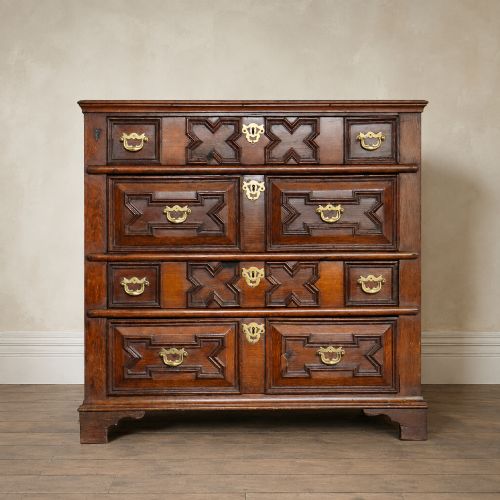
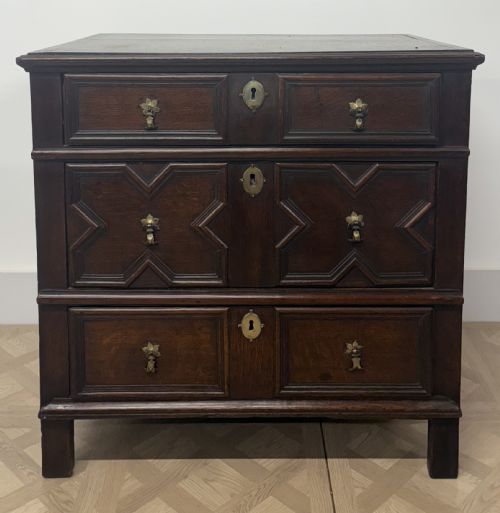
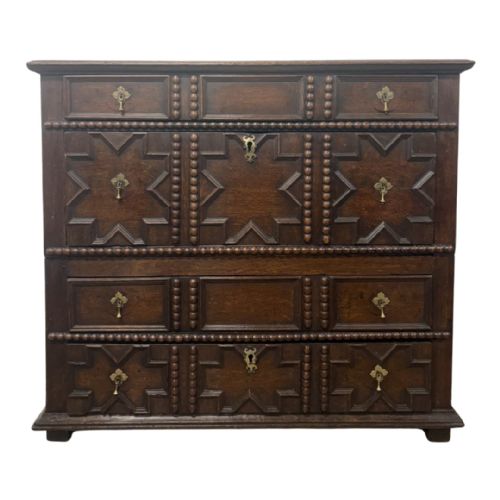
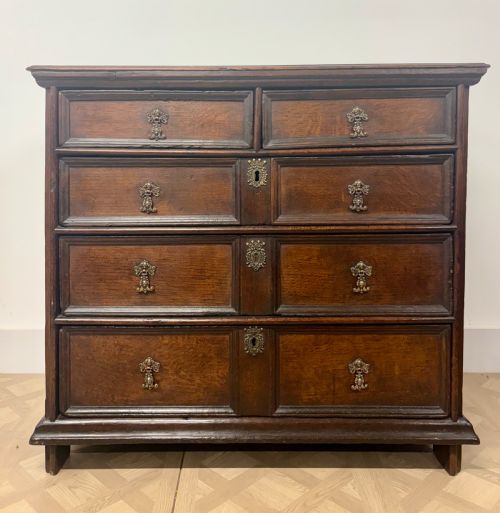
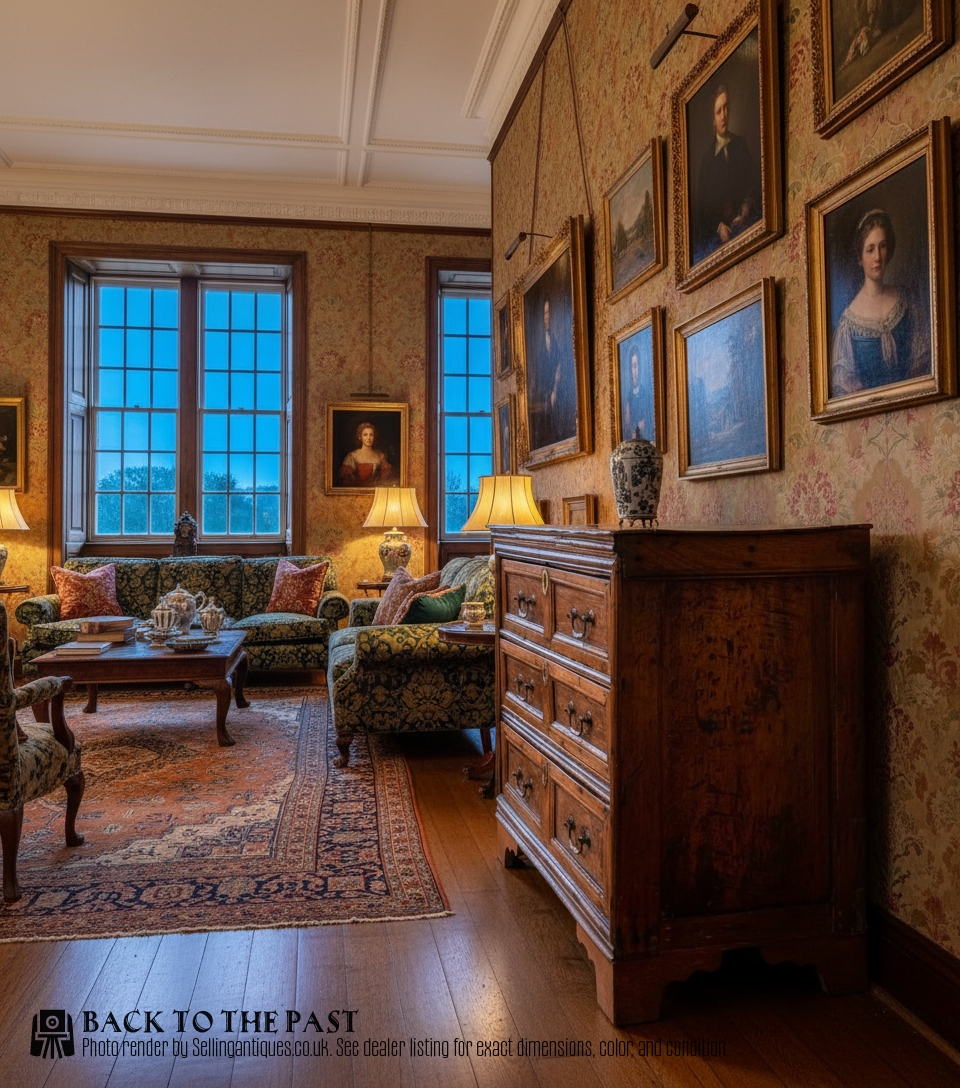
A 17th century oak dresser is a substantial period board or base used for storage, bringing rich historical character to an interior.
Understanding the 17th century oak dresser
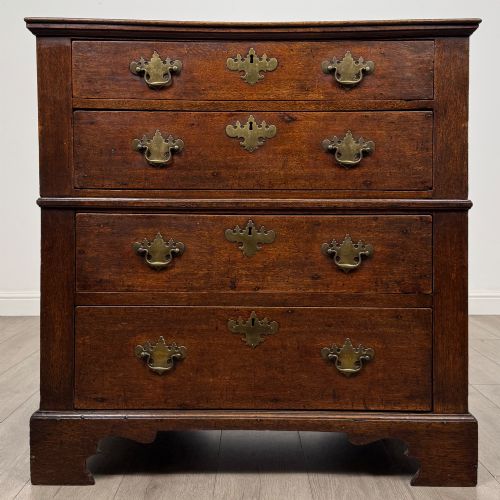
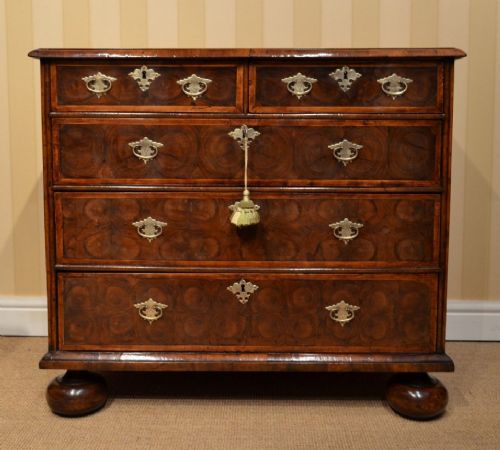
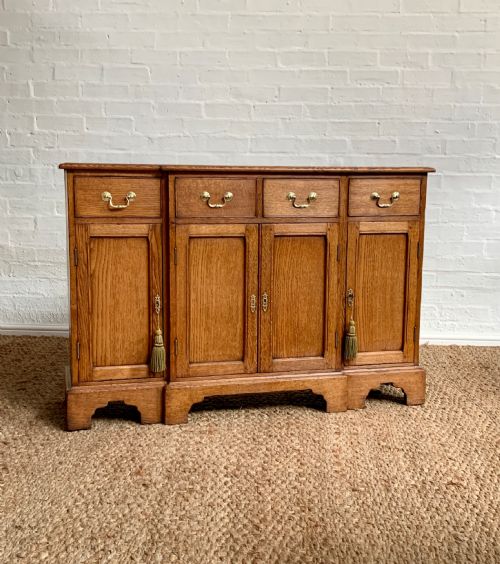
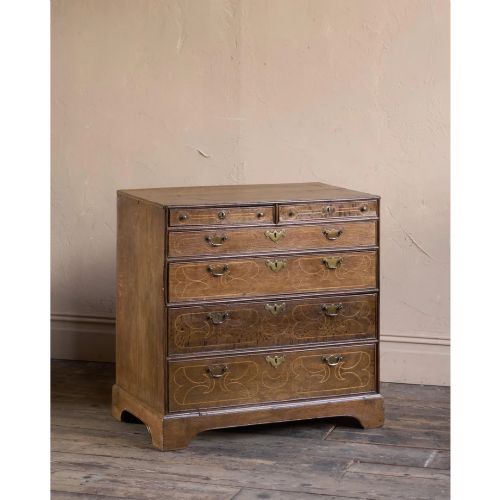
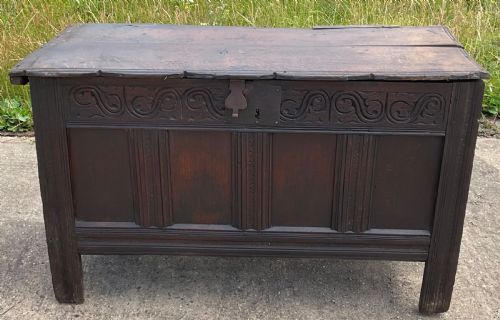
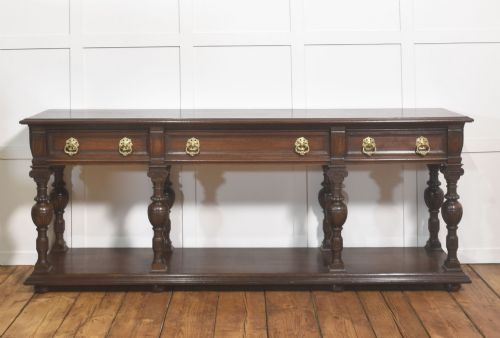
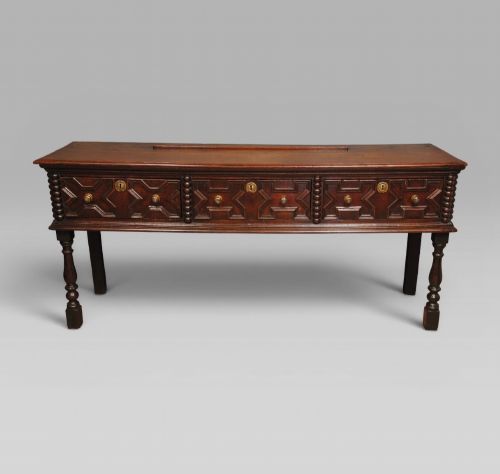
A 17th century oak dresser typically appears as a sturdy base, sideboard, or chest of drawers designed for practical storage. Many examples originate from English workshops, alongside revival interpretations produced in later periods.
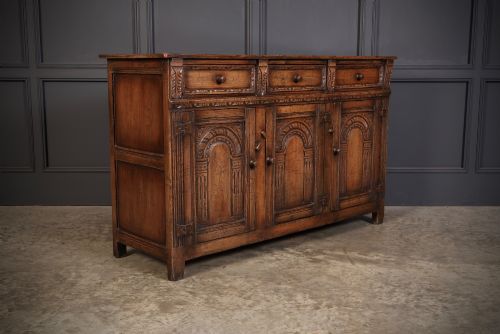
The form encompasses serving dressers, enclosed cupboards, and joined sideboards with multi-drawer arrangements. Buyers frequently encounter low dresser bases alongside tall livery or court cupboards sharing similar joinery traditions.
Materials and construction
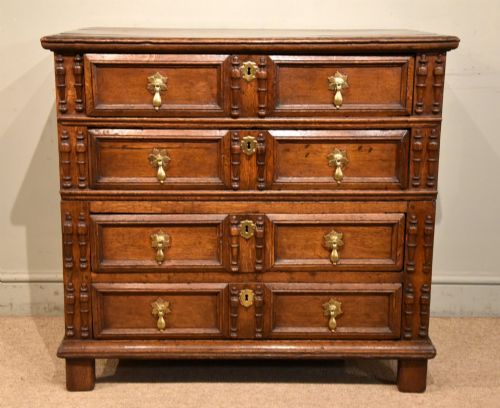
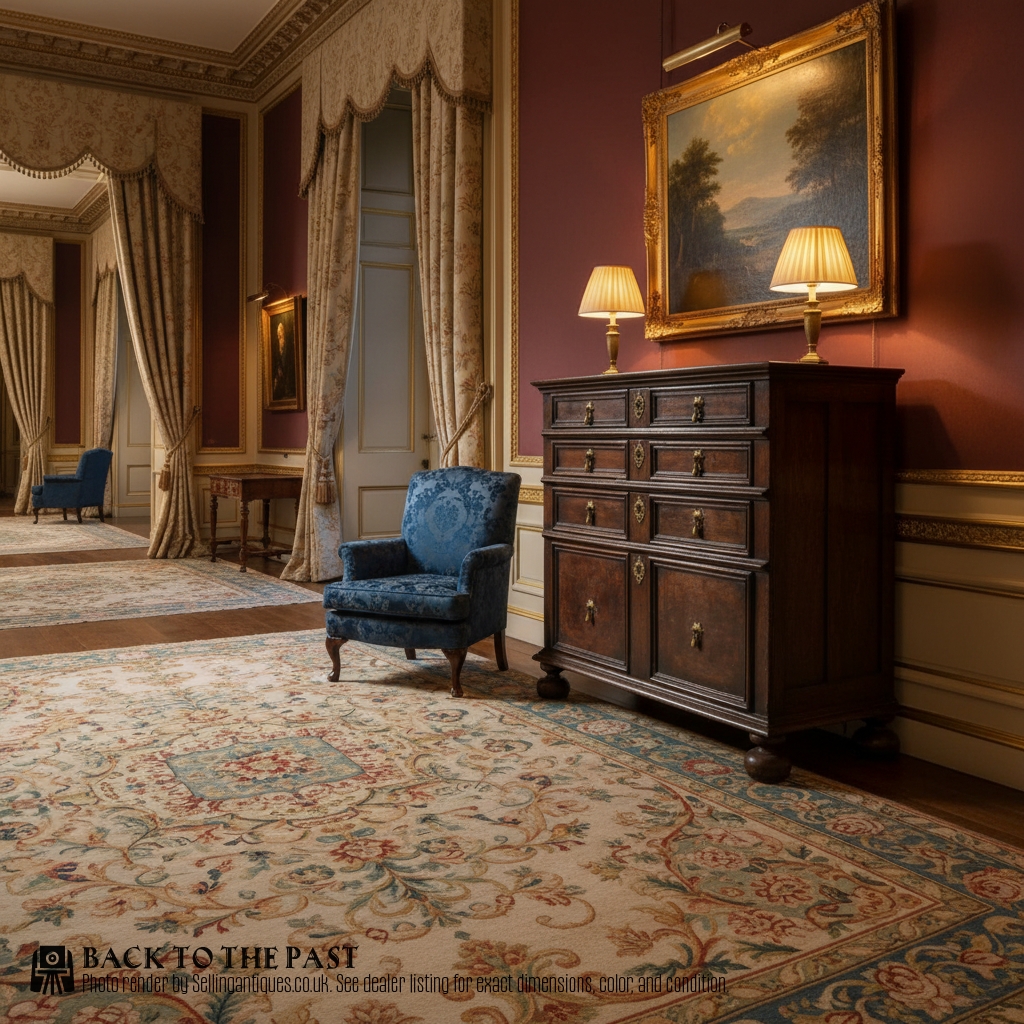
Makers utilised solid timber, predominantly oak, alongside regional variants like chestnut and painted surfaces. Brass hardware appears on drawer fronts and cupboards as functional handles and escutcheons.
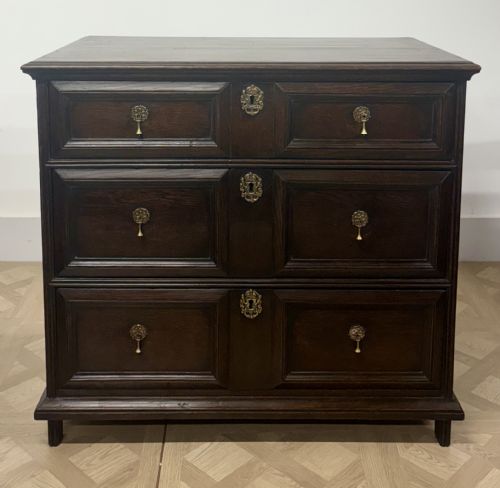
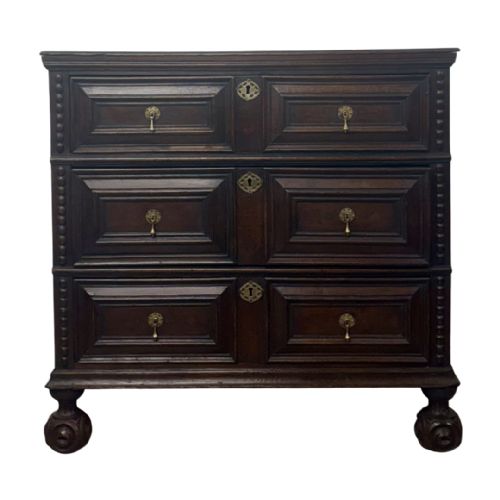
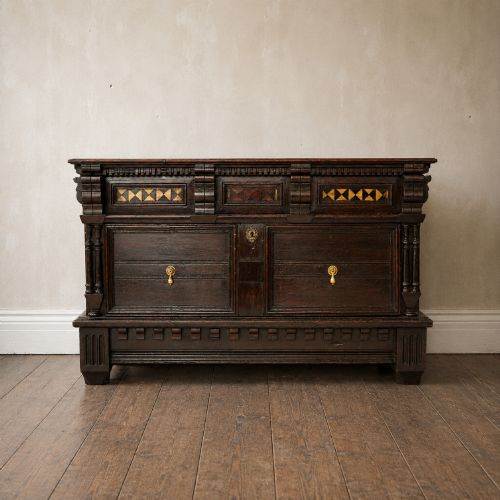
Construction relied on traditional joinery methods, incorporating cushion mouldings, carved panels, and bolster turned legs to support the heavy timber frames.
Retail Price Guide 2026
Typical UK retail prices for 17th century oak dresser, calculated from the Sellingantiques database of over a million retail prices indexed since 2003. This retail price guide relies exclusively on Sellingantiques data; no external sources or auction records are used, so the figures do not describe the wider market.
Some seventeenth-century oak dressers retain tiny nicks from centuries of zealous carving by anonymous hands.
Judging quality in early oak furniture
Quality rests upon the crispness of carved details, the integrity of the joined framework, and the survival of original timber surfaces. Period pieces display honest wear and patination accumulated across centuries of domestic use.
Later revival pieces from the nineteenth and twentieth centuries vary according to the fidelity of their Jacobean detailing and the selection of suitably dense timber.

The 17th Century Oak Dresser Glossary
- Dresser base
- A low wooden sideboard or table fitted with drawers beneath the top surface, used historically for food preparation and serving.
- Cushion moulding
- A rounded, convex architectural moulding often framing drawer fronts on seventeenth-century cabinetry.
- Jacobean
- The stylistic period spanning the reign of James I, characterised by robust proportions and geometric carved decoration.
- Joined oak
- Furniture constructed using mortise and tenon joints secured with wooden pegs rather than metal nails.
Frequently Asked Questions
How do I use a dresser base today?
These low boards function well as sideboards in dining rooms or as media consoles in living spaces, offering deep drawer storage.
The sturdy top surface accommodates lamps, books, or decorative objects while maintaining a low profile in the room.
Are all these dressers from the 17th century?
While many pieces date from the seventeenth century, the selection also includes revival interpretations made during later periods like the nineteenth and early twentieth centuries.
Examining the timber patination, tool marks, and joinery helps distinguish authentic period construction from later craftsmanship.
What is a cushion moulded drawer?
A cushion moulding is a convex, rounded profile projecting around the perimeter of a drawer front, creating a padded visual effect.
This decorative technique adds depth and shadow to the facade of seventeenth-century case pieces.
How do I care for antique oak furniture?
Keep wooden furniture away from direct heat sources and sudden humidity changes to prevent the solid oak panels from splitting.
Apply traditional wax sparingly to nourish the dry timber and maintain the natural lustre of the patinated surface.