
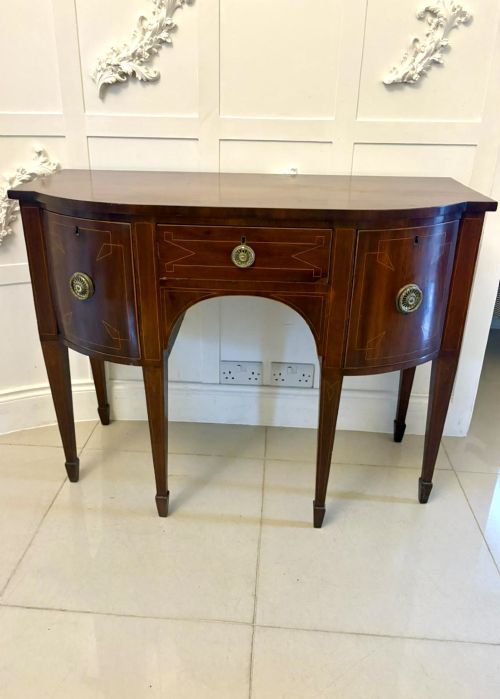
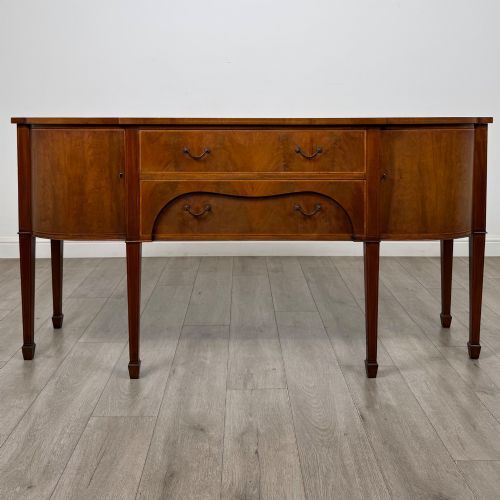
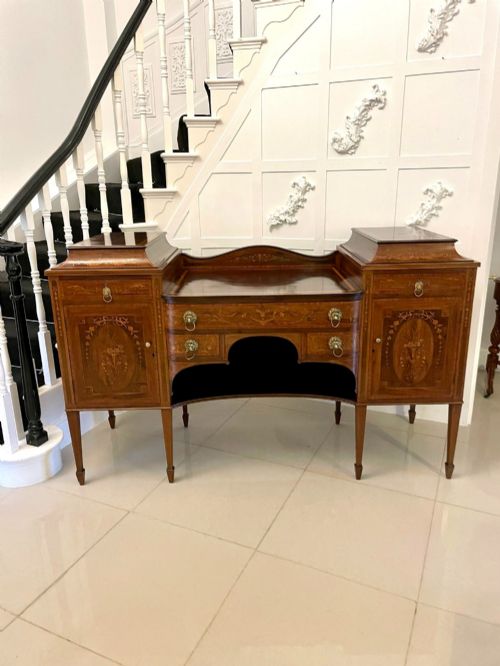
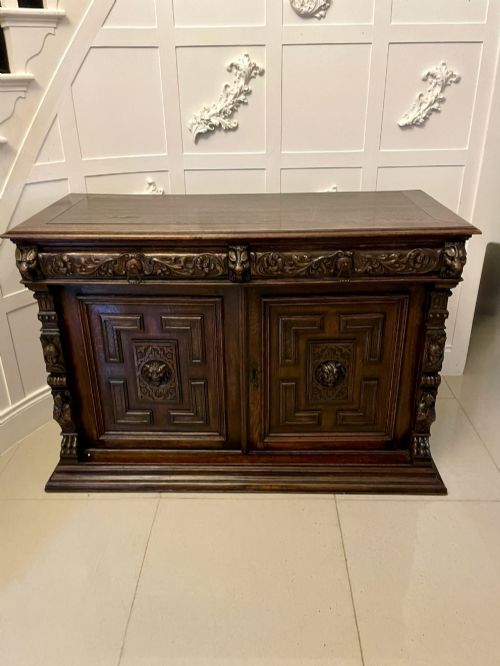
Brown Wood Server
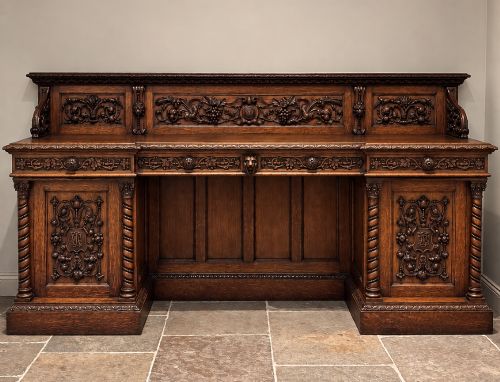
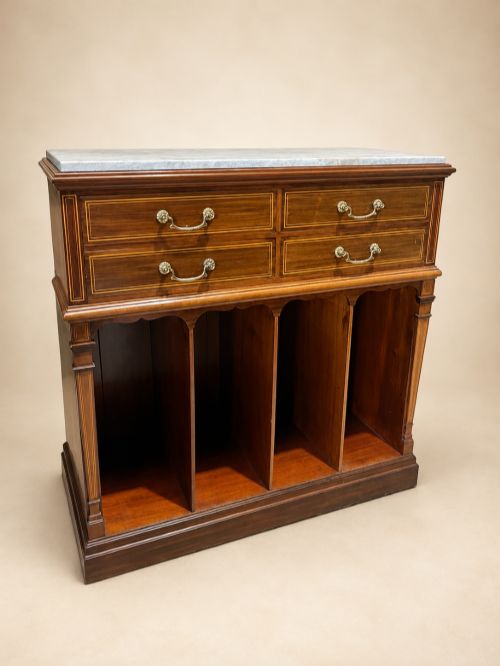
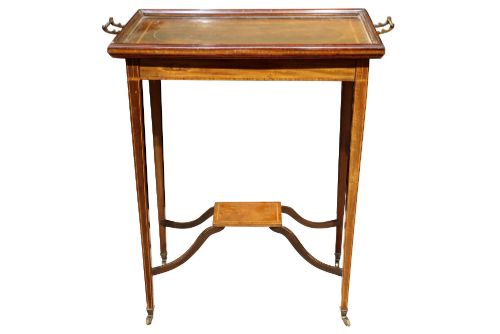
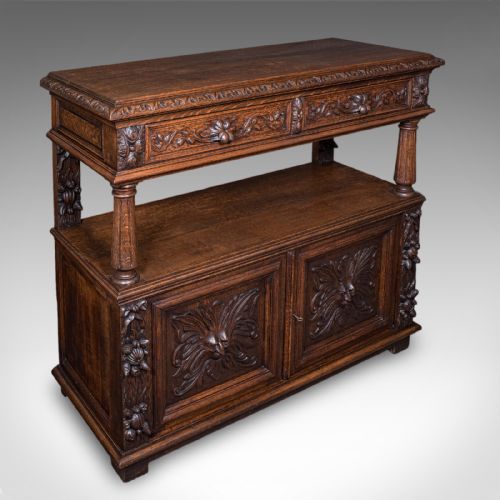
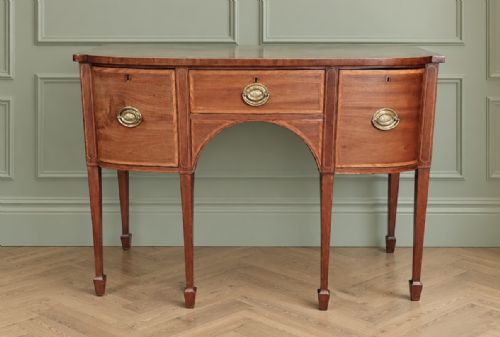
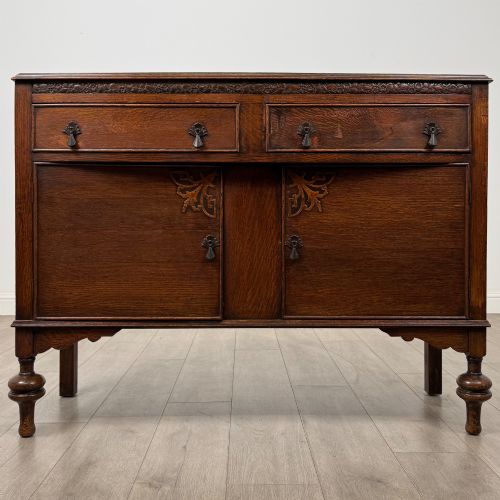
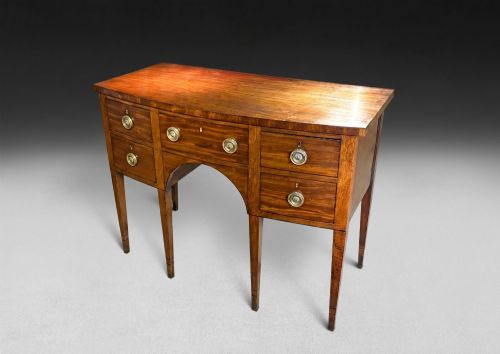
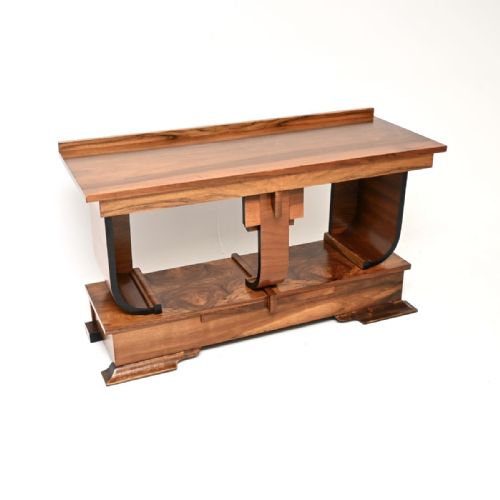
A brown wood server brings substantial timber presence into a dining space, offering both display surface and concealed storage for tableware.
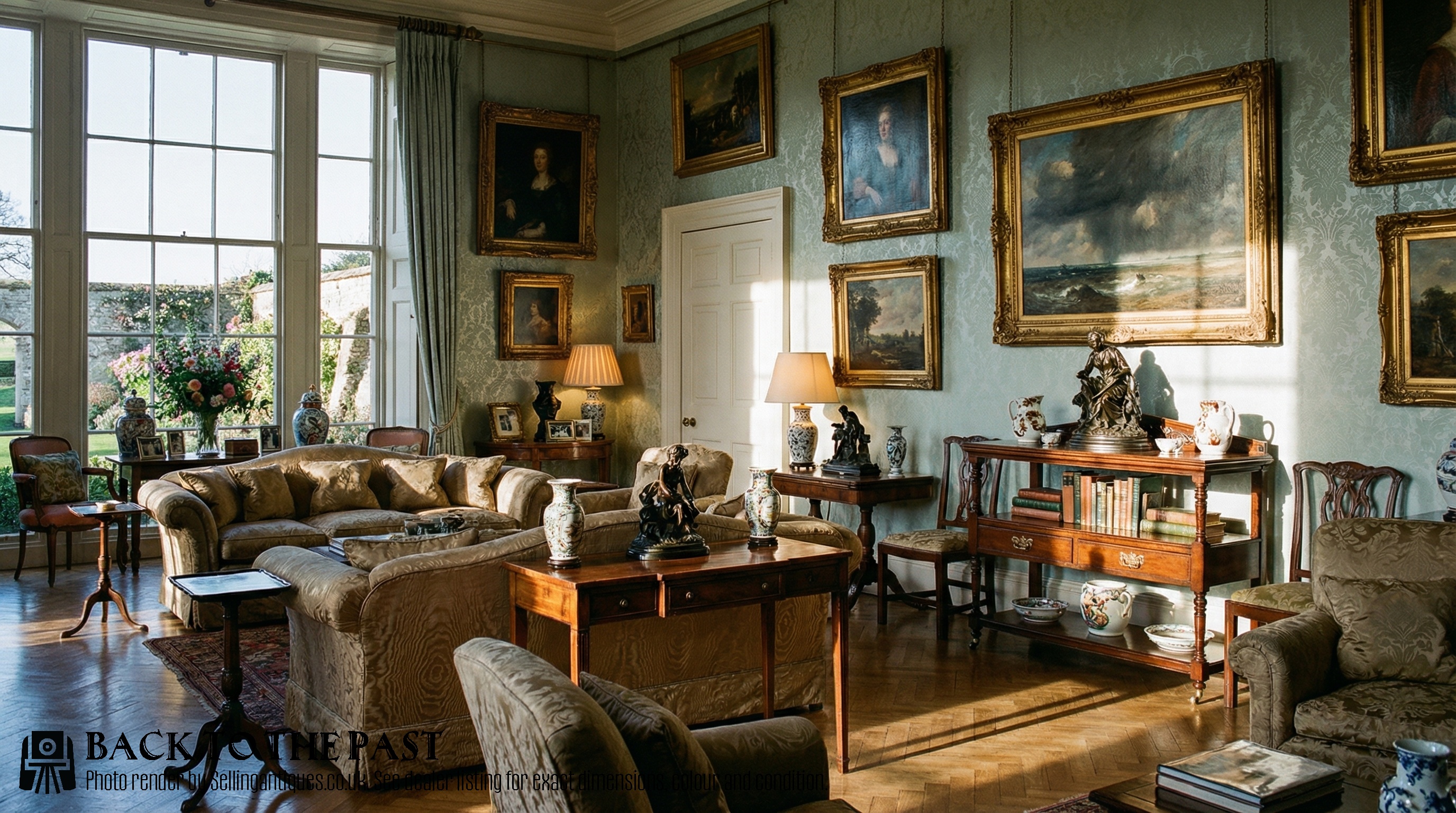
What a brown wood server is
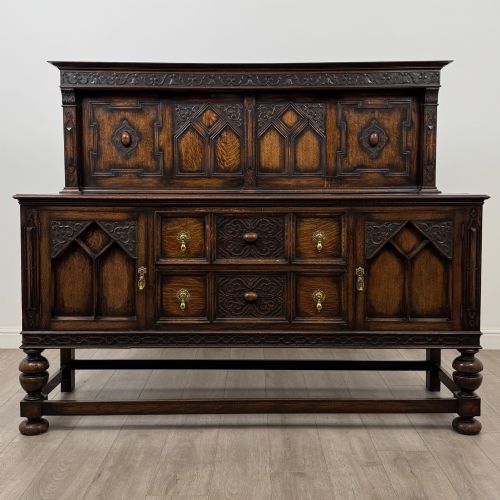
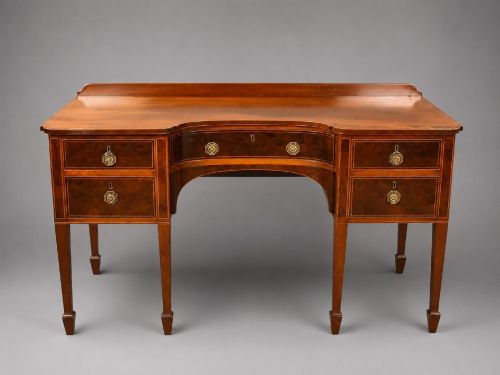
A brown wood server encompasses practical dining room furniture designed for serving food and storing household silver or linens. The pieces collected under this term include sideboards, dresser bases, and tiered dumb waiters.
The forms span several distinct eras, incorporating Georgian, Victorian, and Edwardian examples alongside later revivals. Buyers commonly encounter solid mahogany, oak, and walnut configurations within these varied historical styles.
How they were made
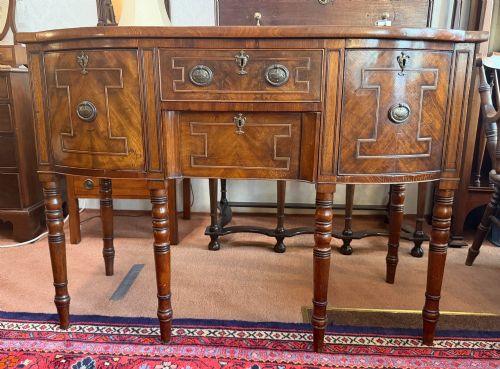
Construction relies heavily on traditional timber selection, employing dense hardwoods such as mahogany and oak alongside walnut. Cabinetmakers frequently incorporated decorative veneers and contrasting stringing lines in boxwood.
Hardware details typically involve cast brass fixtures, which serve functional roles on drawers and cupboards. Joinery techniques reflect the period of origin, from formal 18th-century cabinetry to early 20th-century revival methods.
Retail Price Guide 2026
Typical UK retail prices for brown wood server, calculated from the Sellingantiques database of over a million retail prices indexed since 2003. This retail price guide relies exclusively on Sellingantiques data; no external sources or auction records are used, so the figures do not describe the wider market.
Early dining tables lacked elbow room, so ingenious tiered dumb waiters were invented to hover silently with extra potatoes.
What varies in quality
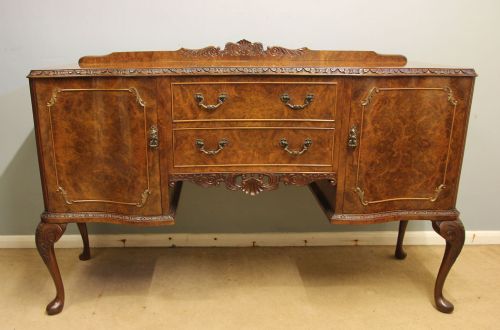
Quality reveals itself through the selection of timber grain and the precision of inlaid details such as boxwood stringing. Superior examples demonstrate harmonious proportions, particularly in serpentine or small-scale configurations.
The sophistication of the brass hardware and the crispness of carved or shaped elements distinguish standard production from finer cabinet work. Structural integrity in weight-bearing tiers and drawers indicates the original maker's skill.
The Brown Wood Server Glossary
- Serpentine
- A gently undulating curved front line found on finer case furniture. This shape requires considerable skill from the cabinetmaker to execute properly.
- Dumb waiter
- A multi-tiered freestanding piece used for holding dishes during a meal without servants present. These typically feature graduating circular shelves supported by a central column.
- Inlaid
- The technique of embedding contrasting strips or shapes of wood into the primary surface. Boxwood is frequently used for this decorative contrast.
- Dresser base
- The lower cabinet portion of a larger storage unit, featuring cupboards or drawers. These provide substantial enclosed space for dining room items.
Frequently Asked Questions
What is a brown wood server used for?
These pieces serve as functional furniture for dining rooms, providing surface area for food preparation or serving during meals. They also incorporate cupboards and drawers to store table linens, cutlery, and china.
Historically, specific forms like dumb waiters held dishes close to the dining table to reduce the need for domestic staff. Today, they continue to function as storage consoles while displaying decorative items.
How do I date a wooden sideboard?
Dating relies on examining the timber species, construction methods, and stylistic cues present in the piece. Georgian items often display fine mahogany and delicate boxwood stringing, whereas Edwardian or 1920s revival pieces show different secondary woods and machine assistance.
Hardware style and drawer construction also offer chronological clues. Hand-cut dovetails generally indicate older manufacture, while standardised screws and fixings point to later production dates.
What is the difference between a sideboard and a dumb waiter?
A sideboard is a wide, low cabinet designed primarily for floor-standing storage against a wall, featuring combinations of drawers and cupboards. They provide a broad top surface for serving meals.
A dumb waiter is a vertical piece consisting of multiple stacked circular tiers supported on a central pillar, designed for holding smaller dishes or serving items. It occupies a smaller footprint than a standard sideboard.
How should I care for antique wood furniture?
Maintenance involves keeping the timber away from direct heat sources and extreme humidity fluctuations to prevent warping or splitting. Regular dusting with a soft, dry cloth preserves the polished finish.
A light application of appropriate wax periodically helps nourish the wood surface. Avoid using silicone-based polishes which can damage historic finishes over time.