

Cabriole Leg Sideboard
A cabriole leg sideboard combines practical storage with the distinct double-curved line of 18th-century furniture design.

Cabriole Leg Sideboard
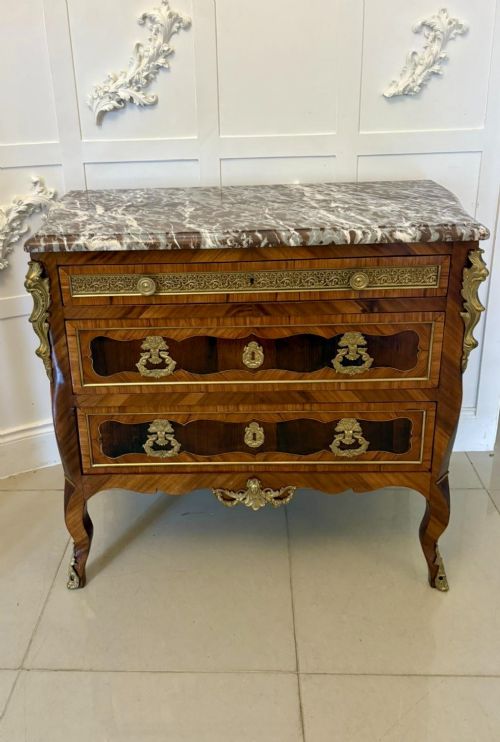
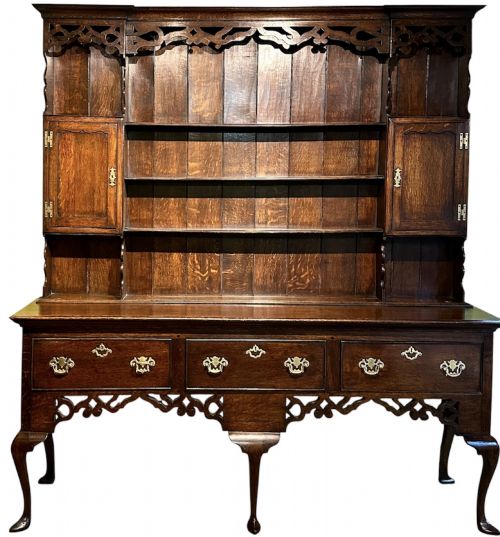
A cabriole leg sideboard encompasses low furniture forms designed for serving and storage, primarily appearing as dresser bases, serving tables, and side cabinets. The search phrase brings together pieces that share this specific curving leg form, spanning multiple centuries of British and continental cabinet-making.
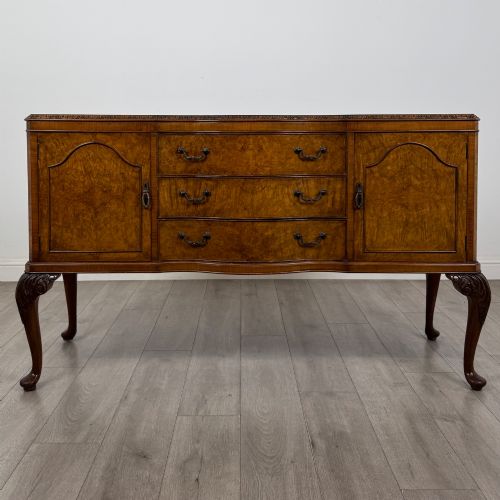
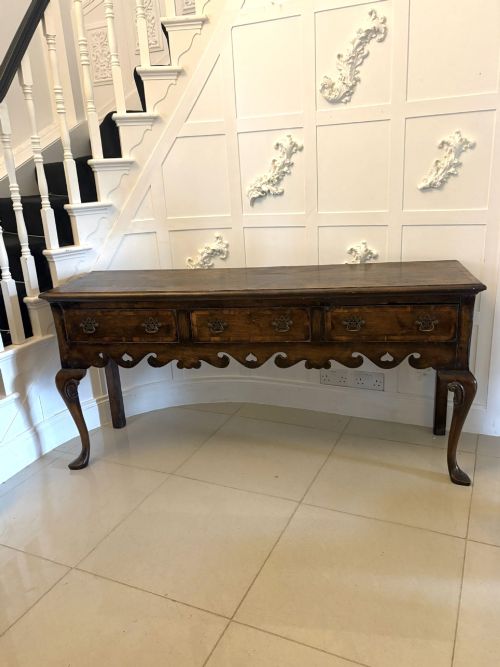
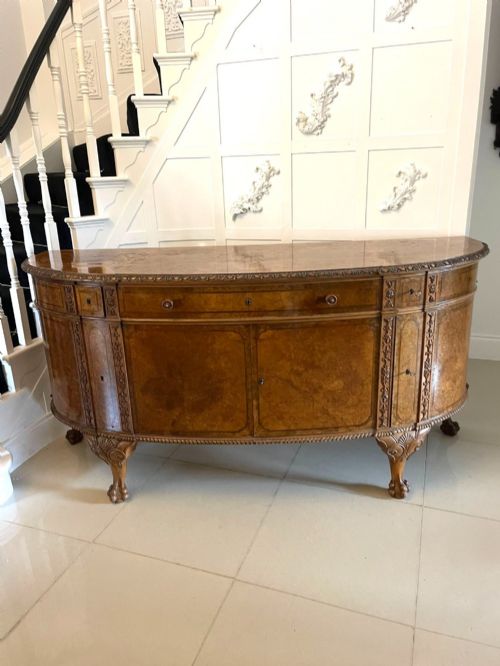
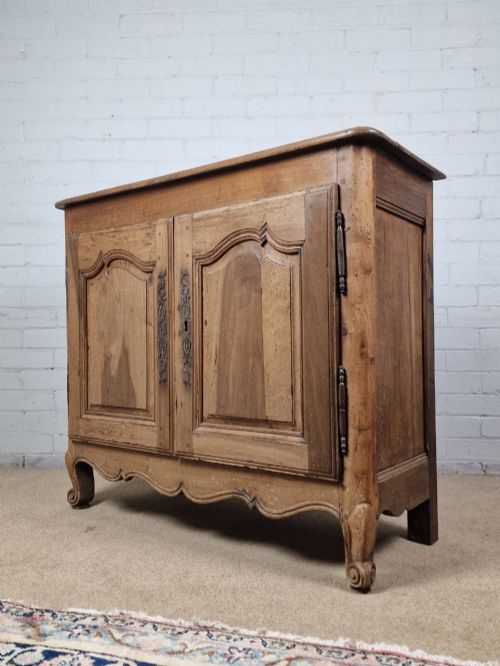
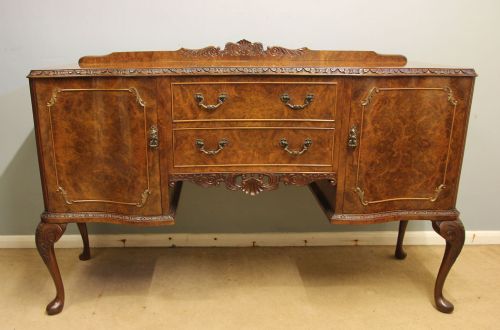
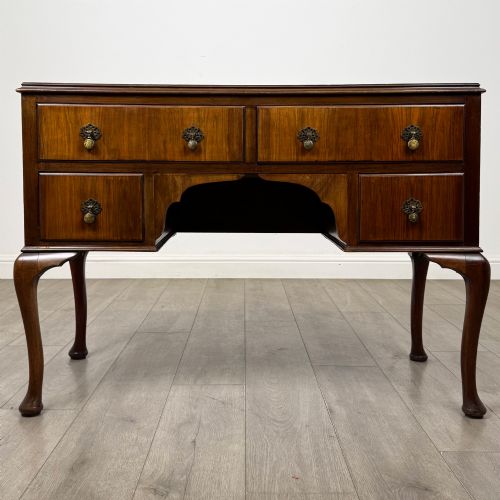
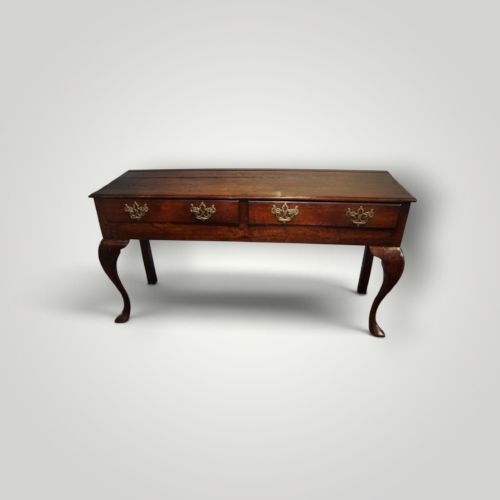
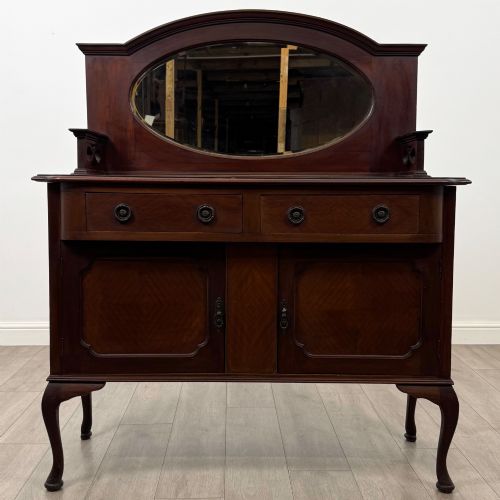
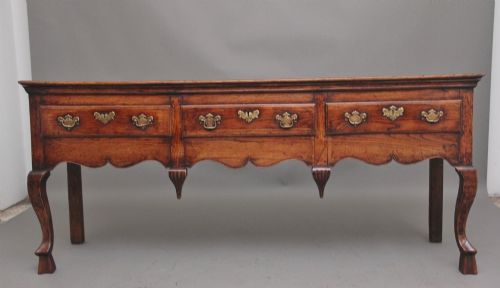
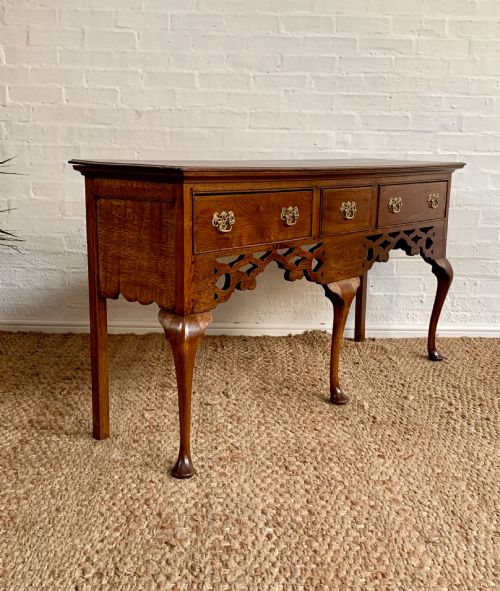
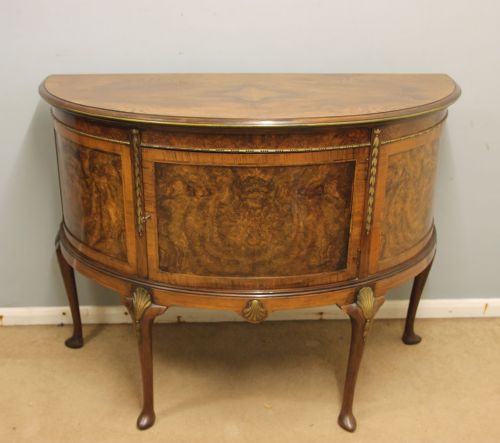
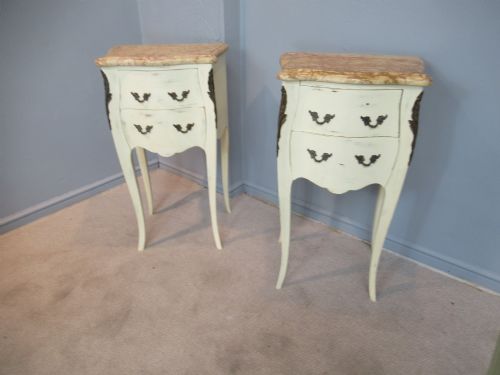
The versions most commonly met on this page include sturdy oak Georgian dresser bases alongside refined burr walnut and mahogany server tables from the Edwardian and later 1920 and 1930 periods. Alongside traditional sideboards, buyers frequently encounter related forms such as console tables, commodes, and side cabinets sharing the same characteristic leg profile.
Origins range widely across English country workshops and formal urban cabinet makers, as well as French provincial and revival pieces. The unifying element remains the S-shaped leg, which lifts the heavy timber body of the sideboard cleanly off the floor.
How they were made
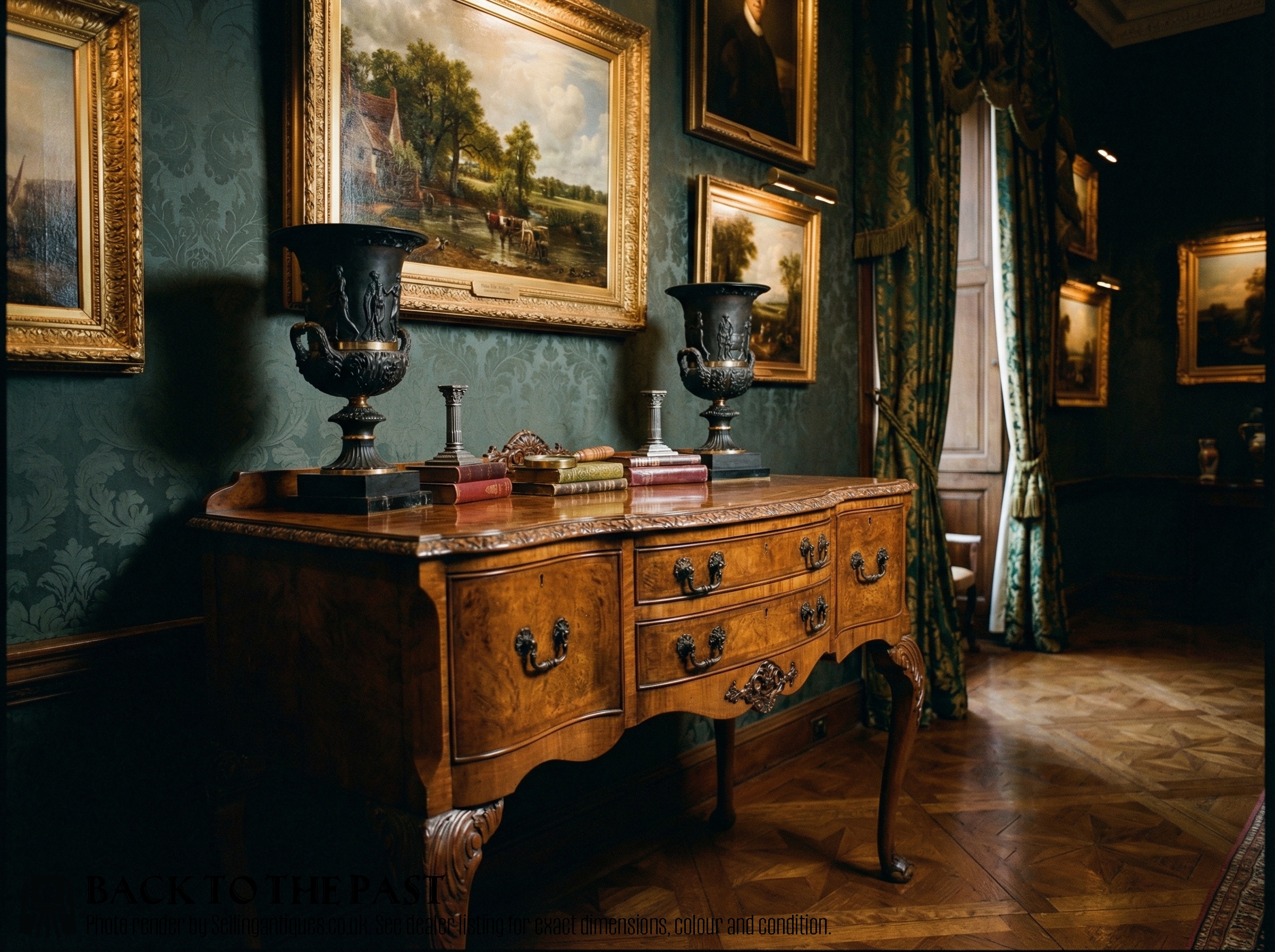
Makers built these pieces predominantly using solid native timbers like oak and mahogany, often applying highly figured burr walnut veneers to the principal facade surfaces. Structural carcases relied on traditional joinery, whilst secondary elements frequently incorporated softer woods for drawer linings and internal dividers.
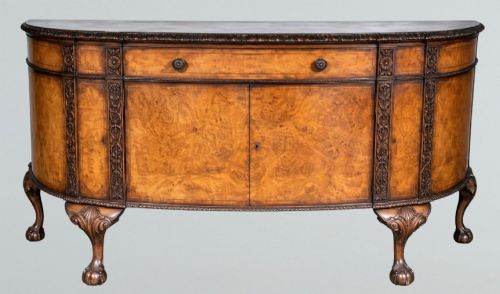
Surface detailing combined carving directly into the timber solids with applied brass hardware and occasional marble tops on continental commodes and serving tables. The characteristic cabriole legs were typically shaped from solid timber blocks, sometimes terminating in pad, claw and ball, or scroll feet.
Cabriole Leg Sideboard Retail Price Guide 2026
Typical asking prices for cabriole leg sideboard among the pieces listed under this phrase on Sellingantiques today, from the lower quarter to the upper quarter. They describe what is for sale here now, not the wider market.
Certain Victorian oak dresser bases feature startling green man carvings peering out from beneath the serving surface.
What varies in quality
Quality rests upon the harmony of the proportions and the crispness of the timber working, from the depth of the cabinet mouldings to the flow of the leg curves. Pieces at the higher end display superior timber selection, such as tightly figured burr walnut or dense, richly patinated oak.
Construction integrity defines the scale, seen in the smooth operation of drawers, the thickness of timber used in the carcase backs, and the stability of the leg joints. Finer examples maintain original brass handles and hinges that match the period of the piece.
Gillows·Hille of London
The Cabriole Leg Sideboard Glossary
- Cabriole leg
- A furniture leg featuring a double curve, bulging outward at the knee and tapering inward at the ankle. This form mimics animal limbs and gained prominence during the early 18th century.
- Dresser base
- A low wooden sideboard or table fitted with drawers across the front, traditionally used in kitchens and dining rooms for food preparation and service. These pieces frequently stand on cabriole legs.
- Burr walnut
- A prized timber veneer harvested from walnut tree growths, featuring swirling grain patterns. Cabinet makers applied these decorative veneers to the primary display surfaces of sideboards.
- Commode
- A low French chest of drawers or cabinet with doors, often topped with marble. Many examples incorporate sweeping cabriole legs and marquetry inlay.
- Demi-lune
- A half-moon shape used for the tops and carcases of specialised side cabinets and serving tables. This curved profile allows the furniture to sit flush against a wall.
Cabriole Leg Sideboard: Frequently Asked Questions
What is a cabriole leg sideboard?
A cabriole leg sideboard is a serving or storage table raised on curving legs that mimic animal limbs. These pieces unite practical dining room storage with decorative 18th-century styling.
They appear across various periods, from early oak dresser bases to later walnut and mahogany revival servers.
How do I date an oak dresser base?
Dating relies on examining the timber construction, drawer dovetails, and handle fixings. Early pieces display hand-riven oak boards and irregular handmade joints.
Later revival pieces from the Edwardian era or the early 20th century show more uniform machine-sawn timber and precise internal fittings.
Where should I place a serving table?
Serving tables suit dining rooms, hallways, and living spaces where surface display and low storage are required. Their shallow depth allows them to sit comfortably against walls without obstructing walkways.
Matching the timber tone to surrounding furniture helps integrate the piece into an existing room scheme.
What is the difference between a sideboard and a commode?
A sideboard is typically an elongated English serving table designed for dining rooms, featuring drawers and cupboards. A commode originates as a French low chest of drawers or cabinet, often finished with a marble top.
Both forms frequently feature the curving cabriole legs found across this selection.