
Georgian Style Credenza
A georgian style credenza brings robust mahogany timber and refined proportions into a modern dining room, offering both generous storage and distinguished heritage.
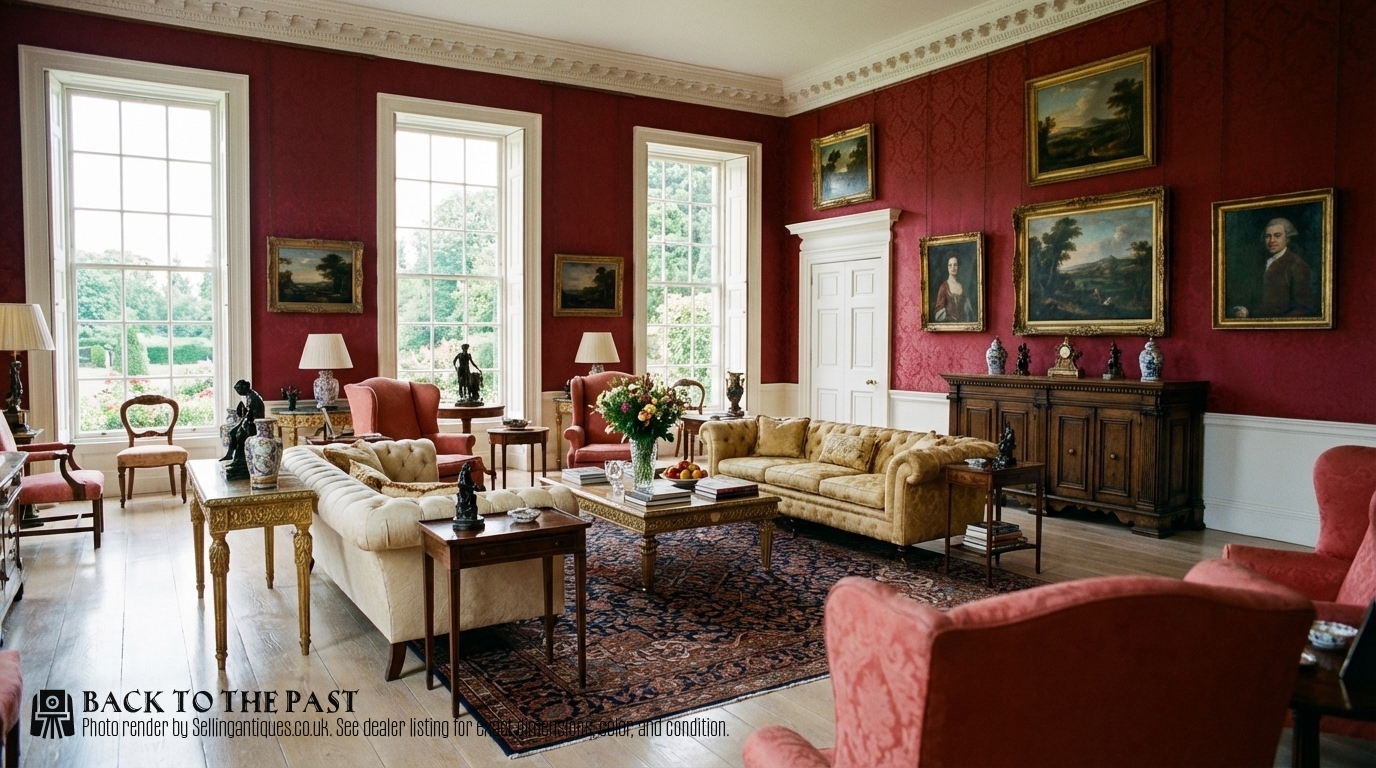
What these pieces are
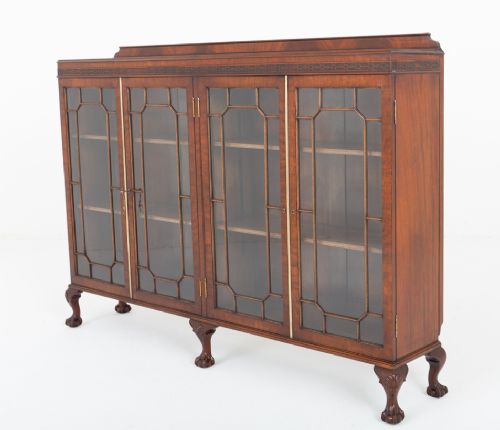
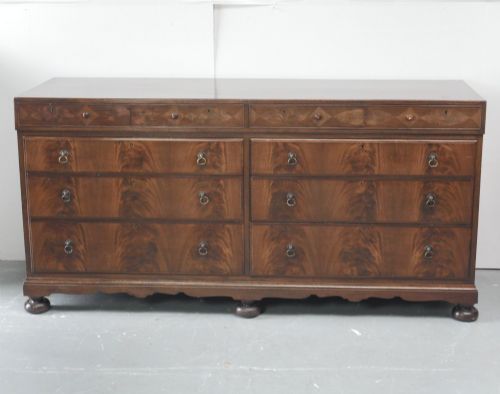
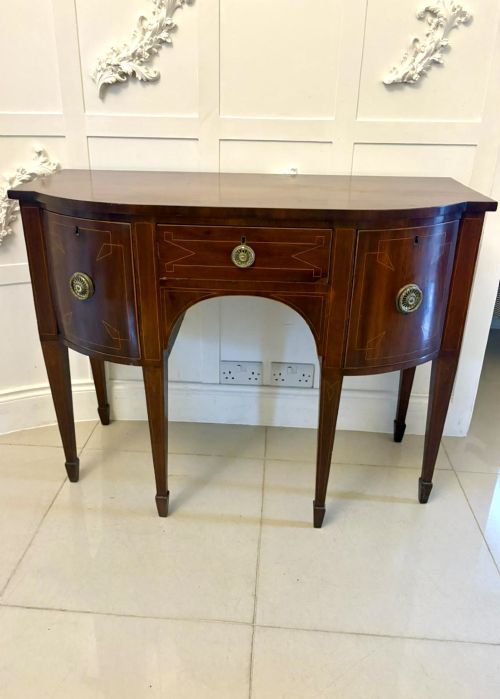
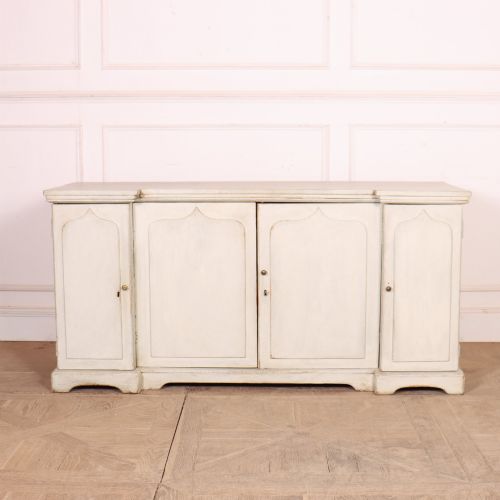
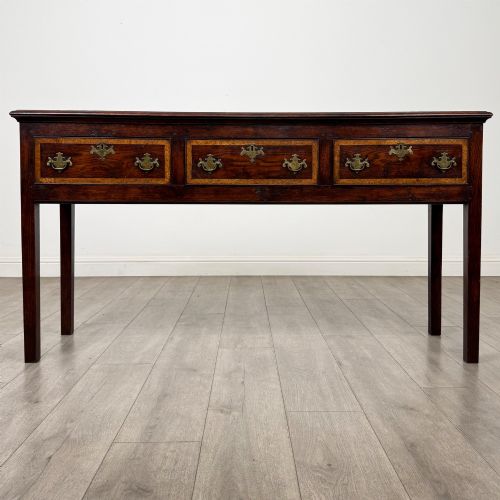
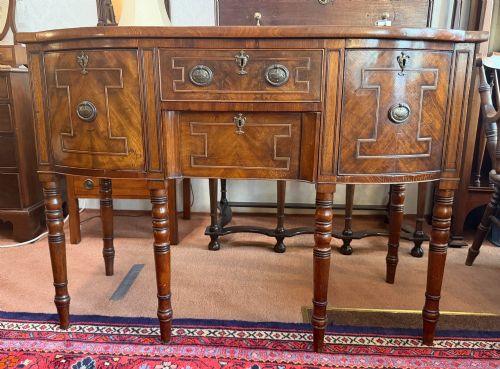
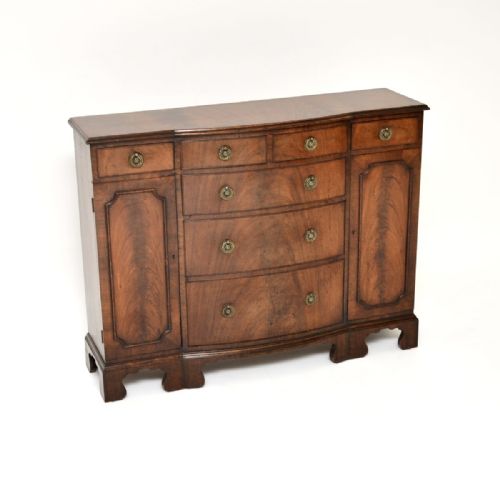
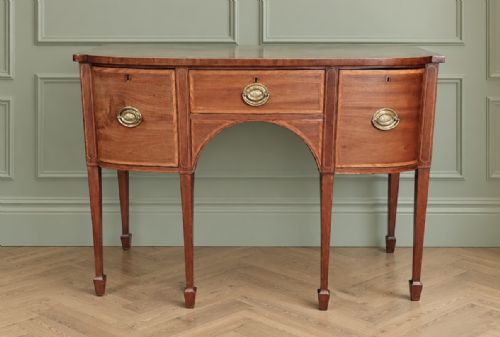
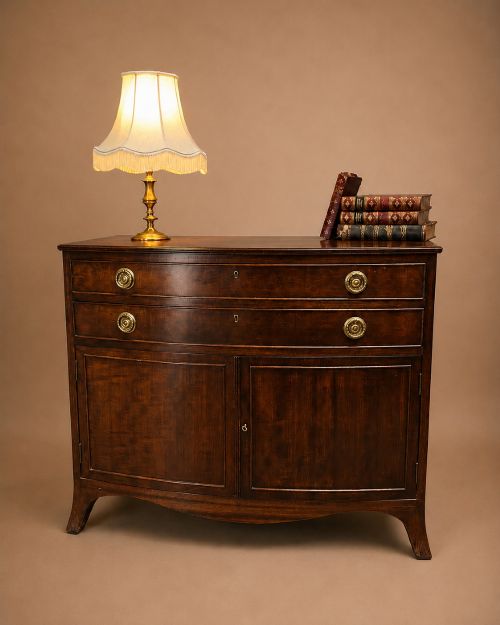
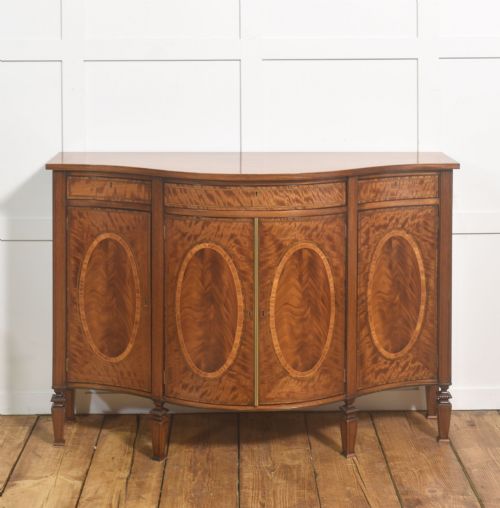
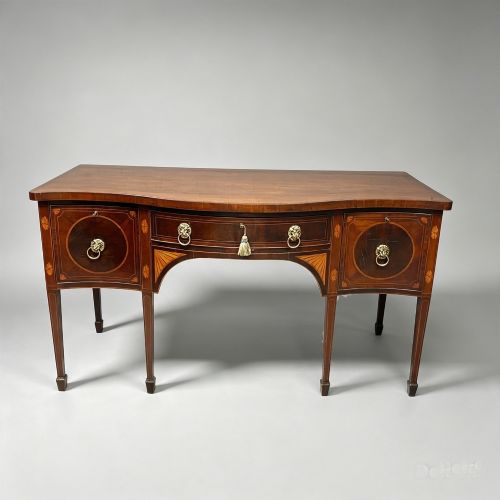
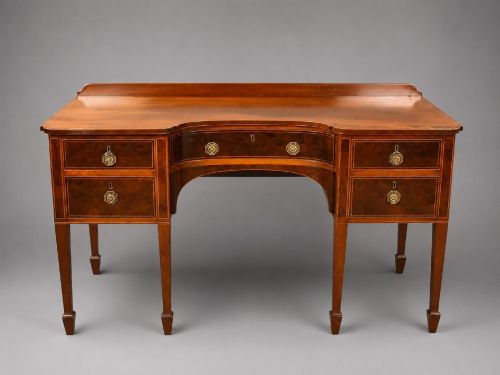
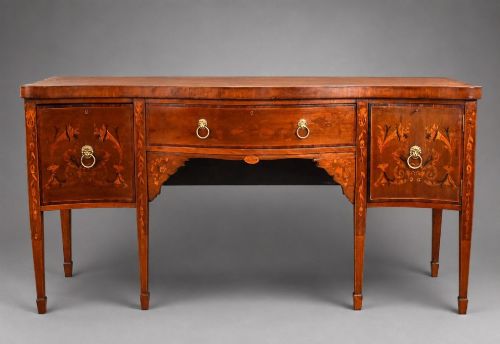
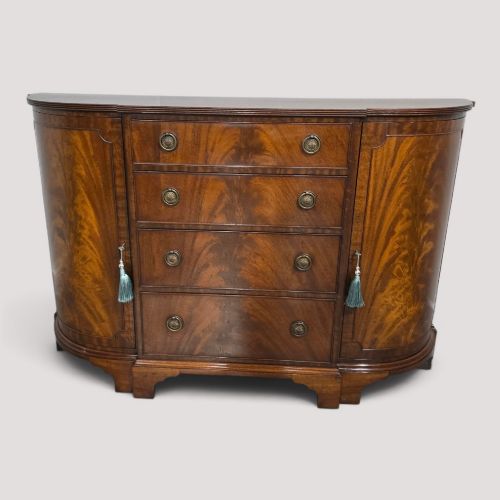
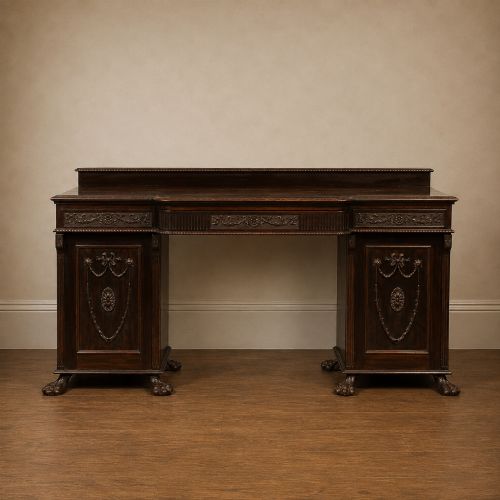
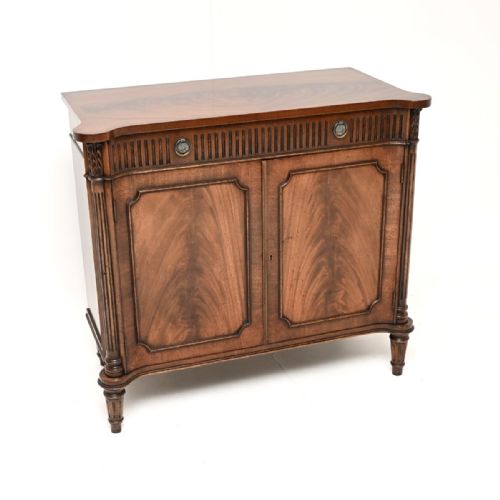
When you search for a georgian style credenza, you encounter sideboards, sideboards and buffets spanning the Victorian era, the Edwardian period, 1900, 1920, and the 18th century. These items take the form of small breakfront sideboards, small mahogany bowed sideboards, and large serpentine front sideboards.
The selection on this page demonstrates diverse regional influences and aesthetic revivals, including Georgian style, Georgian revival, Queen Anne, 18th century Italian, and Chippendale style pieces. Buyers meet both compact serving furniture and substantial cabinet forms suited to traditional dining spaces.

What varies in quality
Quality in these sideboards rests upon the sophistication of the timber work, particularly the execution of bowed or serpentine fronts and the precision of satinwood inlays. Superior examples display harmonious grain patterns across large drawer fronts and doors rather than mismatched timber sections.
The refinement of period stylistic details, such as the proportions of Chippendale or Queen Anne influenced outlines, distinguishes standard production from finer cabinet work. Original brass hardware and well-fitted internal shelving further separate the better pieces from simpler utilitarian servers.
Retail Price Guide 2026
Typical UK retail prices for georgian style credenza, calculated from the Sellingantiques database of over a million retail prices indexed since 2003. This retail price guide relies exclusively on Sellingantiques data; no external sources or auction records are used, so the figures do not describe the wider market.
Iron fittings hide quietly inside while polished brass catches the candlelight.
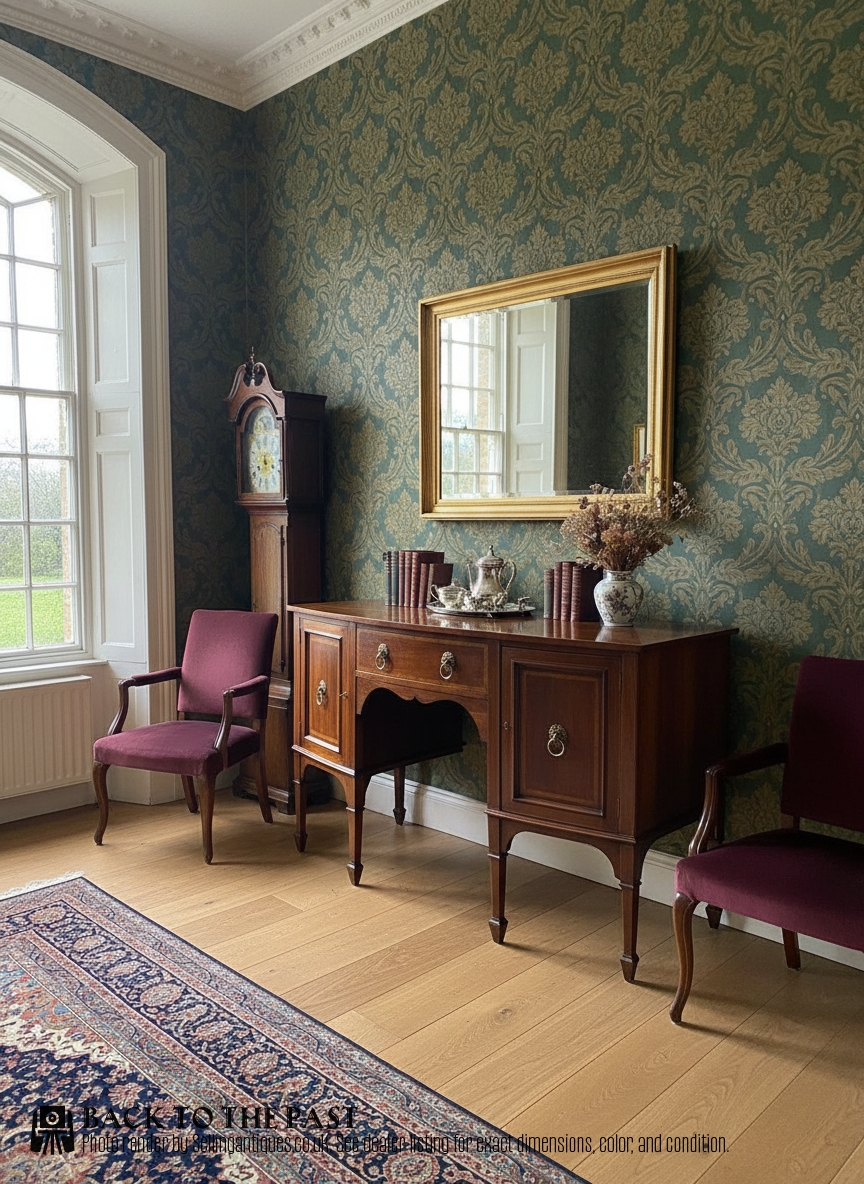
The Georgian Style Credenza Glossary
- Breakfront
- A cabinet form where the central section projects forward from the flanking outer sections. This architectural arrangement creates shadow and depth across the front facade.
- Serpentine
- A front profile defined by a central convex curve flanked by concave sweeps. This graceful line requires expert timber shaping and fitting.
- Crossbanding
- A decorative border technique where strips of veneer are laid perpendicular to the grain of the surrounding panel. It creates a defined frame effect on drawer fronts and tabletops.
- Bow front
- A convex, outwardly curved front elevation typical of many servers and sideboards. The gentle curve softens the room presence of heavy timber furniture.
- Inlay
- The technique of inserting contrasting materials into recessed portions of a timber base to form patterns. Satinwood is frequently utilised for this purpose on dark mahogany.
Frequently Asked Questions
Where should I place a sideboard?
These pieces traditionally anchor the dining room, providing a surface for serving food and storage for linens and tableware. Their finished backs and substantial proportions also suit spacious hallways or drawing rooms.
Ensure adequate clearance around the piece so that drawers and cabinet doors can open fully without obstruction from dining chairs.
How do I care for mahogany timber?
Regular dusting with a soft, dry cloth prevents particulate accumulation that can dull the polished surface over time. Avoid placing the wood in direct sunlight or near heat sources to prevent timber splitting.
Applying a traditional beeswax polish periodically helps nourish the grain and maintains the subtle lustre characteristic of antique hardwood furniture.
How do I identify a revival piece?
Revival pieces adopt the design vocabulary of earlier eras, such as 18th-century Georgian forms reproduced during the Victorian or Edwardian periods. Examination of internal secondary timbers, construction methods, and hardware often clarifies the actual age of manufacture.
Stylistic cues like exaggerated proportions or machine-cut elements frequently distinguish these later interpretations from genuine period antiques.