
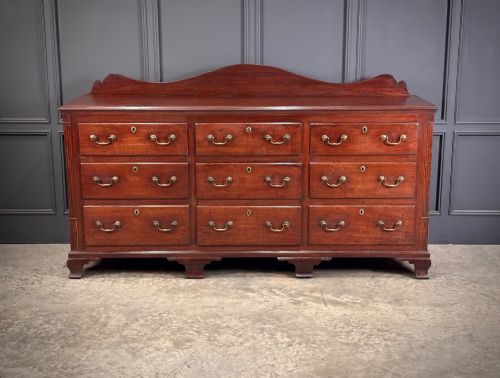
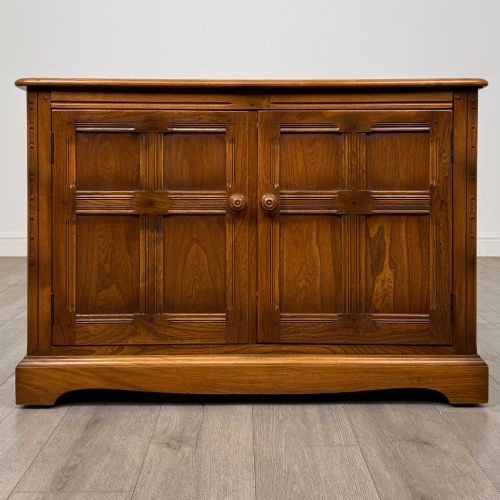
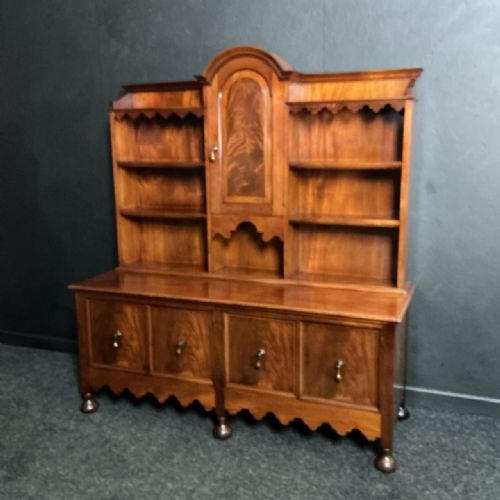
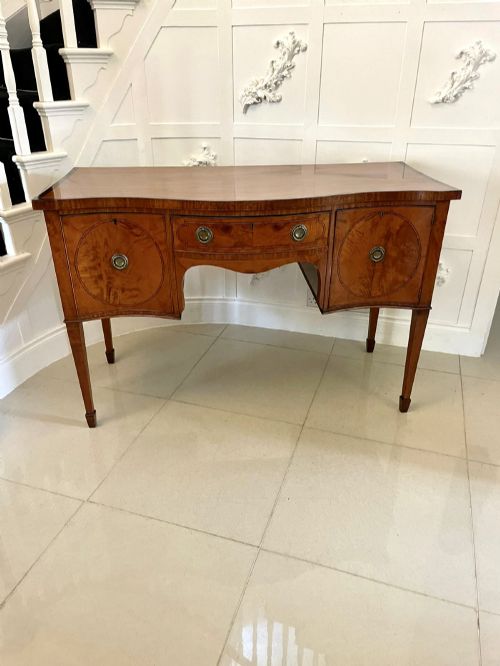
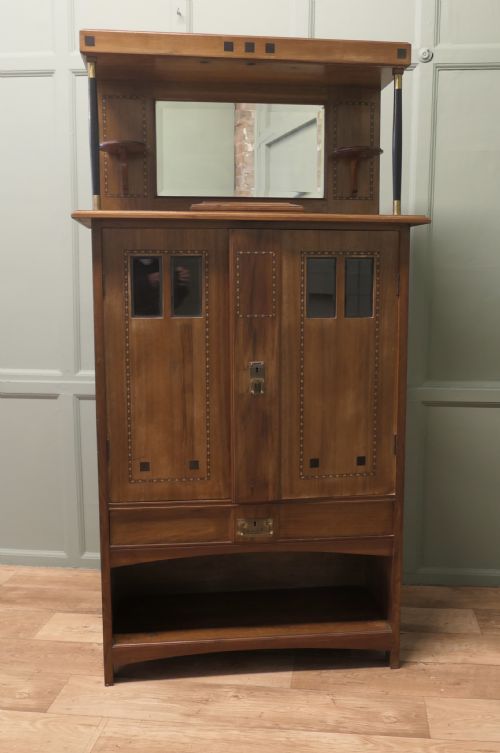
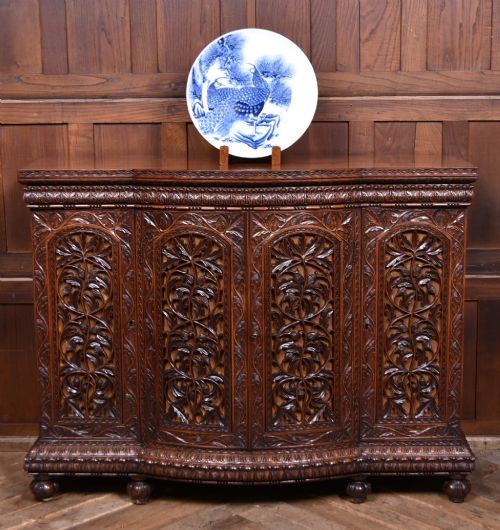
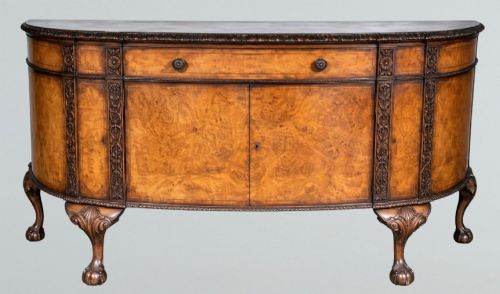
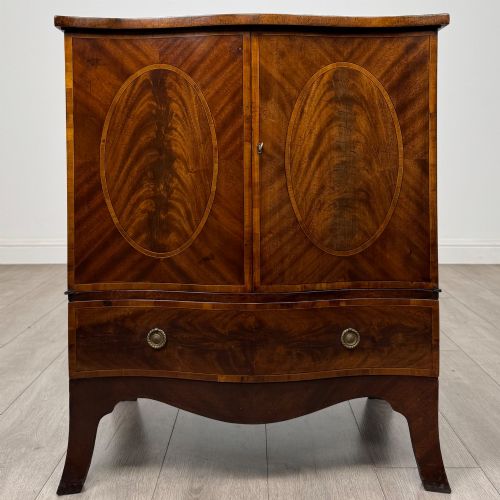
Vintage Wooden Sideboard
A vintage wooden sideboard provides deep, practical storage while anchoring a dining room or hallway with grain and proportion.
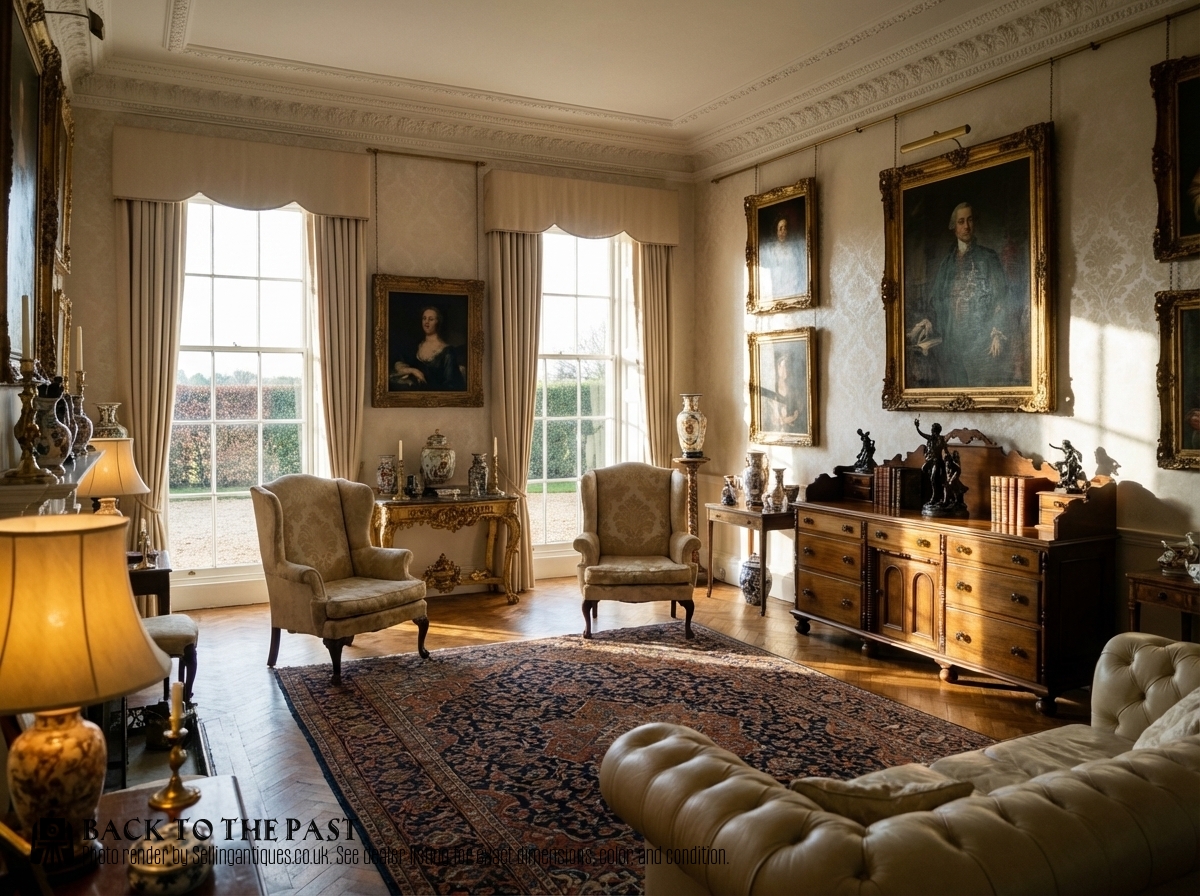
Vintage Wooden Sideboard
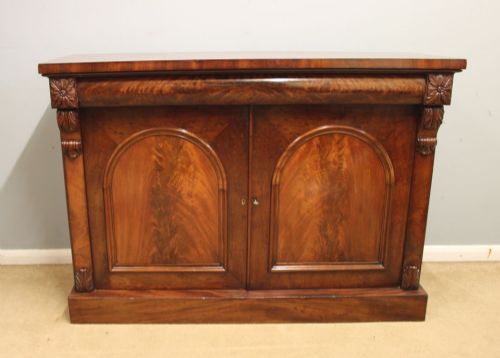
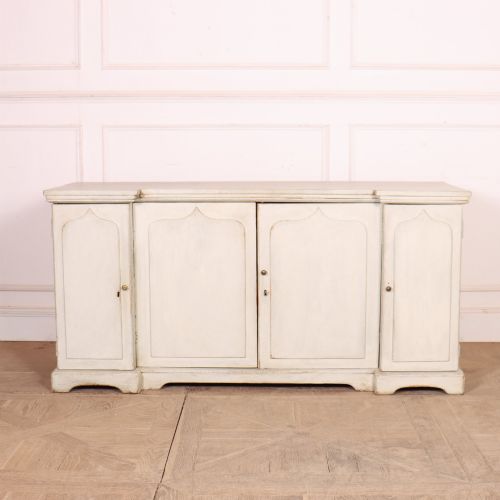
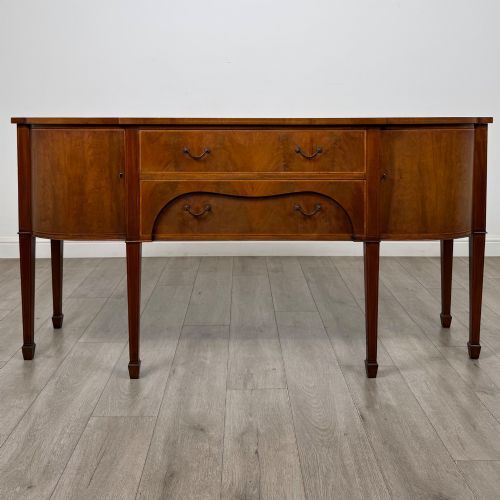
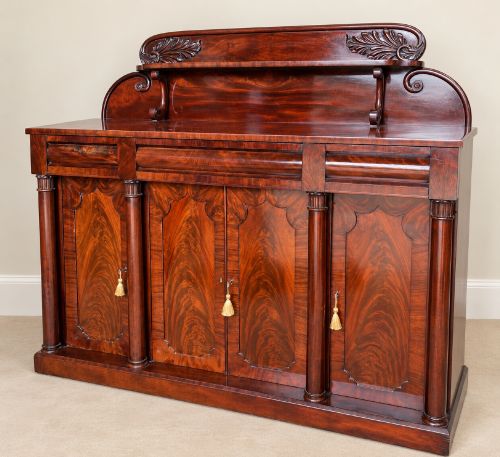
A vintage wooden sideboard bridges utility and display, taking the form of low cabinets, breakfronts, chiffoniers, and dresser bases. When searching for a vintage wooden sideboard, buyers encounter pieces spanning the Georgian, Victorian, Edwardian, and Art Deco periods.
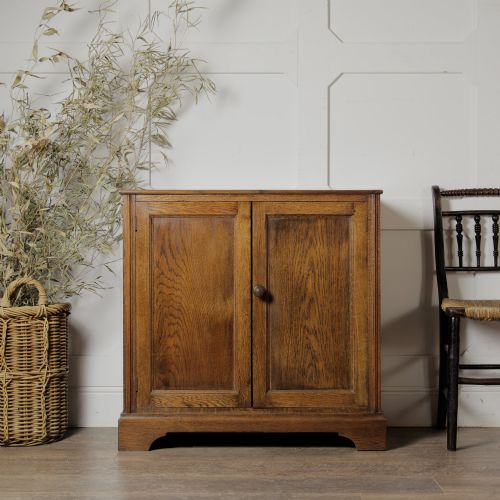
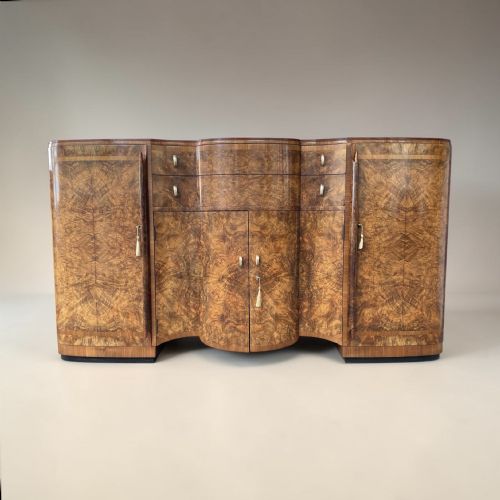
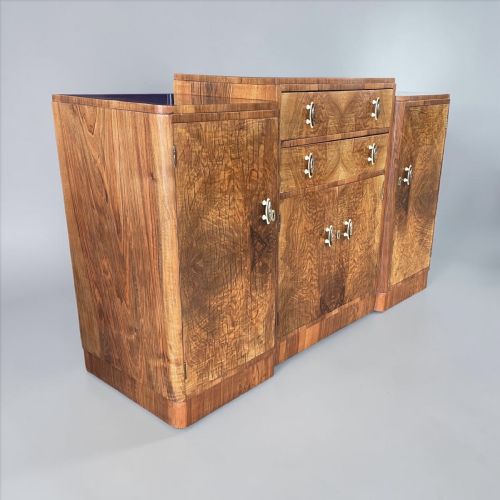
The selection ranges from robust oak and pine country pieces to finely figured mahogany and burr walnut items intended for formal dining rooms. Formats include serpentine shapes, bow-fronts, and pedestal designs equipped with cupboards and drawers.
Origins vary from English workshops to continental makers, encompassing Revival styles such as Jacobean, Sheraton, and Regency. Each piece reflects the domestic storage needs of its specific decade, from heavy cutlery sets to cocktail displays.
Materials and construction
Cabinetmakers utilised hardwoods such as mahogany, oak, and walnut, often applying burr veneers or satinwood to primary display surfaces. Secondary timbers like pine appear on drawer linings and backboards.
Construction relies on traditional joinery, including dovetail drawers and mortise and tenon frames, complemented by brass handles, locks, and occasional marble tops. Surfaces received wax, polish, or French polish to highlight the natural grain figures.
Vintage Wooden Sideboard Retail Price Guide 2026
Typical asking prices for vintage wooden sideboard among the pieces listed under this phrase on Sellingantiques today, from the lower quarter to the upper quarter. They describe what is for sale here now, not the wider market.
Materials documented across the pieces include solid oak, mahogany, walnut, burr walnut, satinwood, pine, brass, glass, and marble.
Judging quality and character
Quality rests upon the selection of timber, visible in the matching of veneer grains across drawer fronts and doors, and the crispness of carved details or inlaid banding. Heavier, solid construction in primary woods generally distinguishes finer pieces from lighter utility items.
Proportion and restrained decoration dictate the visual success of a piece, where original brass hardware and untouched patination elevate the standing of the cabinet within its period.
Maurice Adams·Edward Barnsley
The Vintage Wooden Sideboard Glossary
- Breakfront
- A cabinet design where the central section projects forward from the flanking outer sections. This arrangement creates a pronounced shadow line and breaks the long horizontal plane.
- Serpentine
- A curved front shape that undulates outward at the centre and recedes toward the ends in a gentle 'S' curve. It requires advanced woodworking skill to execute cleanly.
- Chiffonier
- A compact sideboard or low cupboard equipped with a shelf on top or a raised back gallery. Originally developed in the Regency and Victorian periods for holding dining silver.
- Bow-front
- A convex, outwardly curved front profile popular in Georgian and Revival case furniture. It softens the corners of a room and maximises interior depth.
- Marquetry
- The art of applying decorative veneer pieces in geometric or pictorial patterns onto a solid wooden carcase. Woods of contrasting colours provide the tonal variation.
Vintage Wooden Sideboard: Frequently Asked Questions
How do I choose the right size?
Measure your available wall space carefully, leaving adequate clearance for doors and drawers to open fully in a dining room or hallway. Consider the depth of bow-front and breakfront models, which project further into the room than flat-fronted alternatives.
Proportions matter just as much as floor area, so match the height and length of the cabinet to your existing tables and ceiling height to maintain visual balance.
Can I use one in a hallway?
Narrower side cabinets, chiffoniers, and low cupboards fit efficiently into entrance halls and landings while offering surface space for post and keys. Their enclosed cupboards conceal everyday clutter out of sight.
Choose shallow Regency or Edwardian designs if your corridor has restricted walking clearance, ensuring the doors clear nearby walls or furniture.
How do I maintain the wood?
Dust the timber regularly with a soft, dry cloth and apply a quality beeswax periodically to nourish the grain and protect the finish from drying out. Avoid placing wooden furniture in direct sunlight or near heat sources.
Keep moisture off the surface by using coasters under glasses, and promptly wipe away spills to prevent water marks from setting into the polish.
How do I date an antique sideboard?
Examine the construction methods of the drawers and backboards, noting whether hand-cut dovetails or machine-made joints were used. Timber choices, handle styles, and secondary woods offer strong clues to the decade of manufacture.
Stylistic markers such as inlay patterns, carved motifs, and specific revival periods also help narrow down whether a piece originates from the Georgian era or later Victorian workshops.