

Victorian Server Cabinet
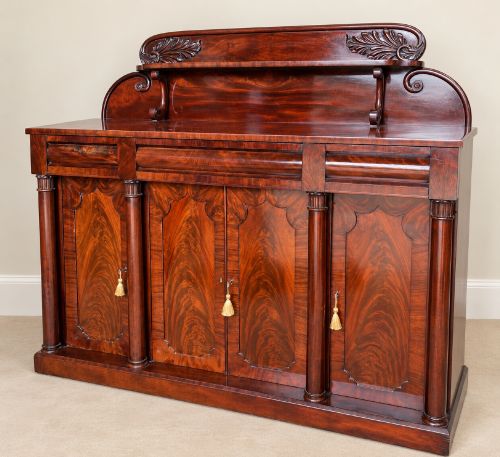
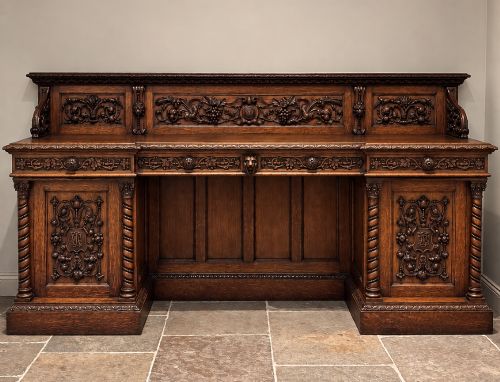
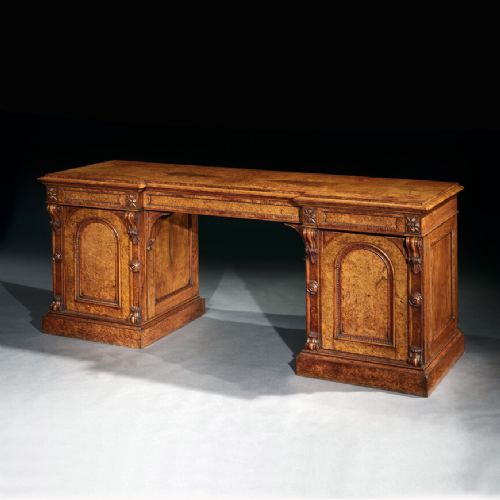
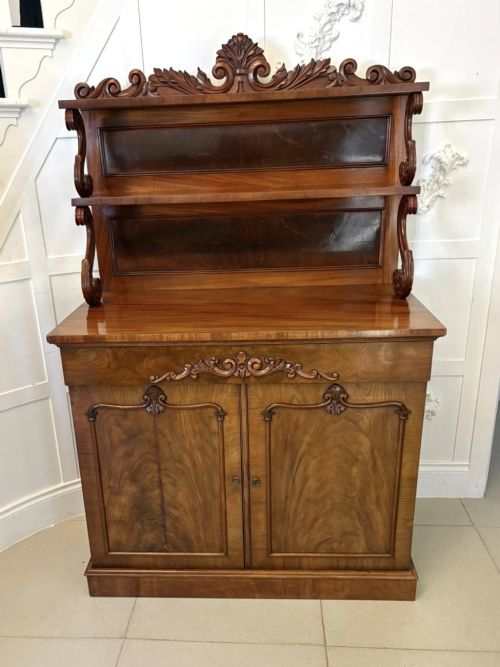
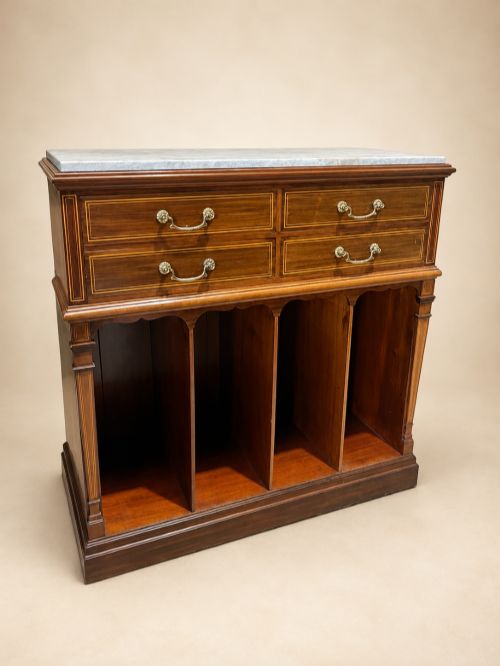
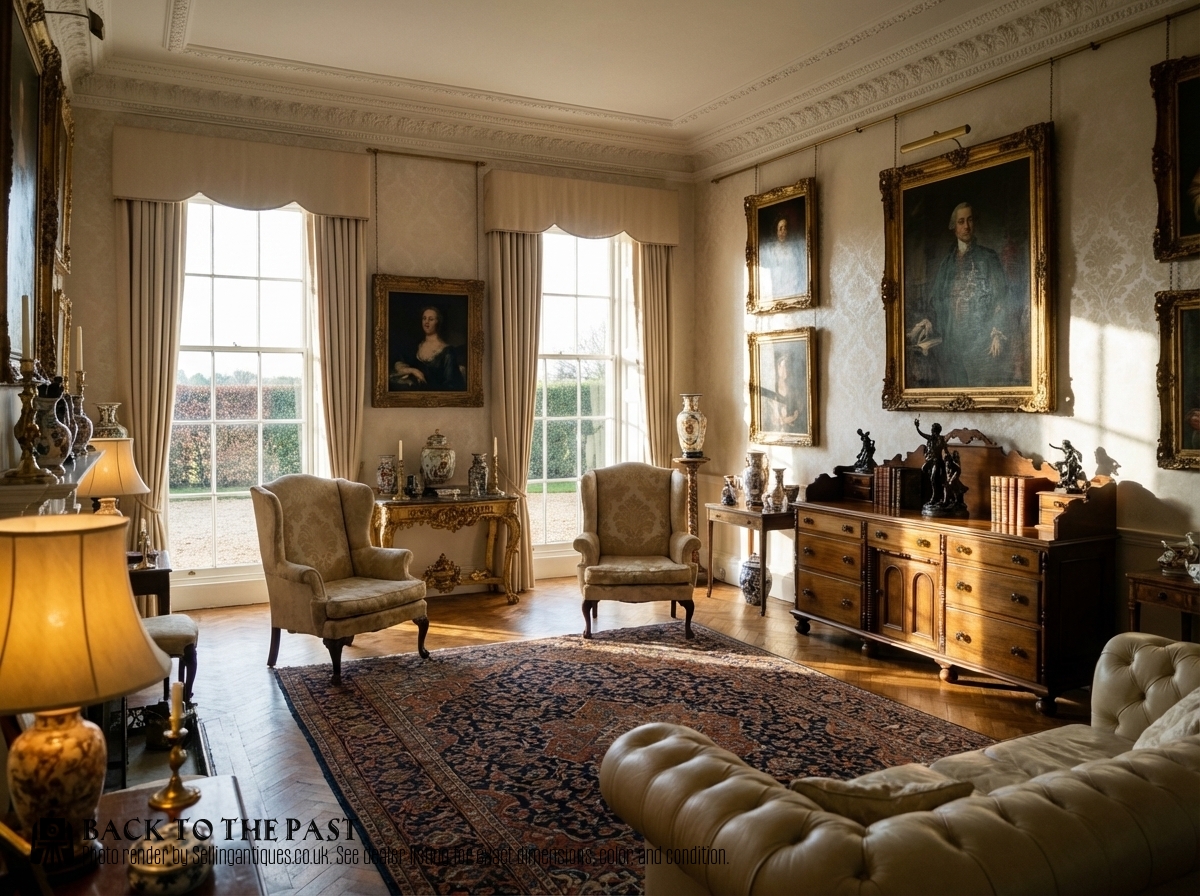
These Victorian server cabinet pieces are robust timber sideboards and chiffoniers built to anchor nineteenth century dining rooms.
What these pieces are
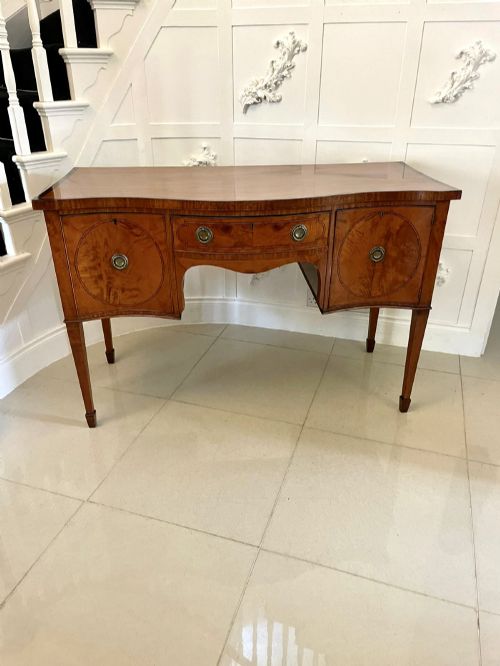
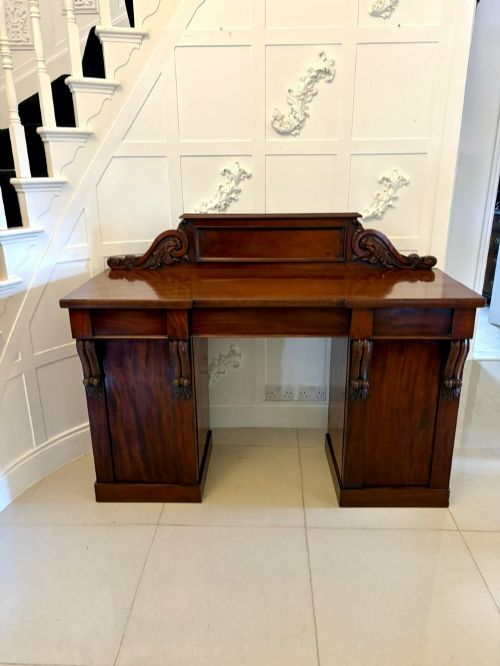
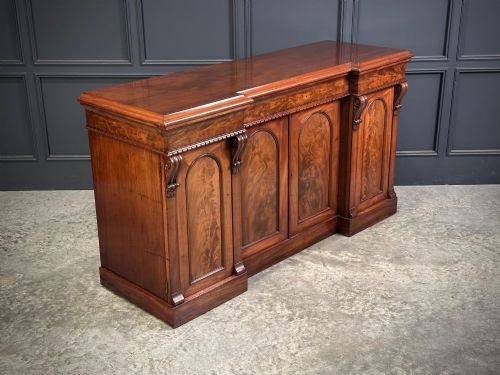
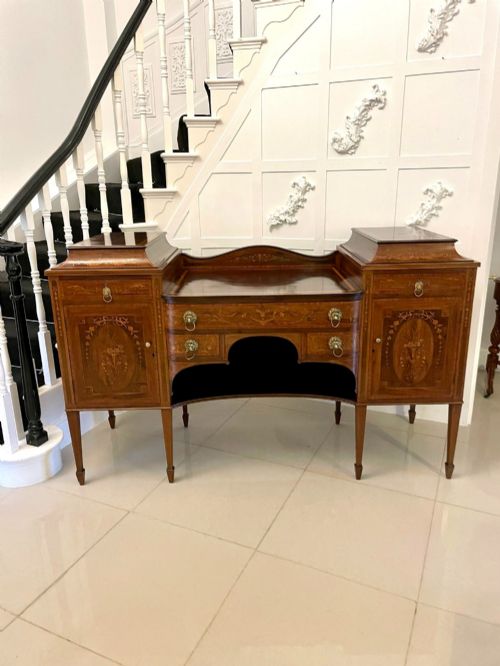
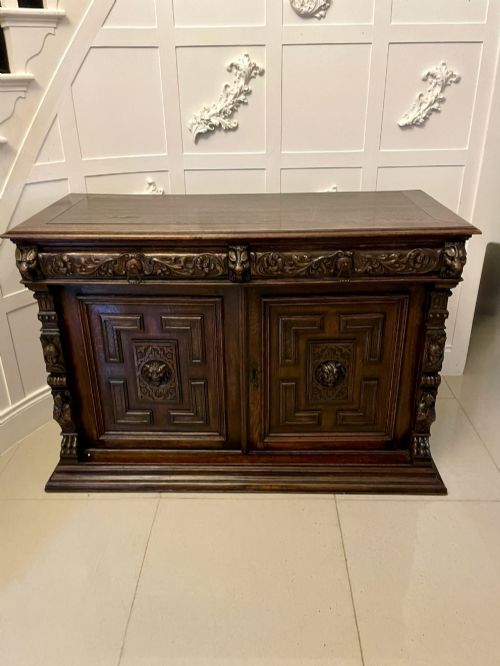
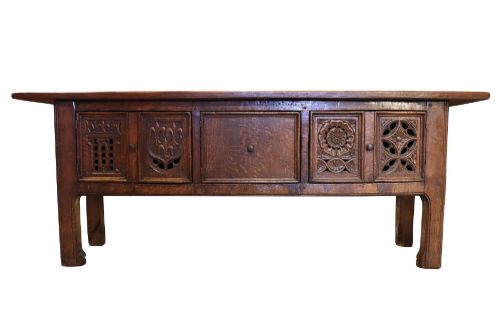
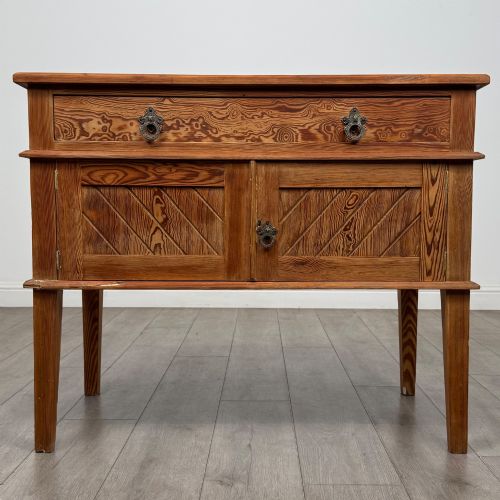
A Victorian server cabinet encompasses heavy timber sideboards, chiffoniers, buffet servers, and kitchen dressers originating from the nineteenth century. The listings on this page show pieces predominantly dated around eighteen sixty, eighteen eighty, and the broader Victorian period.
Buyers will most frequently encounter mahogany and flame mahogany veneer examples, alongside occasional palisander and rosewood pieces. These items serve primarily as dining room furniture designed for storage and display.
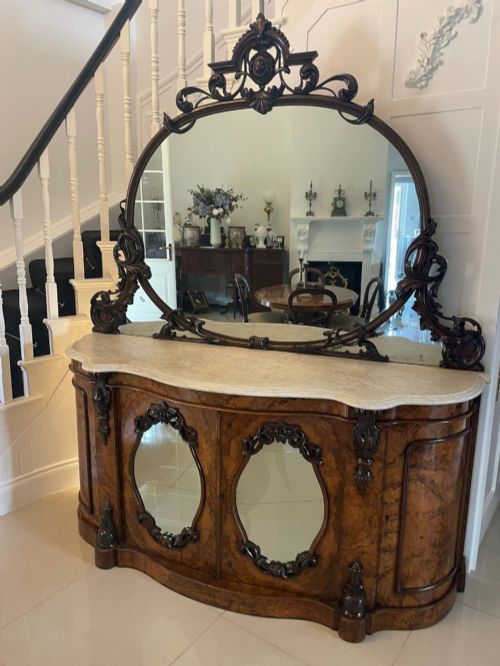
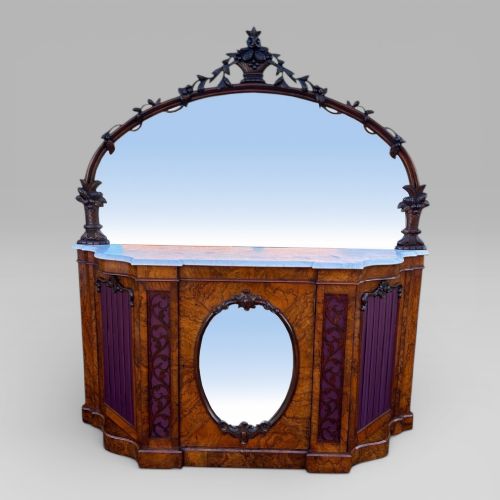
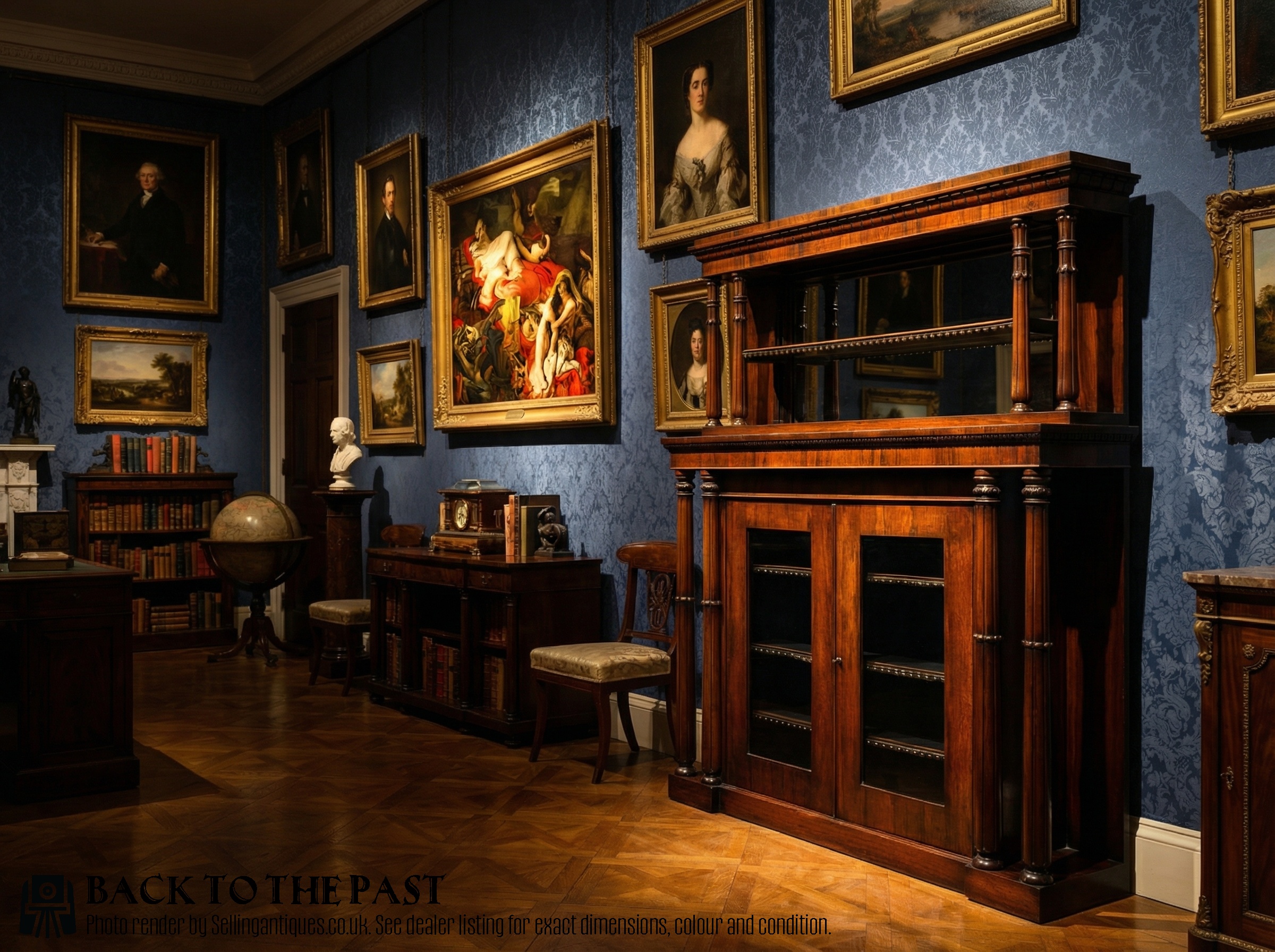
The forms range from petite chiffoniers to large breakfront pedestal sideboards and mirror-backed display cabinets. English vernacular and formal dining rooms provided the original settings for these substantial furniture items.
How they were made
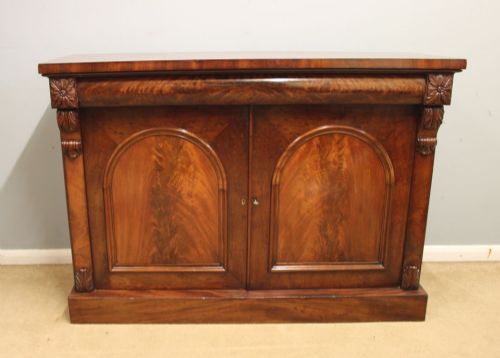
Cabinet makers utilised solid timbers alongside flame mahogany veneer applied to structural carcases. Surfaces often received a polished finish to highlight the natural grain patterns of the wood.
Assembly incorporated traditional joinery methods suited to heavy furniture, supplemented by fitted brass hardware. Glass panels and mirror backs were integrated into specific chiffonier and display formats.
Retail Price Guide 2026
Typical UK retail prices for victorian server cabinet, calculated from the Sellingantiques database of over a million retail prices indexed since 2003. This retail price guide relies exclusively on Sellingantiques data; no external sources or auction records are used, so the figures do not describe the wider market.
Kitchen dressers shared dining space with grand mirror-backed chiffoniers, proving Victorians liked a reflective surface with their dinner.
What varies in quality
The standard of timber selection and veneer matching dictates visual appeal across different examples. Subtlety in carved detail and the proportion of architectural elements separate ambitious workshop production from utilitarian pieces.
The integrity of original glass, mirror plates, and brass fittings influences the overall character of each cabinet. Heavier breakfront and pedestal designs demand greater structural competence from the maker than simpler petite forms.

The Victorian Server Cabinet Glossary
- Chiffonier
- A low sideboard or cabinet featuring shelves or a mirror back, frequently used in Victorian dining rooms for serving and storage. This form developed from earlier sideboard designs during the nineteenth century.
- Breakfront
- A piece of furniture where the central section projects forward from the flanking outer cabinets. This architectural arrangement creates depth and visual interest on larger sideboards.
- Flame mahogany veneer
- Thin slices of mahogany timber selected for a distinctive flamelike figure and applied to a secondary wood carcase. Cabinet makers arranged these veneers to produce symmetrical patterns.
- Pedestal sideboard
- A heavy dining room cabinet supported by two substantial column or cupboard pedestals flanking a central recess. These forms represent formal nineteenth century entertaining furniture.
- Palisander
- A dense, dark timber resembling rosewood, utilised for decorative veneer work on mid nineteenth century cabinets. Its rich colour added status to high-end domestic interiors.
Frequently Asked Questions
What is a Victorian server cabinet?
A Victorian server cabinet is a nineteenth century dining room storage piece, encompassing sideboards, chiffoniers, and buffet servers.
These items were constructed primarily from mahogany and rosewood to hold dining silver and linens.
How were these cabinets used?
Families used these cabinets in dining rooms to store tableware, serve food, and display decorative ceramics.
The upper surfaces and mirror backs provided a practical stage for hosting meals in Victorian homes.
How do I date a Victorian cabinet?
Dating relies on identifying stylistic markers, timber choices, and construction methods associated with the nineteenth century.
Pieces often bear specific period traits such as flame mahogany veneer or mirror-backed chiffonier superstructures.
Where did these cabinets originate?
These items originated in English workshops and dining rooms during the Victorian era and mid nineteenth century.
Craftsmen built them using traditional timber preparation techniques suited to domestic furniture production.