
Victorian Storage Cupboard
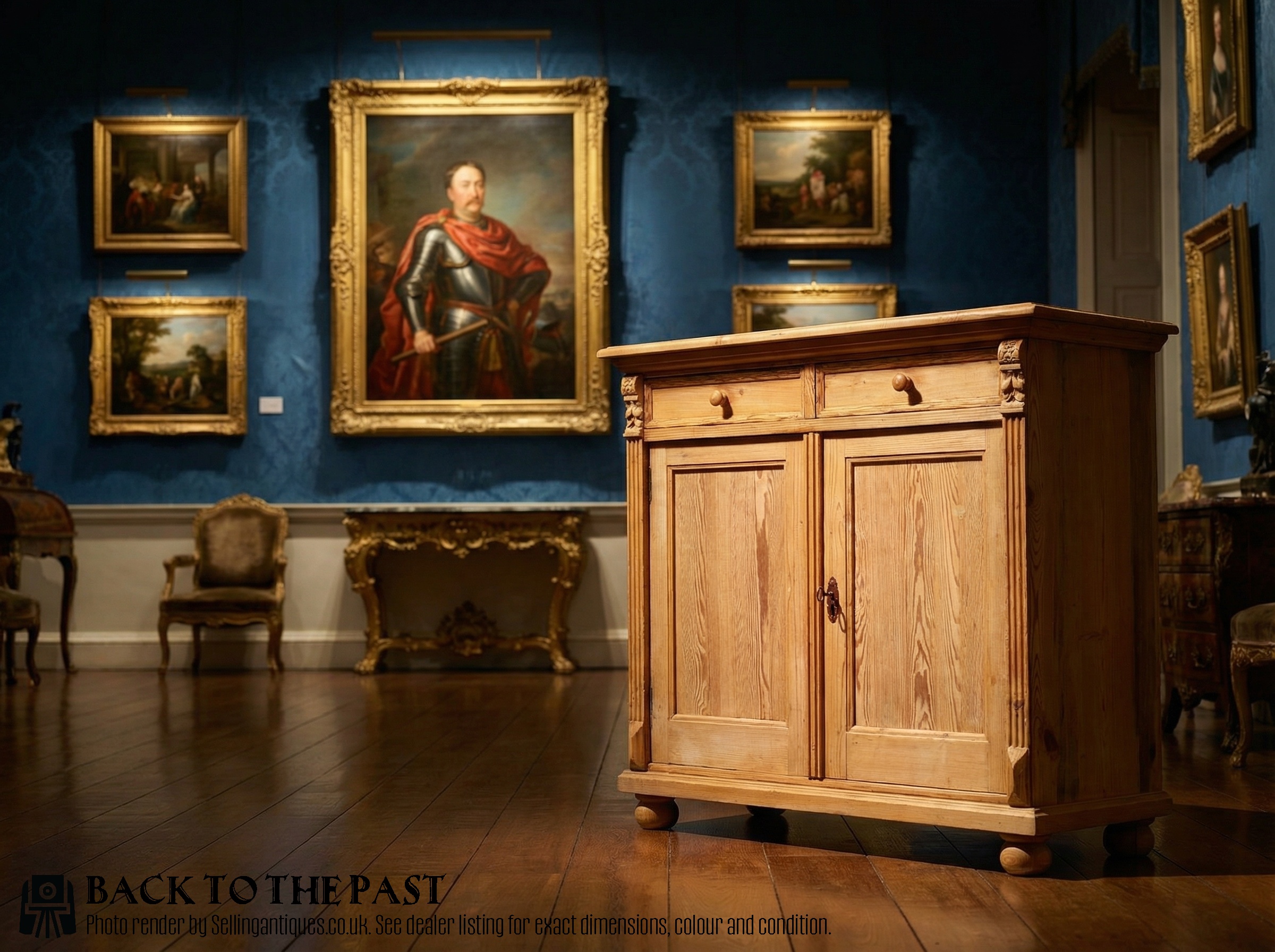
A victorian storage cupboard offers honest utility, bringing timber grain and historic proportions straight into a modern room.

Victorian storage cupboard forms and origins
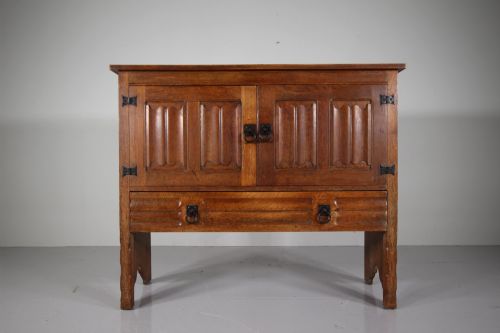
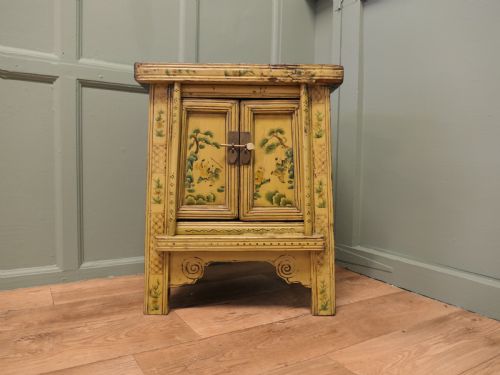
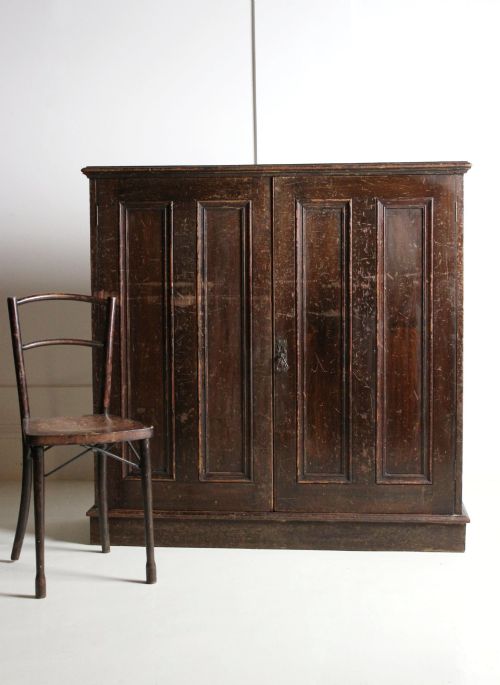
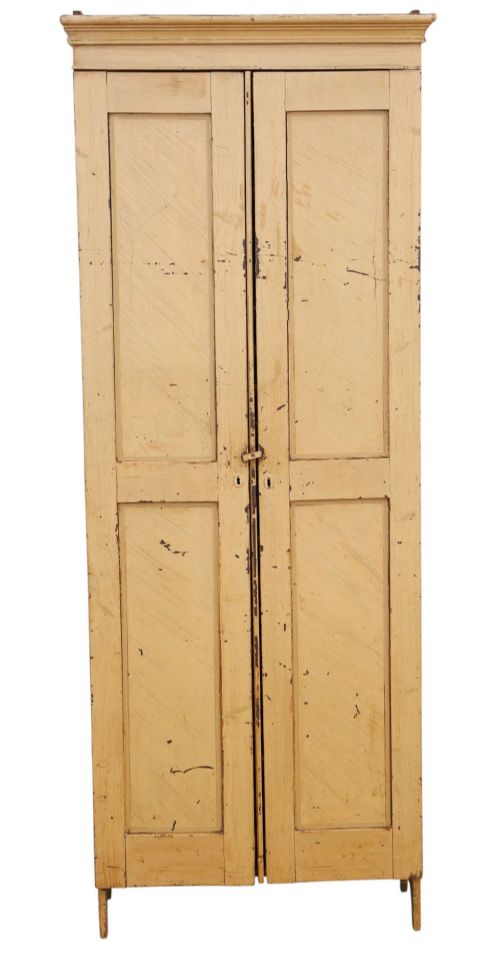
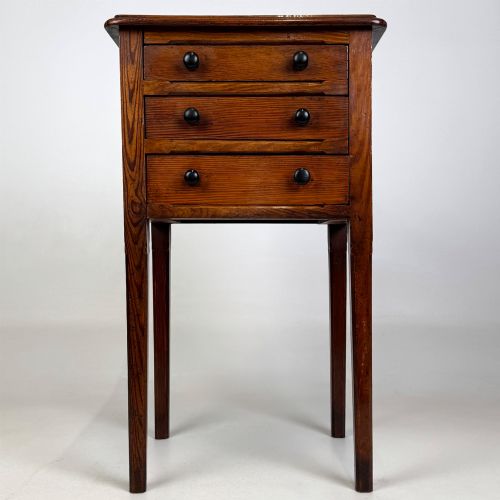
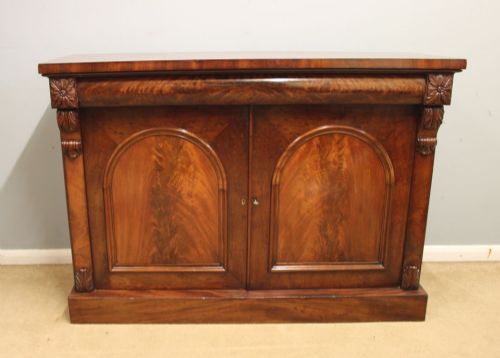
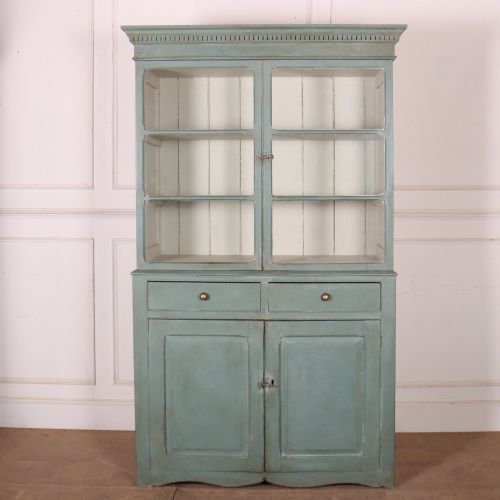
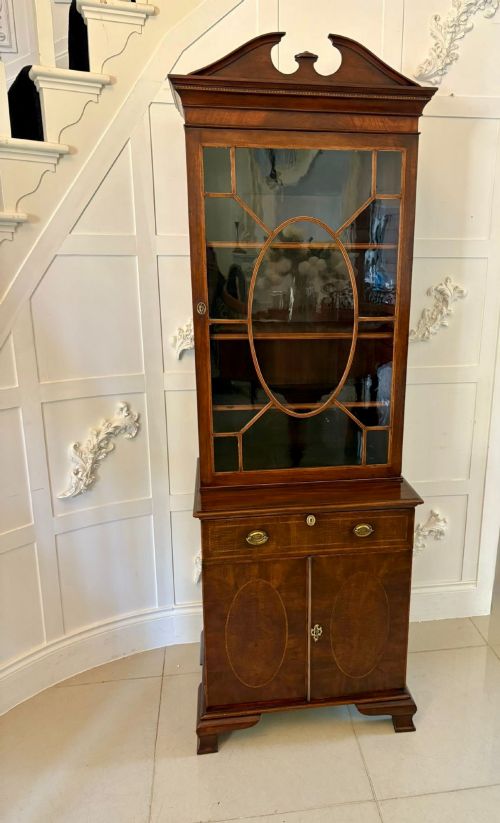
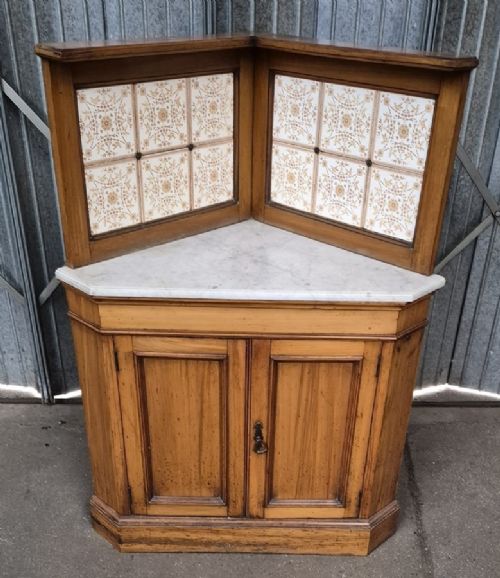
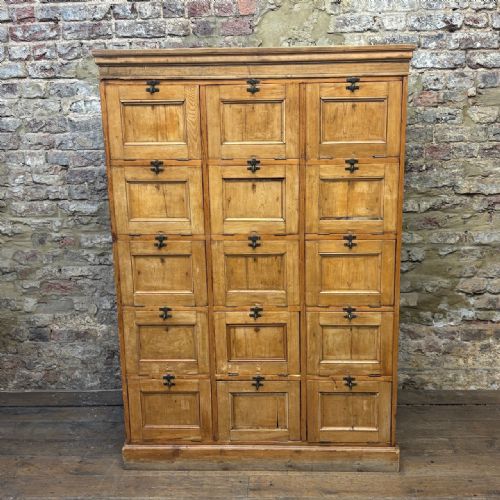
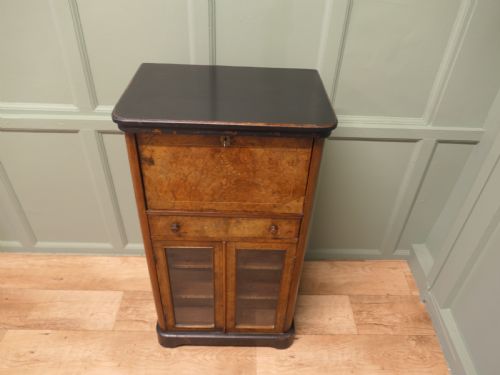
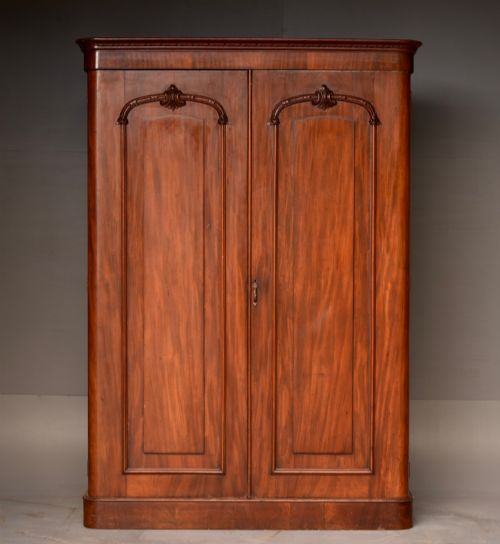
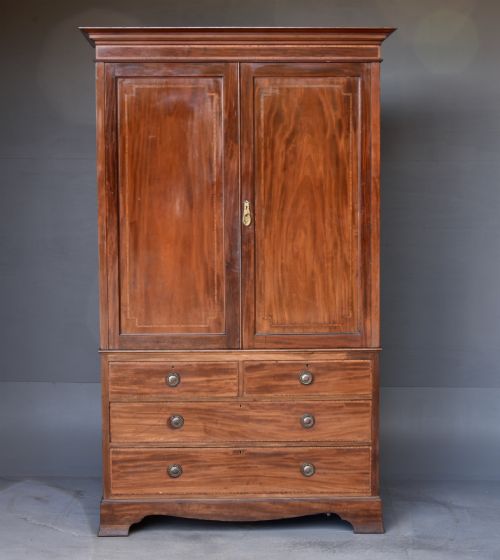
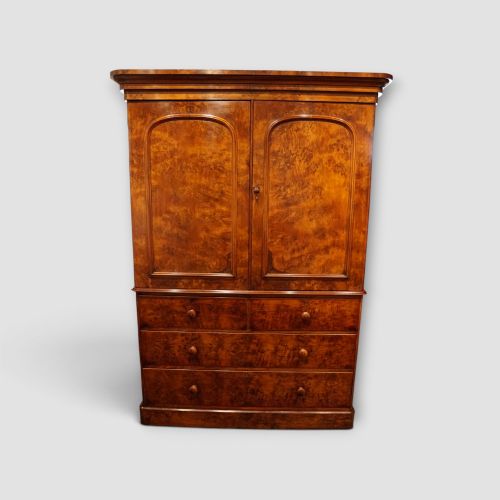
A victorian storage cupboard encompasses a diverse range of functional furniture, from stripped pine housekeepers' larders to polished mahogany and burr walnut linen presses. Buyers seeking this phrase encounter sturdy multi-door kitchen cabinets, narrow single-door cupboards, and shallow dresser bases designed to hold household linens or provisions.
The pieces emerge primarily from the Victorian era, though earlier Regency influences appear in low linen presses. Woods span from utilitarian pine, cedar, and pitch pine to cabinet timbers like rosewood, walnut, and burr walnut.
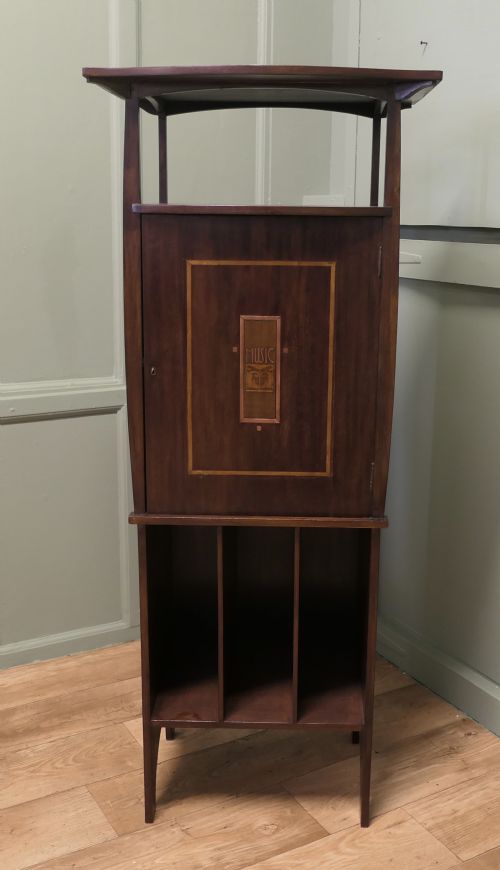
Forms vary significantly in scale, ranging from tall eight-panelled door larders to low, wide storage units and compact music cabinets. Buyers most frequently meet pine variations intended to be waxed or painted, alongside polished hardwood chiffoniers and cabinets equipped with drawers or drop-down doors.

Distinctions in quality
Quality in a victorian storage cupboard rests on the selection of timber and the integrity of the original construction. Dense pitch pine, figured burr walnut, and rich mahogany distinguish the higher end of the range from standard utilitarian softwoods.
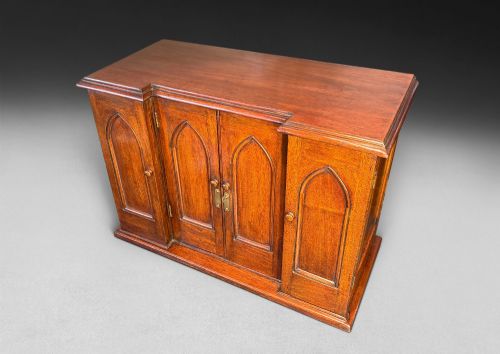
Proportion and scale dictate desirability, with well-balanced shallow depths, narrow footprints, and intact architectural details like arched doors or carved oak panels separating superior examples from plain utility pieces.
Retail Price Guide 2026
Typical UK retail prices for victorian storage cupboard, calculated from the Sellingantiques database of over a million retail prices indexed since 2003. This retail price guide relies exclusively on Sellingantiques data; no external sources or auction records are used, so the figures do not describe the wider market.
The site's listings demonstrate that pine is the most frequently encountered material, complemented by mahogany, walnut, burr walnut, and rosewood.
The Victorian Storage Cupboard Glossary
- Linen Press
- A tall piece of furniture featuring upper doors enclosing sliding trays or shelves, with drawers situated in the lower section. It was traditionally utilised for storing household linens flat.
- Chiffonier
- A low sideboard or cabinet developed during the nineteenth century, typically featuring enclosed storage below and sometimes a small shelf or back upstand above. These pieces suited smaller reception rooms for holding books or china.
- Dresser Base
- The lower section of a kitchen or dining room dresser, fitted with cupboards and drawers rather than open upper plate racks. They provided heavy-duty storage for culinary equipment.
- Pitch Pine
- A durable, resinous North American pine used by nineteenth-century makers for robust furniture construction. It exhibits a distinctively strong grain pattern.
- Burr Walnut
- A highly decorative veneer taken from the wart-like growths on walnut trees, prized for its swirling, intricate grain patterns on Victorian cabinet doors.
Frequently Asked Questions
How do I prep a pine cupboard?
Many pine cupboards arrive bare or previously stripped, requiring either a clear furniture wax applied with a cloth or a breathable chalk paint. Work the finish into the grain following the direction of the timber.
Allow the first coat to dry completely before buffing with a soft brush or cloth to achieve the desired sheen.
Where can I put a tall cupboard?
Tall narrow cupboards fit narrow hallways, alcoves, or utility spaces where floor area is restricted. Their vertical storage maximises capacity without crowding a room.
Ensure you measure ceiling height and door clearance before positioning these substantial pieces against a wall.
What is a linen press used for today?
Modern homes utilise linen presses for wardrobe overflow, storing folded jumpers, bedding, or towels within the sliding internal trays. The lower drawers accommodate smaller accessories.
In living areas, the internal space adapts well to conceal media equipment or household paperwork.
How do I tell pine from pitch pine?
Standard pine displays a softer, more uniform grain with lighter knot formations. Pitch pine contains a higher resin content, resulting in a heavier weight and a distinctively reddish-brown, highly figured grain.
Pitch pine pieces also tend to feel harder and resist minor dents more effectively than standard softwoods.