

Antique Rosewood Cupboard
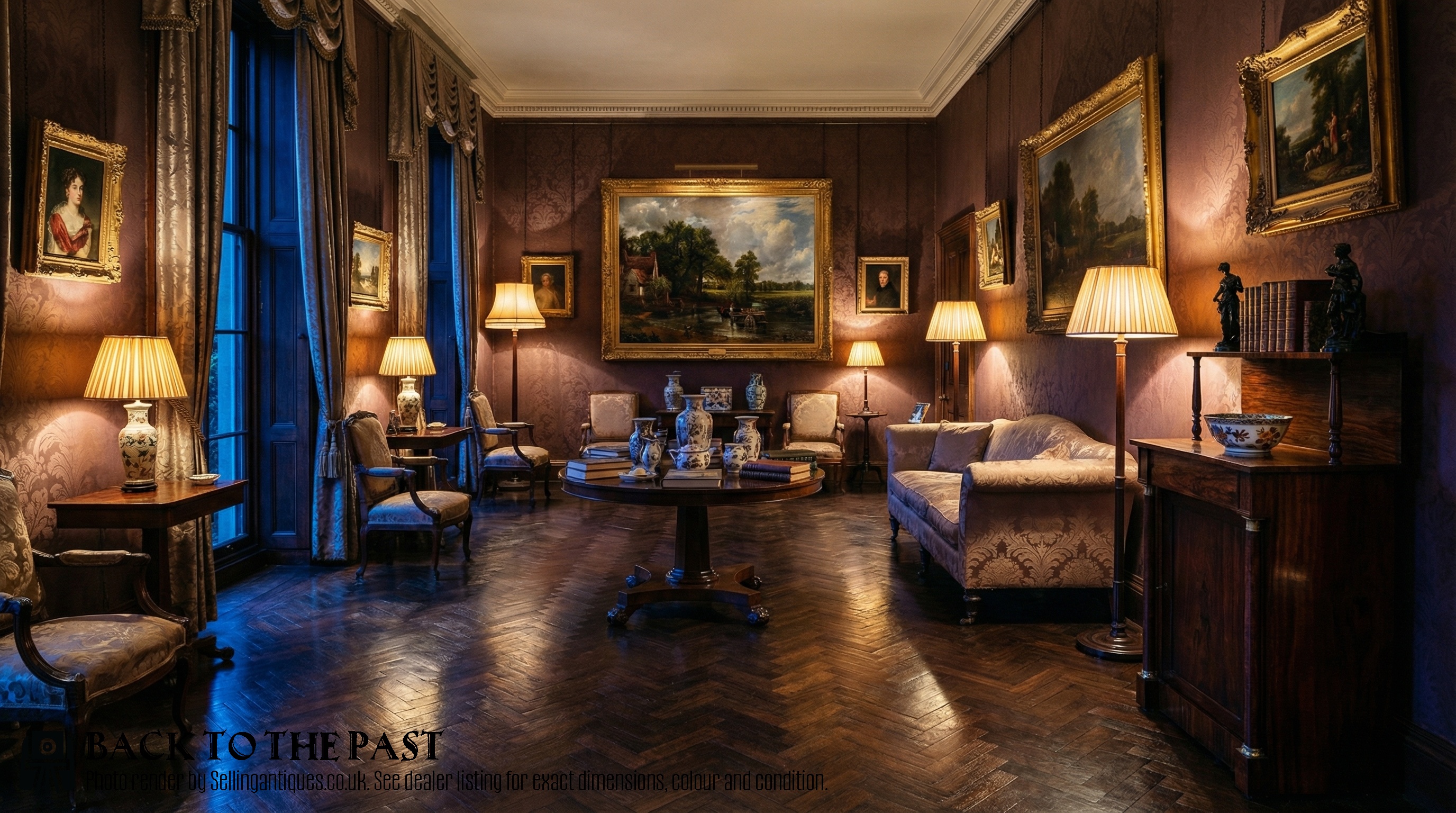
An antique rosewood cupboard brings dense, rich grain and solid nineteenth-century presence to a room.
Antique Rosewood Cupboard
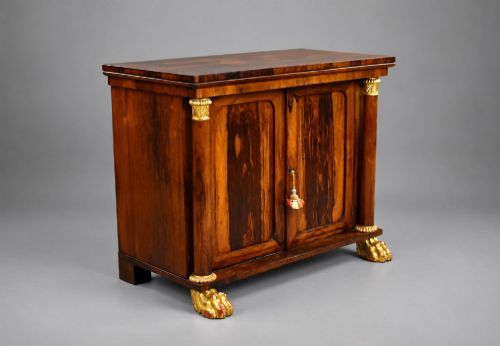
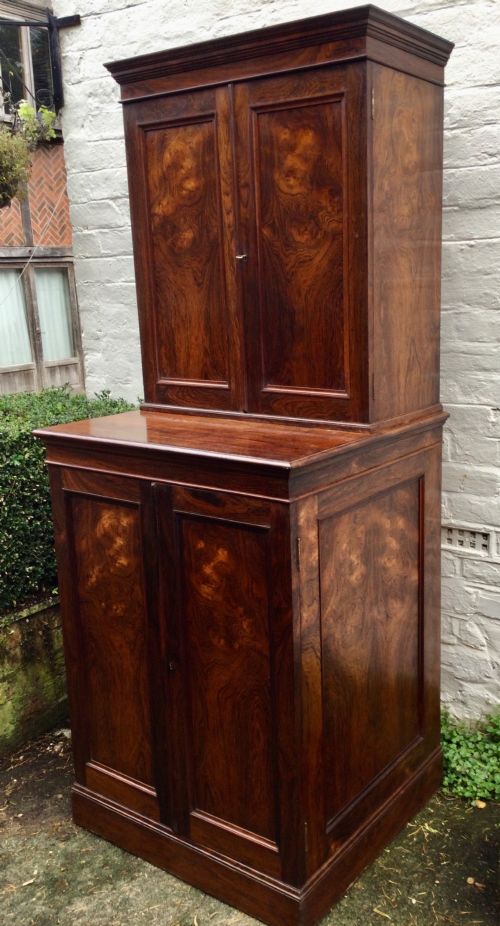
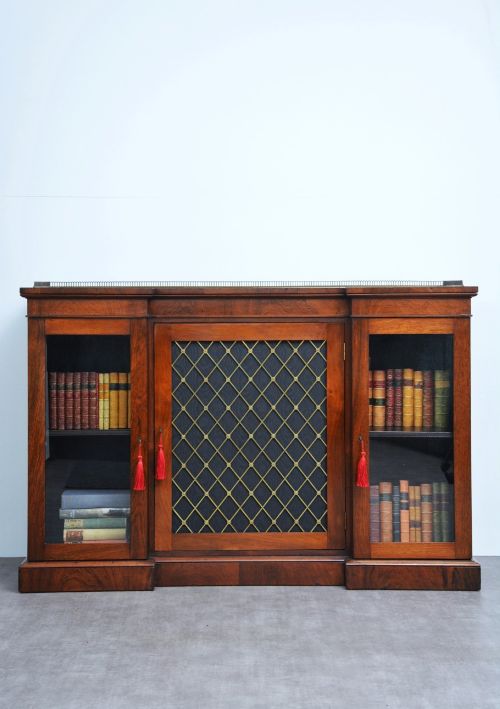
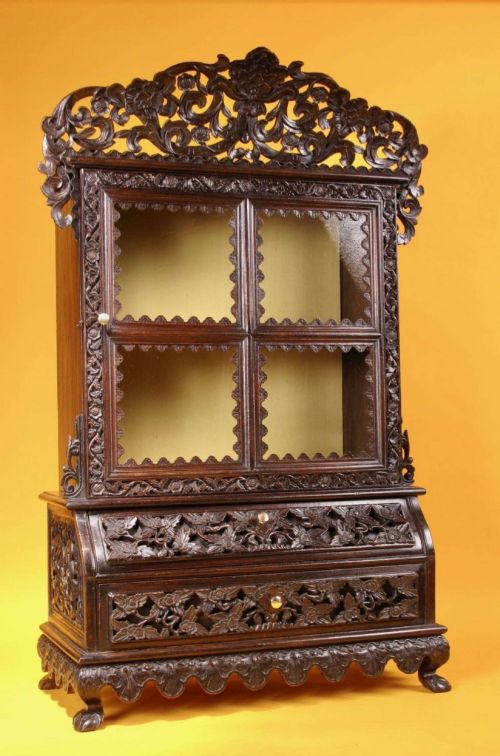
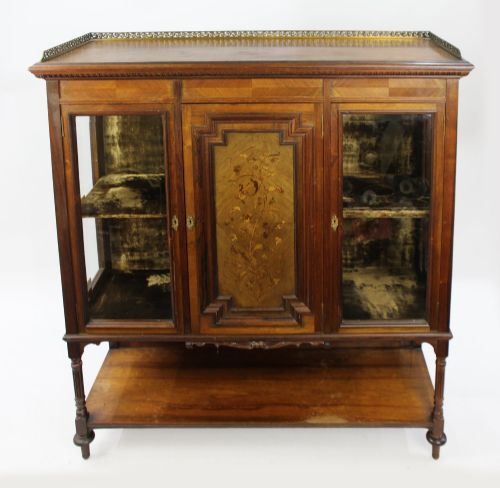
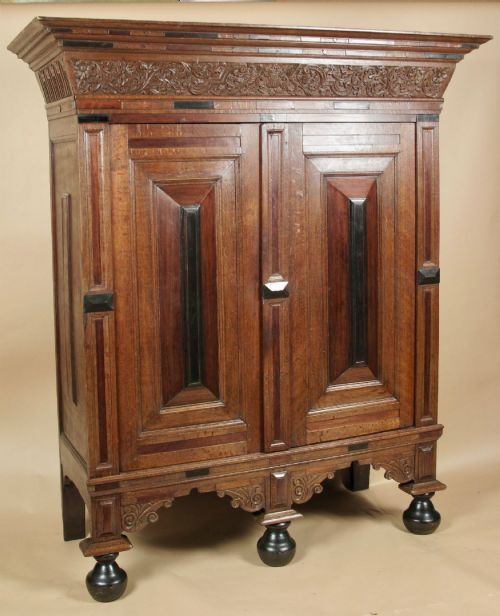
An antique rosewood cupboard encompasses formal side cabinets, low chiffoniers with panelled doors, and upright display pieces from the nineteenth century. Buyers inspecting this selection encounter Regency, Victorian, and William IV forms designed for refined storage.
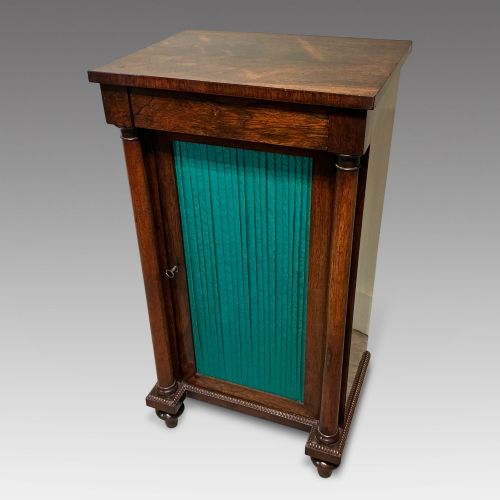
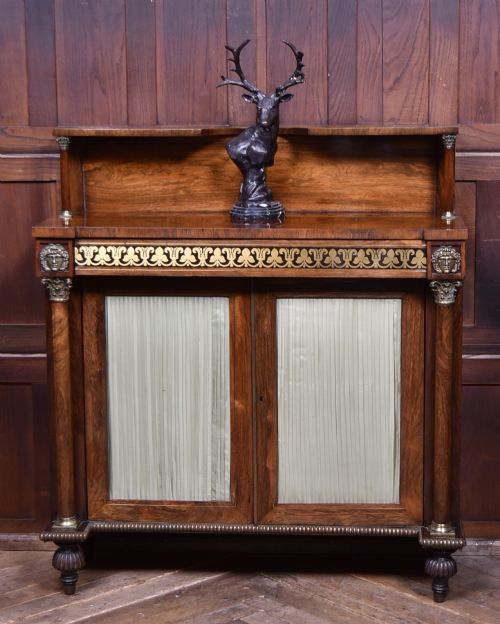
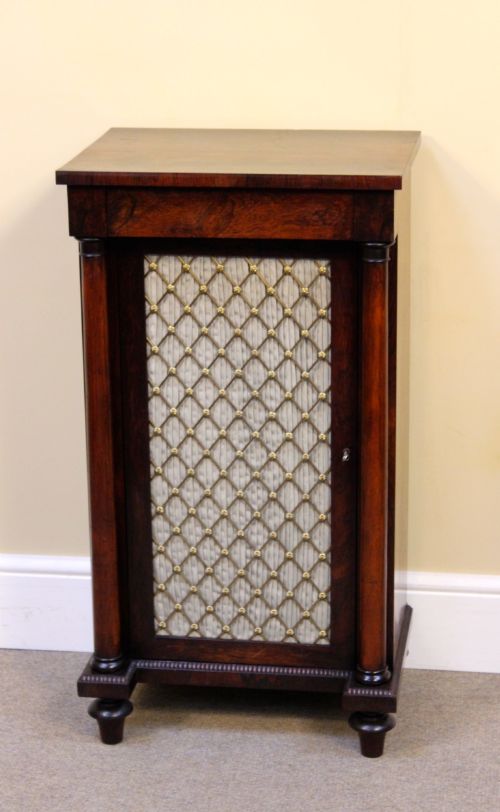
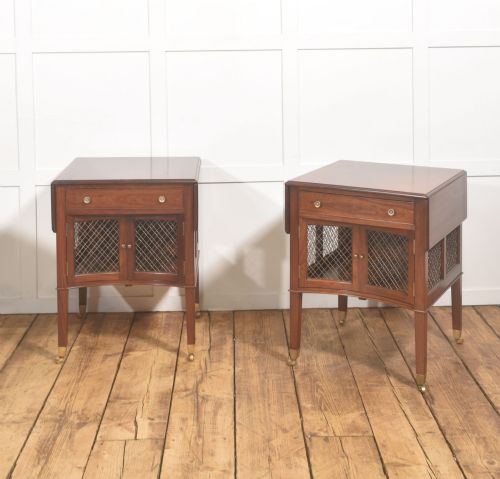
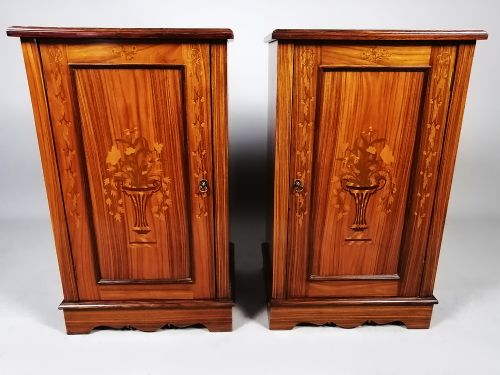
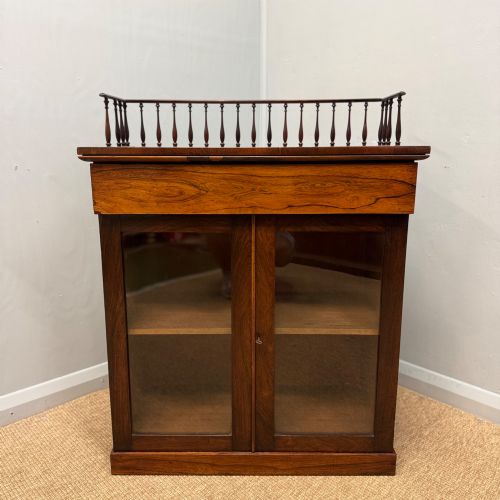
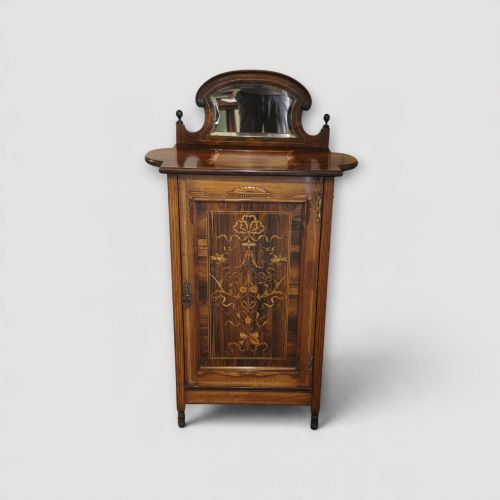
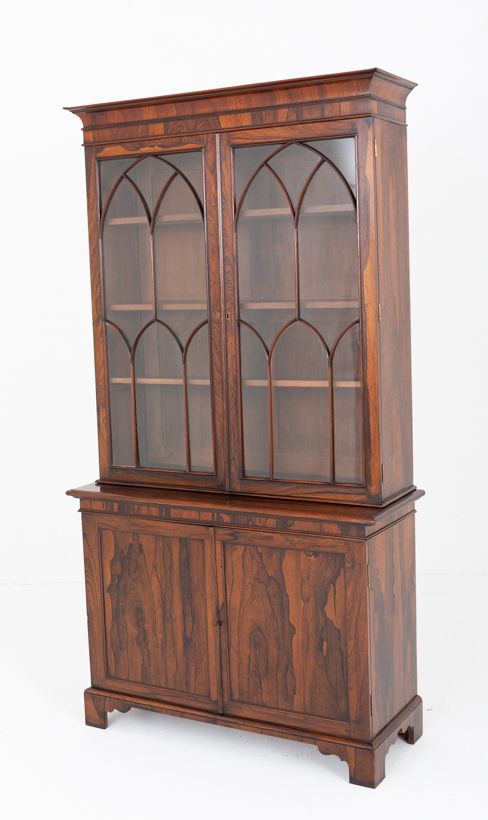
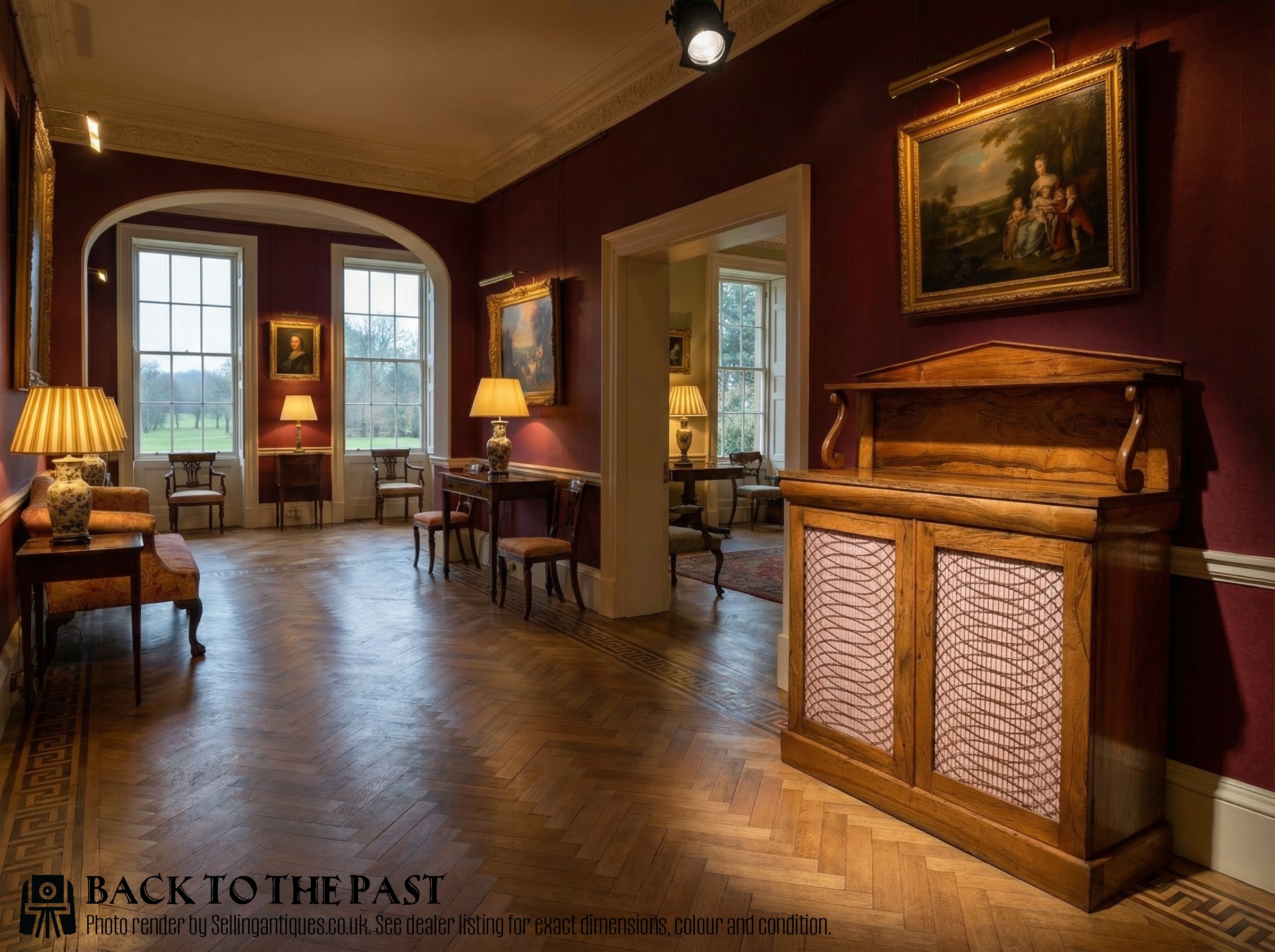
The prevailing form on this page is the chiffonier, alongside bedside pedestals and glazed bookcases. These pieces reflect the varied domestic requirements of the 19th century, blending enclosed shelf space with display surfaces.
How they were made
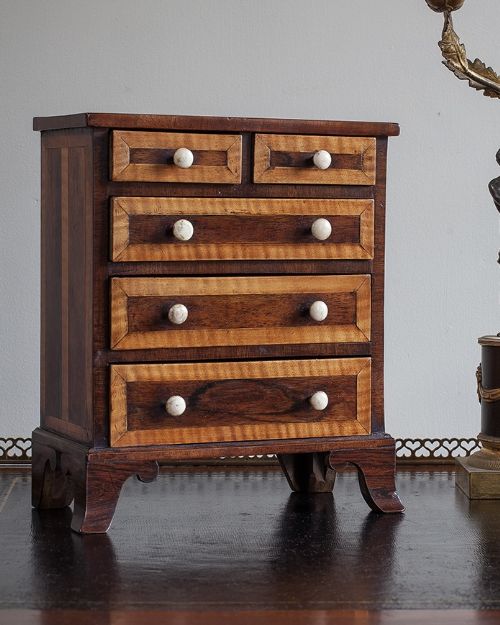
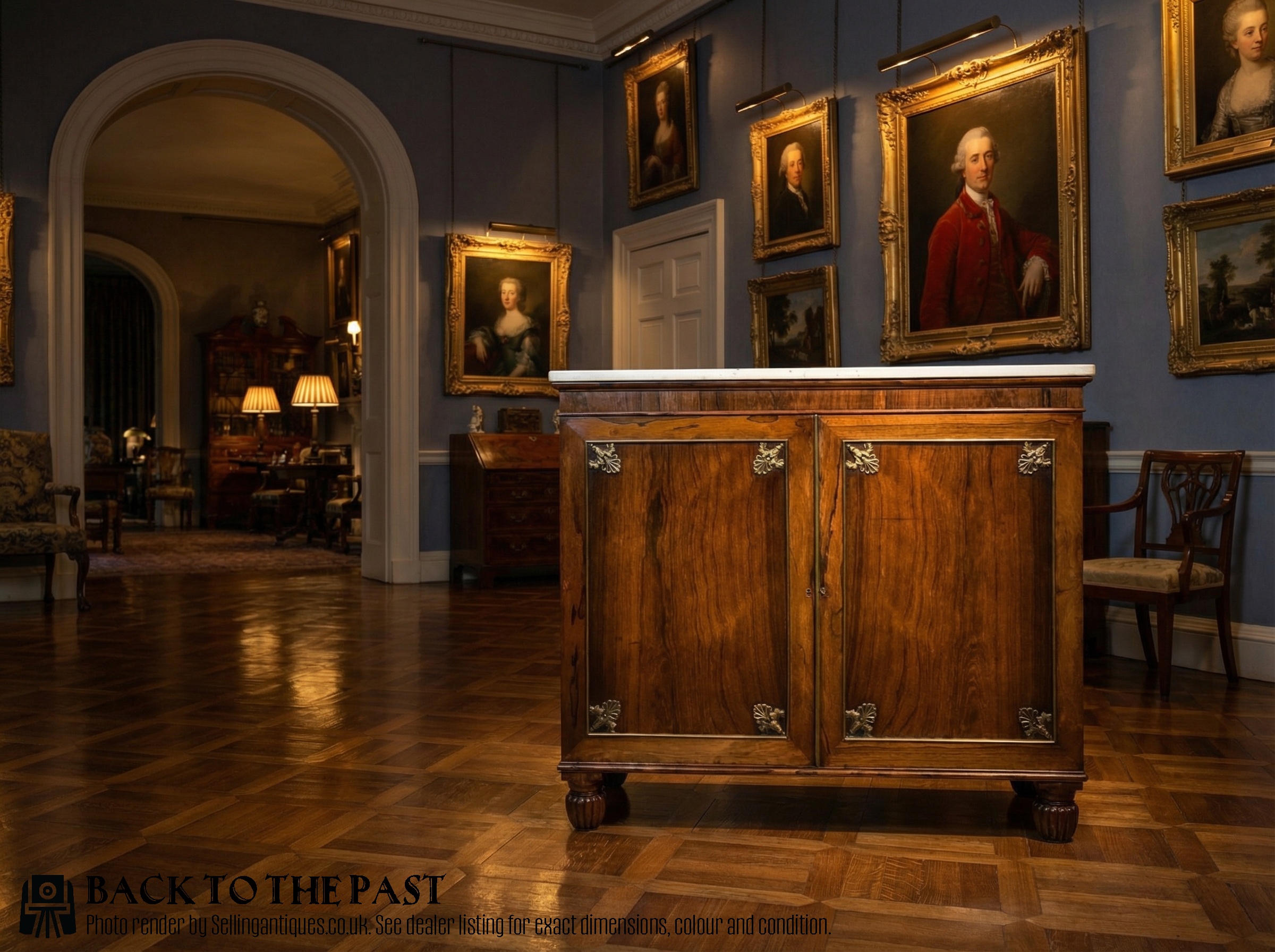
Cabinet makers utilised dense rosewood timbers, often applying veneers to stable secondary woods to showcase dramatic grain patterns. Crossbanding in satinwood or mahogany frequently frames the primary surfaces.
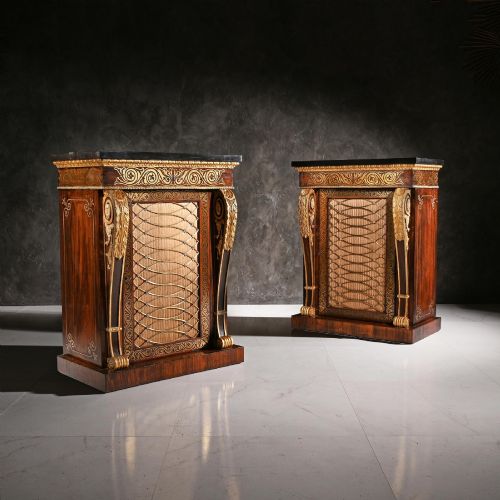
Brass inlay, ormolu mounts, and glazed panels integrate with the timber structure. Structural hardware such as brass handles and mounts secure the doors and drawers of these cabinets.
Antique Rosewood Cupboard Retail Price Guide 2026
Typical asking prices for rosewood cupboard among the pieces listed under this phrase on Sellingantiques today, from the lower quarter to the upper quarter. They describe what is for sale here now, not the wider market.
Some cabinets disguise their function entirely, masquerading as music stands or diminutive pot cupboards for the Victorian bedroom.
What varies in quality
The refinement of the timber selection dictates the visual impact, with figured grain and precise marquetry setting apart the superior examples. The crispness of carved details and the integration of brass or satinwood inlay reveal the maker's hand.
Structural integrity depends on the stability of the carcass and the retention of original glass, marble tops, and internal shelving. Pieces retaining their original finish and authentic mounts hold greater historical coherence.
Louis Constantin Le Gaigneur·Holland and Sons
The Antique Rosewood Cupboard Glossary
- Chiffonier
- A low cabinet originating in the Regency period, typically featuring enclosed shelving below and a raised superstructure or mirrored back above.
- Marquetry
- The art of forming decorative patterns on a wooden carcass using thin veneers of different coloured woods and contrasting materials.
- Ormolu
- Gilt bronze mounts applied to furniture to decorate corners, feet, and door panels during the Regency and Victorian eras.
- Crossbanding
- A narrow strip of veneer applied around the border of a panel, arranged so the grain runs at right angles to the central field.
- Pier cabinet
- A narrow upright cabinet designed specifically to stand against the wall space between windows.
Antique Rosewood Cupboard: Frequently Asked Questions
Where were these cupboards placed?
These pieces served multiple domestic functions, standing in principal reception rooms to store linens, books, or tableware. Chiffoniers and side cabinets often occupied dining rooms and parlours.
Bedside versions provided compact enclosed storage in sleeping quarters. Glazed display cabinets showcased valued possessions in drawing rooms.
How do I date a rosewood cabinet?
Dating relies on stylistic markers and structural clues. Regency and William IV pieces display classical restraint or bold architectural proportions, whereas Victorian examples introduce heavier carving and satinwood inlay.
Secondary woods and construction methods further clarify the period of manufacture, aligning with the recorded dates spanning from the seventeenth to the early twentieth century.
Are marble tops original?
Marble tops frequently appear on nineteenth-century chiffoniers and side cabinets. They provided a durable, decorative surface for serving or displaying objects.
Presence of marble indicates high status and specific domestic use, particularly within Regency and Victorian schemes.
How do I care for rosewood?
Rosewood benefits from stable environmental conditions away from direct heat sources and strong sunlight. Maintaining moderate humidity prevents the timber and underlying veneers from splitting.
Dusting with a dry, soft cloth preserves the polish. Avoid modern silicone polishes that degrade historic finishes over time.