

Regency Rosewood Credenza
A regency rosewood credenza brings rich timber and brass detail to a room, offering low storage with a formal silhouette.
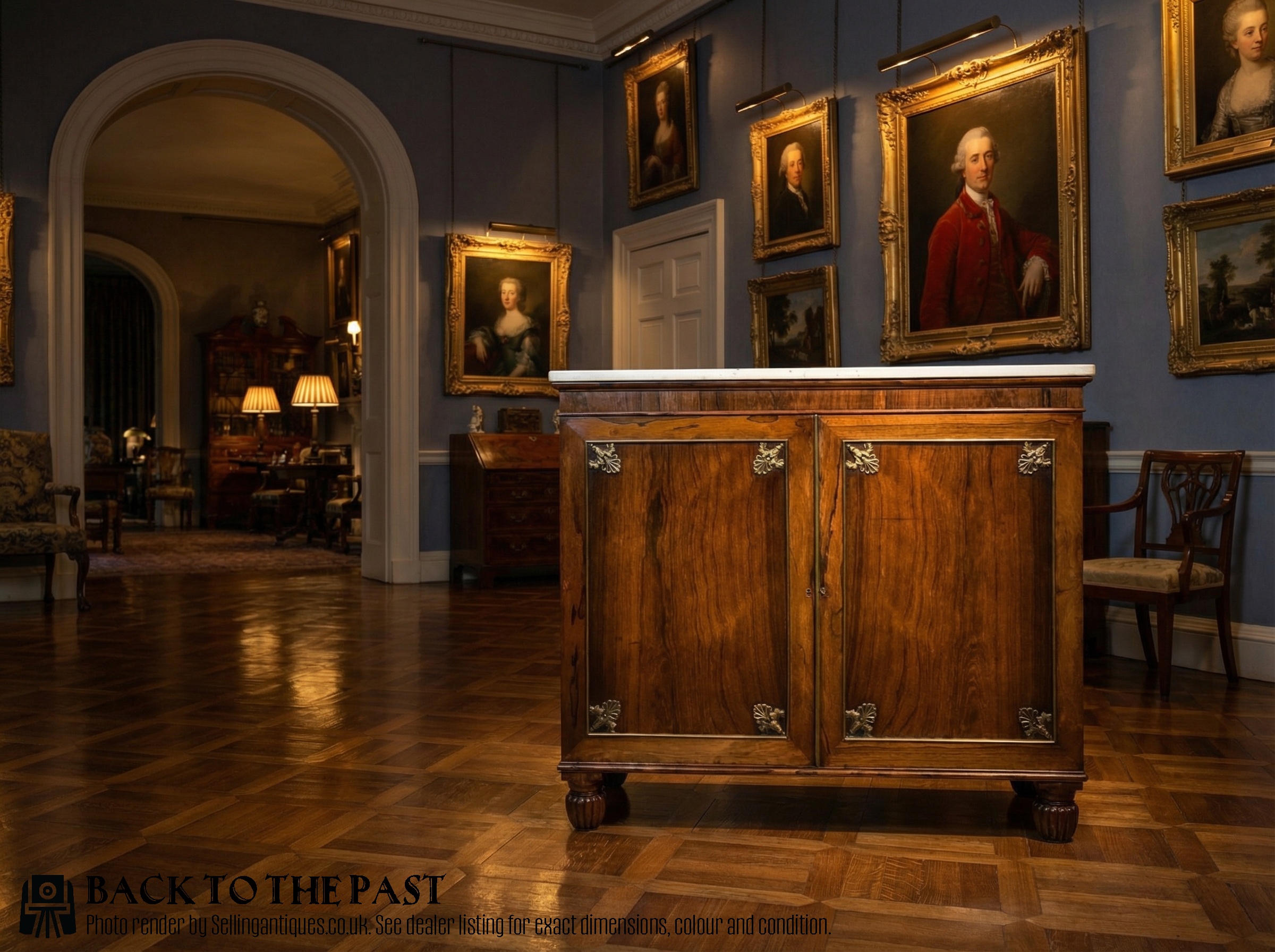
Regency Rosewood Credenza
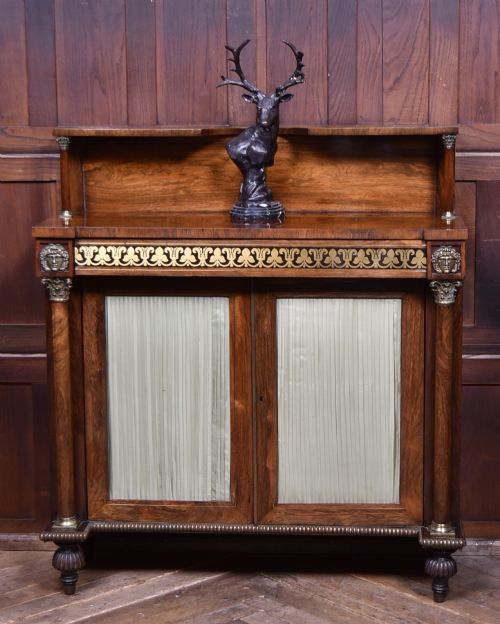
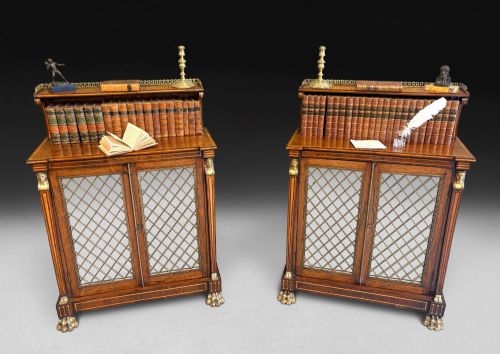
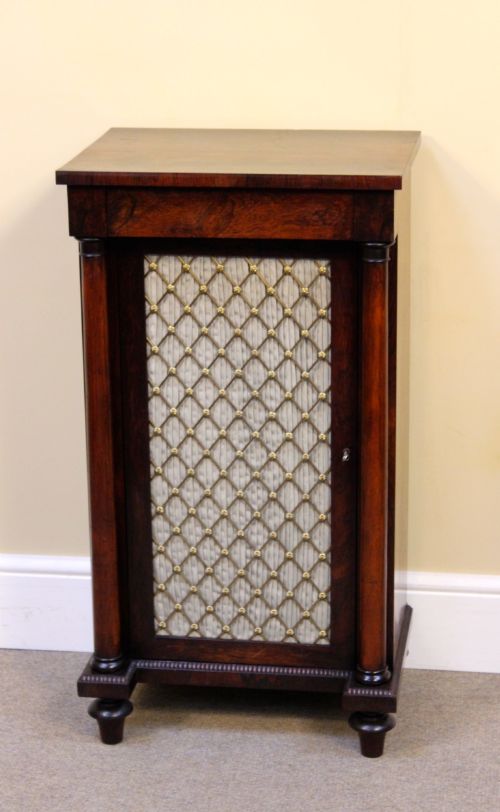
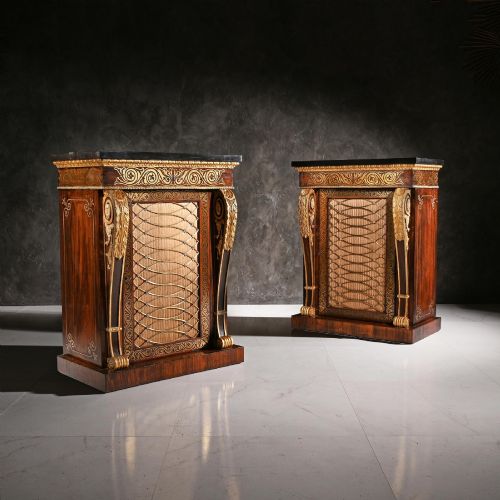
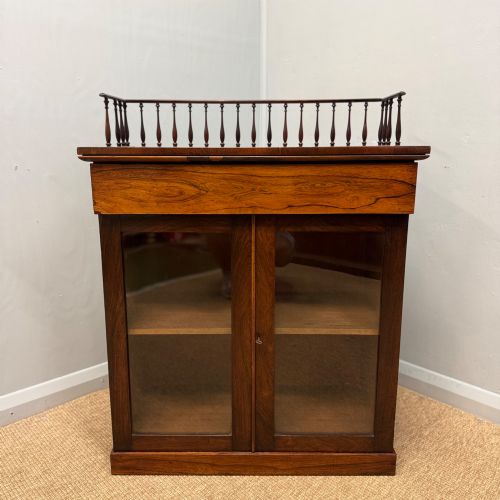
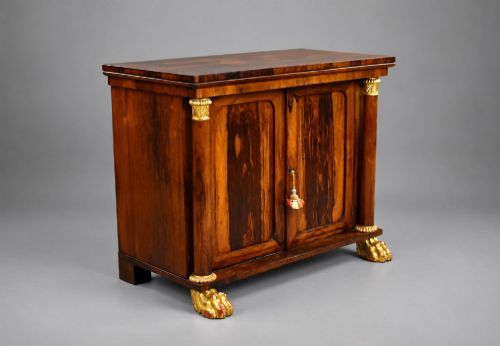
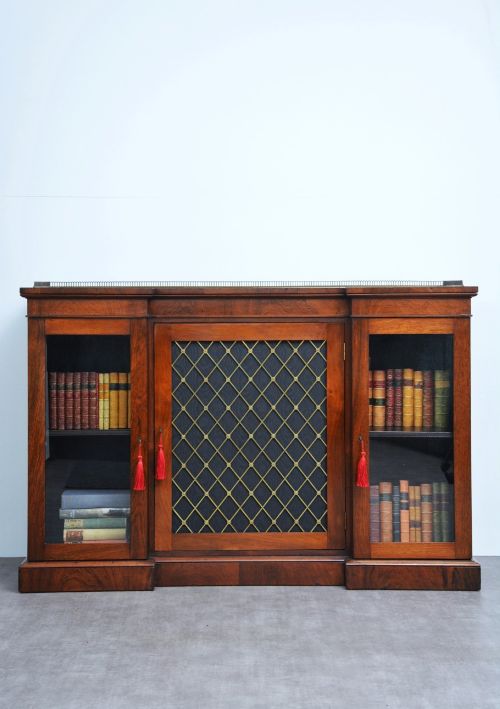
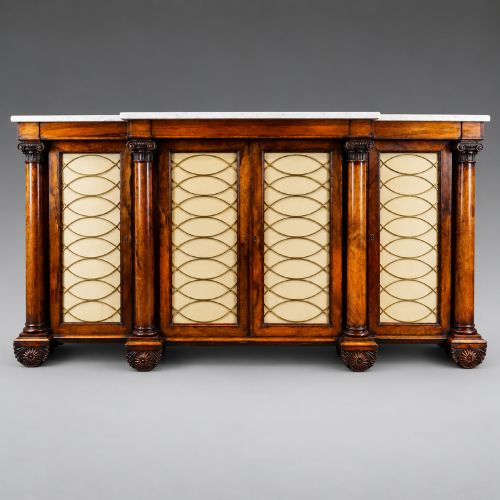
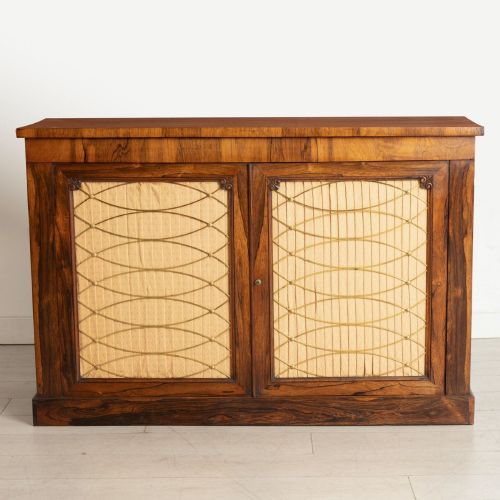
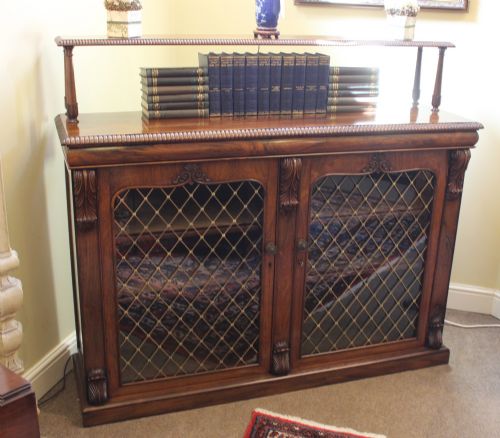
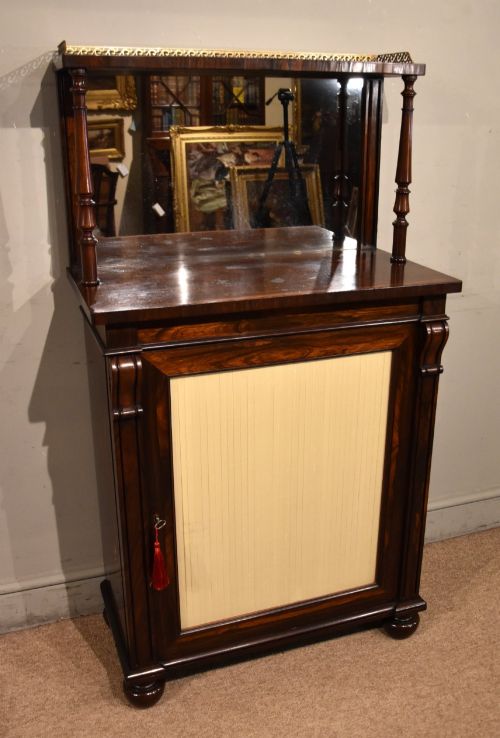
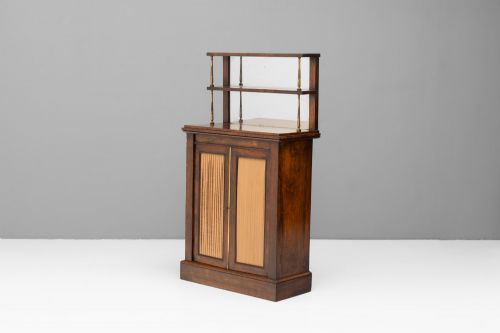
When you search for a regency rosewood credenza, you encounter a selection of low furniture forms designed for display and storage in formal reception rooms. The pieces appearing here span related functional types rather than a single rigid design, most notably chiffoniers, side cabinets, open bookcases, and console tables.
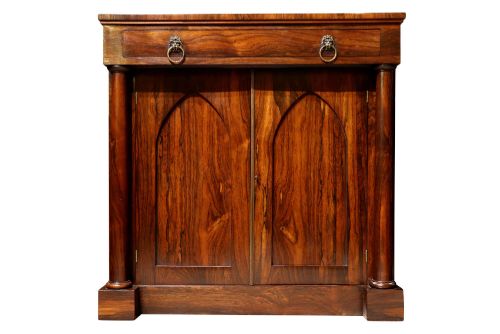
The material identity is dominated by rosewood, sometimes simulated in paint on pine or paired with goncalo alves, alongside related nineteenth-century iterations. Chronologically, the selection reaches from the Georgian and Regency periods through William IV and into the mid nineteenth century, reflecting classic neoclassical and revival tastes.
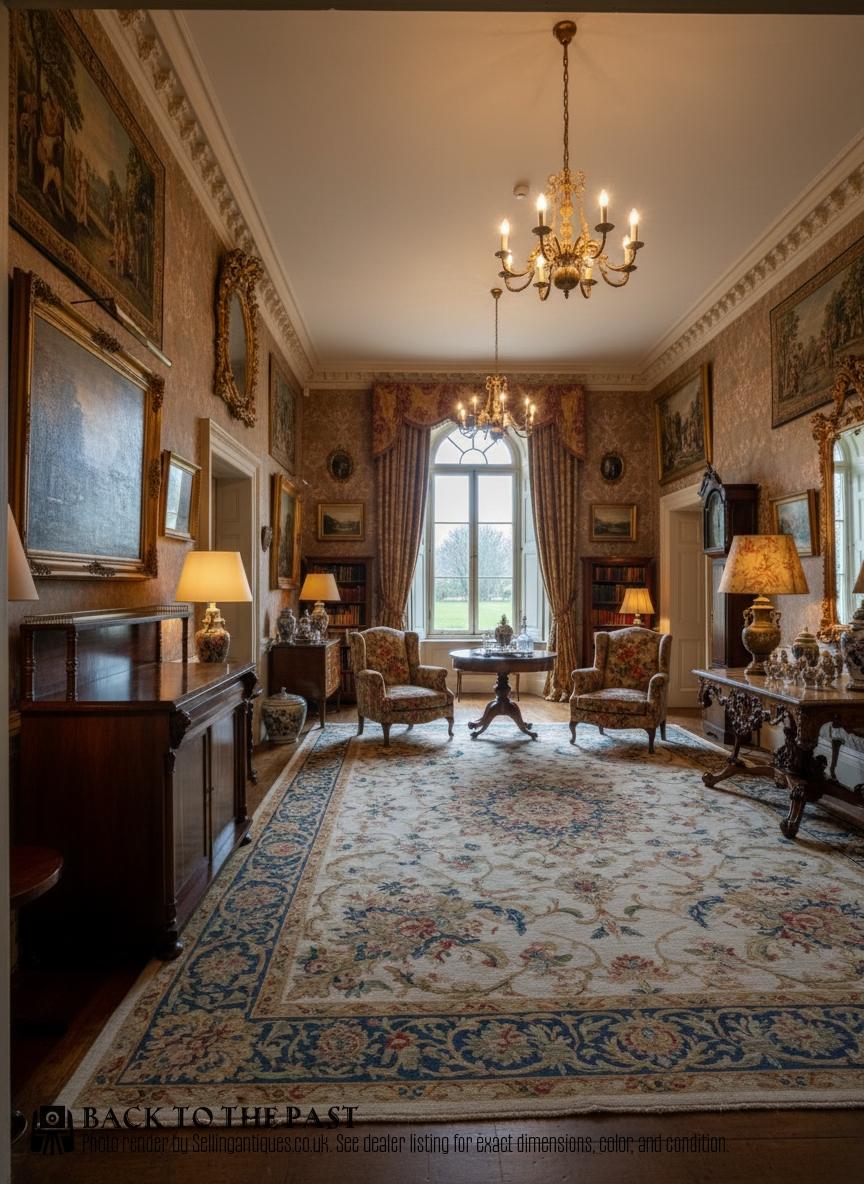
What varies in quality
The standard of execution rests on the crispness of the brass inlay, the selection of timber grain, and the integrity of the original mounts. Pieces attributed to prominent workshops display finer proportions and more intricate brass work than standard commercial production.
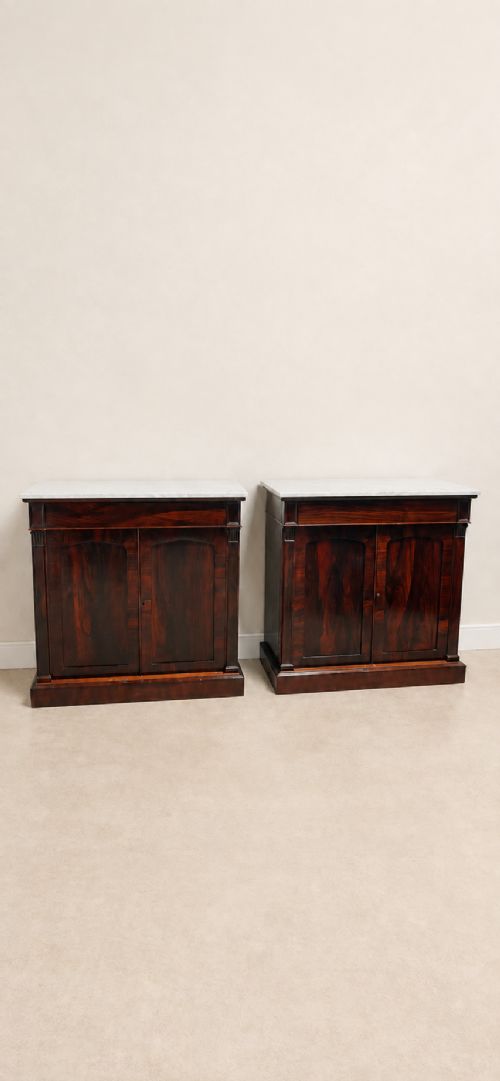
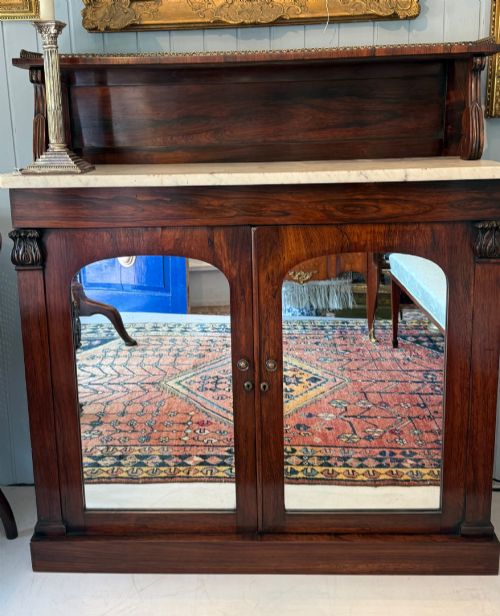
Survival of original surface finishes and companion elements, such as matching mirrors or paired cabinets, elevates the standing of an individual piece within the period.
Regency Rosewood Credenza Retail Price Guide 2026
Typical asking prices for regency rosewood credenza among the pieces listed under this phrase on Sellingantiques today, from the lower quarter to the upper quarter. They describe what is for sale here now, not the wider market.
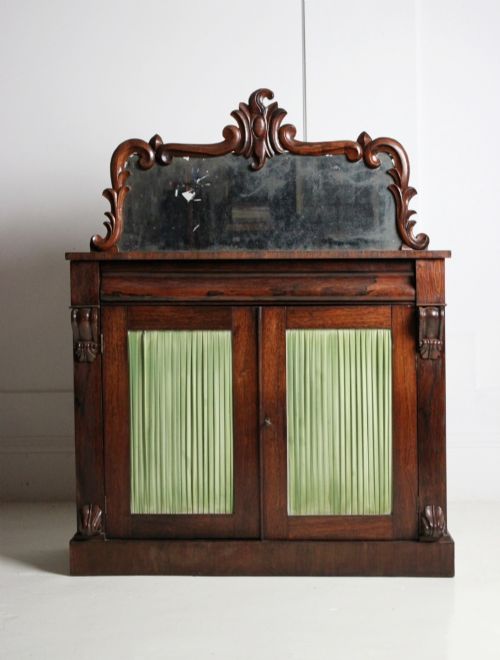
Some nineteenth century side cabinets arrived with pleated fabric behind their glass doors to hide the clutter of polite society.
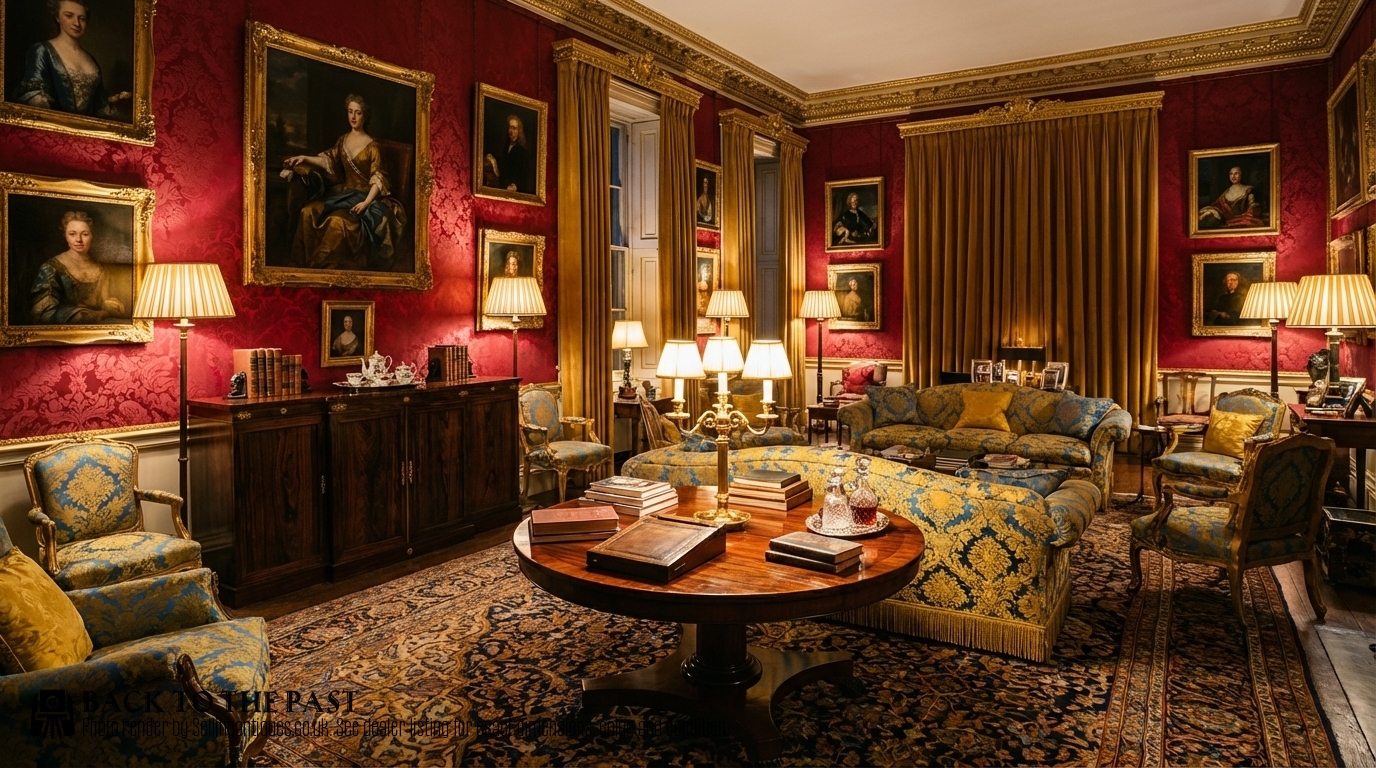
Louis Constantin Le Gaigneur·Gillows
The Regency Rosewood Credenza Glossary
- Chiffonier
- A low cabinet featuring shelving or enclosed storage beneath, often fitted with fabric panel doors in the nineteenth century. It served as a functional side piece in dining and drawing rooms.
- Ormolu
- Gilded bronze used for decorative mounts, feet, and linear highlights on furniture. The technique involves applying finely ground gold mercury amalgam to bronze.
- Goncalo alves
- A dense exotic hardwood with striking contrasting grain patterns, utilised as an alternative timber in cabinet making. It shares the heavy, durable qualities of rosewood.
- Breakfront
- A piece of furniture whose central section projects forward from the flanking wings. This architectural form creates depth and shadow on side cabinets.
Regency Rosewood Credenza: Frequently Asked Questions
What is a regency rosewood credenza used for?
These low cabinets functioned primarily as side pieces for serving food, displaying porcelain, or storing books in principal rooms.
Their surface tops also held decorative lamps, clocks, and bronzes, adding both utility and formal presence to interiors.
How do I distinguish Regency from William IV pieces?
Regency pieces tend to display lighter, more restrained neoclassical lines with delicate brass inlay and slender supports.
William IV examples often show heavier proportions, bolder turning, and more robust architectural detailing while retaining rosewood surfaces.
Are brass inlaid cabinets fragile?
The brass marquetry is set directly into the timber veneer and requires stable room humidity to prevent lifting.
Gentle care with soft cloths preserves both the metal inlay and the polished rosewood ground without abrasive polishes.
What does simulated rosewood mean?
Makers sometimes painted secondary timbers like pine to mimic the dark grain and warm tone of genuine rosewood.
This technique offered a way to achieve the fashionable aesthetic of exotic wood at a different cost of production.