
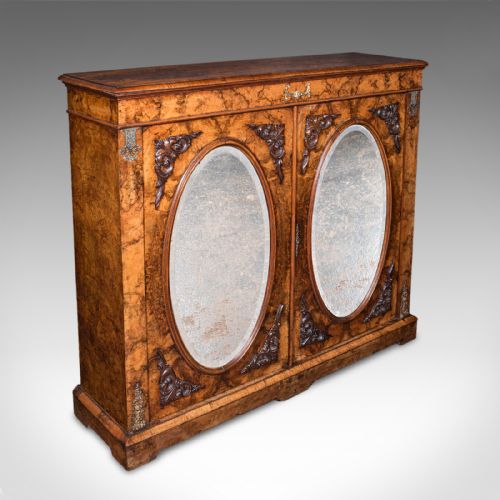

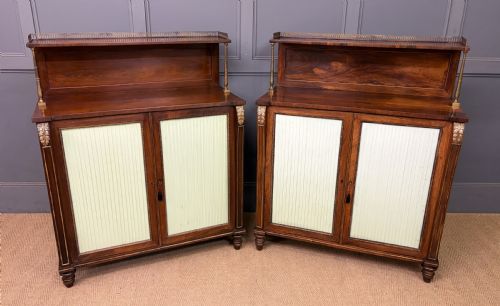
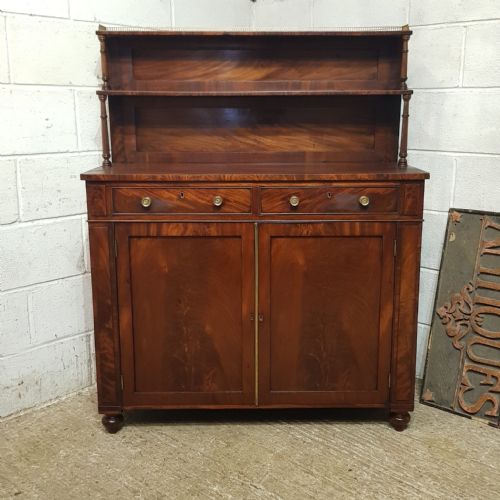
Regency Period Bookcase
A regency period bookcase brings refined timber and architectural proportion to a room, housing volumes behind glazed or open shelves.
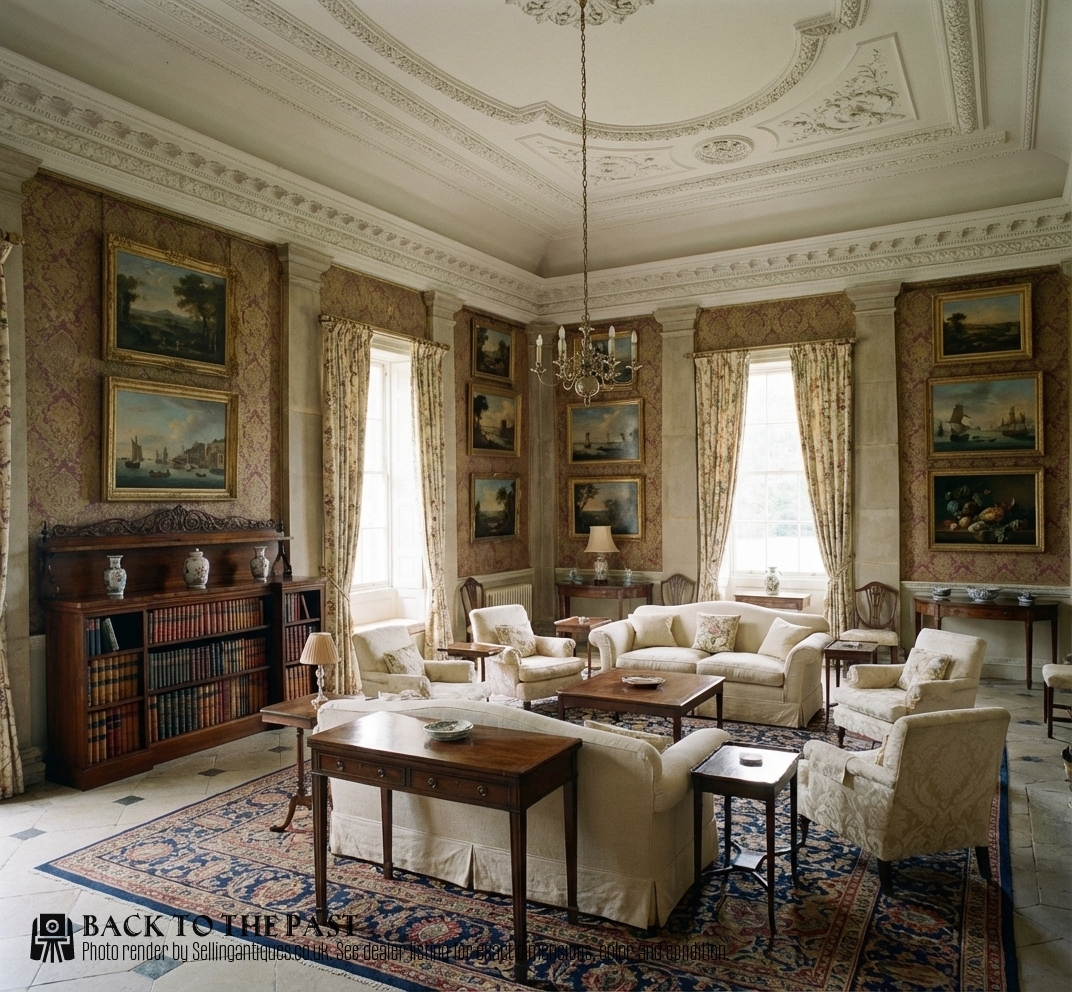
Regency Period Bookcase
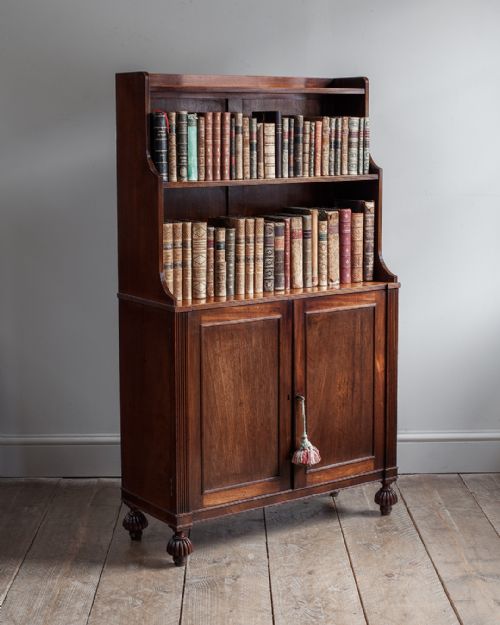
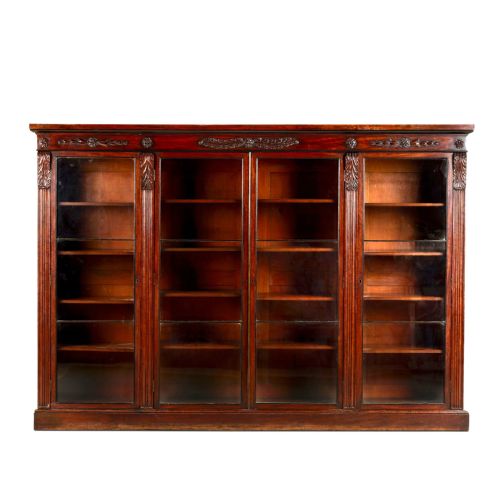
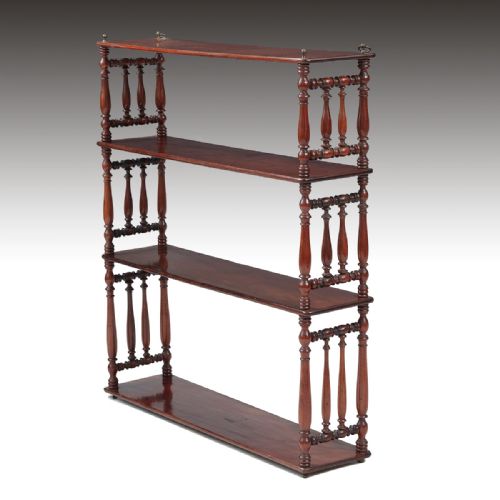
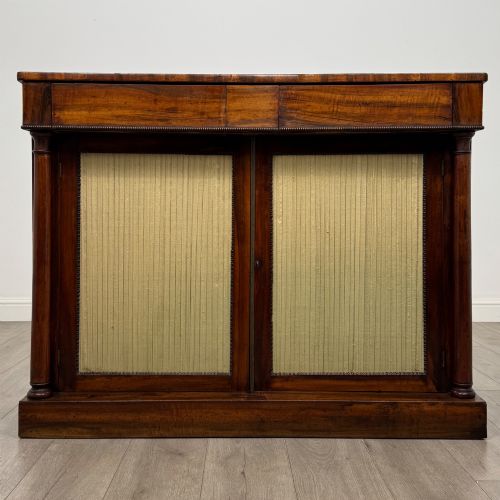
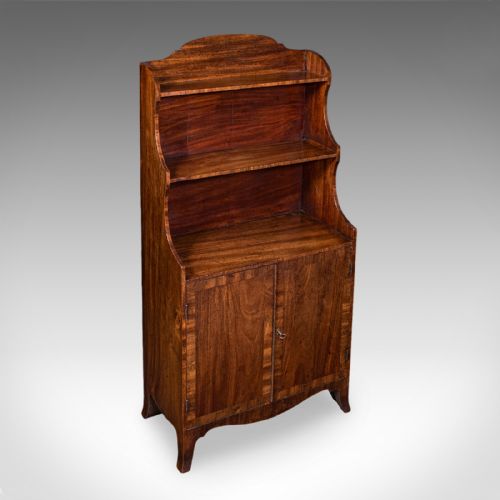
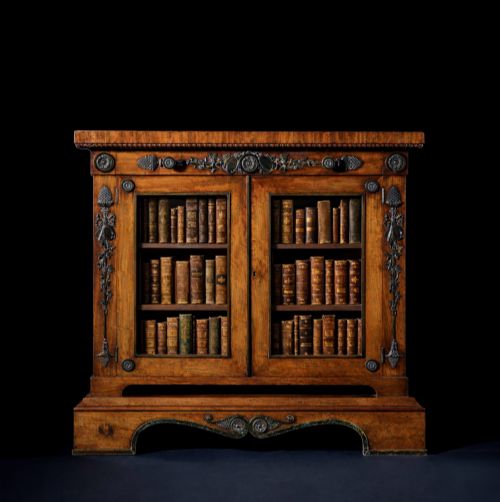
A regency period bookcase encompasses tall breakfront libraries, open shelf units, and compact side cabinets or chiffoniers produced during the early nineteenth century. These pieces reflect the classical influences of the Regency, George III, George IV, and William IV eras.
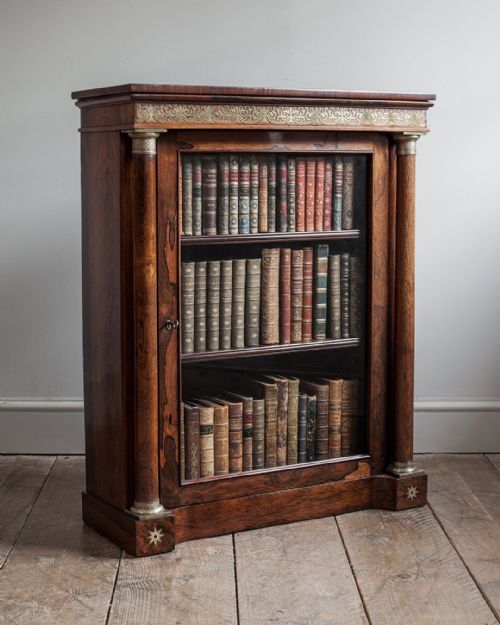
The selections on this page appear most frequently in rich mahogany and dark rosewood, alongside satinwood, walnut, and amboyna. Makers utilised flame mahogany veneers and thoughtful proportions to create pieces intended for formal libraries and morning rooms.
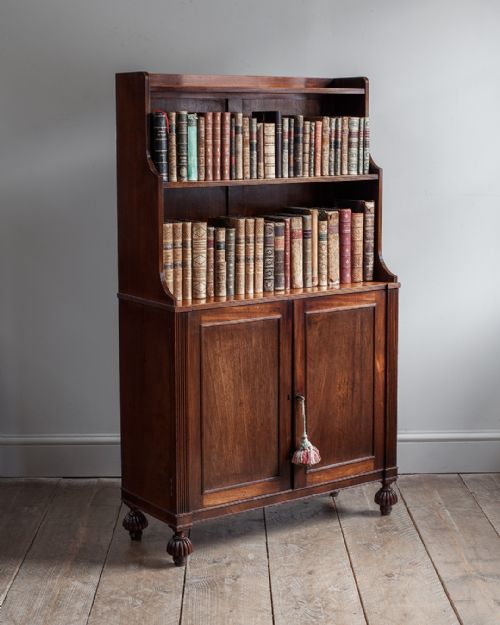
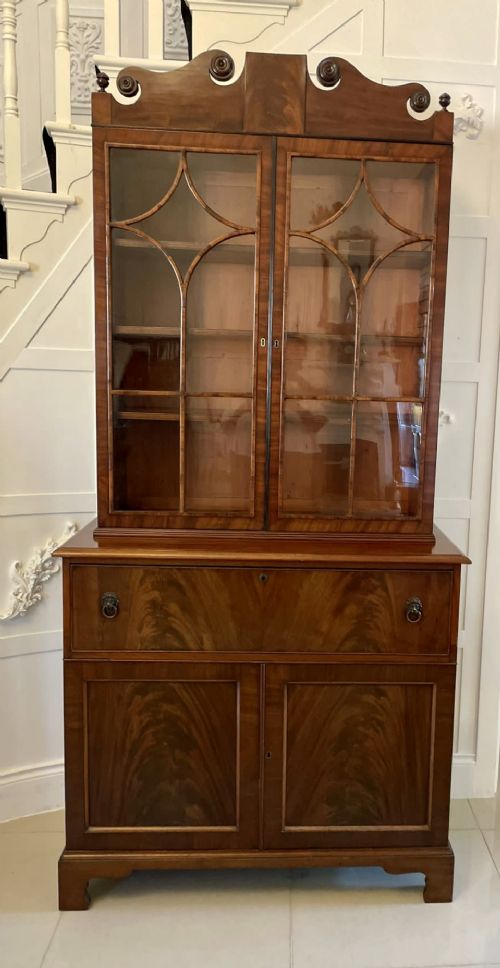
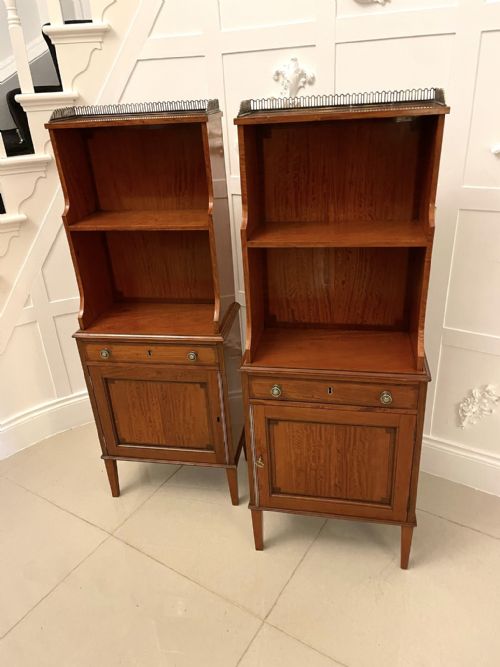
Buyers frequently encounter open bookcases alongside secretaire variants that feature a fitted writing drawer with pigeonholes and leather inserts. Side cabinets and waterfall bookcases offer alternative scales suitable for varied interior spaces.
Materials and Construction
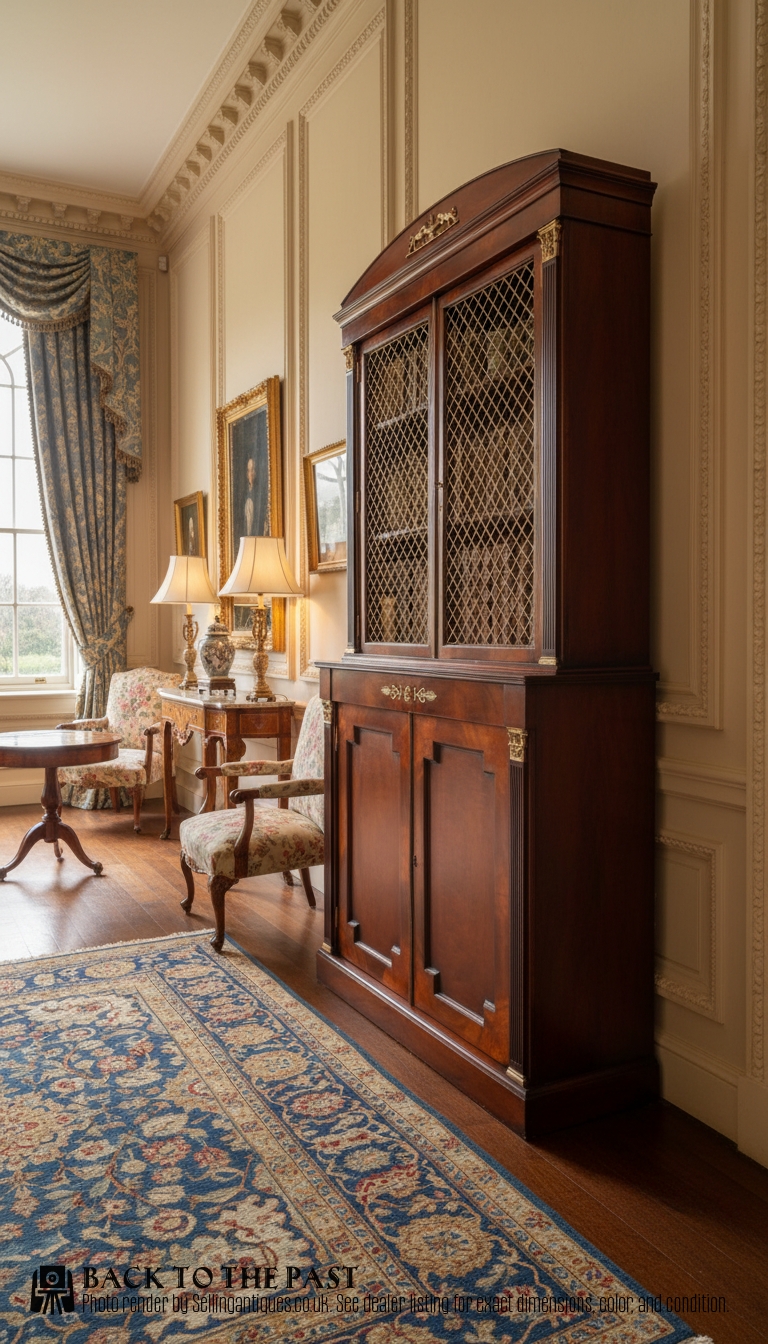
Cabinetmakers constructed these pieces primarily from solid mahogany and rosewood, often applying flame mahogany veneer to large surfaces to highlight the natural grain patterns. Brass inlay, bronze mounts, and fine grille work accent the primary timbers.
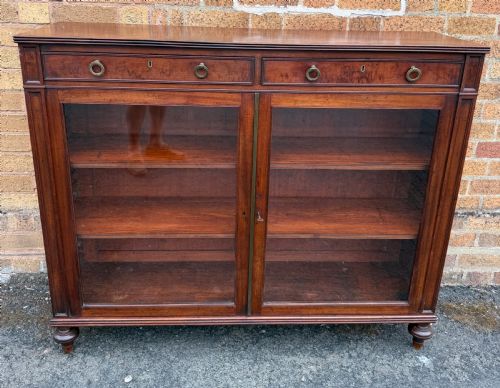
Glass doors frequently incorporate wooden glazing bars, while chiffonier panels utilise fabric or pleated silk behind wooden frameworks. Leather inserts appear within the writing surfaces of secretaire drawers, complemented by brass hardware.
Regency Period Bookcase Retail Price Guide 2026
Typical asking prices for regency period bookcase among the pieces listed under this phrase on Sellingantiques today, from the lower quarter to the upper quarter. They describe what is for sale here now, not the wider market.
Some dwarf bookcases doubled as folio-stands and etageres for wandering paper.
Evaluating the Pieces
The distinction between standard examples and the finest works rests upon the selection of timber and the precision of the cabinetmaker's joinery. Superior pieces display carefully matched veneers and restrained brass mounts rather than excessive ornamentation.
Proportion and structural integrity define the upper tier of these items, where original glass, intact brass grilles, and well-figured rosewood or mahogany remain unaltered by later restorations.
Gillows of Lancaster·Walker of Lancaster
The Regency Period Bookcase Glossary
- Breakfront
- A cabinet design where the central section projects forward from the flanking wings. This configuration creates visual depth and architectural presence.
- Secretaire
- A desk component disguised as a drawer, featuring a drop-front that reveals small drawers and pigeonholes. It often includes a leather-lined writing surface.
- Chiffonier
- A low cabinet equipped with shelves or enclosed cupboards, developed during the nineteenth century for side storage in dining and morning rooms.
- Astragal
- Moulding attached to glass doors or framing, dividing the glazed surface into smaller panes of glass. It adds delicate geometric detail to the front elevation.
- Waterfall bookcase
- A tiered shelving unit where each successive shelf steps back from the one below, creating a cascading profile.
Regency Period Bookcase: Frequently Asked Questions
How do I identify a chiffonier?
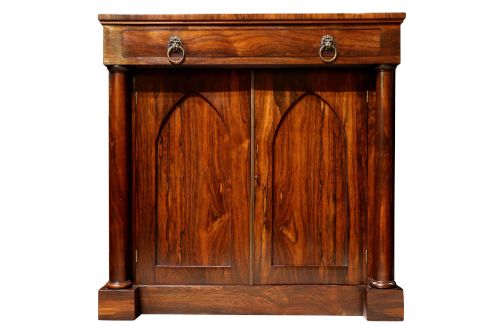
A chiffonier is a low sideboard cabinet, often fitted with enclosed cupboard doors and upper shelving. They frequently appear in rosewood with brass or fabric details.
These pieces were designed for smaller sitting rooms to store books, linens, or serving items.
Where were these bookcases placed?
Original placement depended on scale, with large breakfront libraries standing in grand drawing rooms. Smaller open bookcases and dwarf cabinets suited private studies and morning rooms.
Shorter waterfall bookcases and pier cabinets were positioned against wall spaces between windows.
What timber was most common?
Mahogany served as the primary timber for these pieces, ranging from solid cuts to figured flame mahogany veneers. Rosewood gained significant popularity for smaller cabinets and chiffoniers.
Satinwood, walnut, and amboyna also appear on specific select pieces from the period.