
Large Mahogany Cabinet
A large mahogany cabinet anchors a grand room with timber warmth and architectural presence.
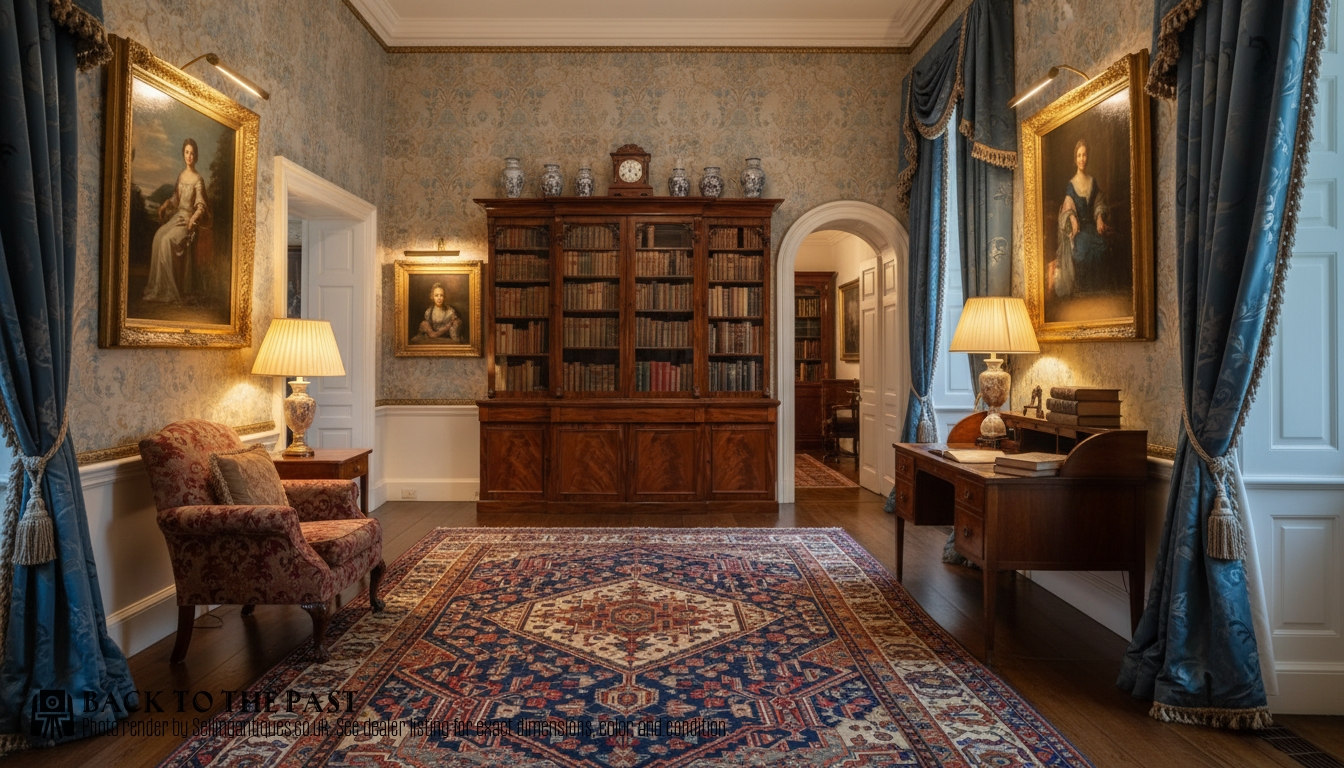
Large mahogany cabinet
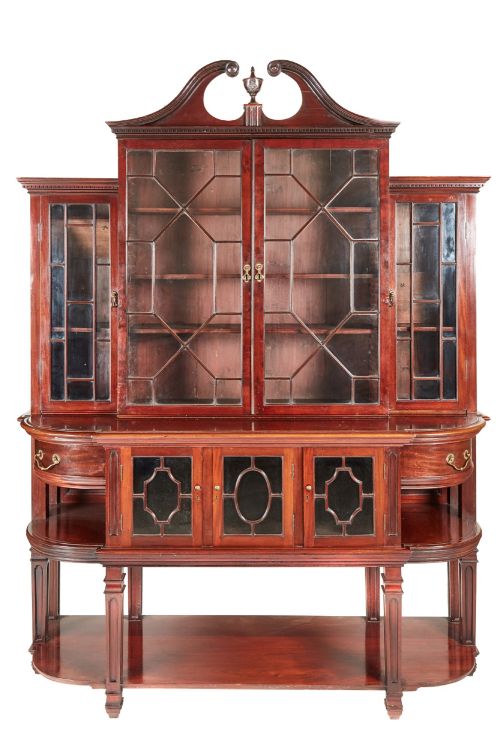
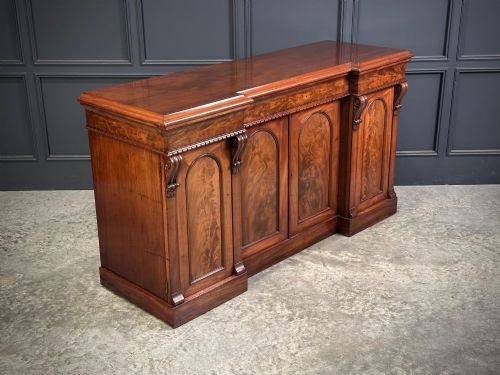
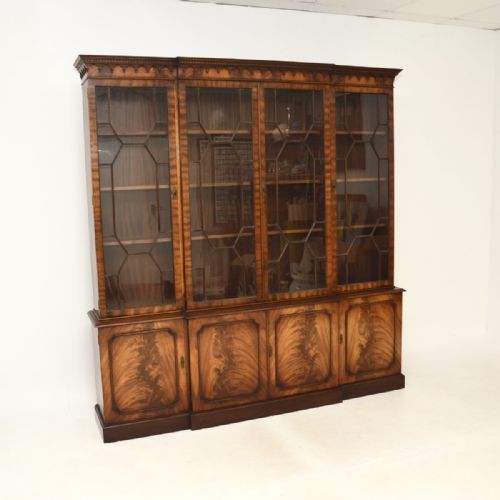
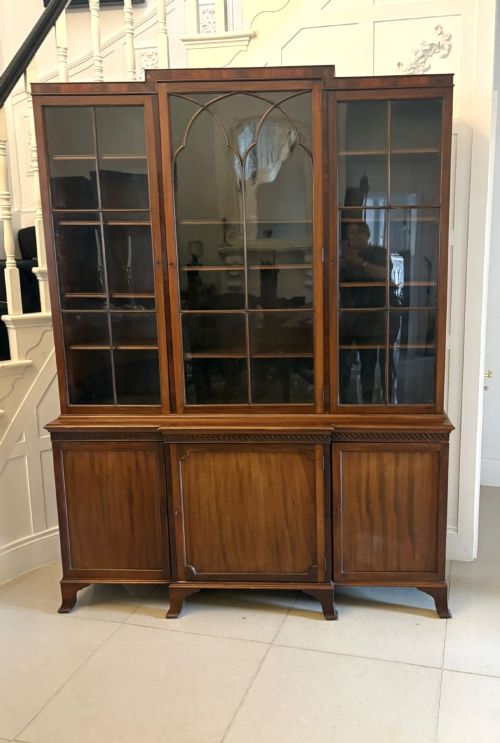
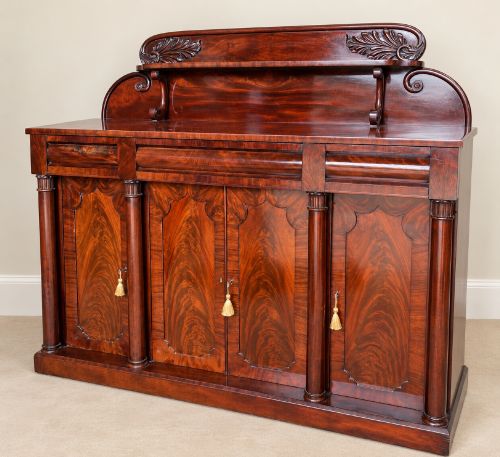
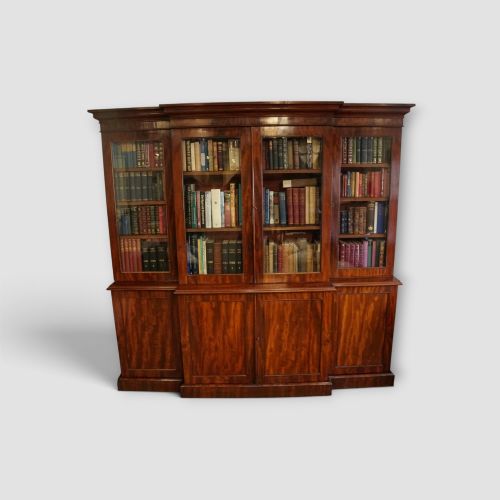
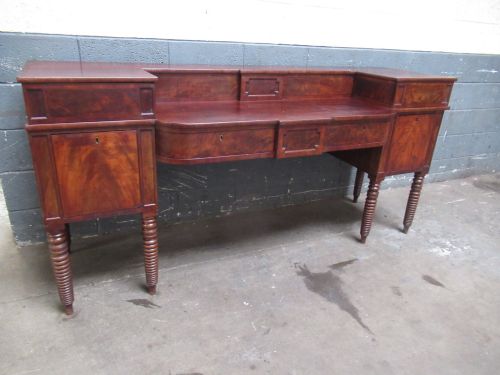
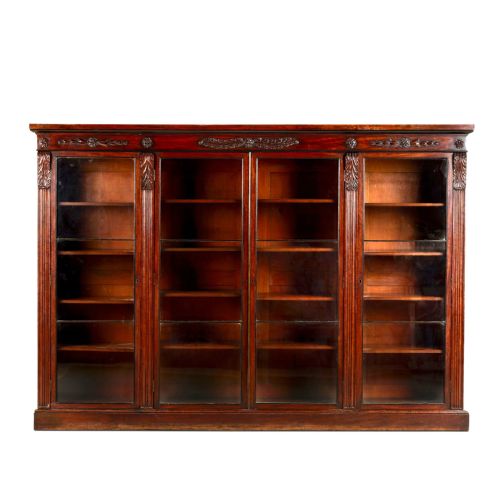
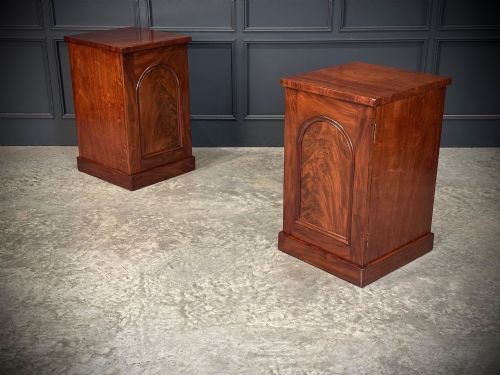
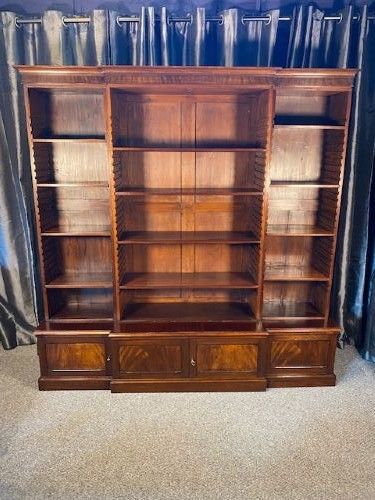
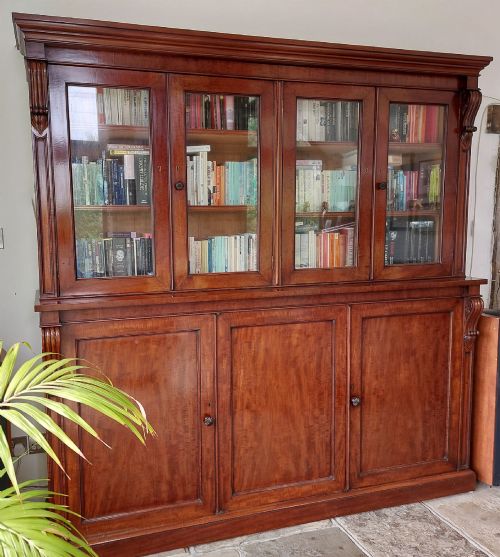
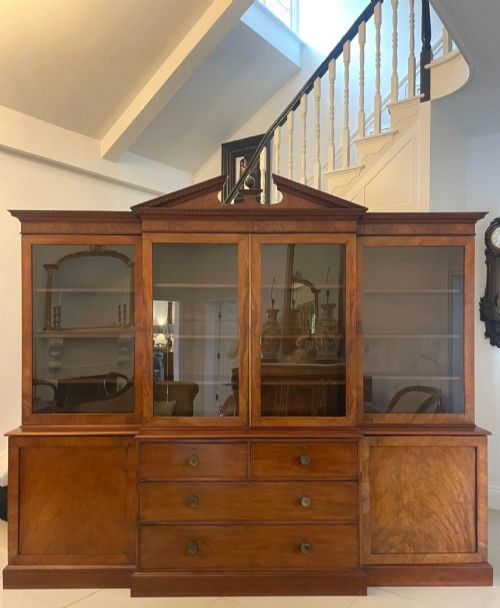
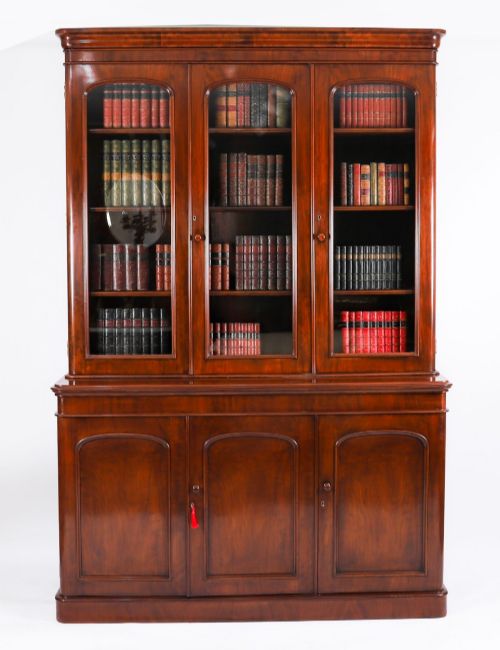
A large mahogany cabinet offers substantial storage and display space, frequently taking the form of a breakfront bookcase, library bookcase, or shop display piece. These substantial pieces originate across several centuries, spanning the Georgian, Regency, Victorian, and Edwardian periods.
The pieces listed here lean heavily toward expansive breakfront designs and towering library bookcases fitted with glass doors, brass mounts, and adjustable shelving. Such forms were built to command high-ceilinged rooms, studies, and commercial interiors.
Makers utilised dense timber to create grand architectural statements, employing multi-door layouts that range from four to ten feet in length. Buyers select these large pieces to house extensive book collections or display fine objects within domestic or retail settings.
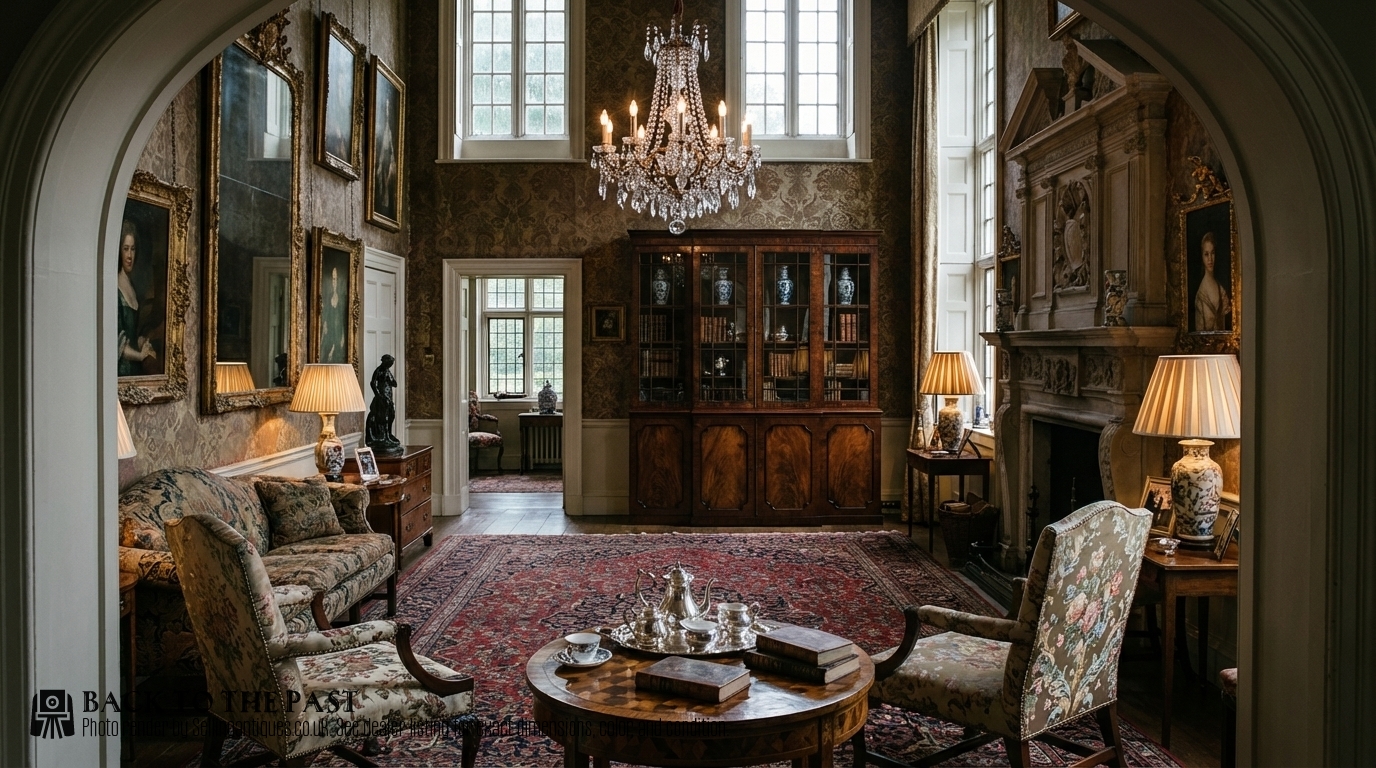
Materials and construction
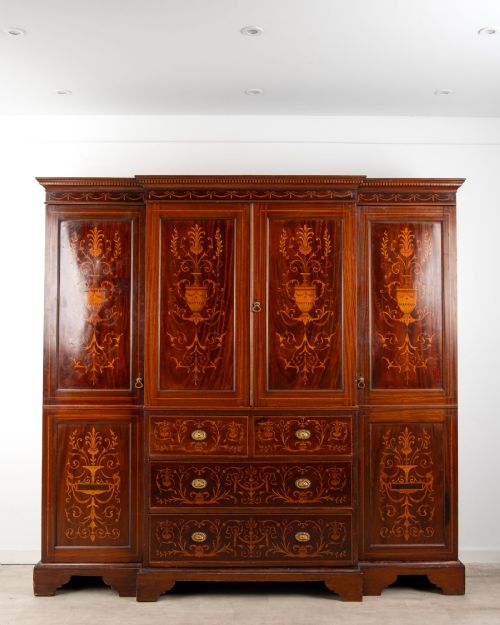
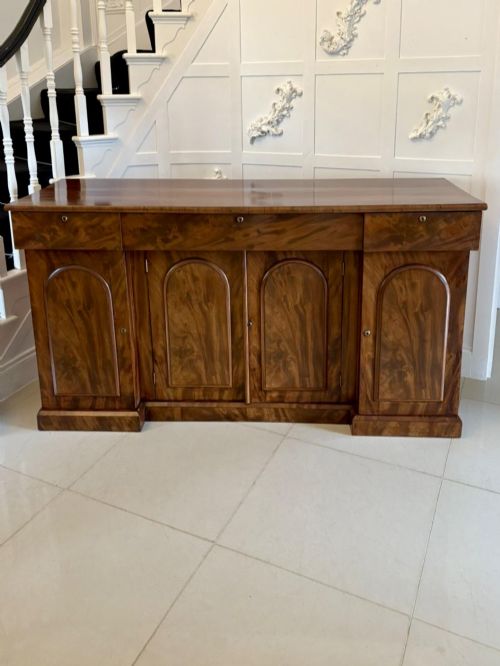
Cabinet makers built these frames using solid mahogany alongside figured veneers such as flame mahogany and plum pudding mahogany to achieve deep grain patterns on expansive surfaces. They incorporated secondary timbers for internal drawer linings and carcass backs.
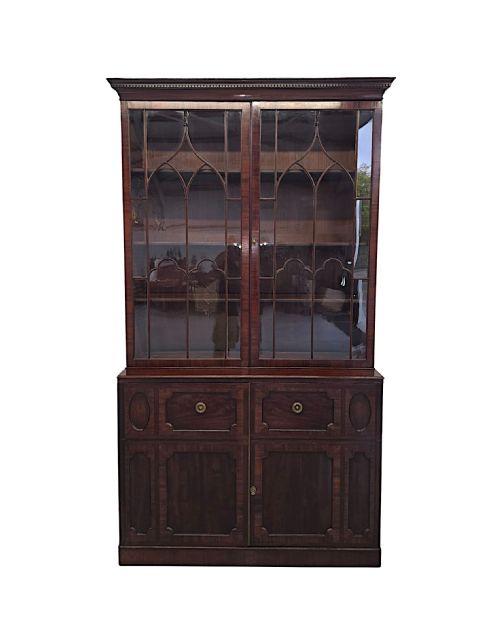
Glazing bars hold individual panes of glass within the doors, while brass fittings, wire mesh panels, and inlaid satinwood details add decorative contrast. Joinery techniques include substantial breakfront framing, fielded panels, and fitted secretaire drawers with pigeonholes.
Retail Price Guide 2026
Typical UK retail prices for large mahogany cabinet, calculated from the Sellingantiques database of over a million retail prices indexed since 2003. This retail price guide relies exclusively on Sellingantiques data; no external sources or auction records are used, so the figures do not describe the wider market.
Chemists and shopkeepers once displayed cure-alls behind these very glass panes before the cabinets retired to quiet domestic libraries.
Distinctions in quality
The upper tier of these pieces relies on thoughtful proportions, crisp architectural mouldings, and the deliberate matching of flame mahogany veneers across wide drawer fronts and cupboard doors. Master workshops paid careful attention to internal fittings, brass hardware, and the structural integrity of tall breakfront cornices.
Simpler examples lack the refined secondary inlays, specialised glazing, or complex internal configurations such as folio cabinets and museum-grade display trays. Timber selection dictates the visual depth of the polished surface, separating standard utilitarian storage from high-status library furniture.
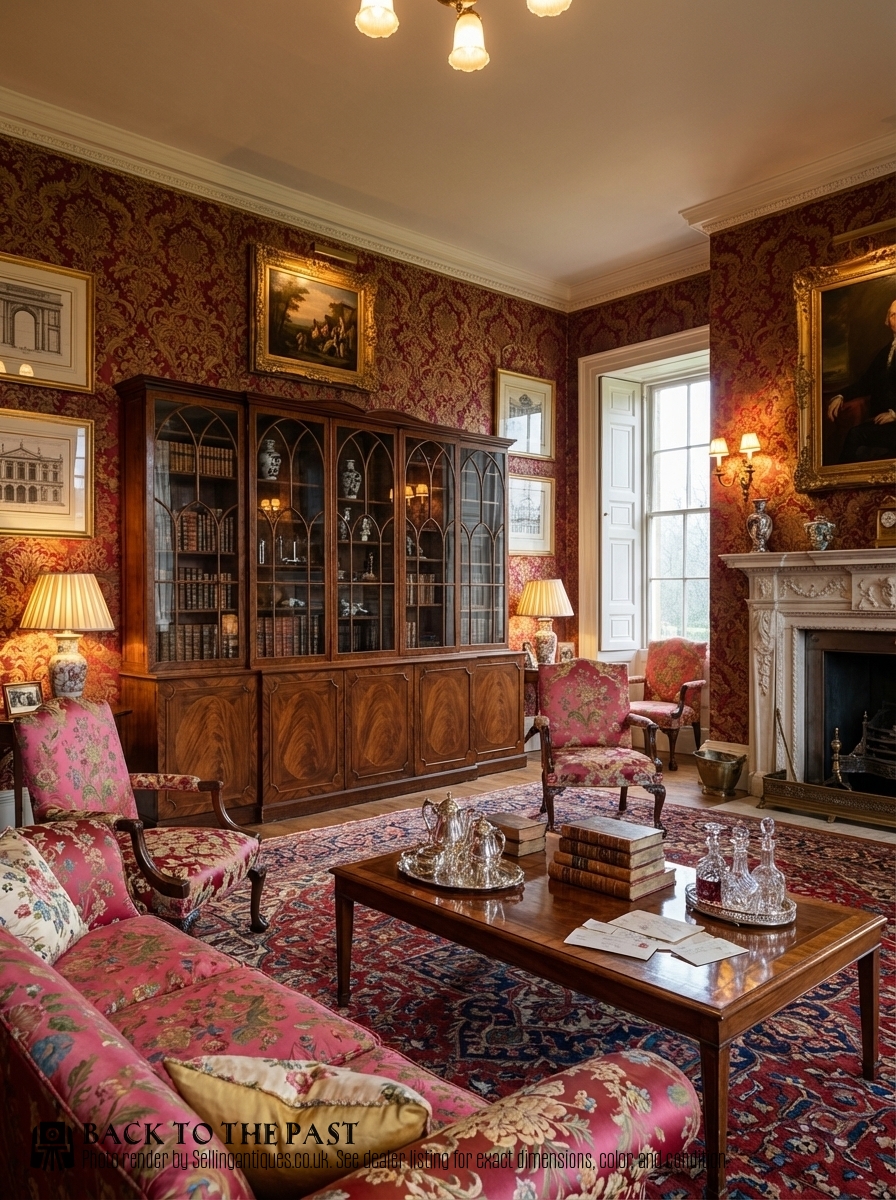
Edwards and Roberts·Maple and Co
The Large Mahogany Cabinet Glossary
- Breakfront
- A cabinet design where the central section projects forward from the flanking wings. This architectural layout creates visual depth across large bookcase and sideboard facades.
- Flame mahogany
- A veneer cut from the fork of the mahogany tree where branches meet the trunk. The resulting grain exhibits a flickering, flame-like pattern prized for high-end cabinet doors.
- Secretaire
- A desk form integrated into a cabinet or chest, featuring a drop-front writing flap that conceals small drawers and pigeonholes. It allows a tall library piece to function also as a writing desk.
- Glazing bar
- A wooden strip that holds individual panes of glass within a cabinet door. Fine examples feature narrow, hand-planed mouldings that maximise the visible glass area.
Frequently Asked Questions
How do I date a breakfront bookcase?
Dating relies on architectural styling, construction methods, and timber choice. Georgian and Regency examples show hand-cut dovetails and classical cornices, whereas Victorian and Edwardian pieces often incorporate machine-sawn timber and different veneer applications.
Examining the interior drawer construction and the type of brass hardware provides further clues to the manufacturing decade.
What is flame mahogany veneer?
Flame mahogany veneer is sliced timber taken from the junction where a tree branch meets the main trunk. This specific cut produces a dramatic, undulating grain pattern that resembles flickering fire.
Cabinet makers used these figured veneers on primary display surfaces like door panels and drawer fronts to catch the light and demonstrate fine craftsmanship.
How do I care for a mahogany cabinet?
Mahogany furniture requires stable indoor humidity levels and protection from direct sunlight to prevent the timber from fading or splitting. Regular dusting with a soft, dry cloth maintains the polished surface without the need for heavy silicone polishes.
Conditioning the wood occasionally with traditional beeswax preserves the depth of the grain and protects the antique finish.