




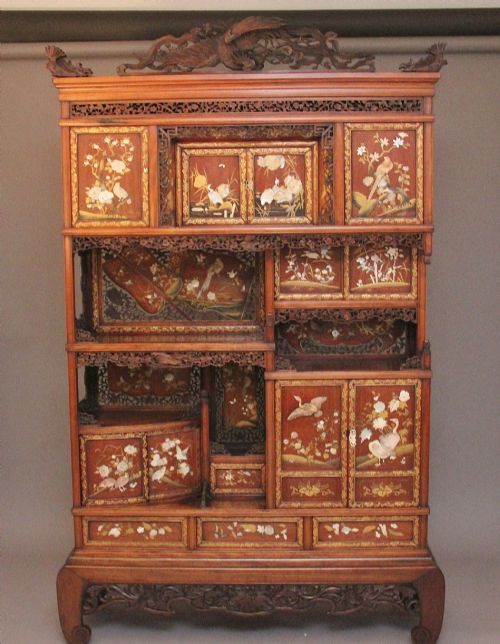


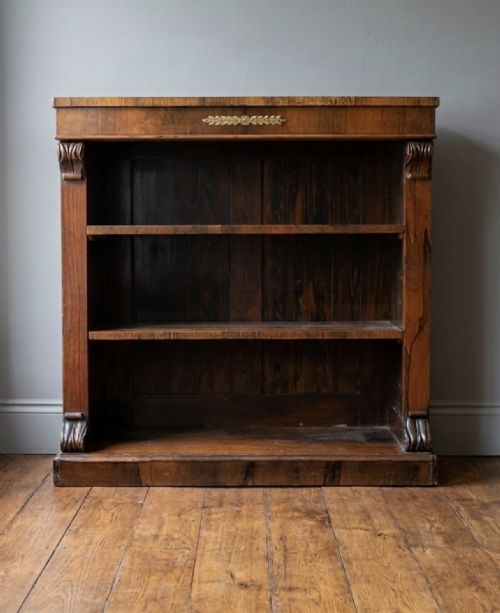

Carved Rosewood Bookcase
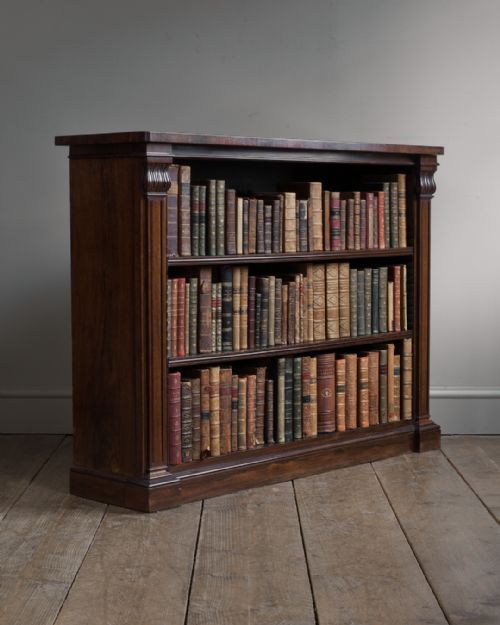
A carved rosewood bookcase brings rich, dense grain and sculptural detail into a room, offering both display space and practical storage.
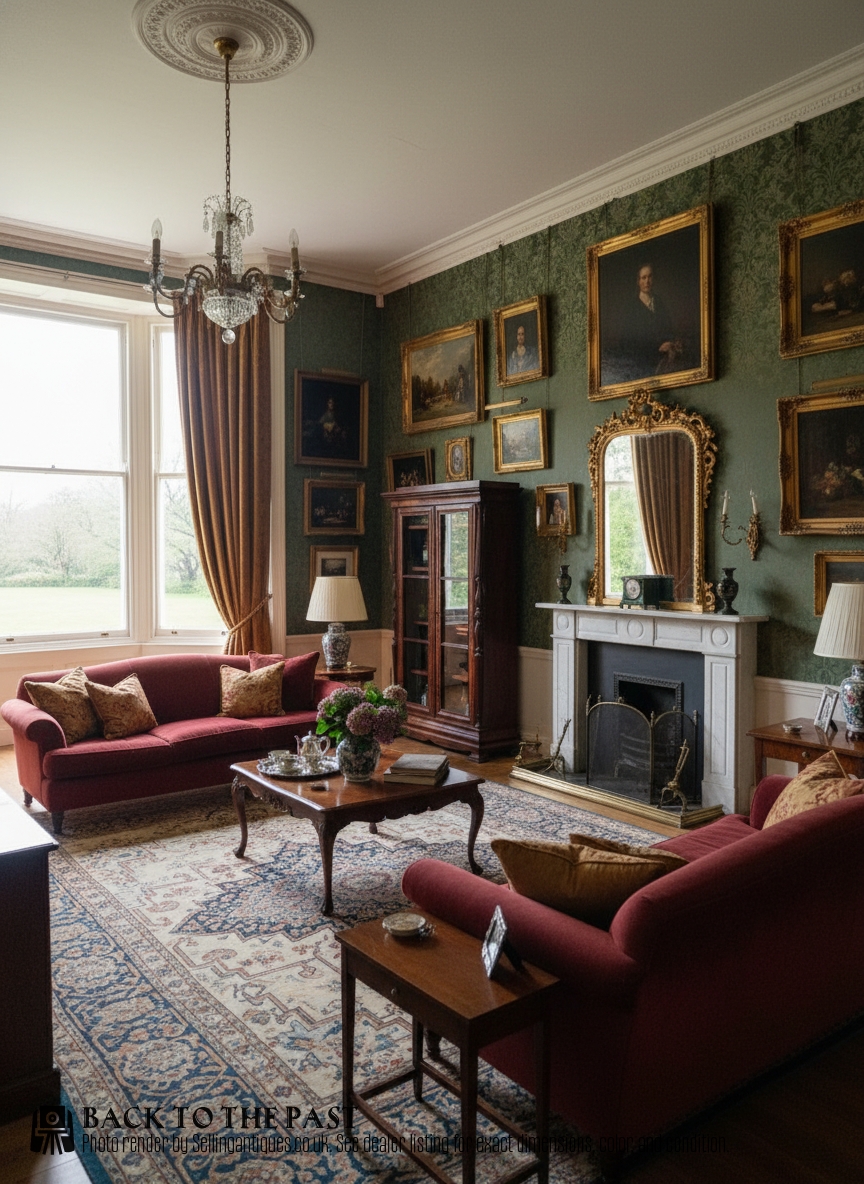
Carved Rosewood Bookcase
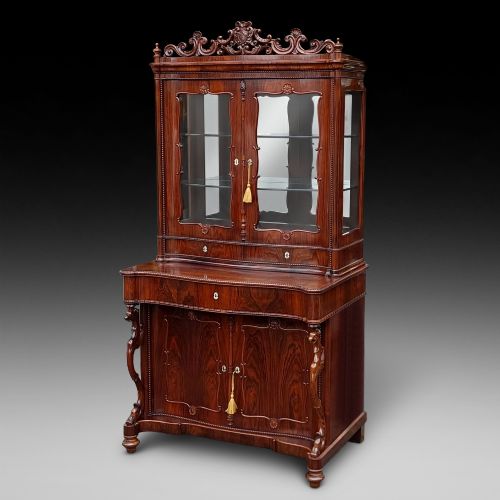
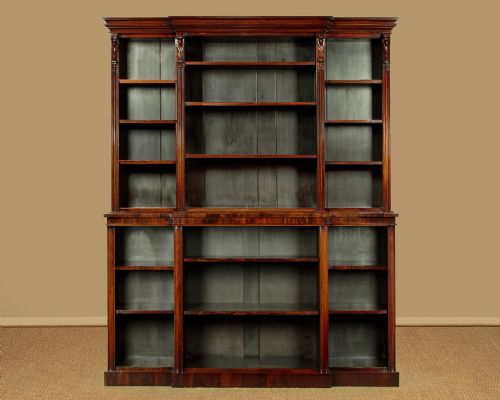
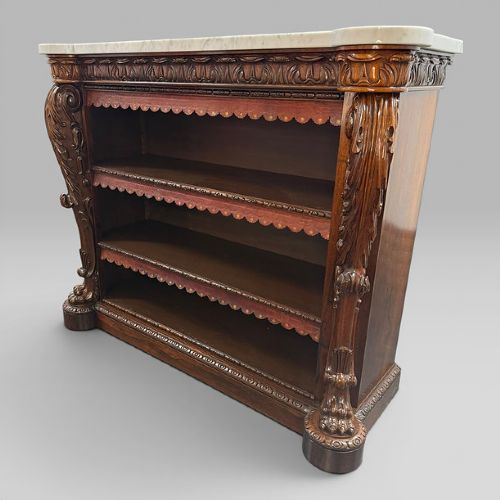
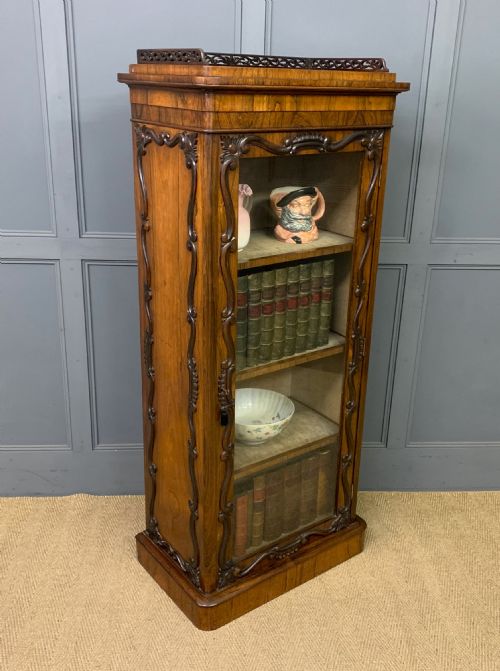
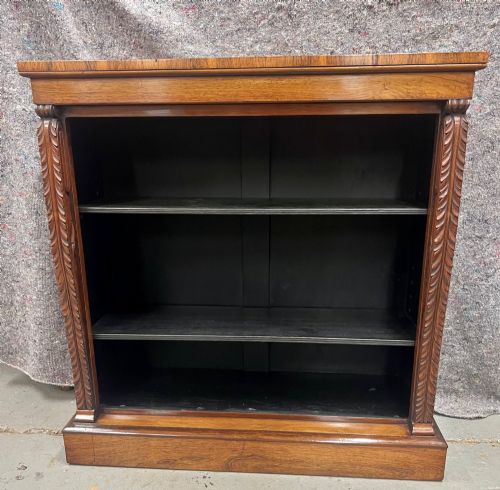
When searching for a carved rosewood bookcase, a buyer encounters pieces primarily spanning the Regency, William IV, and Victorian periods, alongside continental and colonial examples. Open bookcases with adjustable shelves sit alongside glazed cabinets, breakfront forms, and low dwarf bookcases fitted for libraries or sitting rooms.
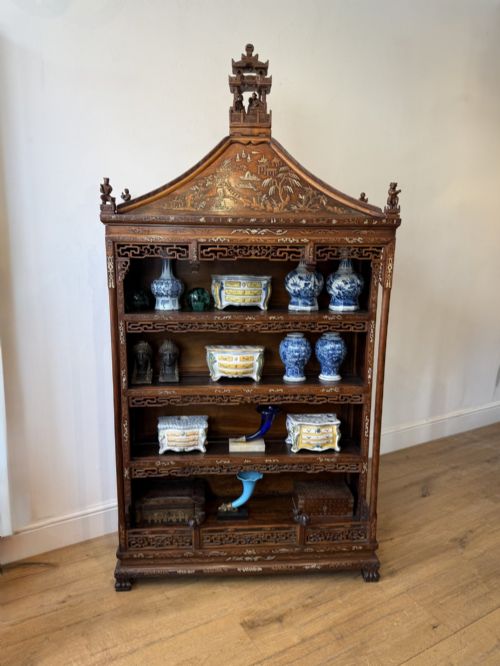
The materials extend beyond solid timber to include rosewood veneer on softwood, complemented by marble tops, brass galleries, and glass panels. Styles range from classical Regency lines and Gothic Revival to Anglo-Indian carving and Chinese export cabinet work.
Materials and construction
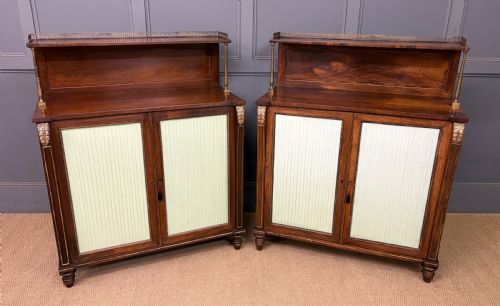
Cabinet makers utilised heavy tropical hardwoods, applying rosewood veneers over secondary timbers like softwood to achieve striking grain patterns on large surfaces. Structural elements often incorporated brass for galleries, hinges, and inlay, while marble served for robust, finished counter tops on dwarf cabinets and side units.
Carving required skilled hand work, seen in applied corbels, foliage motifs, and pierced galleries executed directly in the dense rosewood or related padauk timbers. Joinery methods relied on traditional frame and panel construction, tailored to support heavy volumes or display objects.
Carved Rosewood Bookcase Retail Price Guide 2026
Typical asking prices for carved rosewood bookcase among the pieces listed under this phrase on Sellingantiques today, from the lower quarter to the upper quarter. They describe what is for sale here now, not the wider market.
Listings feature items spanning the Regency, Victorian, and Edwardian eras, incorporating brass, marble, glass, and mother of pearl.
Distinctions in quality
Quality rests on the crispness of the hand carving and the selection of the timber veneers, where balanced grain figures and rich colouration elevate a piece. Finer examples display meticulous attention to secondary details such as adjustable shelf mechanisms, brass gallery mounts, and integrated marble inserts.
Proportion and architectural harmony separate standard production items from workshop pieces attributed to prominent makers like Gillows or James Winter. The integrity of the original polish and the preservation of crisp structural mouldings indicate superior historical care.
Gillows·James Winter
The Carved Rosewood Bookcase Glossary
- Breakfront
- A cabinet design where the central section projects forward from the flanking wings. This configuration creates architectural depth in larger library bookcases.
- Dwarf bookcase
- A low shelving unit designed to sit below window height or display decorative objects on top. These pieces often feature enclosed cupboards or open shelves.
- Corbel
- A structural bracket projecting from the face of a bookcase to support a shelf or cornice. Carved versions add sculptural weight to mid-century examples.
- Whatnot
- A multi-tiered shelving unit used for displaying ornaments and books. They appear frequently in Regency and Victorian rosewood configurations.
- Chiffonier
- A compact sideboard or cabinet featuring enclosed lower cupboards and often open shelving above. They serve similar storage functions to small bookcases.
Carved Rosewood Bookcase: Frequently Asked Questions
How do I care for rosewood?
Keep wooden surfaces away from direct sunlight and heat sources to prevent the rich timber and its veneers from drying out.
Dust regularly with a dry cloth and apply occasional specialist wax to maintain the deep lustre of the grain.
Were these always used for books?
While many were built to house libraries, numerous forms served as general display cabinets for porcelain and ornaments.
Open shelves held frequently read volumes, while glazed or enclosed lower cupboards protected more delicate items.
How do I date a Regency piece?
Look for classical proportions, brass gallery details, and restrained carved ornamentation typical of the early nineteenth century.
Construction traits such as hand-cut dovetails and timber choice also help confirm the period.