

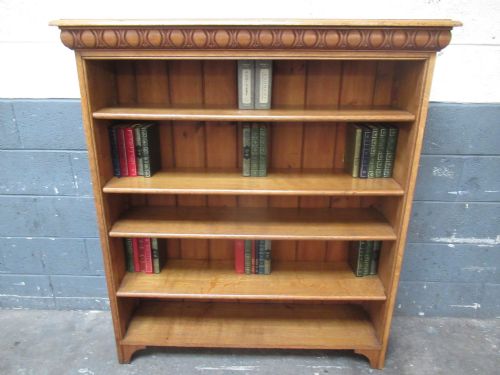
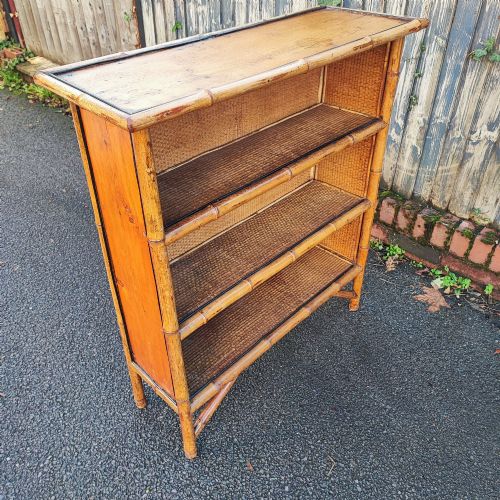
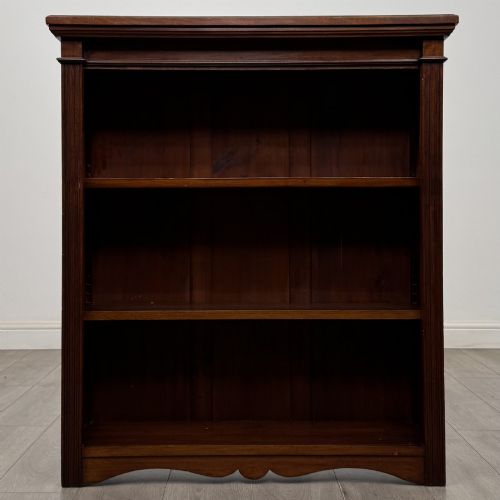
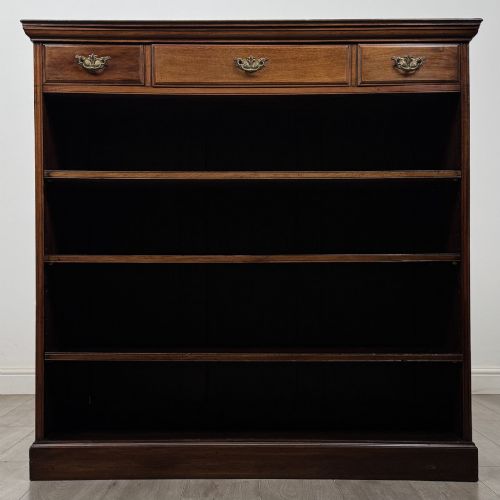

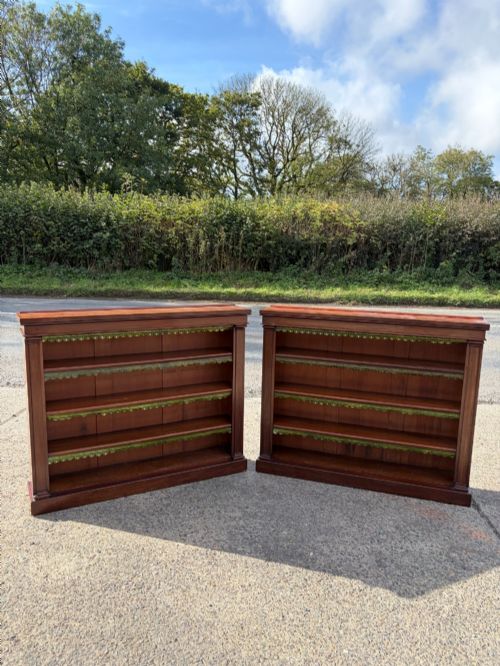
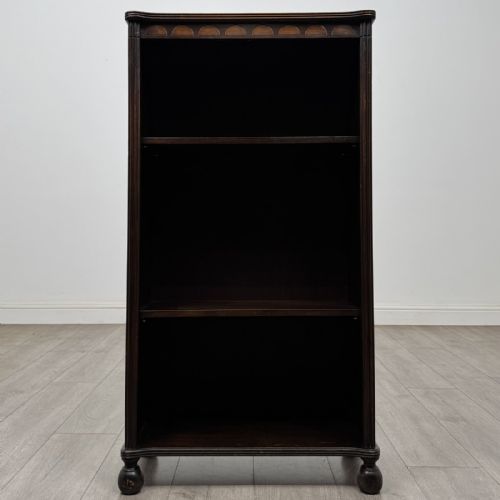

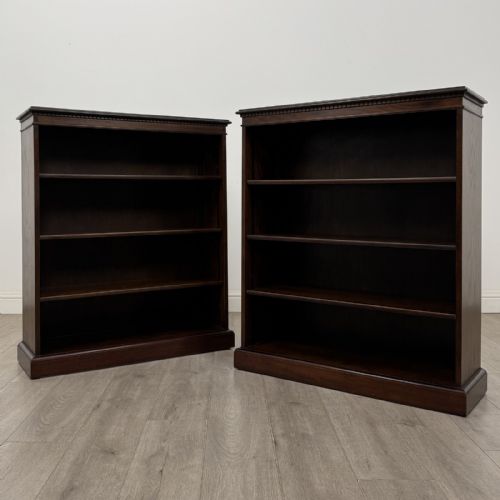
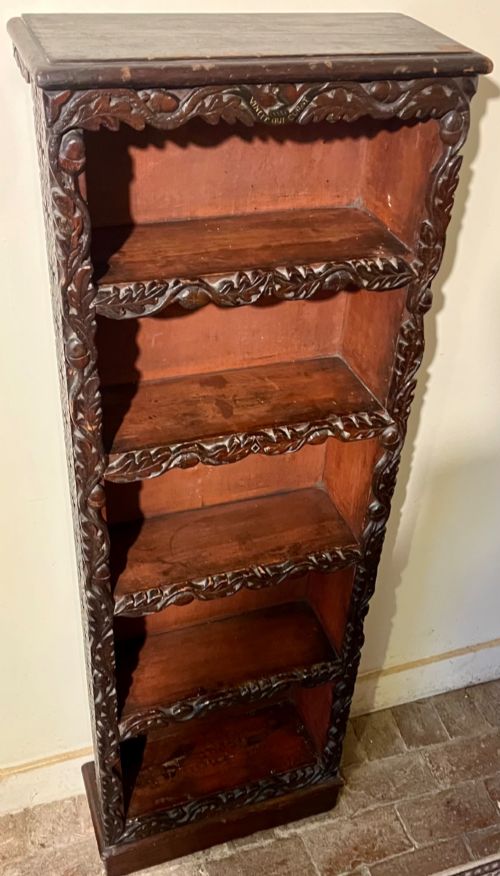
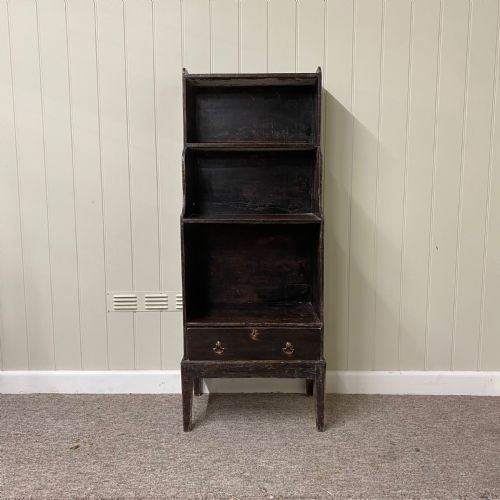
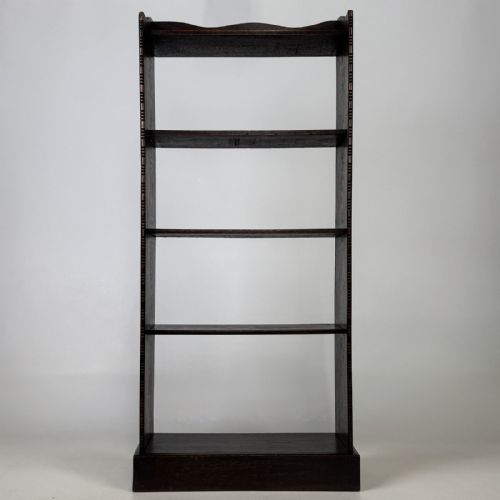
Antique Open Shelving Unit
An antique open shelving unit is a practical display piece that brings architectural depth and warmth to a room.
How they were made
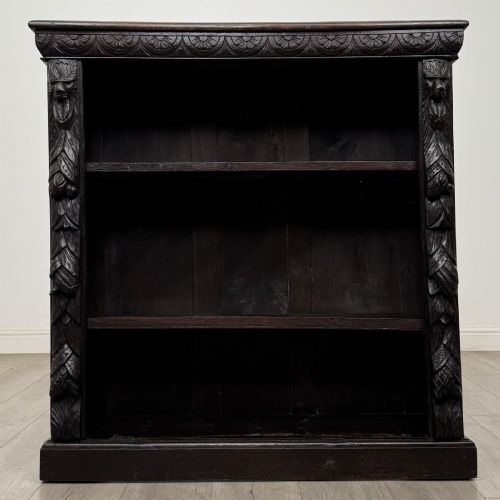
Cabinet makers constructed these units predominantly from solid timber and selected veneers, using oak and mahogany as the primary structural woods. Workshops applied inlay, carving, and ebonising to enrich the surfaces of Victorian and Edwardian pieces.
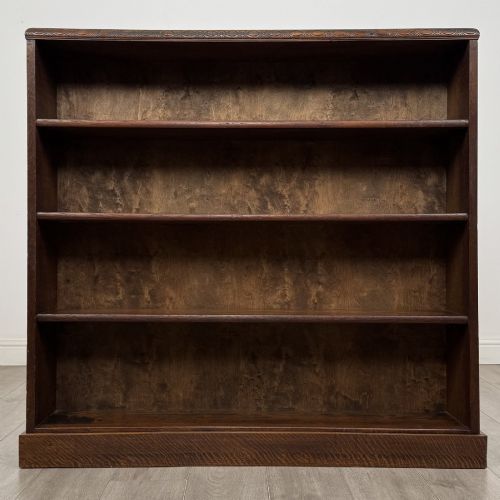
Many examples incorporate adjustable shelves supported by timber ratchets or brass shelf pins, allowing the interior layout to adapt to varying volumes. Metal elements such as brass castors appear on floor-standing bookcases and whatnots to aid mobility.
What varies in quality
The choice of timber sets the baseline for quality, distinguishing standard pine or oak from figured burr walnut, rosewood, and finely grained mahogany. Selection of materials dictates the visual depth and tactile richness of the finished piece.
Execution of detail separates workshop standards, evident in crisp wood carving, precise inlay work, and the integration of functional hardware like adjustable shelving mechanisms. Cohesion of style, from Arts and Crafts simplicity to Regency elegance, defines the success of the construction.
Antique Open Shelving Unit Retail Price Guide 2026
Typical asking prices for open shelving unit among the pieces listed under this phrase on Sellingantiques today, from the lower quarter to the upper quarter. They describe what is for sale here now, not the wider market.
Periods represented span from the nineteenth century through the Edwardian era and into the nineteen twenties.
The Antique Open Shelving Unit Glossary
- Whatnot
- A small open shelving unit with multiple tiers used for displaying ornaments and books. These pieces often feature turned supports and sit upon castors.
- Waterfall bookcase
- A tiered shelving unit where each successive shelf steps back from the one below it. This style gained popularity during the Regency and Victorian eras.
- Dwarf bookcase
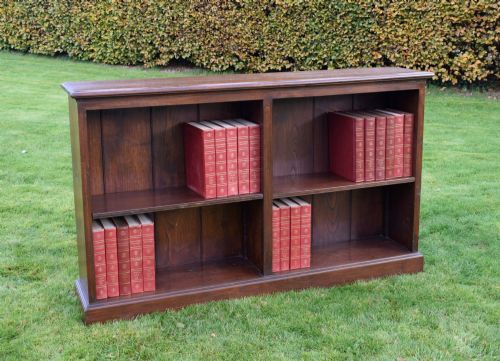
- A low open shelving unit designed to sit beneath window height. They frequently include adjustable shelves and carved decorative details.
- Burr walnut
- A prized timber veneer showing swirling growth patterns and knot formations. Cabinet makers applied this wood to elevate the decorative status of nineteenth century furniture.
- Aesthetic Movement
- A late nineteenth century design style emphasising visual beauty over narrative function. Pieces from this movement often utilise ebonised finishes and carved motifs.
Antique Open Shelving Unit: Frequently Asked Questions
Where should I place an open bookcase?
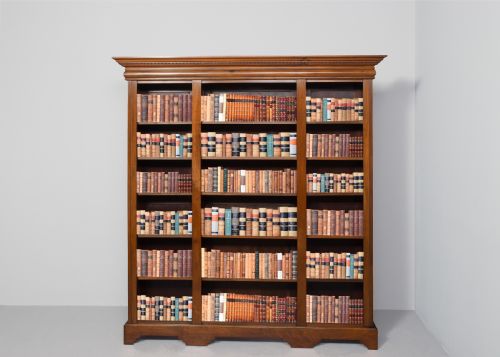
These units suit studies, living rooms, and hallways where accessible book storage or display space is required. Their open format keeps rooms feeling light while holding heavy volumes.
Ensure the unit rests against a stable wall, and check dimensions to match ceiling heights and skirting boards.
How do I adjust wooden shelving?
Most period bookcases use either traditional timber side ratchets or brass shelf pins inserted into vertical rows of holes. Simply lift the shelf to clear the supports and relocate them to the desired height.
Take care not to force timbers that have settled over decades of ambient humidity changes.
What is a whatnot used for?
Whatnots were traditionally designed for displaying porcelain, small sculptures, and prized volumes in principal rooms. Their tiered open structure allowed light to pass through from multiple angles.
Today they function effectively as corner or bedside display stands in period and contemporary interiors.