
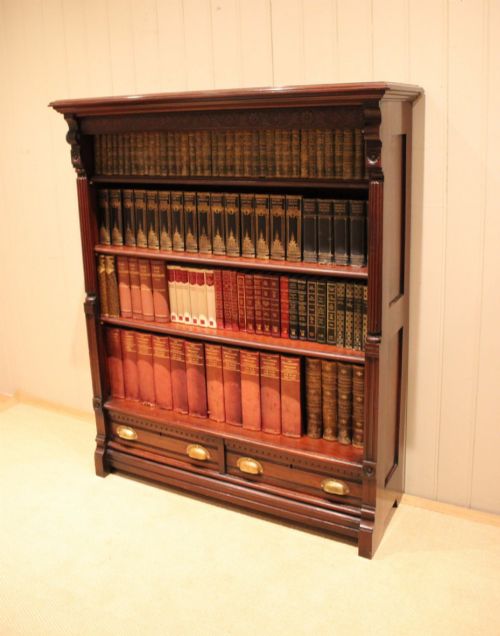
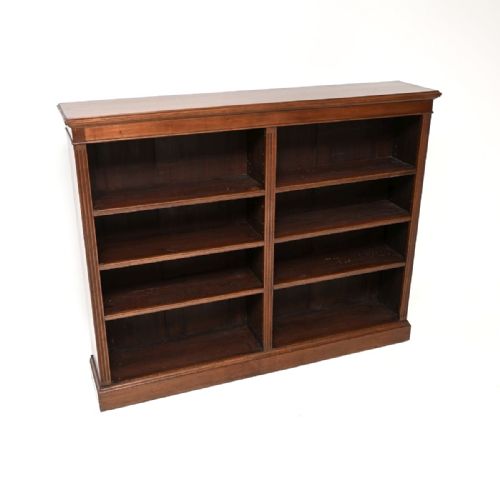
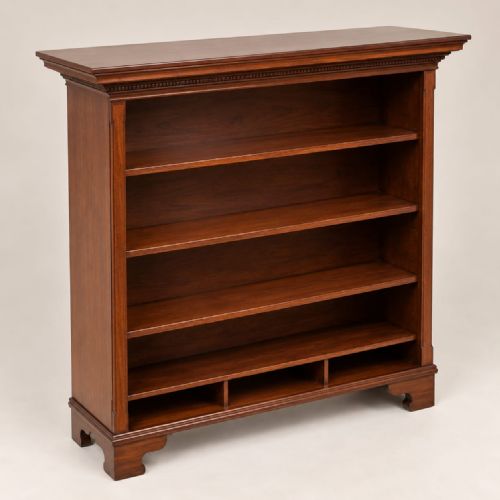
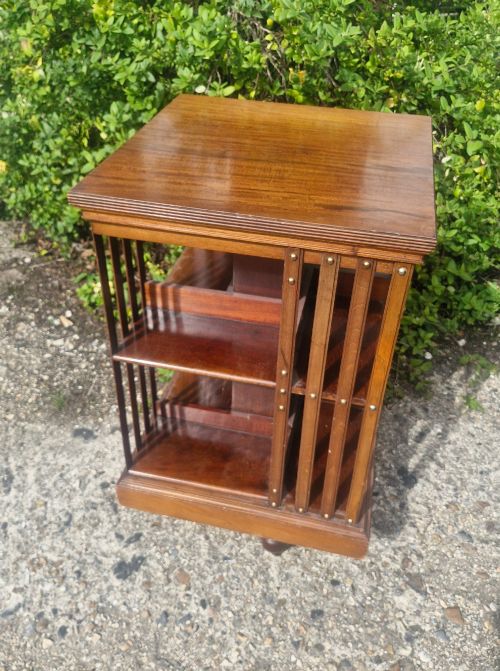
Victorian Mahogany Bookshelf
These victorian mahogany bookshelf pieces offer solid timber construction and functional tiered storage for domestic libraries.
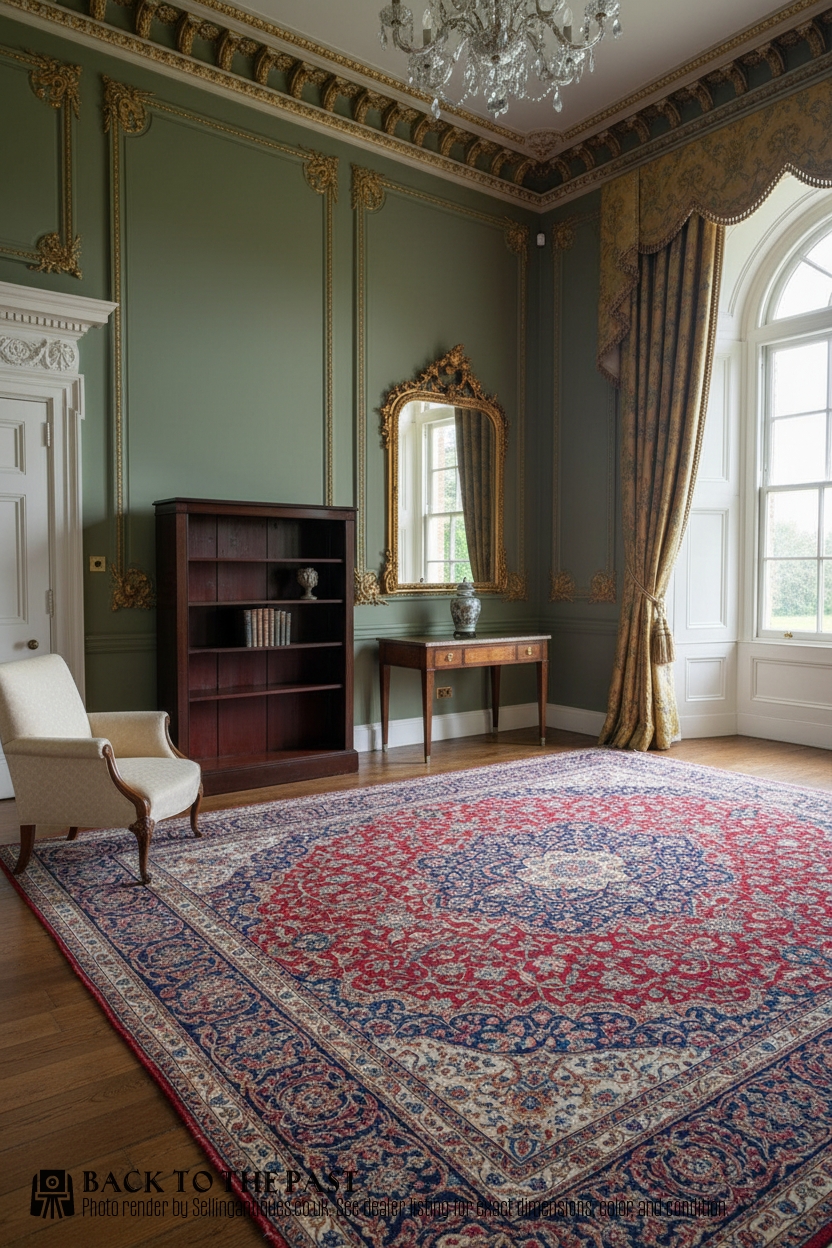
Understanding the victorian mahogany bookshelf
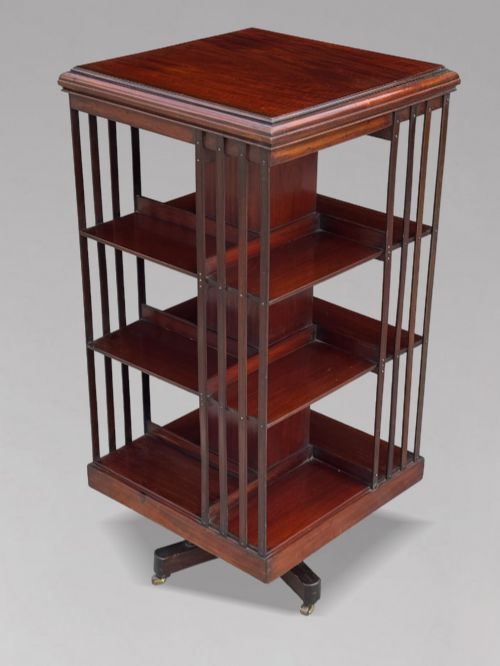
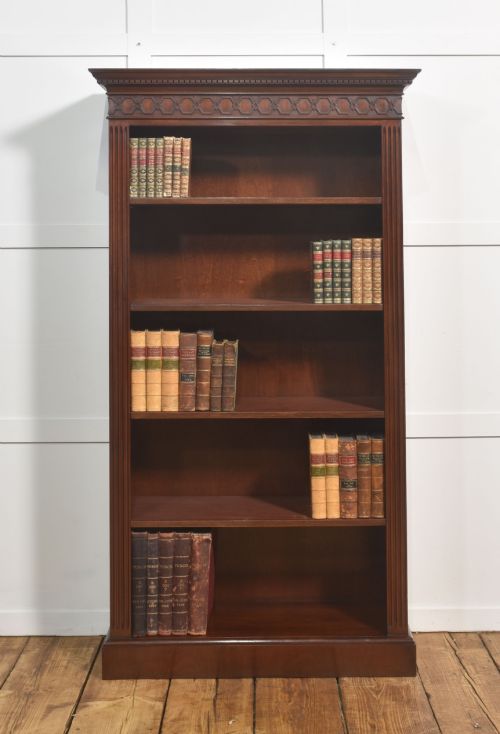
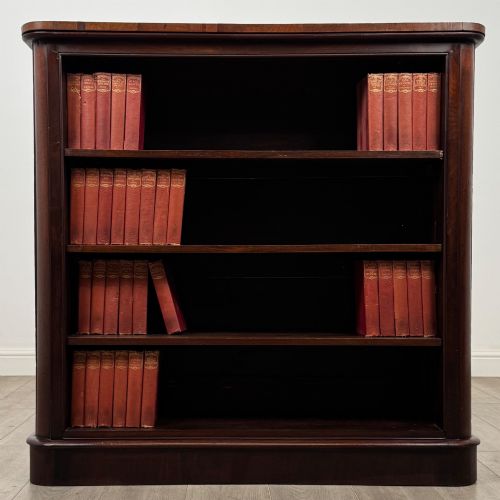
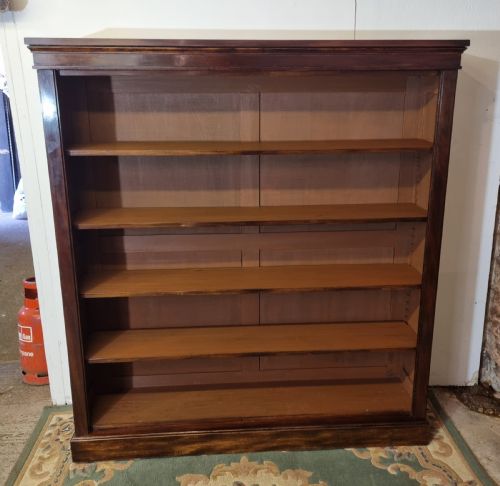
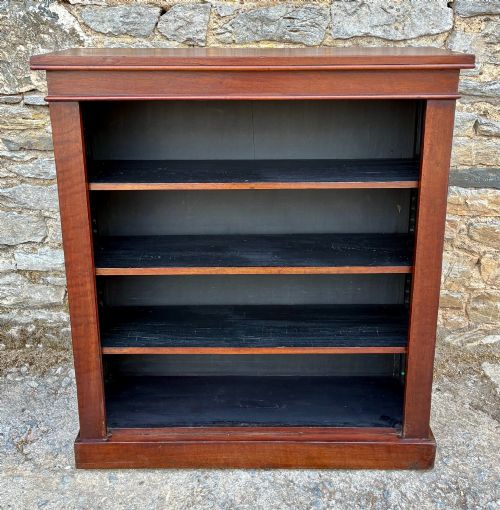
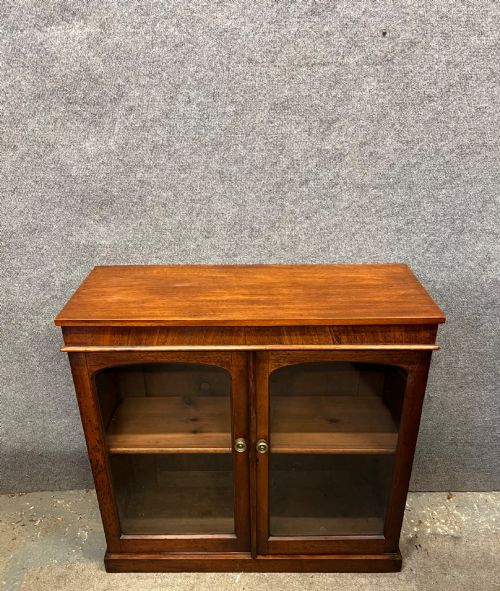
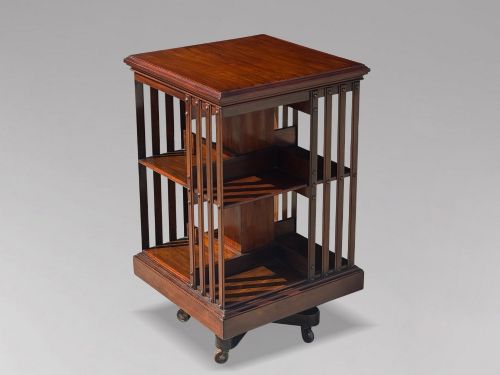
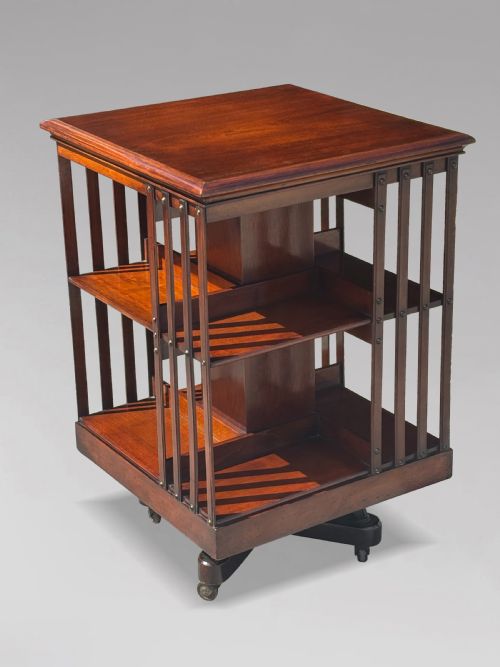
A victorian mahogany bookshelf provides accessible tiered storage for volumes within nineteenth-century domestic interiors. These pieces appear most frequently as open bookcases with adjustable shelves or as revolving bookcase formats from the late Victorian period.
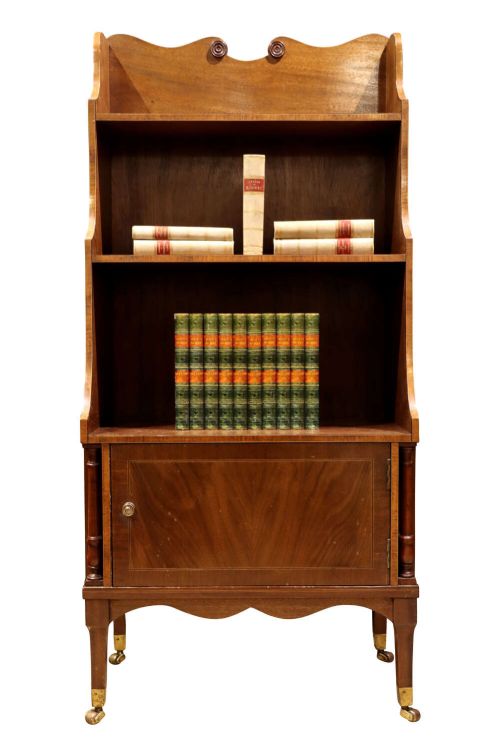
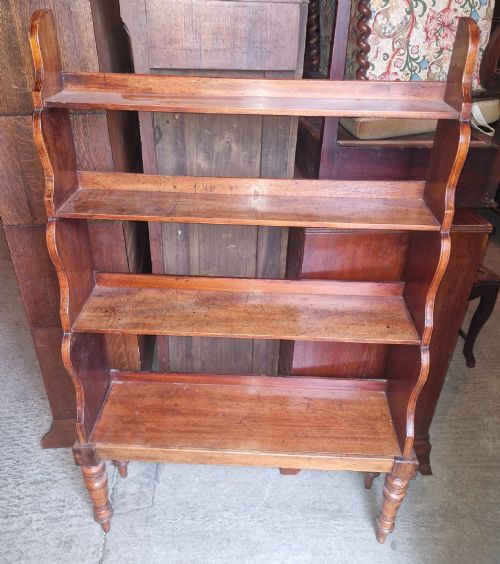
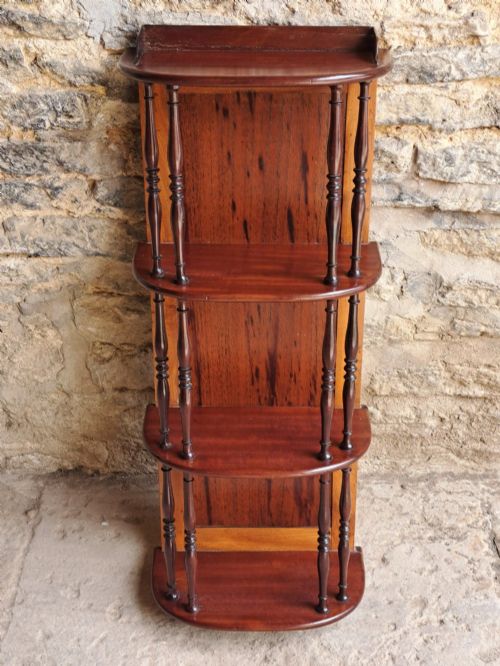
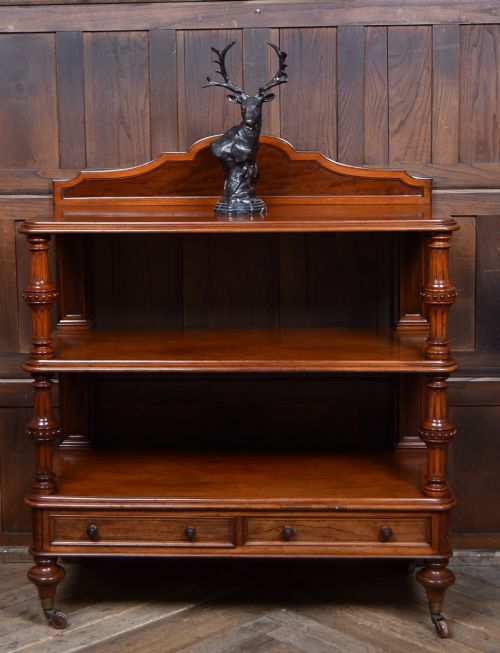
Buyers encounter variations ranging from tall two-part tall constructions and breakfront formats down to compact demi-lune whatnot bookshelves. The selection includes both straightforward upright storage and rotating designs intended for tabletop or floor placement.
Origins span the nineteenth century, with specific dates clustering around the 1880s and 1890s alongside examples from the early twentieth century. These configurations reflect the Victorian requirement for organised book storage in studies, libraries, and parlours.
Materials and Construction
Makers built these pieces primarily using mahogany, often supported by secondary timbers such as pine and softwood for interior framing and backing. Structural hardware incorporated brass components and cast iron mechanisms, particularly within revolving designs.
Surface finishes include traditional polished wood treatments alongside occasional painted or leather-accented details. Construction methods prioritized stability to support heavy rows of bound books across multiple adjustable shelves.
Retail Price Guide 2026
Typical UK retail prices for victorian mahogany bookshelf, calculated from the Sellingantiques database of over a million retail prices indexed since 2003. This retail price guide relies exclusively on Sellingantiques data; no external sources or auction records are used, so the figures do not describe the wider market.
The inventory records pieces dated from the 1880s, 1890s, and 1910 alongside nineteenth-century formats.
Distinction in Quality
Quality separates standard utilitarian storage from superior cabinetwork through the selection of timber figure and the precision of shelf adjustment mechanisms. Large breakfront and two-part tall constructions demonstrate more ambitious architectural proportions than simple single-tier stands.
The sophistication of internal joinery and the integration of durable brass or cast iron hardware distinguish finer workshop output from basic domestic furniture. Timber selection dictates the visual depth of the mahogany grain across the primary facade.
The Victorian Mahogany Bookshelf Glossary
- Mahogany
- A durable tropical hardwood prized for its rich reddish-brown colour and stable grain, forming the primary material for these pieces. It takes a high polish and resists warping.
- Open Bookcase
- A bookcase design without glazed or wooden doors, allowing direct access to the volumes stored within. These units frequently incorporate adjustable shelving.
- Revolving Bookcase
- A rotating furniture form mounted on a central pivot, allowing users to access books from all sides while occupying a compact footprint. They often feature cast iron internal hardware.
- Demi-Lune
- A half-moon shape used for wall-adjacent whatnot bookshelves and small stands, maximising floor space while providing curved display tiers. This silhouette appears in specialised Victorian shelving.
Frequently Asked Questions
How do I adjust the shelves?
Adjustable shelves rest on internal supports integrated into the upright sides of the bookcase.
Lift each shelf slightly to clear the supporting pins or tracks before repositioning it at the desired height.
Where should I place a revolving bookcase?
Revolving bookcases suit corners or open floor spaces where users require access from multiple angles.
Ensure adequate clearance around the perimeter of the stand to allow smooth rotation without striking nearby furniture.
What is a two-part tall bookcase?
A two-part tall bookcase consists of stacked upper and lower sections designed for substantial room heights.
This modular construction assisted with transport and installation in Victorian homes before being secured in place.
How do I clean mahogany wood?
Dust mahogany surfaces regularly with a soft, dry cloth to prevent particulate buildup on the polished finish.
Avoid excessive moisture and chemical cleaning agents that can degrade the traditional timber polish over time.