

Antique Library Shelves
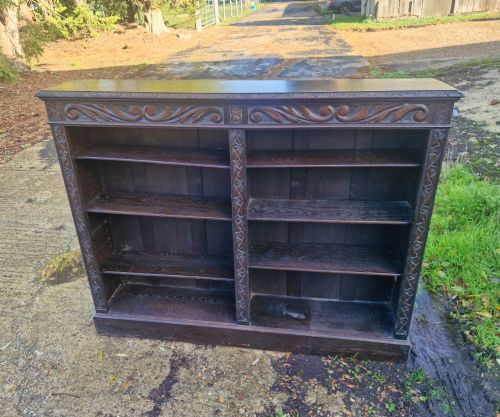
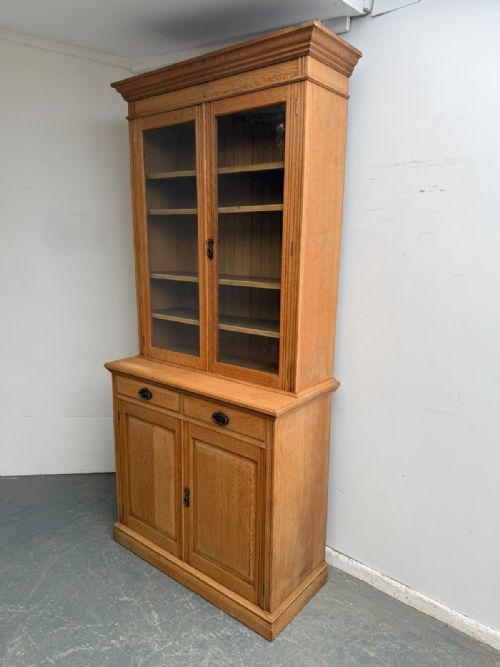
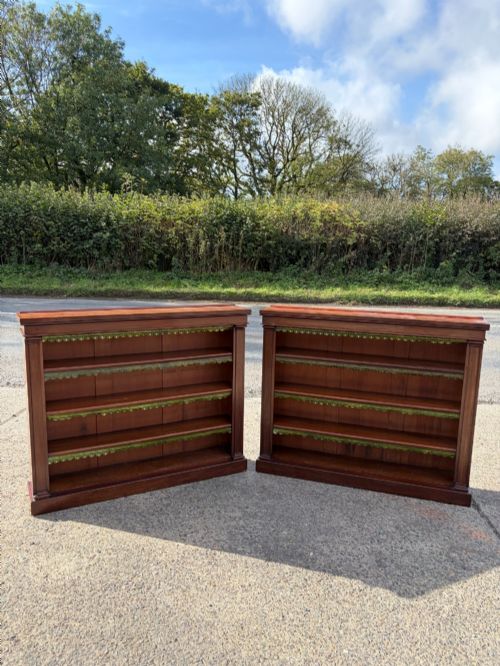
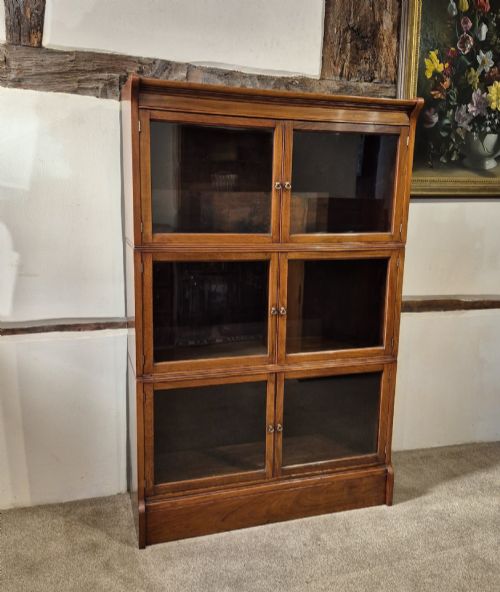
Antique library shelves hold centuries of volumes in open mahogany, oak, and walnut bookcases designed for daily scholarly study.
Antique Library Shelves
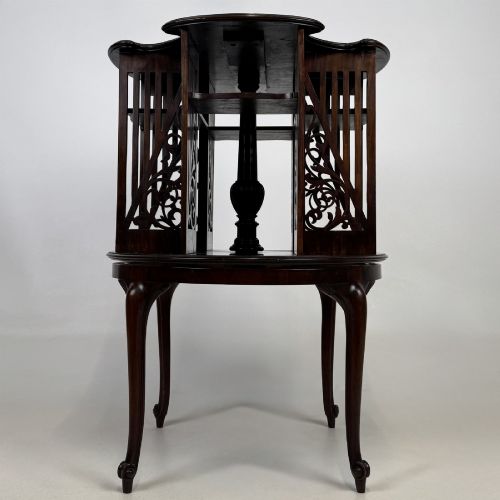
When buyers search for antique library shelves, they encounter a range of open bookcases, revolving bookcases, tier stands, and library trolleys originating from the nineteenth and early twentieth centuries. These pieces span Victorian, Edwardian, and Regency periods, providing functional book storage for domestic and institutional studies.
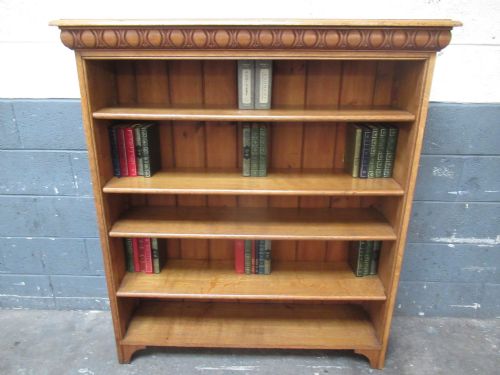
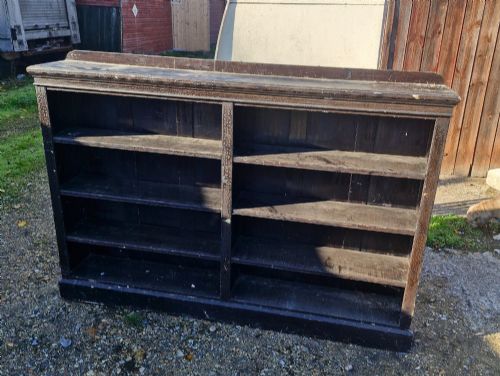
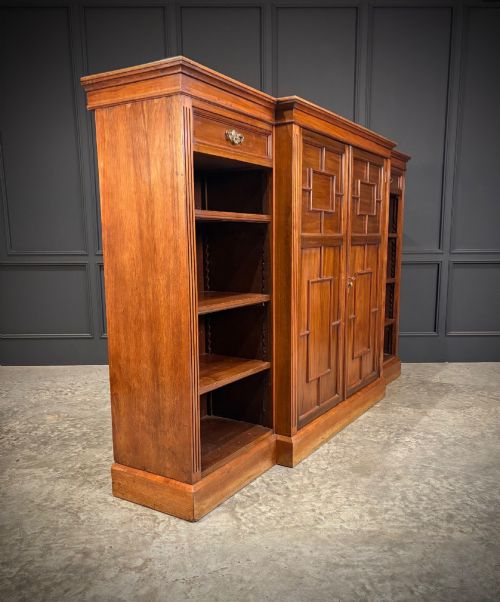
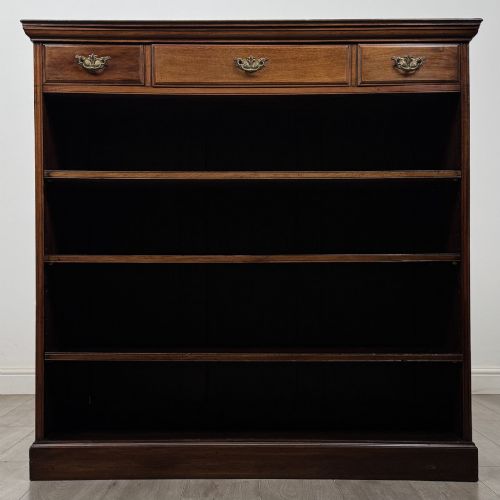
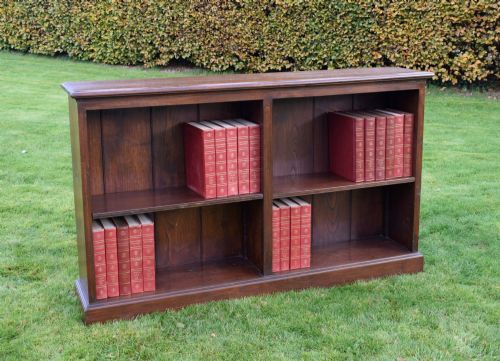
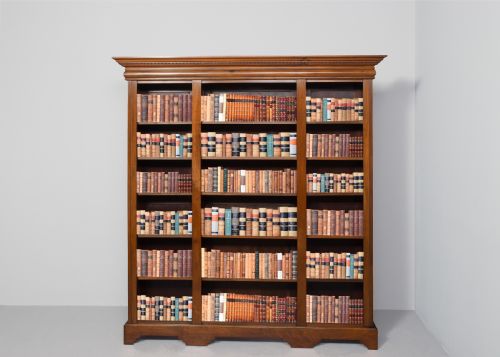
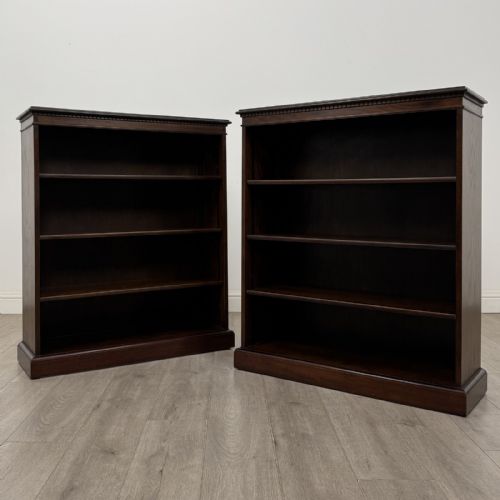
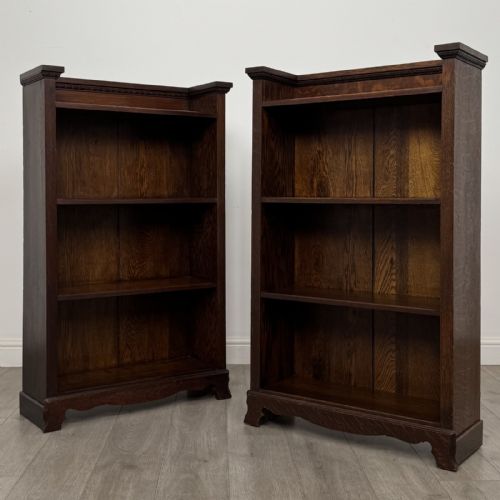
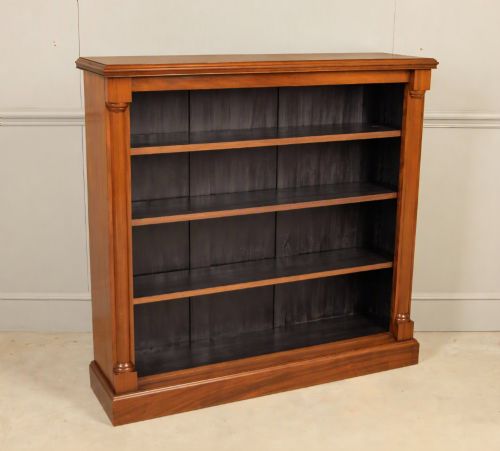
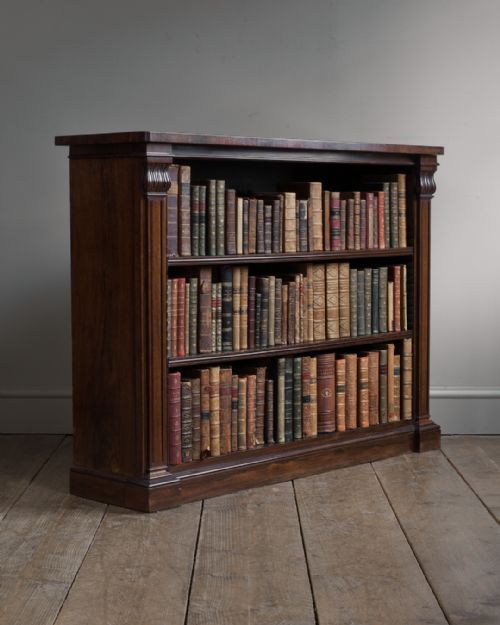
The most common forms on this page are open mahogany and oak bookcases equipped with adjustable shelves. These vary from tall library cabinets to low dwarf bookcases, alongside specialised pieces like revolving bookcases and waterfall bookcases.
Originating predominantly from British workshops, these utilitarian items reflect the shifting interior styles of the nineteenth century, moving from heavy William IV and Regency proportions to lighter Edwardian and Aesthetic Movement designs.
What varies in quality
The standard of an antique bookcase rests on the selection of timber and the precision of its joinery. Superior examples display carefully matched grain patterns across expansive surfaces, tight dovetailing, and robust structural framing that supports heavy volumes without sagging.
Mechanism functionality also divides the range, particularly the smooth operation of adjustable shelf systems, revolving spindles, and double-sided desk configurations. Finer pieces retain original brass fittings and clean interior linings.
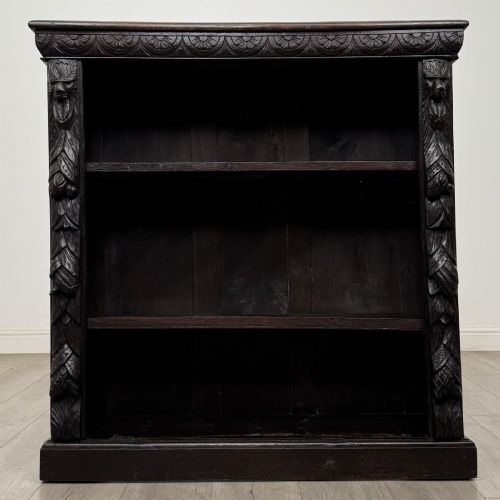
Proportion and stylistic cohesion separate standard utility furniture from finer commissions. Pieces exhibiting restrained neoclassical carving, aesthetic movement ebonising, or balanced waterfall tiers command closer attention from discerning collectors.
Antique Library Shelves Retail Price Guide 2026
Typical asking prices for library shelves among the pieces listed under this phrase on Sellingantiques today, from the lower quarter to the upper quarter. They describe what is for sale here now, not the wider market.
The inventory includes revolving bookcases, waterfall shelves, partners desks, and traditional open library bookcases.
Johnstone and Jeanes
The Antique Library Shelves Glossary
- Open bookcase
- A piece of furniture designed for book storage featuring unobstructed front access rather than glazed doors. These typically contain adjustable timber shelves supported by wooden or brass tracks.
- Waterfall bookcase
- A stepped shelving unit where each ascending tier is narrower than the one below, creating a cascading profile. These appeared frequently in Regency and later Edwardian forms.
- Revolving bookcase
- A compact, freestanding book stand mounted on a pivot mechanism that allows the entire unit to turn smoothly. These units allowed immediate access to multiple volumes from a seated position.
- What-Not
- An open tiered shelving stand utilised for displaying books, ornaments, or small objects. They rose in popularity through the Regency and Victorian eras.
- Adjustable shelves
- Shelving secured on movable supports rather than fixed dado grooves. This innovation allowed libraries to accommodate books of varying heights.
Antique Library Shelves: Frequently Asked Questions
How do I adjust the shelves?
Most nineteenth-century bookcases use either wooden ratchets or brass shelf pins fitted into vertical side grooves. You simply lift the shelf slightly to disengage the pins from their slots and relocate them to the desired height.
Heavier Victorian and Edwardian library cabinets often feature robust brass tracks screwed into the interior carcase walls, allowing precise incremental adjustments for large folios.
Were these made for homes or institutions?
Antique library shelves served both domestic gentleman's studies and grand country house libraries. Smaller open bookcases and revolving stands were tailored for residential sitting rooms and drawing rooms.
Larger tall library cabinets and double-sided partners desks originated from institutional study spaces, legal offices, or extensive private libraries where maximum book storage was essential.
How do I tell Victorian from Edwardian pieces?
Victorian bookcases generally lean toward heavier proportions, darker mahogany or walnut timbers, and deep carved ornamentation. They often display classical revival motifs or gothic influence in their architectural cornices.
Edwardian pieces tend to feature lighter golden oak or inlaid satinwood surfaces, adopting simpler lines influenced by the Arts and Crafts movement or twentieth-century traditionalism.
How should I care for timber shelves?
Maintain a stable room environment away from direct heat sources and strong sunlight to prevent the timber and veneers from drying out or splitting. Dust regularly with a dry, soft cloth rather than using silicone-based sprays.
Applying a traditional beeswax polish occasionally will nourish the wood grain and preserve the rich patina developed over the centuries.