






Double Section Bookcase
A double section bookcase offers substantial tiered storage, and these timber library and breakfront forms bring both presence and purpose to a room.
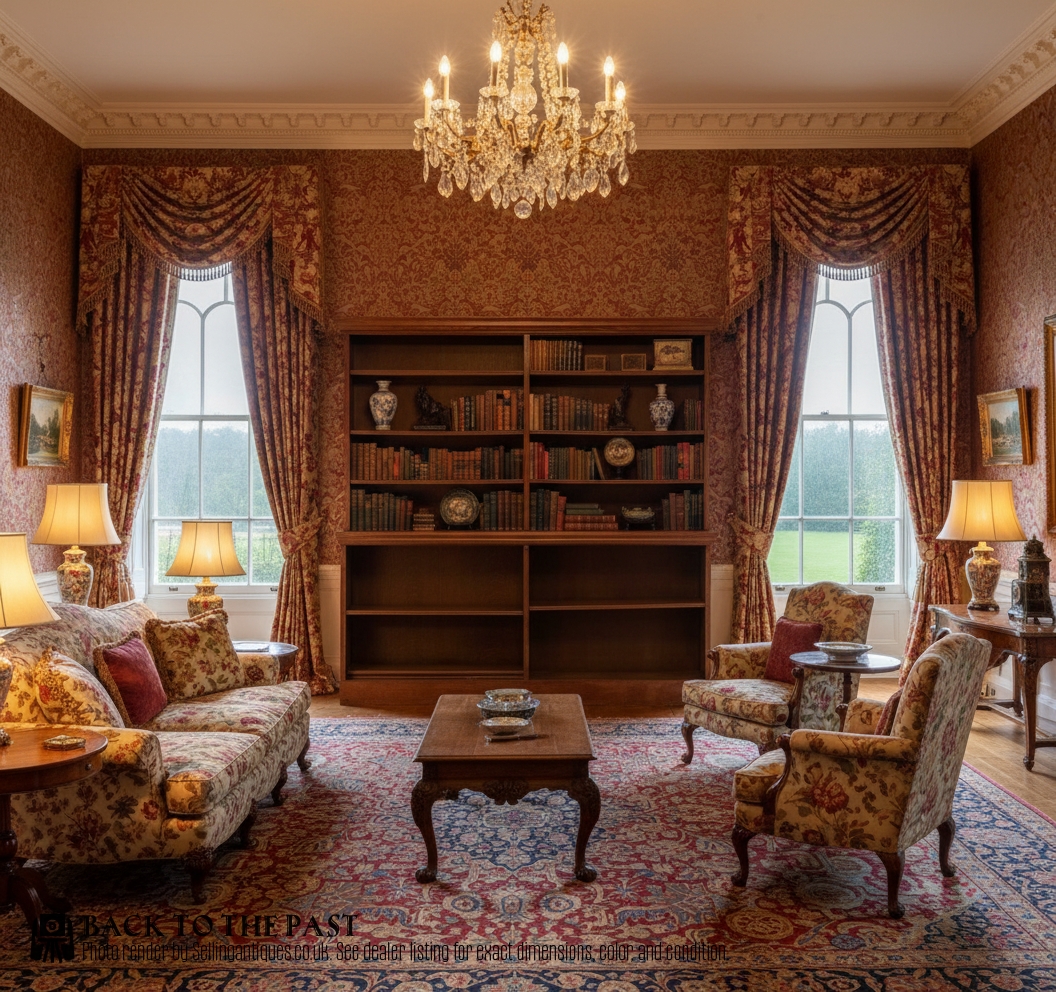
What They Are
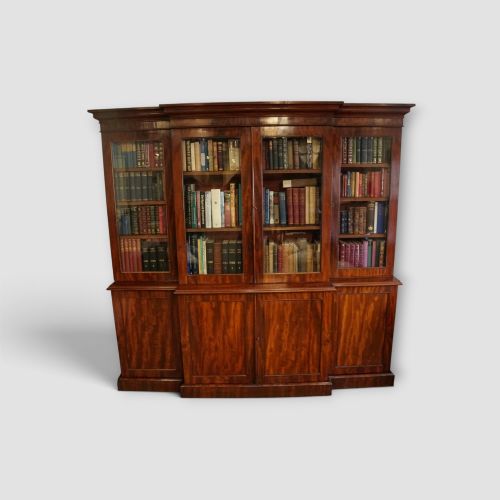
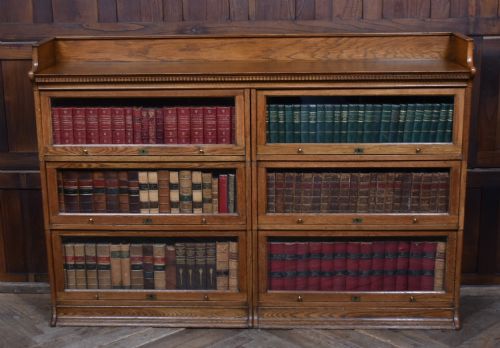
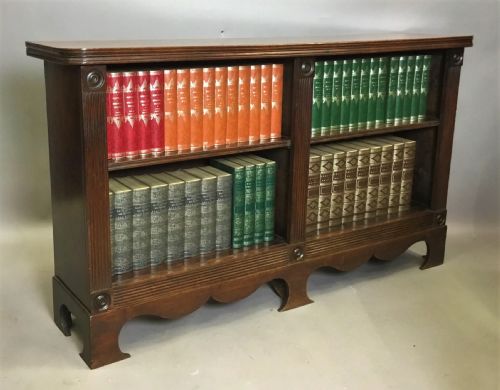
A double section bookcase provides large-scale shelving housed within compartmentalised wooden frames, often constructed in separate upper and lower tiers or divided vertical bays. Buyers seeking a double section bookcase will encounter formats ranging from George III satinwood to Victorian and Edwardian iterations in mahogany and oak.
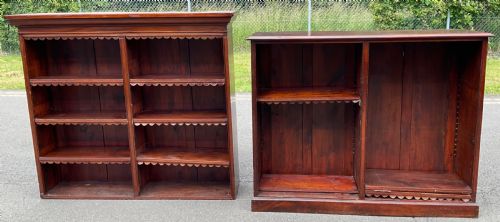
The evidence records breakfront layouts, tall open designs, and library bookcases fitted with glazed or open fronts. These sturdy pieces reflect domestic and institutional storage traditions from the nineteenth and early twentieth centuries, designed to accommodate extensive collections.
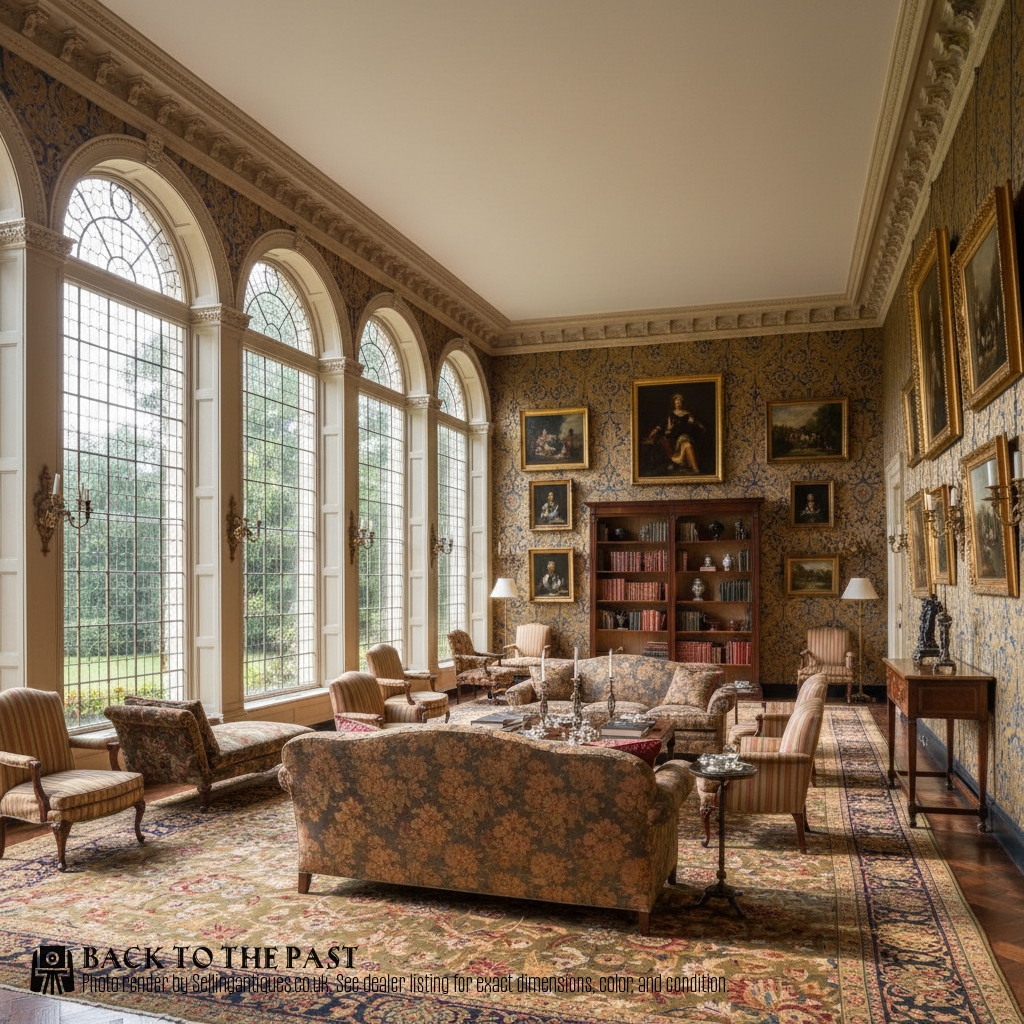
How They Were Made
Cabinet makers utilised dense hardwoods such as mahogany, oak, walnut, and satinwood to build these large architectural carcasses. Timber selection dictated the structural integrity needed to support heavy shelves and large volumes of books.
Glazing bars framed transparent glass panels on enclosed library editions, while brass hardware secured doors and internal fittings. Open configurations employed sturdy pine carcasses faced with finer decorative woods.
Retail Price Guide 2026
Typical UK retail prices for double section bookcase, calculated from the Sellingantiques database of over a million retail prices indexed since 2003. This retail price guide relies exclusively on Sellingantiques data; no external sources or auction records are used, so the figures do not describe the wider market.
Some nineteenth-century readers clearly possessed exceptionally heavy libraries, judging by the sturdy pine carcasses hidden behind fine mahogany.
What Varies in Quality
Superior examples demonstrate refined timber selection and subtle grain alignment across the double section facade, whereas simpler pieces rely on standard utility cuts. The finesse of the glazing bars and the proportion of the architectural cornice distinguish workshop output.
Sophisticated hardware integration and clean separation between upper and lower tiers mark out the finer tiers of production. Plain pine carcass interiors contrast with richly figured mahogany or satinwood exterior surfaces.
The Double Section Bookcase Glossary
- Breakfront
- A cabinet design where the central section projects forward from the flanking wings. This configuration adds architectural depth to large library furniture.
- Glazing bar
- A wooden strip that holds individual panes of glass within a sash door. Finer bars create delicate geometric patterns across bookcase fronts.
- Carcass
- The main structural body or frame of a piece of furniture before drawers, doors, and shelves are fitted. It provides the foundational support for the entire bookcase.
- Satinwood
- A lustrous, yellow-toned hardwood prized for fine cabinet making during the Georgian period. It offers a pale, reflective surface finish.
Frequently Asked Questions
How do I fit a tall bookcase?
Measure your ceiling height and floor space carefully before committing to a large double section bookcase, ensuring clearance for cornices and skirting boards.
Position the furniture away from direct sunlight and excessive radiator heat to protect antique timber and glass from warping.
Are these bookcases modular?
Many examples utilise a two-part construction, separating into upper and lower tiers or distinct vertical sections for easier transport and installation.
This modular approach was standard practice for heavy nineteenth-century library furniture to facilitate movement between rooms.
How do I care for mahogany?
Maintain the finish by dusting with a soft, dry cloth and occasionally applying traditional beeswax to nourish the timber surface.
Avoid using modern silicone sprays, which can build up and damage the polish of antique mahogany and oak.