


Edwardian Library Bookcase
An edwardian library bookcase brings architectural presence and reliable timber construction to a room, offering generous shelving framed in period detail.
Edwardian Library Bookcase
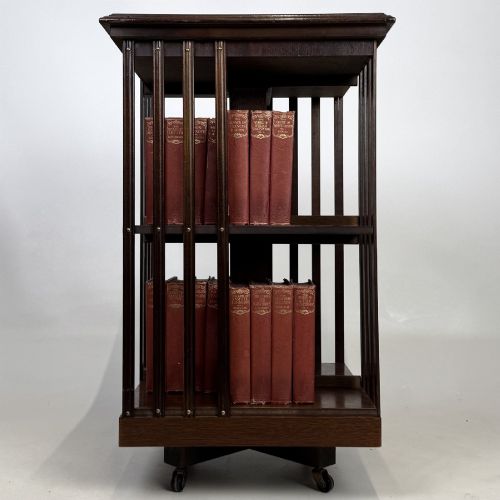
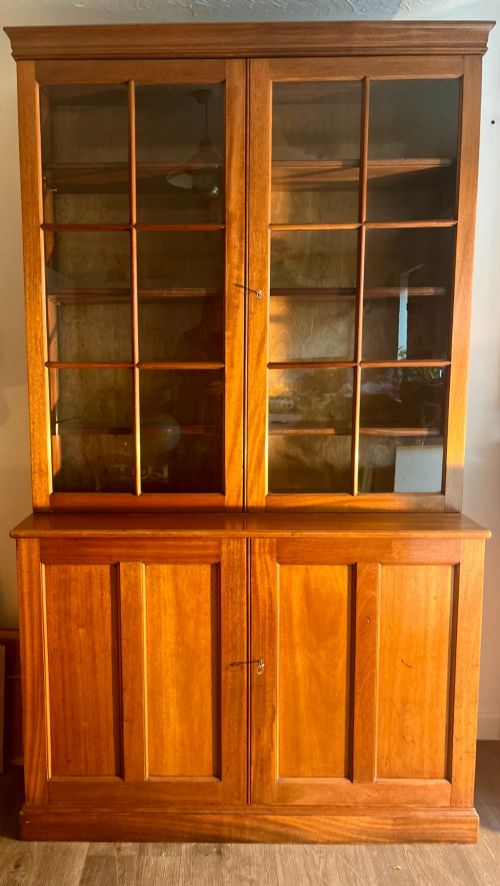
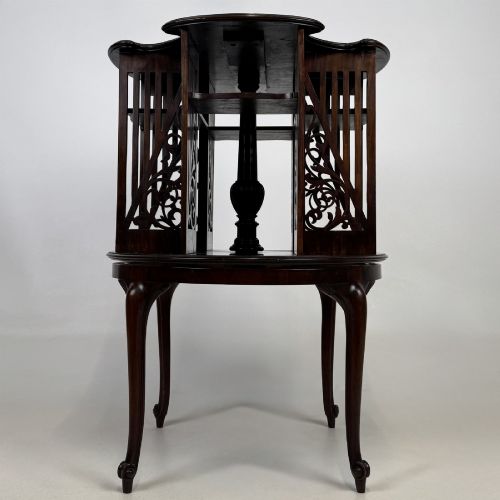
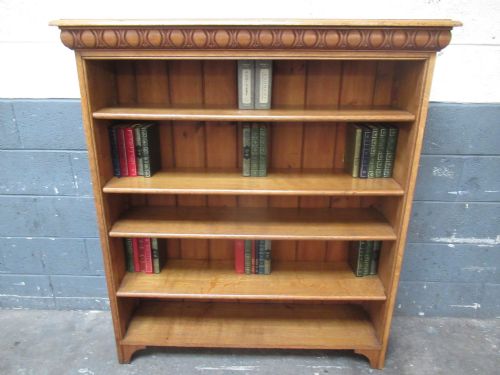
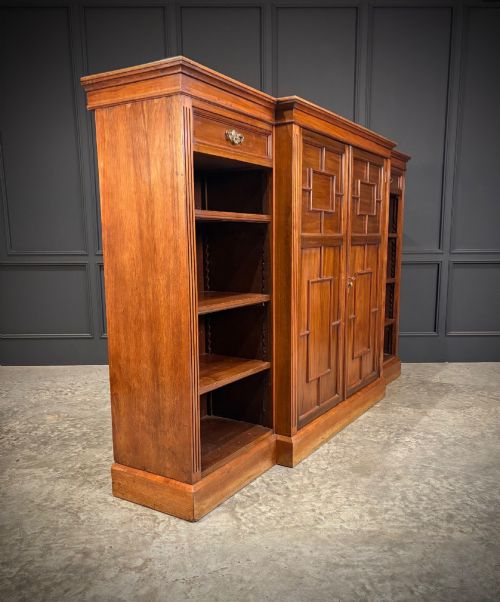
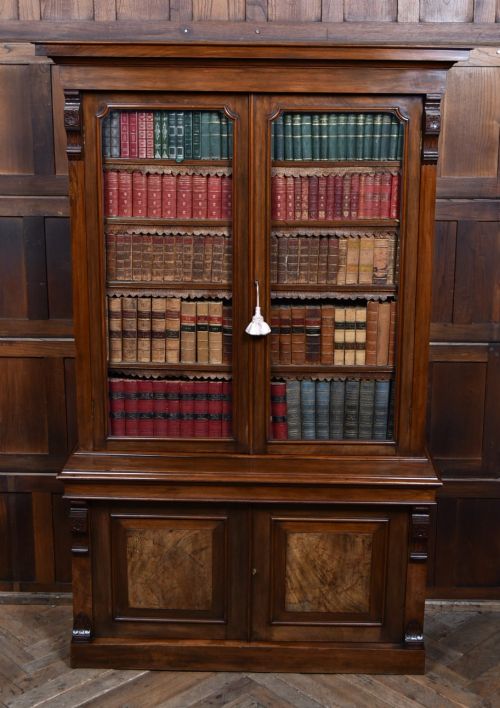
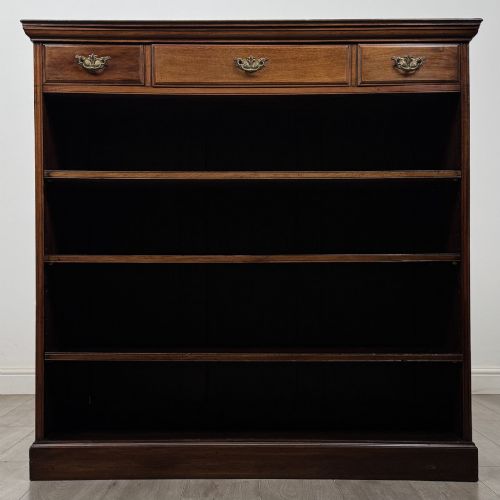
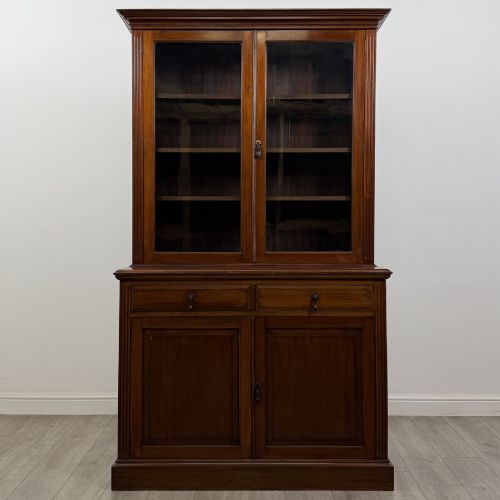
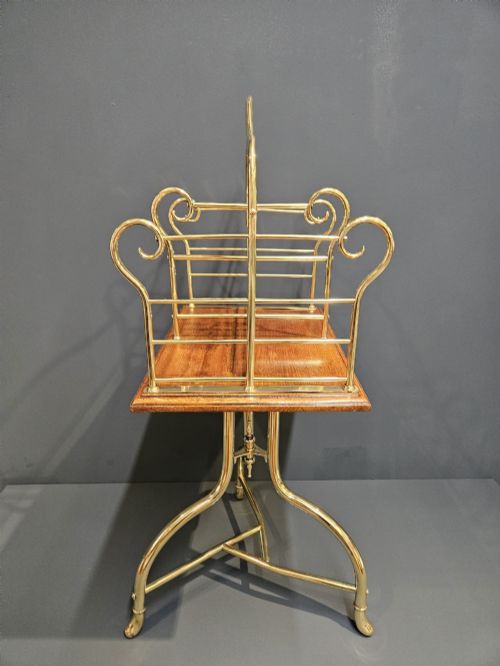
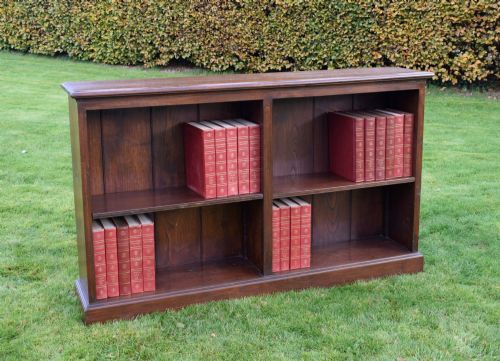
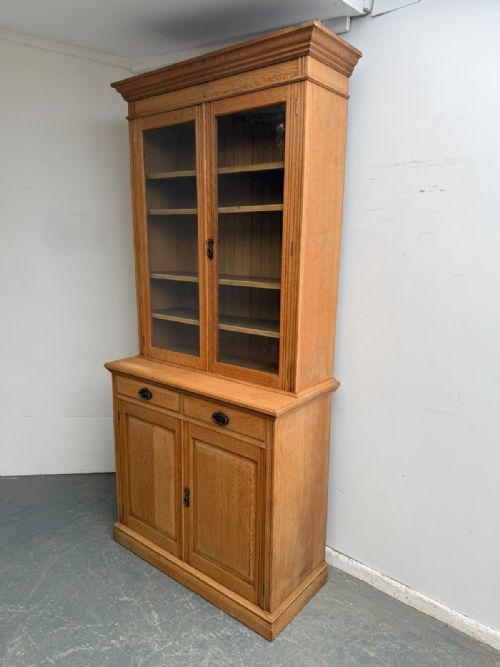
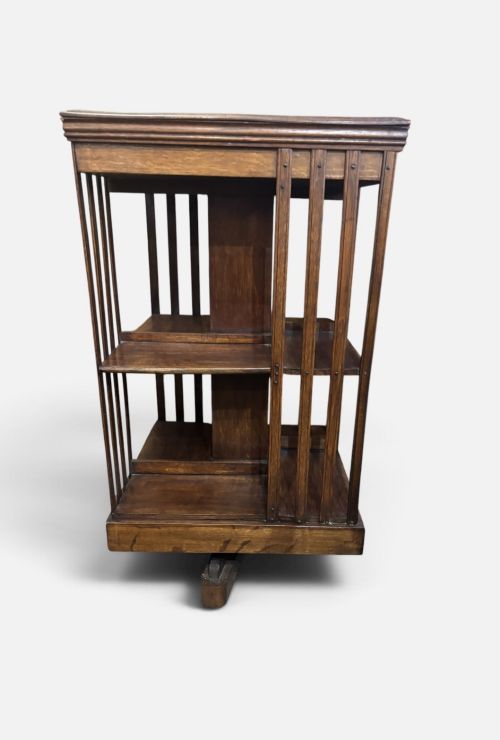
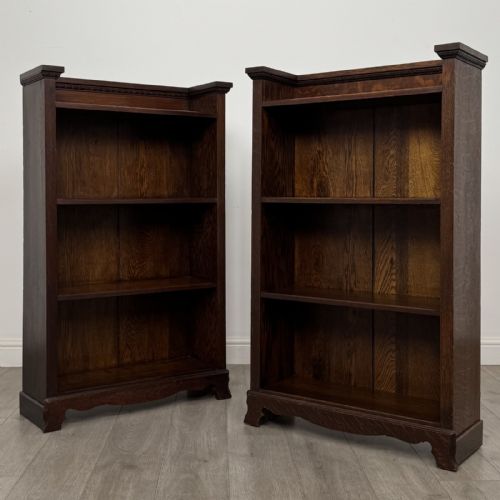
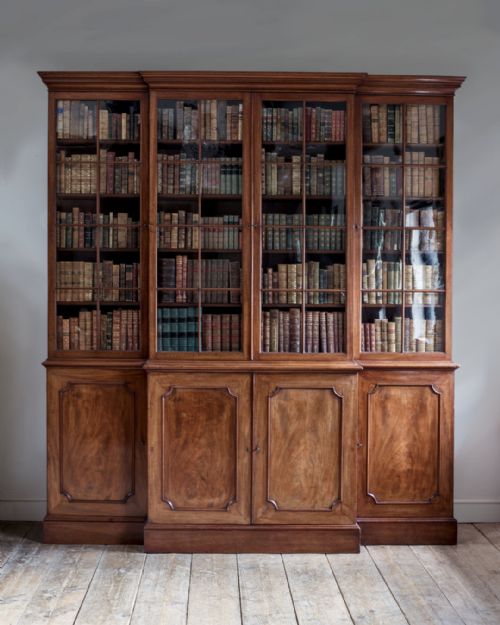
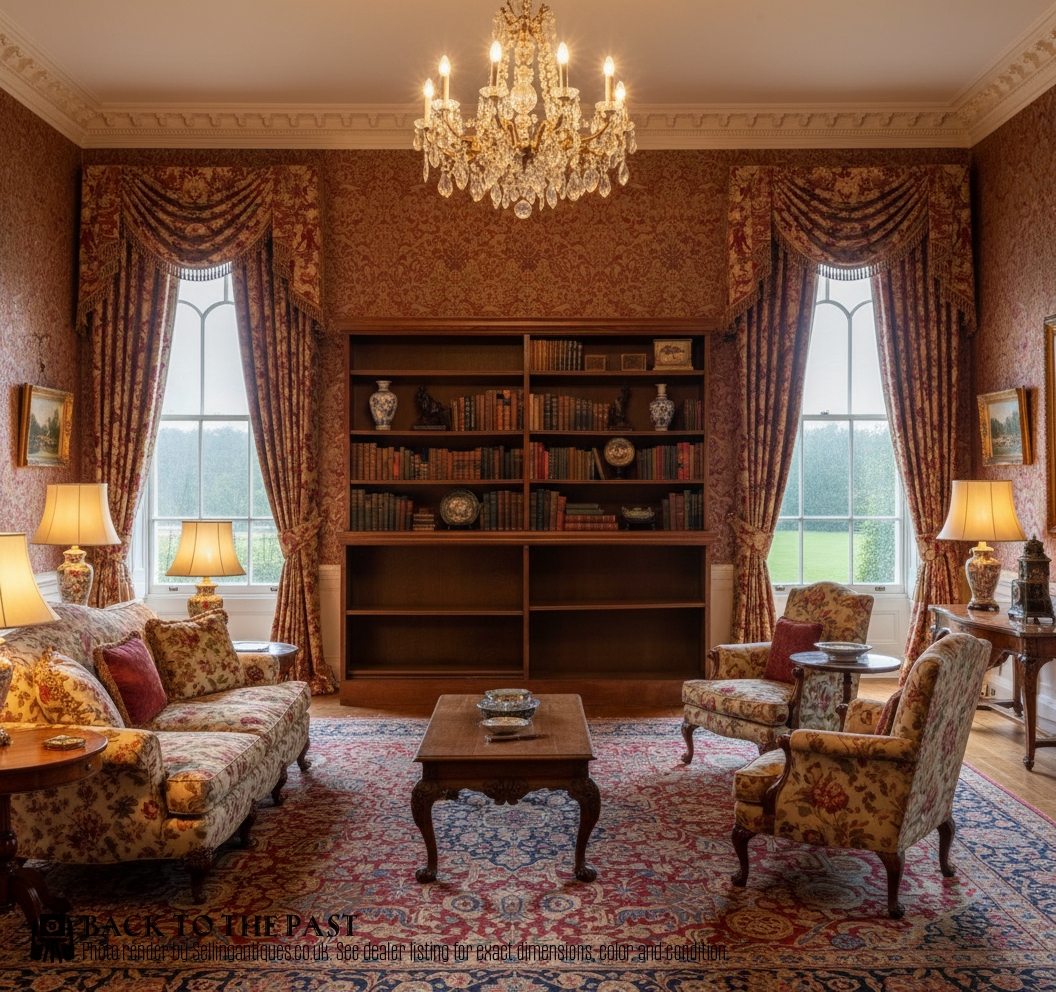
When searching for an edwardian library bookcase, buyers encounter substantial pieces designed to house private collections in domestic studies and reading rooms. The selection includes grand breakfront glazed cabinets, versatile open shelving units, and clever revolving designs meant to sit beside armchairs.
Most examples date from the opening decades of the twentieth century, bridging late Victorian mass and the lighter, refined proportions favoured under Edwardian taste. Mahogany and oak dominate the offerings, frequently enhanced with inlaid timber or glass panel doors.
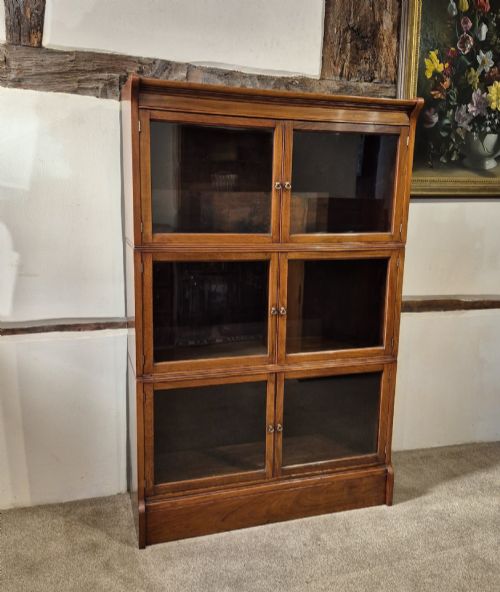
Pieces range from tall sectional stacking cases to long low bookcases with adjustable shelves. Buyers frequently find glazed display cabinets that double as protected bookshelf storage for delicate volumes.
Materials and construction methods
Cabinet makers relied heavily on solid oak and mahogany for structural integrity, utilising burr walnut and satinwood for decorative veneering on prominent surfaces. Brass fittings, iron mechanisms, and leaded or clear glass panes completed the functional hardware.
Joinery techniques combined traditional dovetailed drawer construction with framed and panelled doors designed to prevent timber warping. Many surviving examples incorporate adjustable shelving systems using metal studs or slotted wooden uprights.
Edwardian Library Bookcase Retail Price Guide 2026
Typical asking prices for edwardian library bookcase among the pieces listed under this phrase on Sellingantiques today, from the lower quarter to the upper quarter. They describe what is for sale here now, not the wider market.
Several revolving bookcases appear in the archive, proving that Victorian and Edwardian readers also suffered from indecision over which book to read next.
Distinguishing quality across the range
Quality rests upon the selection of timber figures, where book-matched mahogany or burr walnut veneers demonstrate superior craftsmanship compared to plain utility boards. Fine line inlay, marquetry details, and original brass hardware elevate a standard storage unit into a considered piece of furniture.
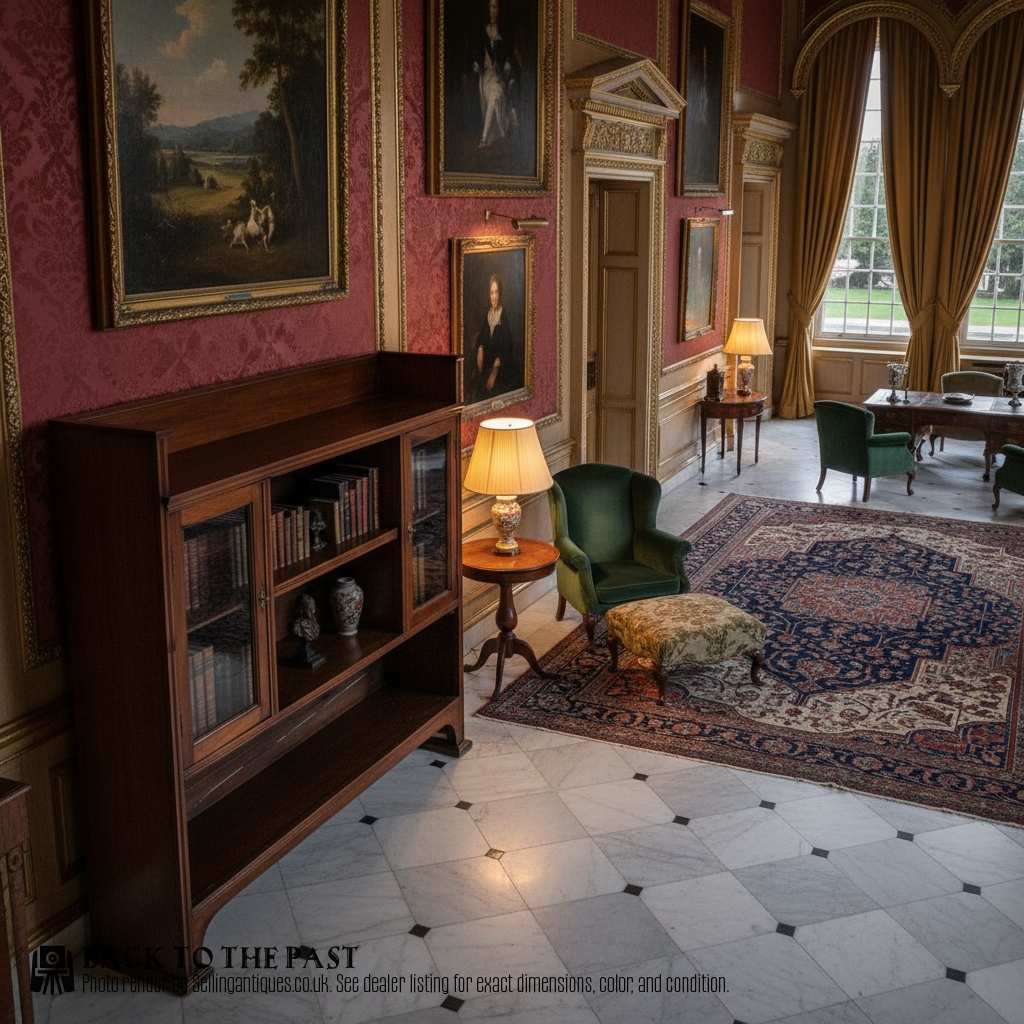
Structural rigidity distinguishes better examples, evident in the smooth operation of glazed doors, tightly fitted joints, and heavy plinth bases that anchor large library cabinets securely to the floor.
The Edwardian Library Bookcase Glossary
- Revolving bookcase
- A compact, rotating shelving unit designed to sit on a tabletop or floor pedestal for easy access to reference books. These pieces frequently turn on a concealed ball-bearing mechanism.
- Globe Wernicke
- A modular stacking bookcase system featuring glazed lifting doors that slide back into the cabinet over the books. This patented design allowed libraries to expand vertically piece by piece.
- Inlay
- The technique of embedding contrasting strips of timber or shell into the primary wood surface to form geometric patterns. Edwardian examples often display delicate boxwood stringing.
- Secretaire
- A cabinet incorporating a pull-down writing flap that conceals small pigeonholes and drawers. This hybrid form combines desk space with upper bookshelf storage.
Edwardian Library Bookcase: Frequently Asked Questions
How do I adjust the shelves?
Many period bookcases feature adjustable shelves supported by brass studs inserted into vertical rows of holes or notched wooden ratchets inside the interior carcass.
Simply lift the shelf clear of its supports and reposition the pins to the desired height to accommodate oversized volumes.
Are the glass panels original?
Original Edwardian glass often exhibits subtle surface ripples, small air bubbles, or slight variations in thickness caused by early manufacturing methods.
Modern replacement glass appears perfectly flat and uniform when viewed under glancing light across the cabinet door.
Can I place a revolving bookcase on carpet?
Revolving bookcases function best on flat, hard flooring where the weighted base can rotate freely without catching on thick pile carpets.
Placing them on uneven surfaces may put lateral strain on the central turning pivot over extended daily use.
How do I care for polished mahogany?
Maintain polished timber surfaces by dusting regularly with a soft, dry cloth and applying natural beeswax sparingly to nourish the grain.
Avoid placing large bookcases near direct heat sources or strong sunlight to prevent the timber from drying and the veneer from lifting.