

Oak Library Bookcase
Solid timber takes the weight of serious volumes, and an oak library bookcase brings architectural presence to any study.
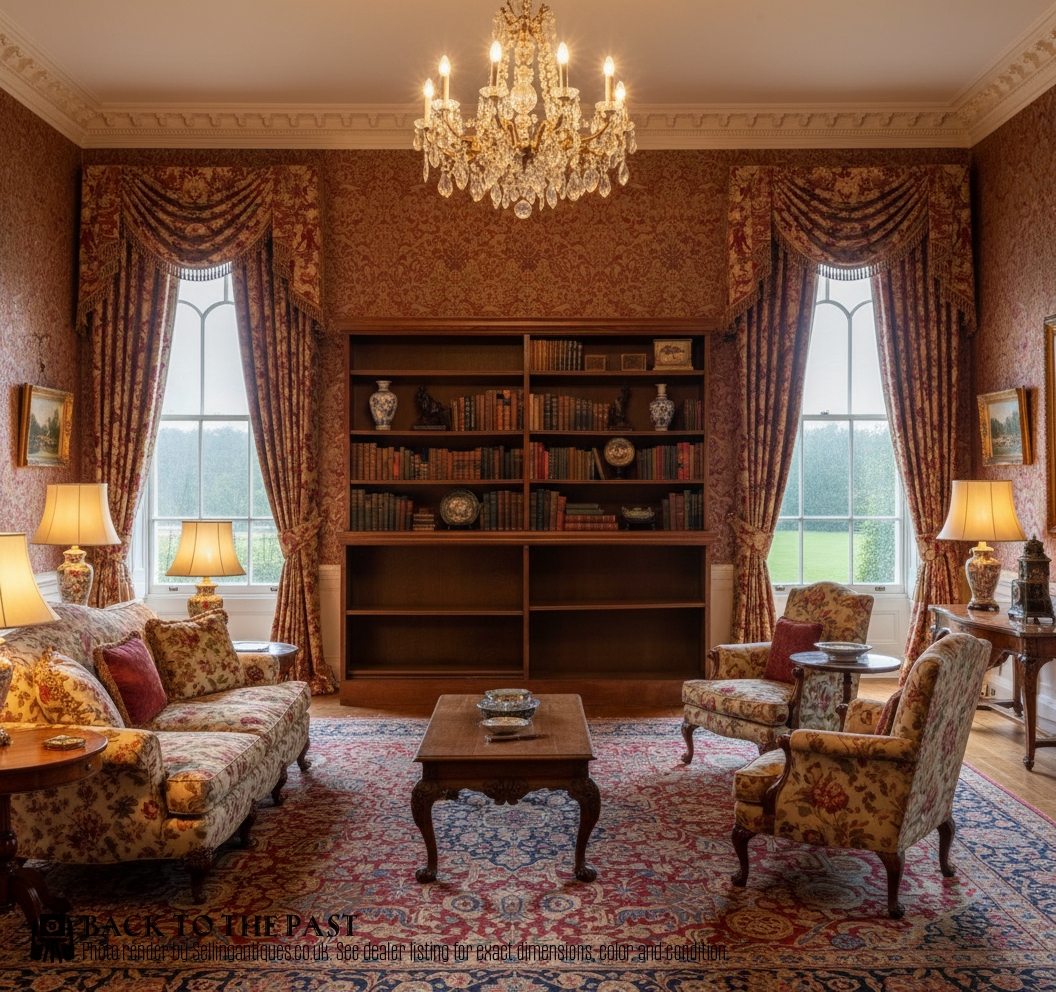
Oak Library Bookcase
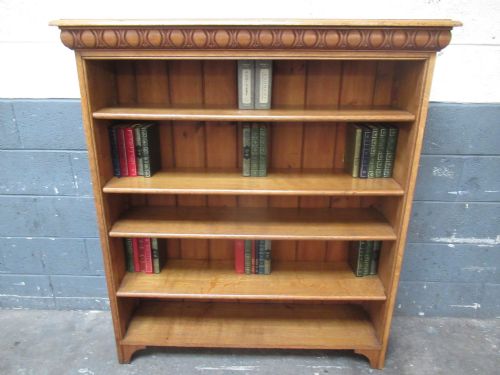
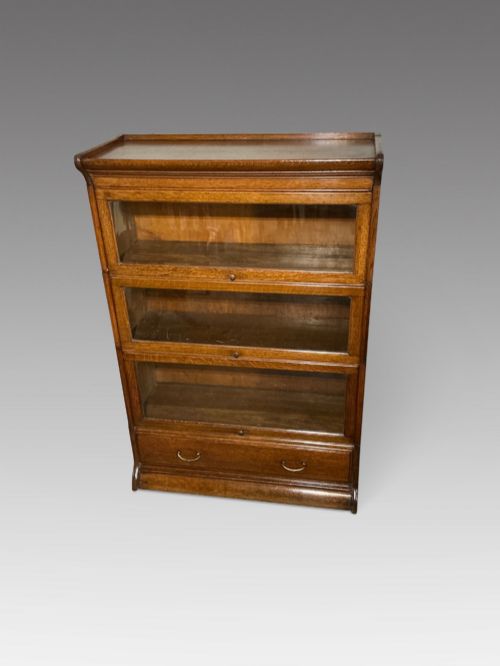
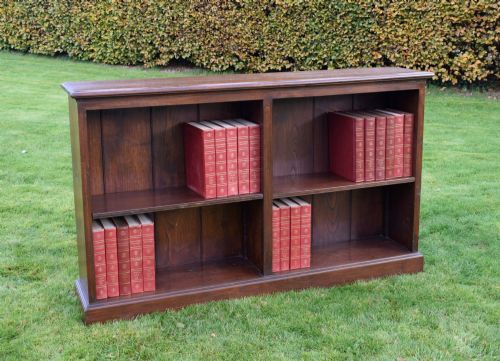
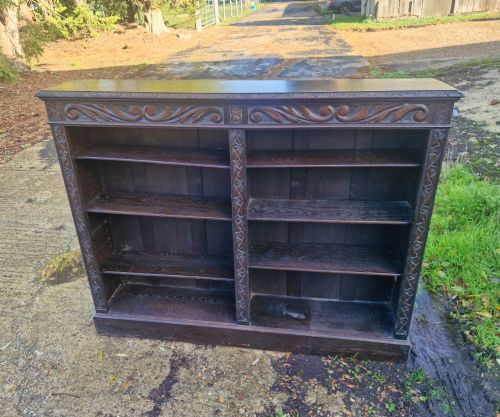
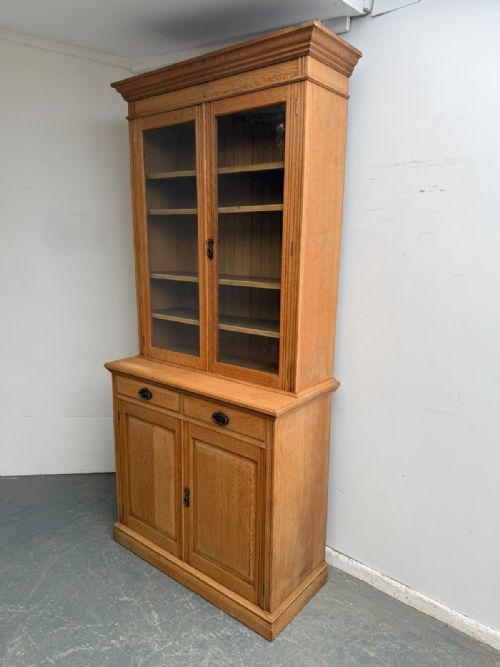
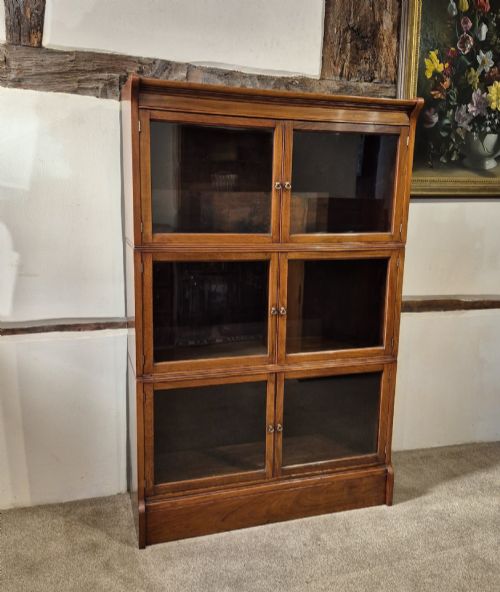
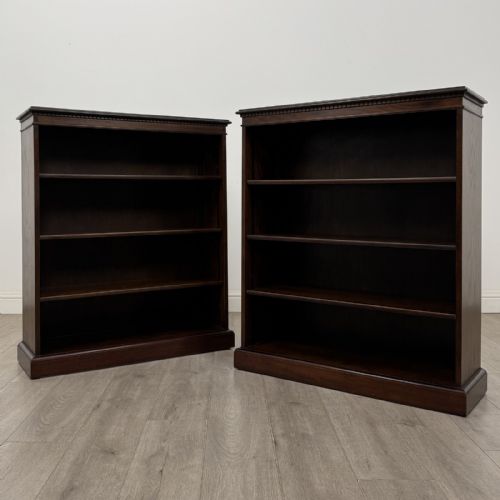
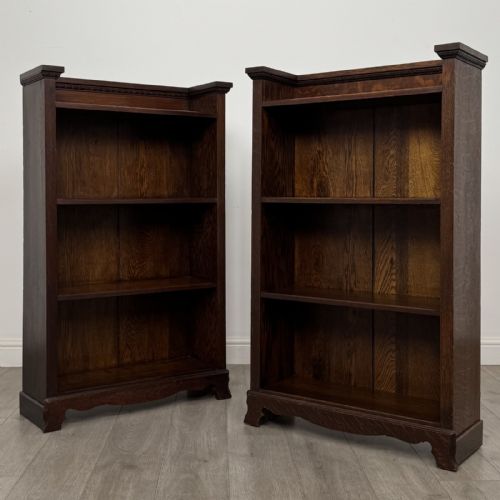
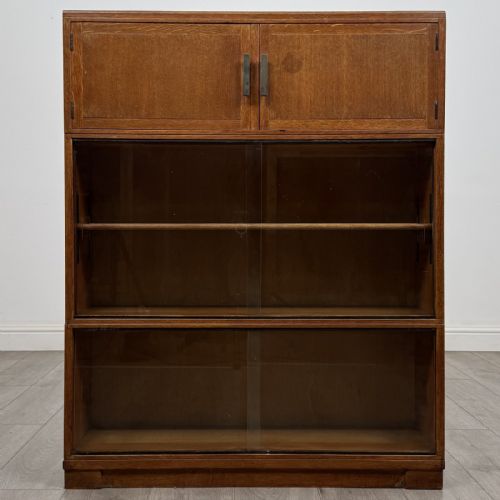
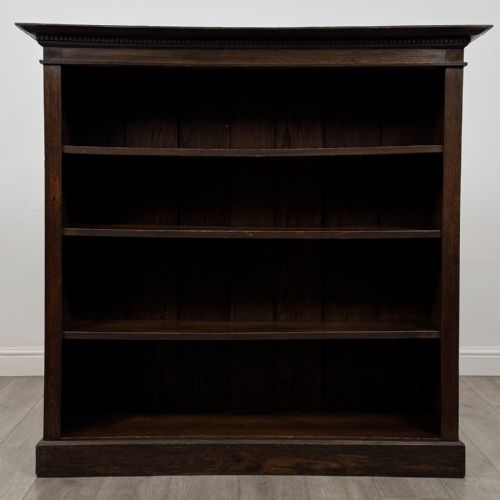
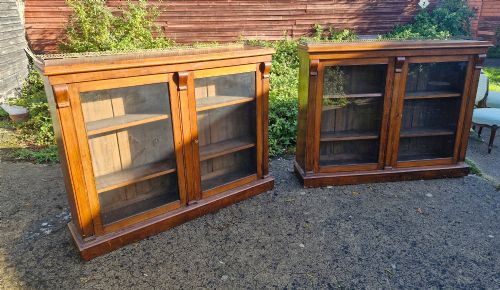
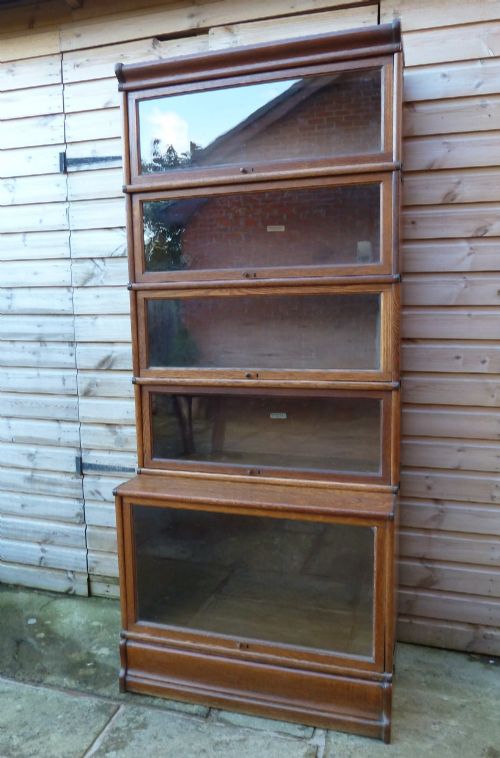
An oak library bookcase provides sturdy shelving and display storage, appearing frequently across Victorian, Edwardian and early twentieth-century examples. Pieces range from tall, glazed double cabinets and breakfront designs to open adjustable shelving units and sectional barrister formats.
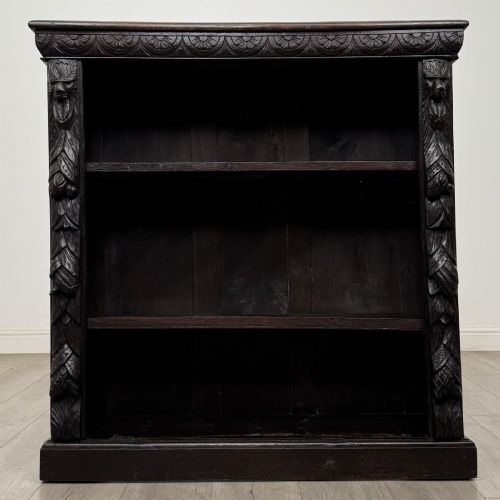
Makers often utilised golden oak, pollard oak and lighter finishes, incorporating styles from Arts and Crafts simplicity to Gothic Revival carving. These pieces served institutional reading rooms and private country houses alike, designed to house substantial collections of books.
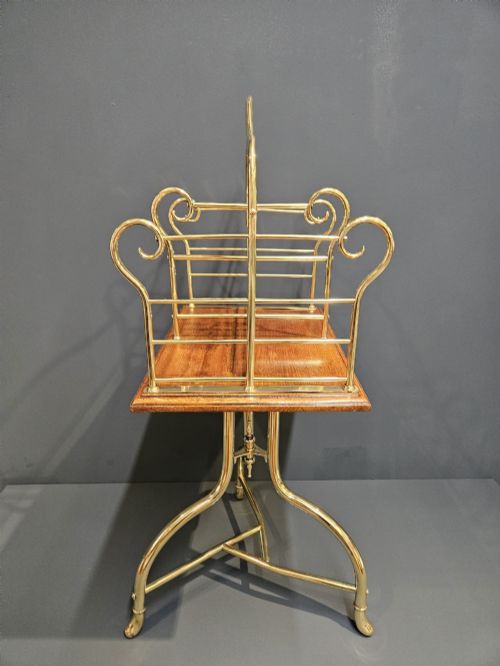
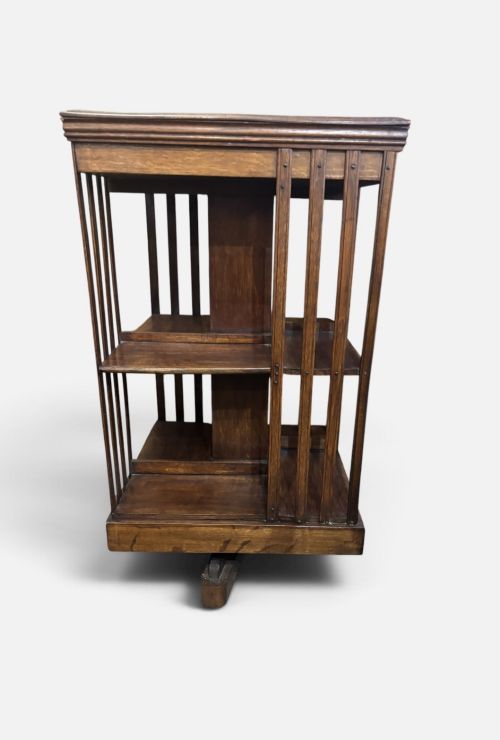
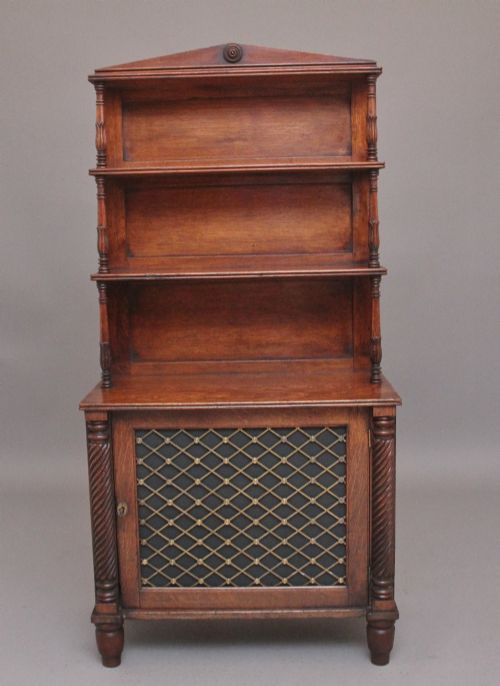
The selection includes revolving desktop models, bureau bookcases combining writing desks, and French library carts alongside standard wall-standing cabinetry. Buyers encounter everything from neat dwarf bookcases to large multi-tier sectional units built for heavy domestic use.

Materials and Construction
Cabinet makers built these structures primarily using solid oak and golden oak veneers over supportive framing, frequently incorporating adjustable wooden shelving tracks. Glazed sections relied on lead, brass fittings and clear or stained glass to protect volumes from dust while maintaining visibility.
Structural integrity depended on robust joinery, with sectional bookcases employing specialised metal hardware for stacking modular tiers securely. Secondary materials like cast iron, brass brackets and occasional mahogany accents provided functional support for heavy moving parts and revolving mechanisms.
Oak Library Bookcase Retail Price Guide 2026
Typical asking prices for oak library bookcase among the pieces listed under this phrase on Sellingantiques today, from the lower quarter to the upper quarter. They describe what is for sale here now, not the wider market.
The inventory records functional pieces ranging from French library carts and revolving stands to large breakfront glazed cabinets.
Standards of Craftsmanship
The distinction between standard utility furniture and superior pieces rests in the selection of figured timber, such as pollard or golden oak, and the crispness of hand-carved ornamentation. Finer examples display meticulous dovetail joinery, well-fitted adjustable shelving systems, and high-grade brass or iron hardware.
Proportion and scale separate workshop output, as larger breakfront and Gothic Revival library cabinets demand precise architectural symmetry. Better makers ensured smooth operation in mechanical elements like revolving stands and sectional barrister doors.
Minty Of Oxford·James Shoolbred
The Oak Library Bookcase Glossary
- Globe Wernicke
- A sectional barrister bookcase composed of stacking modular units with glass doors that lift and slide inside the case. This proprietary design allowed owners to expand their shelving vertically as collections grew.
- Breakfront
- A large cabinet design where the central section projects forward from the flanking wings. This classical arrangement adds visual depth and structural prominence to grand library furniture.
- Adjustable shelf
- A wooden tier supported by movable pegs, ratchets, or metal tracks that allows the interior height to change. This feature accommodates books of varying sizes without wasting vertical space.
- Revolving bookcase
- A compact, rotating design fitted with a internal spindle and cross-base for desktop or floor placement. Users could access multiple sides of books from a stationary seating position.
- Green man
- A sculptural architectural ornament depicting a human face entwined with leaves, vines, or foliage. This decorative motif appears frequently on carved Victorian and Arts and Crafts oak furniture.
Oak Library Bookcase: Frequently Asked Questions
How do I adjust the shelves?
Most period library pieces utilise wooden support pins resting inside vertical rows of drilled holes or adjustable metal rack strips attached to the interior sides. Lifting the timber board allows you to reposition the support pegs into alternative slots.
Heavier Victorian and Edwardian carcases often employ proprietary ratchet systems where metal catches engage with vertical tooth bars. Take care to lift the shelf clear of the catches entirely before attempting to slide the mechanism to a new height.
Are the glass panels original?
Original glazing typically exhibits minor surface imperfections, small bubbles, and slight waviness unique to nineteenth-century and early twentieth-century sheet glass production. Modern replacement glass tends to appear completely flat and uniform under reflected light.
Inspect the putty or wooden glazing beads holding the panes in place for signs of age that match the rest of the carcase. Leaded and stained glass variants should show consistent patina across the metal cames securing each individual piece.
How do I care for oak furniture?
Maintain the timber by applying a traditional beeswax polish sparingly and buffing it with a soft cloth to nourish the grain. Avoid placing solid oak pieces near direct heat sources or rapid temperature changes that cause wood to dry out and split.
Keep glass panels clean using standard non-abrasive glass cleaner applied to a cloth rather than sprayed directly near wooden frames. Dust carved details regularly with a soft brush to prevent accumulation in recessed decorative areas.