
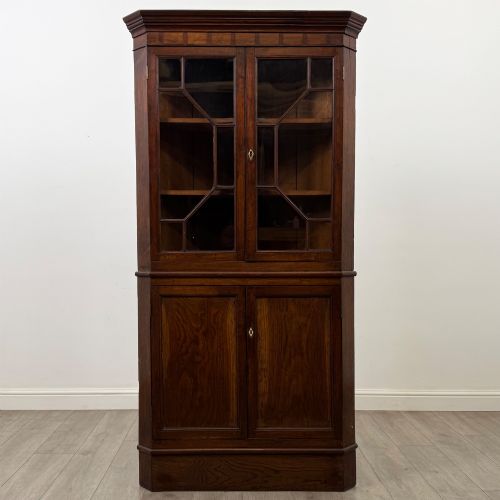
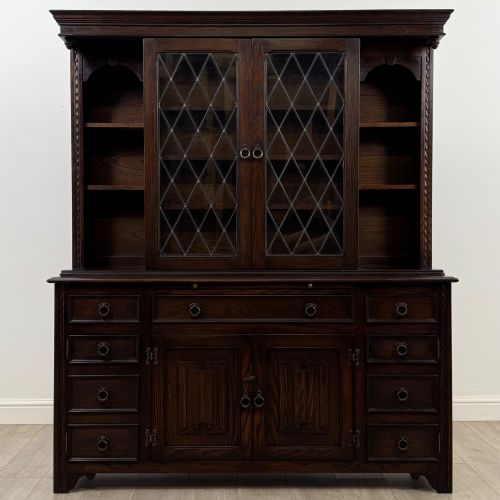
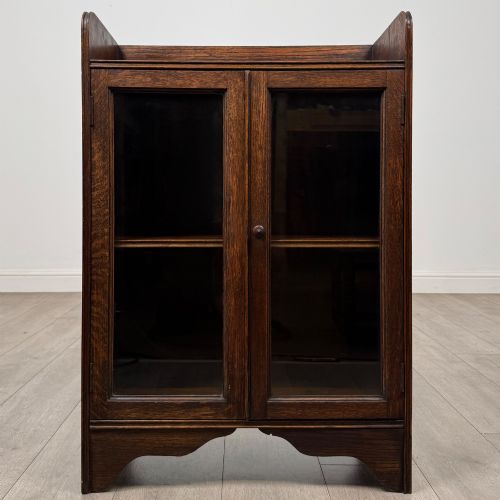
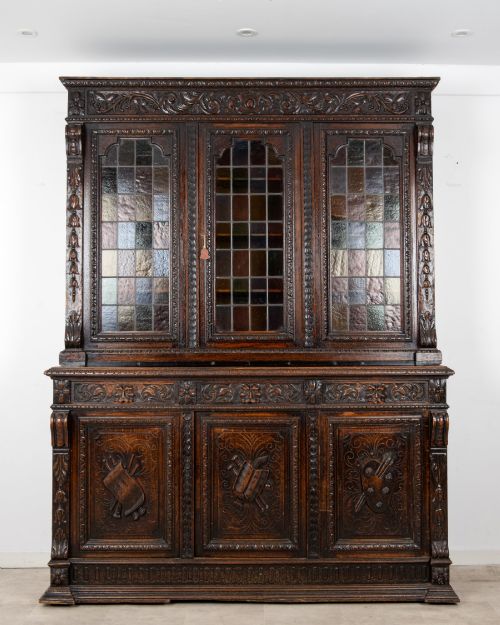
Oak Glazed Display Cabinet
An oak glazed display cabinet brings together timber and glass to hold books, china and collections within a room.
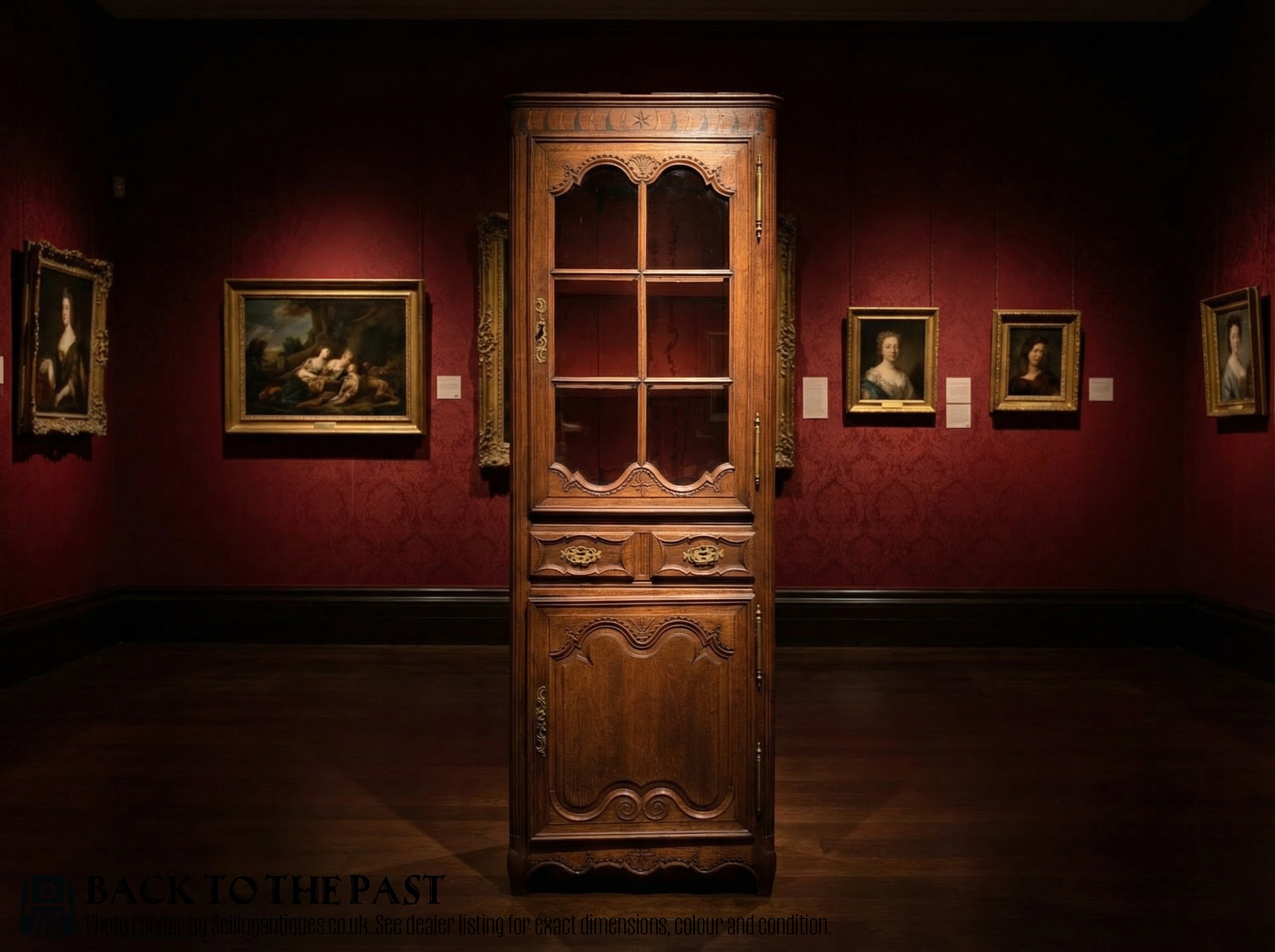
Oak Glazed Display Cabinet
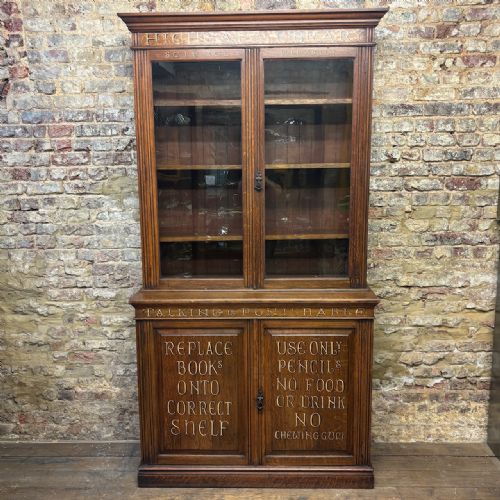
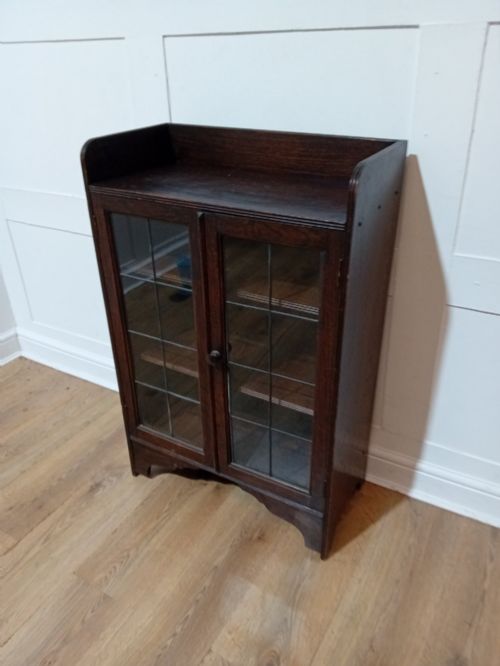
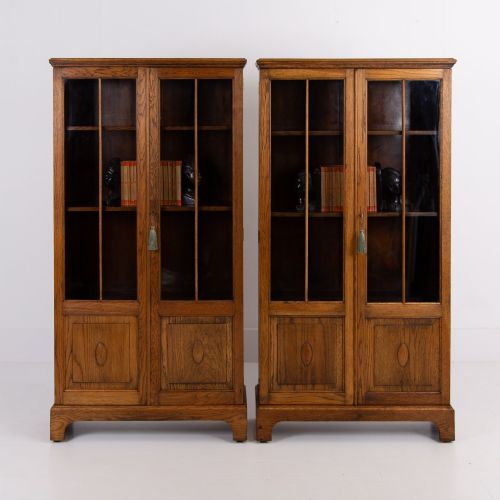
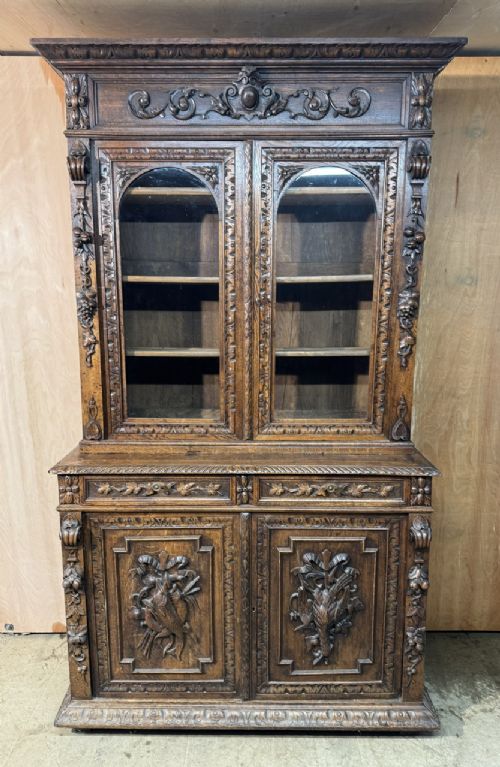
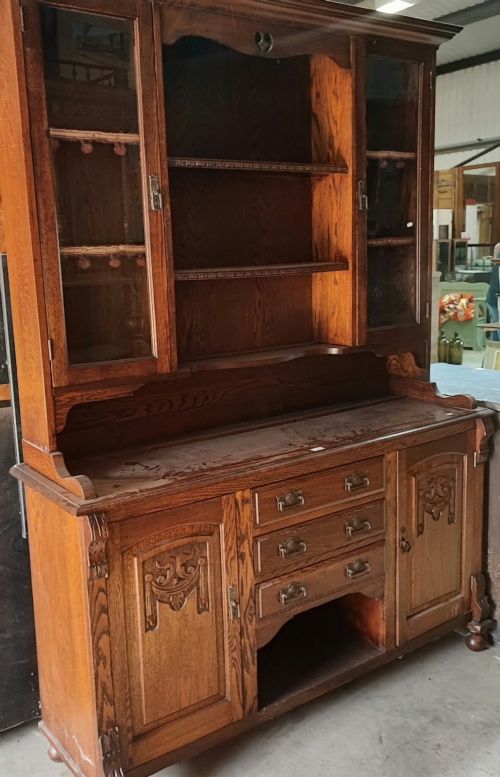
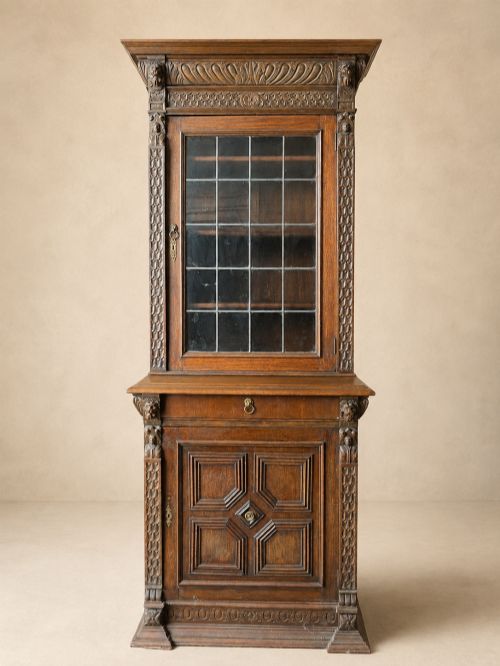
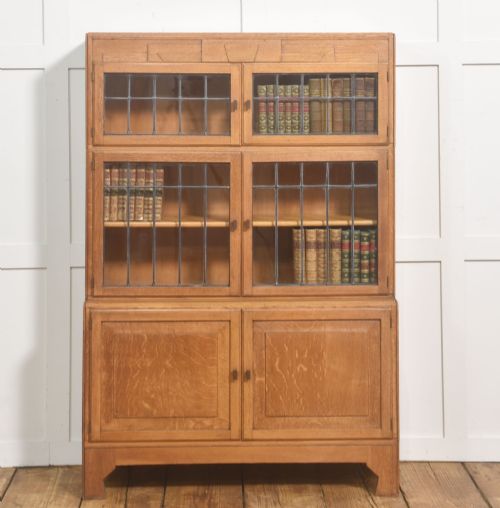
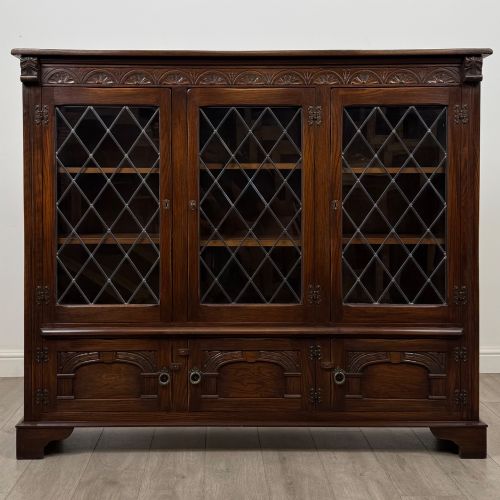
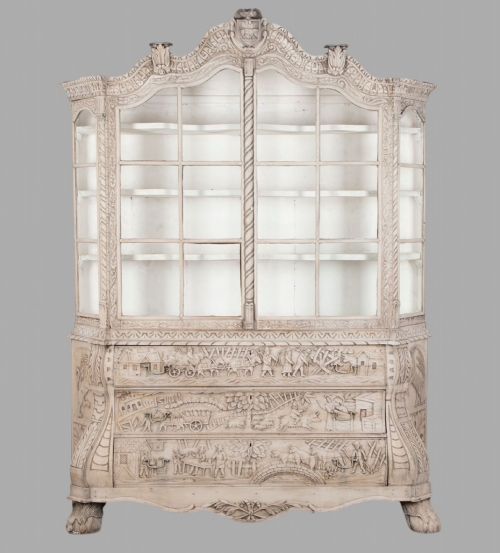
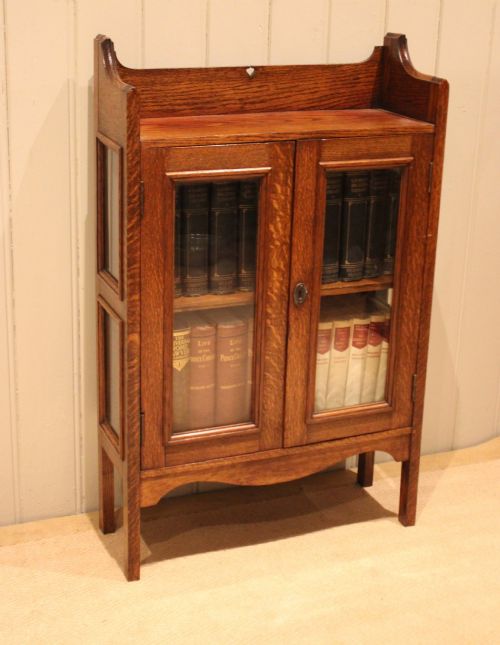
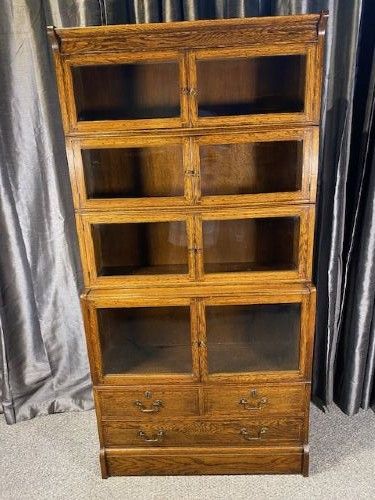
An oak glazed display cabinet serves as a storage piece for books, ceramics and ornaments, appearing across styles from the eighteenth century to the twentieth century. The selection spans straightforward Edwardian and Victorian library bookcases alongside corner cupboards, dresser bases and multi-section stacking systems.
Makers and workshops adapted these storage forms to domestic and commercial interiors, producing everything from compact wall-hanging corner units to large double bookcases. Pieces frequently combine shelving and glass doors, allowing items to remain visible while protected from dust.
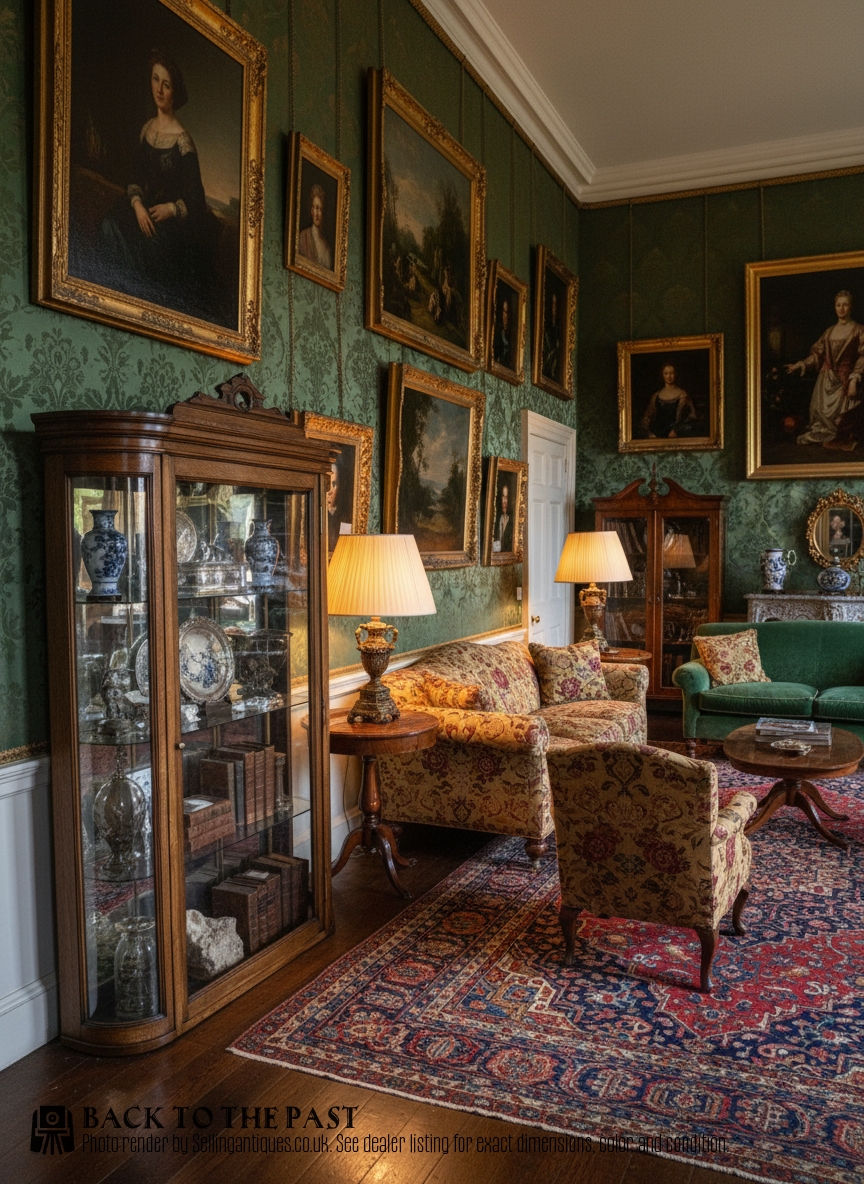
Materials and construction
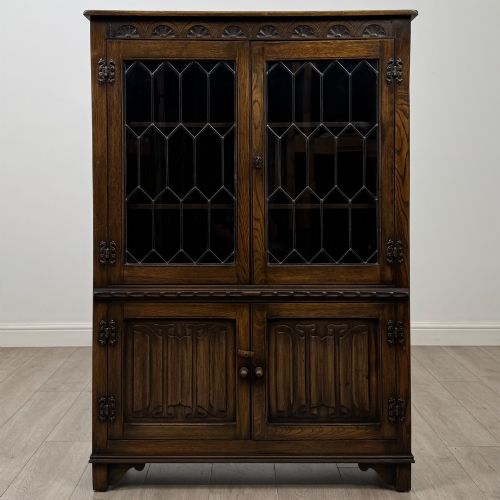
Construction relies primarily on solid and veneered oak, often paired with glass panels held in place by wooden glazing bars or lead cames. Cabinet makers integrated brass hardware, iron hinges and occasionally mirror glass backs or fabric linings.
Joinery methods range from simple tongue and groove panelling to carved ornamentation, linenfold details and inlaid motifs. Architectural revivals introduced period characteristics such as Gothic tracery, Jacobean turning and Arts and Crafts simplicity.
Oak Glazed Display Cabinet Retail Price Guide 2026
Typical asking prices for oak glazed display cabinet among the pieces listed under this phrase on Sellingantiques today, from the lower quarter to the upper quarter. They describe what is for sale here now, not the wider market.
Library cases even accommodated barristers needing portable book storage for travelling courts.
Judging construction and finish
Quality rests on the selection of the timber, the crispness of any carved or applied decoration, and the stability of the carcase. Pieces built with solid oak boards, well-fitted doors and original glass demonstrate greater structural integrity.
Refined examples show careful attention to internal fittings, adjustable shelving tracks, and harmonious proportions. Lesser examples rely on machine stamping or simpler joints with standard commercial hardware.
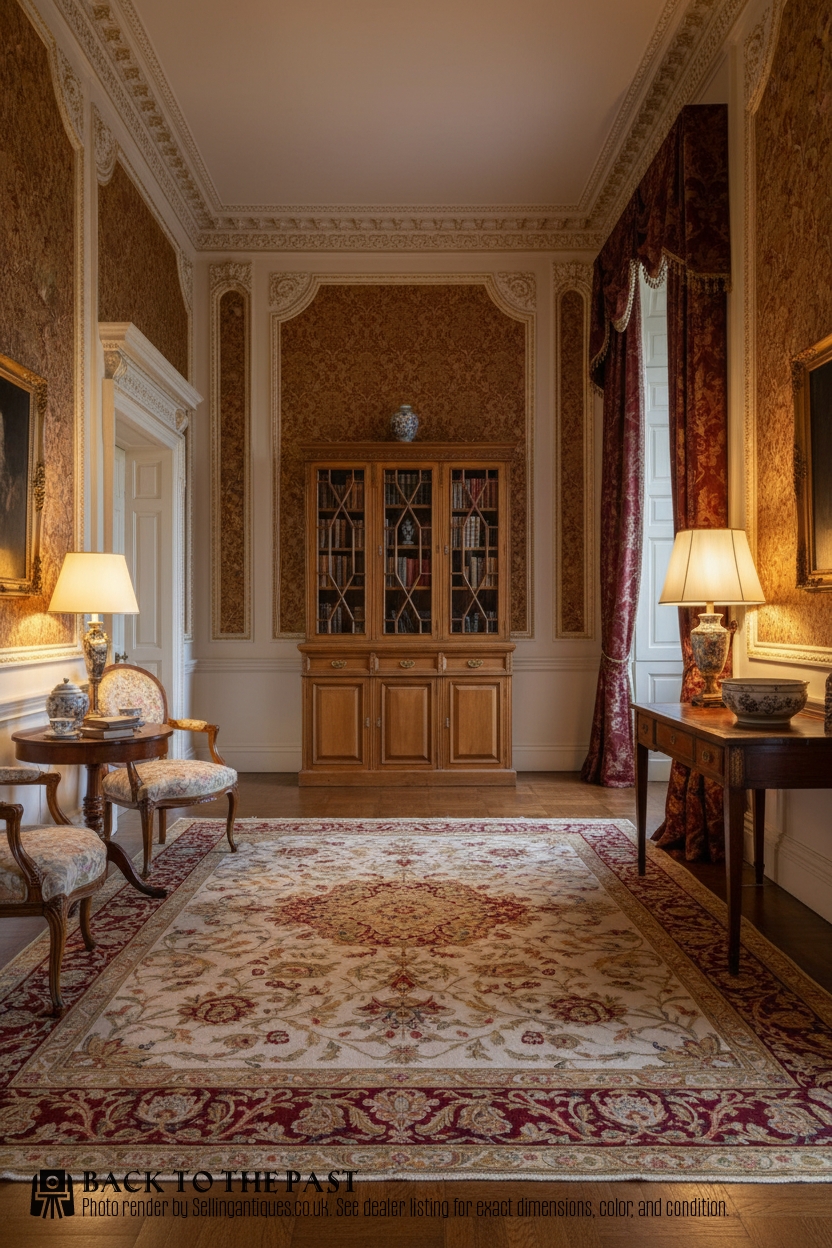
R. Esterbrook & Co
The Oak Glazed Display Cabinet Glossary
- Glazed cabinet
- A storage unit featuring one or more glass doors designed to show contents while keeping them enclosed.
- Globe Wernicke
- A modular stacking bookcase system popular in the early twentieth century, utilising upward-lifting glass front doors.
- Linenfold
- A carved wooden panel motif imitating the folds of stretched fabric, commonly seen on Tudor Revival and twentieth-century oak furniture.
- Lead cames
- Slender strips of lead used to hold individual panes of glass together within a window or cabinet door.
- Pollard oak
- Timber taken from the upper branches of pollarded trees, valued for its clustered knots and decorative grain patterns.
Oak Glazed Display Cabinet: Frequently Asked Questions
How do I clean the glass safely?
Use a soft cloth and a mild glass cleaner sprayed onto the cloth rather than directly onto the cabinet. This prevents moisture from seeping into the wooden frames or damaging antique finishes.
Avoid harsh chemical ammonia sprays which can degrade old glass or strip surrounding wood wax and polish.
Can shelves be adjusted inside?
Many Edwardian and Victorian bookcases feature fixed wooden shelves supported by fixed battens or simple wooden pegs. Later modular systems allow shelves to shift more easily.
Check the interior support structure before attempting to reposition boards to avoid splitting the oak carcase linings.
Where should I place my cabinet?
Position the piece away from direct sunlight and strong heat sources such as radiators to prevent the oak from drying, warping or cracking. Stable room humidity preserves both the timber and the original glass.
Ensure the floor is level so the doors swing evenly and latch properly into their frames without sticking.
How do I identify the period?
Examine the timber grain, hardware, glazing bar thickness and overall architectural style to determine the era of manufacture. Arts and Crafts pieces show functional hand-craftsmanship, whereas Victorian examples often feature deeper carvings.
Look for construction clues such as backboards, drawer dovetails and hinge types which shift across the nineteenth and twentieth centuries.